
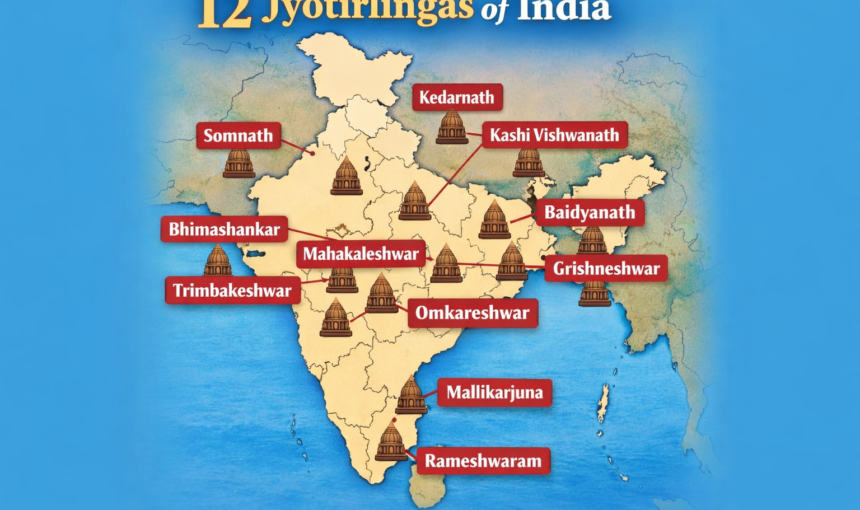
Introduction to Jyotirlingas
Jyotirlingas are revered shrines dedicated to Lord Shiva, one of the principal deities in Hinduism. The term “Jyotirlinga” can be translated as “radiant pillar of light,” which signifies the divine manifestation of Shiva. There are a total of twelve Jyotirlingas in India, each representing a different form of Lord Shiva Temples and each with its own unique significance and mythological history. The worship of these shrines is an integral aspect of the spiritual journey for countless devotees across the nation.
The concept of Jyotirlingas finds its roots in ancient texts, notably the Shiva Purana, where the origin of these sacred sites is elaborately detailed. According to legend, Lord Shiva manifested in various forms to bless his devotees, and the Jyotirlingas serve as prominent points for the worship of these divine manifestations. The significance of visiting and worshipping the Jyotirlingas is a practice deeply embedded in Hindu tradition, symbolizing devotion, faith, and the quest for spiritual enlightenment.
Each of the twelve Jyotirlingas is located in a specific state in India, presenting a unique pilgrimage opportunity for followers. The historical and geographical aspects of these temples further enrich their aura, making them not only important religious centers but also cultural heritage sites. The 12 Jyotirlinga list includes places like Somnath, Varanasi, and Ellora, each offering a distinct experience that reflects the regional diversity of India.
In addition to their spiritual significance, the Jyotirlingas attract visitors through organized pilgrimage tours, such as the Dwadash Jyotirling Yatra. These tours facilitate access to the shrines and foster communal ties among pilgrims. With the plethora of spiritual experiences and historical narratives tied to each location, the 12 Jyotirlinga in India serve as cornerstone symbols of devotion within Hinduism, embodying both religious and cultural identities.
Significance of the Jyotirlingas
The Jyotirlingas hold profound spiritual and cultural importance within Hinduism, symbolizing the essence of Lord Shiva in various forms. According to ancient scriptures, it is believed that there are twelve Jyotirlinga temples scattered across India, each representing a distinct manifestation of Shiva’s divine energy. These shrines are venerated by millions of devotees who seek blessings, spiritual awakening, and purification of the soul.
Visiting the 12 Jyotirlinga in India is often regarded as an essential pilgrimage for devotees, as each temple is associated with specific stories and legends that highlight the omnipotence and benevolence of Shiva Temples. The 12 Jyotirlinga list includes sacred sites like Somnath, Kashi Vishwanath, and Mahakaleshwar, among others, all of which are revered locations that attract pilgrims from far and wide. The jyotirlinga names resonate deeply within devotional practices, drawing believers eager to pay homage and seek forgiveness for their sins.
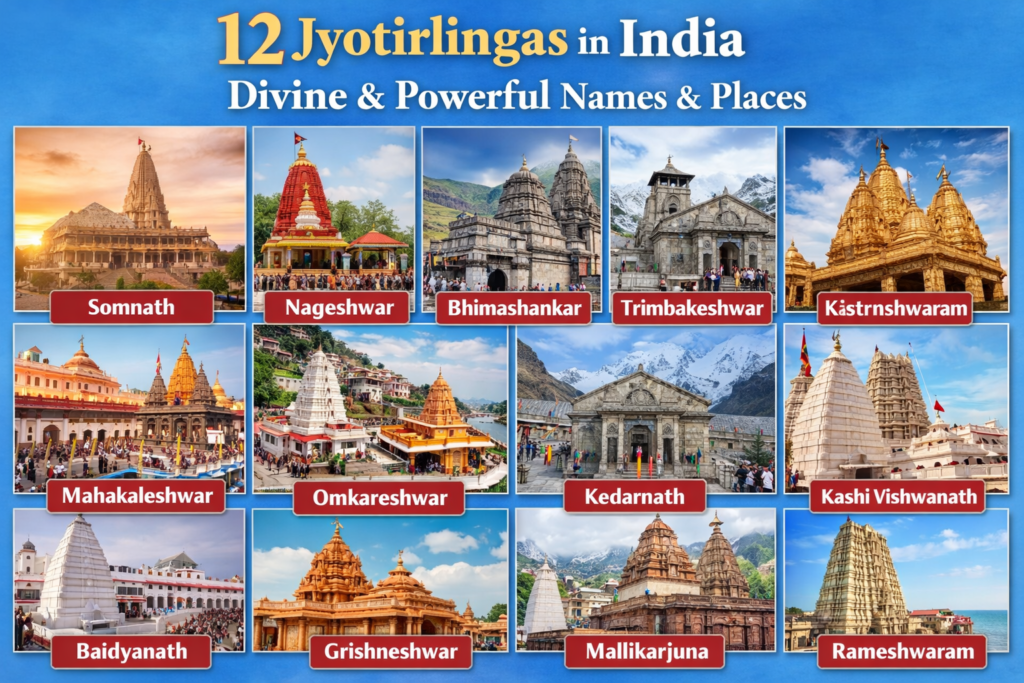
Many followers believe that a visit to these 12 jyotirlinga temples, accompanied by proper rituals and offerings, can cleanse one’s sins and grant them spiritual merit. The journey to these divine locations is also considered a form of atonement, offering devotees a reinforced connection to their faith and ancient traditions. Furthermore, the pilgrimage fosters community bonds as individuals travel in groups to experience the collective divinity of the 12 jyotirlinga name and place.
In addition to their spiritual significance, the Jyotirlingas foster a rich cultural heritage, with each temple boasting unique architectural features that reflect the region’s history and artistry. The rituals performed at these temples, along with the festivals and celebrations surrounding them, contribute to the vibrant tapestry of Indian culture. As pilgrims embark on the jyotirlinga yatra package, they immerse themselves not only in spirituality but also in the diverse cultural heritage of India.
What is a Jyotirlinga?
A Jyotirlinga is a sacred representation of Lord Shiva Temples, where Shiva is believed to have appeared as a powerful column of divine light (Jyoti). These holy shrines are among the most important pilgrimage sites in Hinduism, and there are 12 Jyotirlingas in India, each located in different states with unique spiritual significance. Devotees visit these temples to seek blessings, spiritual growth, and liberation (moksha).
According to Hindu scriptures, the jyotirlinga list includes the most revered Shiva temples, and many pilgrims search for 12 jyotirlinga name and place, jyotirlinga in india list, all 12 jyotirlinga, and 12 jyotirlinga temples in india to plan their spiritual journey. Each shrine represents a different manifestation of Shiva’s divine energy, making the 12 jyotirlinga places extremely sacred for worshippers.
In simple terms, a Jyotirlinga is not just a temple—it is considered a direct spiritual presence of Lord Shiva on Earth Book jyotirlinga yatra package from Bangalore.
List of the 12 Jyotirlingas Names & Places
The sacred pilgrimage of the 12 Jyotirlinga in India is central to Hindu worship, each site offering unique features that attract devotees and tourists alike. The following is a comprehensive list of the 12 Jyotirlinga Names & Places along with their respective locations:
1. Somnath – Located in Gujarat, the Somnath Temple is renowned as the first Jyotirlinga and a historical testament to resilience, having been rebuilt multiple times.
2. Mallikarjuna – Found in Andhra Pradesh, this Jyotirlinga is situated at Srisailam and is celebrated for its architectural beauty and serene ambiance.
3. Mahakaleshwar – This temple in Ujjain, Madhya Pradesh, is distinct for the unique south-facing idol, symbolizing its powerful protective qualities.
4. Omkareshwar – Also in Madhya Pradesh, located on an island within the Mandhata range, it is famed for its natural beauty and is often associated with the sacred sound ‘Om’.
5. Kedareshwar – Nestled in the Kedarnath range of Uttarakhand, this Jyotirlinga is revered for its breathtaking mountain views and the annual pilgrimage undertaken by thousands.
6. Bhimashankar – Situated near Pune, Maharashtra, it is notable for its lush green surroundings and is steeped in legends linked to the demon Bhima.
7. Kashi Vishwanath – Located in Varanasi, Uttar Pradesh, this temple stands as a symbol of spirituality and is one of the most visited Jyotirlinga in the country Shiva Temples.
8. Trimbak – Near Nashik, Maharashtra, Trimbak is unique for having a three-faced idol that represents Brahma, Vishnu, and Shiva Temples.
9. Vaidyanath – This Jyotirlinga straddles the border of Jharkhand and Bihar, attracting visitors seeking not only spiritual solace but also healing, as Vaidyanath is considered a deity of medicine.
10. Bhimashankar – Located in Maharashtra, famed for its natural beauty and connected to ancient Hindu architecture Shiva Temples.
11. Ramanathaswamy – Found on Rameswaram Island, Tamil Nadu, it is known for its long corridors and the legendary connection between Lord Rama and Lord Shiva Temples.
12. Nageshwar – Situated in Dwarka, Gujarat, this temple is connected to the mythology of the Nagas and boasts exquisite architecture Shiva Temples.
Every Jyotirlinga holds profound significance, representing different aspects of Lord Shiva Temples, thus forming an integral part of the spiritual journey for many devotees traversing the various 12 Jyotirlinga places across India.
1. Somnath Jyotirlinga – Gujarat
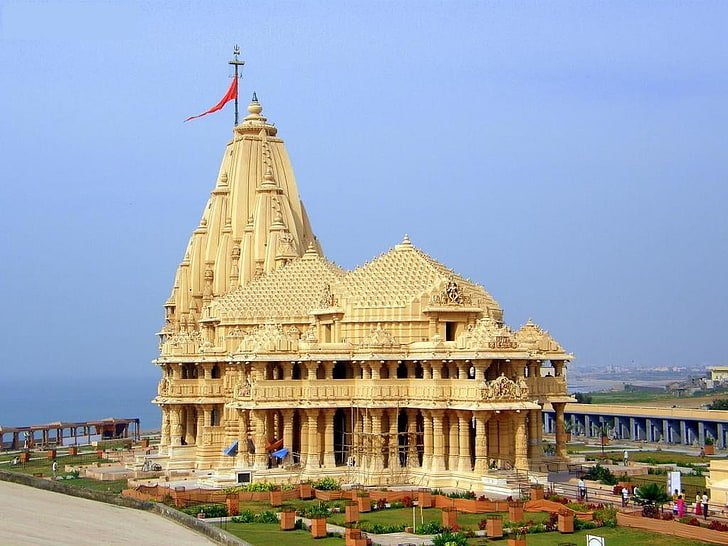
The Somnath Jyotirlinga, located in the western state of Gujarat, holds a pivotal place in Hindu mythology and is the first of the 12 Jyotirlingas in India. This sacred site is renowned for its historical significance as well as its architectural grandeur. The temple of Somnath has been a focal point of worship since ancient times, symbolizing the beginning of the Jyotirlinga pilgrimage.
According to Hindu beliefs, the origin of the Somnath Jyotirlinga can be traced back to the legend of Lord Shiva. The temple is associated with the tale of king Bhrijraj, who was a devotee of Shiva. It is said that the moon god, Chandra, was cursed by his father-in-law and sought the blessings of Shiva to regain his lost luster. Impressed by Chandra’s devotion, Shiva appeared here and blessed him, leading to the establishment of the Somnath temple.
The architecture of the Somnath temple is a splendid representation of a style characteristic of Western Indian temples, with intricate carvings and sculptures depicting mythological figures. The temple has undergone various reconstructions throughout history due to destruction by invaders, most notably during the period of Mahmud of Ghazni in the 11th century. Each reconstruction has added to the temple’s legacy, the latest being completed in 1951, which was initiated by the then Prime Minister, Sardar Vallabhbhai Patel.
Spiritual significance surrounding Somnath extends beyond its physical structure. It is not only a site for devotees seeking blessings but also serves as a symbol of resilience and faith. The Somnath Jyotirlinga remains a magnet for pilgrims and tourists alike, making it an essential part of the greater 12 Jyotirlinga list. This pilgrimage attracts visitors seeking a profound connection to their spiritual roots while embracing the rich history encapsulated within its walls.
2. Mallikarjuna Jyotirlinga – Andhra Pradesh
The Mallikarjuna Jyotirlinga, located in the town of Srisailam, Andhra Pradesh, is one of the revered sites in the 12 Jyotirlinga in India. This temple is dedicated to Lord Shiva, who is worshipped here in the form of the Jyotirlinga, which symbolizes the endless cosmic energy that sustains the universe. The Mallikarjuna temple is architecturally significant and showcases intricate carvings and sculptures that reflect the rich cultural heritage of the region.
Historically, the Mallikarjuna Jyotirlinga has been an essential pilgrimage site for devotees for centuries. This temple dates back to ancient times, with historical references found in various texts, including the Skanda Purana. The presence of the Jyotirlinga here signifies not just spiritual importance but also connects to the mythology associated with Lord Shiva, particularly the legend of his marriage to Goddess Parvati.
The architecture of the Mallikarjuna temple is striking. It features Dravidian-style design elements, with towering gopurams (entrance towers) and beautifully crafted stone pillars. The sanctum houses the Jyotirlinga, which is adorned with flowers and offerings from the devotees who flock here. This temple is set against the backdrop of picturesque hills, adding to the overall spiritual experience of the visit.
Festivals play a vital role in the life at Mallikarjuna Jyotirlinga, with Maha Shivaratri being the most significant occasion, attracting thousands of pilgrims each year. During this festival, intricate rituals and elaborate offerings are made, creating an atmosphere of devotion and celebration. Furthermore, the temple’s location in the Nallamala hills provides a tranquil setting for reflection and prayer, enhancing the importance of this site within the broader context of the 12 Jyotirlinga list.
Visiting the Mallikarjuna Jyotirlinga not only offers spiritual solace but also an opportunity to immerse oneself in the vibrant culture and traditions associated with the Jyotirlinga names and places in India.
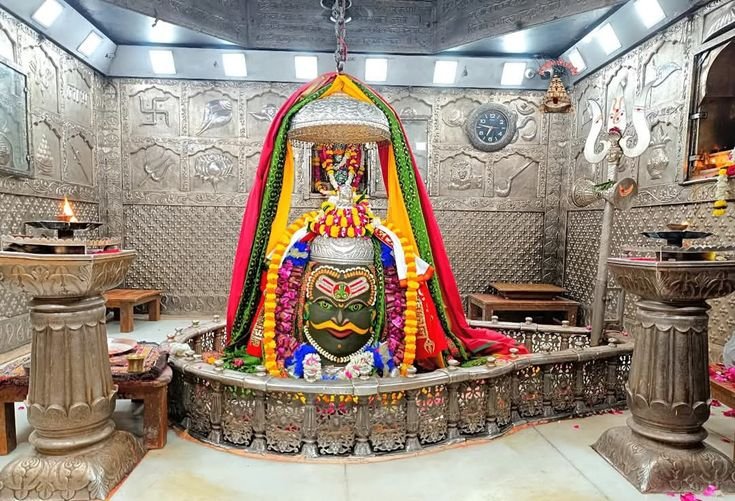
3. Mahakaleshwar Jyotirlinga -Ujjain, Madhya Pradesh
The Mahakaleshwar Jyotirlinga, located in the ancient city of Ujjain, Madhya Pradesh, holds a significant position among the 12 Jyotirlinga in India. This revered temple is dedicated to Lord Shiva Temples and is a prominent pilgrimage site, attracting thousands of devotees each year. The temple’s historical and spiritual significance can be traced back to ancient scriptures, where it is believed that the Mahakaleshwar form of Shiva is ‘Swayambhu’, meaning it is self-manifested, distinguishing it from other Jyotirlingas.
A rich tapestry of legends surrounds the Mahakaleshwar Jyotirlinga. One popular tale narrates that the demon king Mahiashura had created chaos in the world. To restore order, the gods prayed to Lord Shiva, who subsequently manifested as Mahakaleshwar and defeated the demon. This legend illustrates the temple’s deep-rooted connection with overcoming darkness through divine intervention and strengthens the faith of devotees visiting the site.
Visitors to the Mahakaleshwar temple can expect to immerse themselves in a vibrant tapestry of rituals and festivities. The temple is especially renowned for its rituals performed on the occasion of the Ujjain Kumbh Mela, a grand event held every 12 years that draws millions of pilgrims. During this festival, the Mahakaleshwar Jyotirlinga is adorned with elaborate decorations, and special ceremonies are conducted, which include the symbolic awakening of the deity through the ‘bhasm arti’ ceremony.
The significance of the Mahakaleshwar temple extends beyond individual devotion; it plays a critical role in the cultural and spiritual fabric of Ujjain, adding to the city’s prominence as one of the sacred sites in the 12 Jyotirlinga list. The temple not only acts as a center for spiritual engagement but also strengthens community ties among devotees, fostering a sense of unity and shared belief.
4. Omkareshwar Jyotirlinga – Madhya Pradesh
The Omkareshwar Jyotirlinga is one of the twelve revered Jyotirlingas in India, situated on the picturesque Omkareshwar Island in Madhya Pradesh. This island is uniquely shaped like the Hindu symbol of ‘Om’, which contributes to the temple’s name and sacred significance. The island is formed by the confluence of the rivers Kshipra and Narmada, making it an ideal site for spiritual activities and pilgrimages.
The Omkareshwar Temple, dedicated to Lord Shiva, is a major pilgrimage center for Hindu devotees and is believed to be one of the most spiritually beneficial places for the practice of devotion. The temple complex is not only known for its religious importance but also for its serene natural beauty, attracting visitors from across the globe. The presence of the sacred river Narmada further enhances the spiritual ambiance of Omkareshwar.
Devotees visiting the Omkareshwar Jyotirlinga often partake in various rituals and prayers, which are said to cleanse them of sins and bless them with peace and prosperity. The pilgrimage to the 12 Jyotirlinga in India is considered incomplete without a visit to this holy shrine. The temple is also a focal point for various festivals, where thousands gather to participate in the celebrations that honor Lord Shiva.
In addition to its spiritual offerings, Omkareshwar Island is surrounded by lush landscapes and picturesque views, providing a perfect backdrop for meditation and reflection. As part of the broader 12 Jyotirlinga list, Omkareshwar holds a special place as it represents both the central theme of devotion and the beauty of divine creation, embodying the essence of spiritual practice in Hinduism.
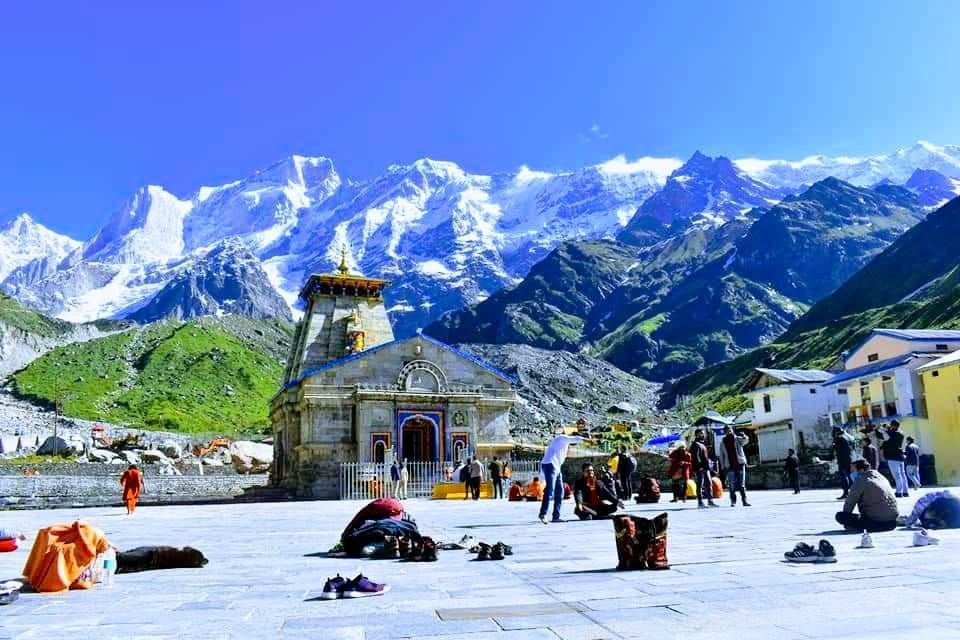
5. Kedarnath Jyotirlinga – Uttarakhand
The Kedarnath Jyotirlinga, situated in Uttarakhand, stands as one of the twelve renowned Jyotirlingas in India, revered by millions of devotees. Nestled in the Himalayan mountain range, this sacred temple is situated at an altitude of approximately 3,583 meters above sea level, making it not only a site of deep spiritual significance but also a breathtakingly scenic location. The journey to Kedarnath is considered both a pilgrimage and an adventure, as the route involves a challenging trek of about 16 kilometers from Gaurikund, which requires both determination and physical fitness.
The trek to Kedarnath is characterized by steep ascend and breathtaking views of the surrounding peaks, lush greenery, and gushing rivers. Each step brings pilgrims closer to the Kedarnath temple where Lord Shiva is worshipped in the form of a linga. The temple is believed to be more than a thousand years old, making it one of the oldest shrines dedicated to Lord Shiva in the country, further evidencing its profound religious importance among the Jyotirlinga list.
Devotees come from various regions, especially during the pilgrimage season after the temple opens in late April. The temple itself, adorned with intricate carvings and ancient architecture, sits in proximity to the Mandakini River, adding to its serene environment. The region experiences heavy snowfall throughout the winter, thus leading to the temple’s closure for several months. This only enhances the spiritual allure of Kedarnath, as the remaining months are filled with devotees eager to participate in the sacred rituals. For many, a visit to Kedarnath and the opportunity to witness the Kedarnath Jyotirlinga symbolizes not only a spiritual quest but also an invitation to connect with nature’s beauty at its finest.
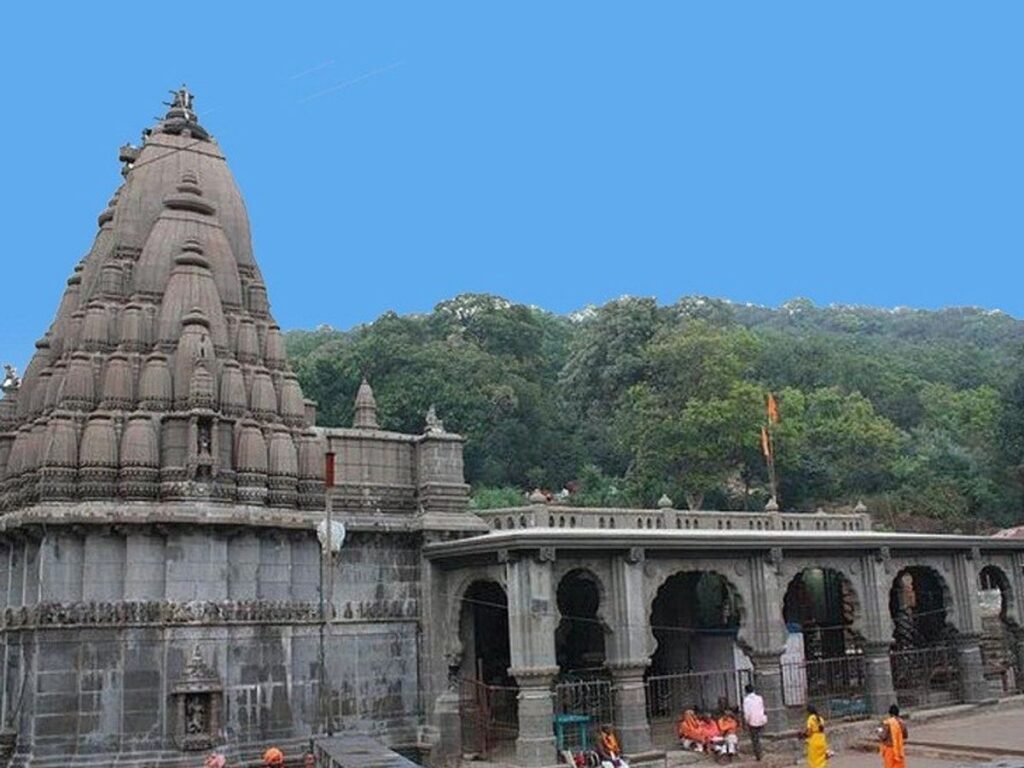
6. Bhimashankar Jyotirlinga – Maharashtra
Bhimashankar Jyotirlinga is one of the sacred 12 Jyotirlingas of Lord Shiva, located in the Sahyadri hills near Pune in Maharashtra. Surrounded by lush forests and scenic mountains, this temple is not only a spiritual destination but also a peaceful nature retreat. According to Hindu mythology, Lord Shiva appeared here to defeat the demon Bhima, and the divine energy manifested as a Jyotirlinga. The temple’s ancient Nagara-style architecture and serene environment attract thousands of devotees and tourists throughout the year.
Bhimashankar is also the origin point of the Bhima River, adding religious importance to the site. The best time to visit is from October to March when the weather is pleasant for darshan and sightseeing. Pilgrims often combine this trip with nearby attractions like trekking routes and wildlife sanctuary visits. For devotees planning a comfortable pilgrimage, Seven Sands Tourism provides well-organized Jyotirlinga tour packages with travel, accommodation, and guided assistance, ensuring a smooth and spiritual experience.
7. Kashi Vishwanath Jyotirlinga – Uttar Pradesh
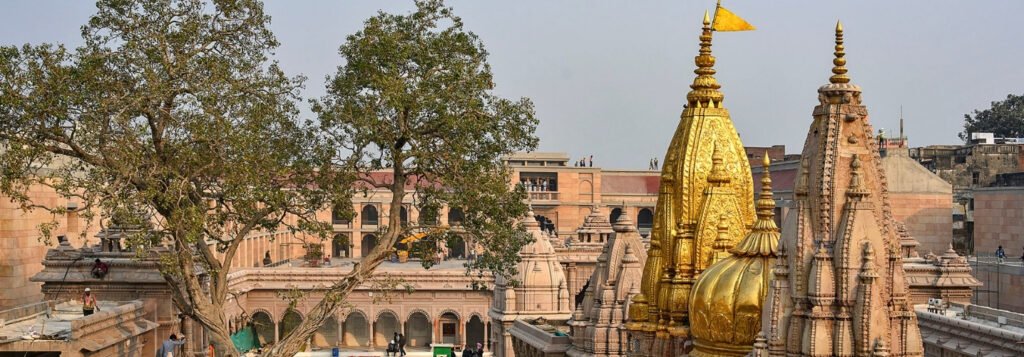
The Kashi Vishwanath Temple is one of the most sacred Jyotirlingas dedicated to Lord Shiva, located in the holy city of Varanasi, Uttar Pradesh. Known as the spiritual heart of India, this temple stands on the western bank of the River Ganga and attracts millions of devotees every year. The word “Kashi” means the city of light, and “Vishwanath” means the Lord of the Universe, symbolizing Shiva as the supreme cosmic power. Pilgrims believe that visiting this Jyotirlinga and taking a dip in the Ganges can cleanse sins and grant spiritual liberation (moksha).
The temple has a rich history with several reconstructions over centuries, and the present structure was built in 1780 by Ahilyabai Holkar of Indore. The golden spire and dome, plated with gold, make it one of the most iconic Hindu temples in the world. Important rituals like Mangala Aarti, Rudrabhishek, and evening Ganga Aarti nearby create a deeply divine atmosphere for visitors. Today, Kashi Vishwanath is not just a pilgrimage site but a complete spiritual experience, combining devotion, culture, and ancient traditions in one sacred destination.
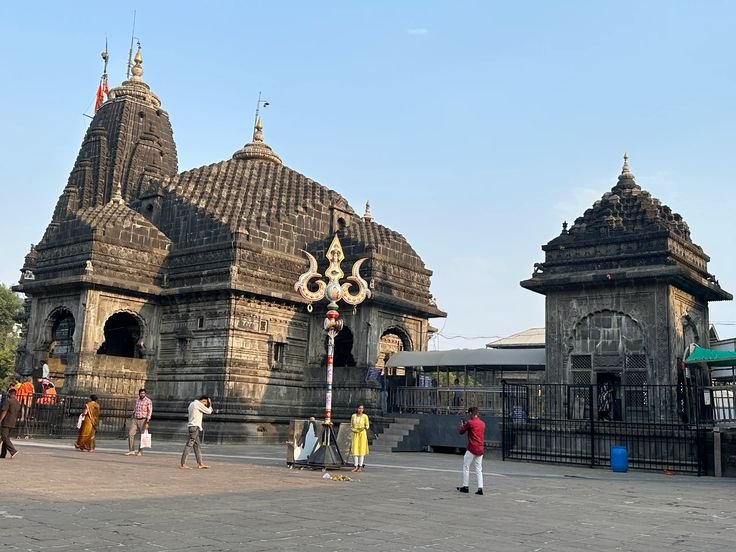
8. Trimbakeshwar Jyotirlinga – Maharashtra
The Trimbakeshwar Jyotirlinga is one of the most sacred among the 12 Jyotirlingas of Lord Shiva, located near Nashik in the state of Maharashtra. This holy temple is uniquely special because the Jyotirlinga here represents the Hindu Trinity—Lord Brahma, Lord Vishnu, and Lord Shiva—in one sacred form. Situated close to the origin of the Godavari River at Brahmagiri Hills, the temple attracts thousands of devotees seeking spiritual blessings, peace, and relief from planetary doshas (astrological effects). The temple’s ancient black stone architecture and serene surroundings create a deeply divine atmosphere for pilgrims.
Visiting Trimbakeshwar is believed to remove negative karma and bring prosperity, health, and spiritual growth. Special rituals like Narayan Nagbali, Kaal Sarp Puja, and Rudrabhishek are performed here, making it an important destination for religious ceremonies. The best time to visit is between October and March when the weather is pleasant, although festivals like Mahashivratri see grand celebrations. With well-planned pilgrimage packages, Seven Sands Tourism helps devotees experience a comfortable and spiritually fulfilling journey to this powerful Jyotirlinga destination.
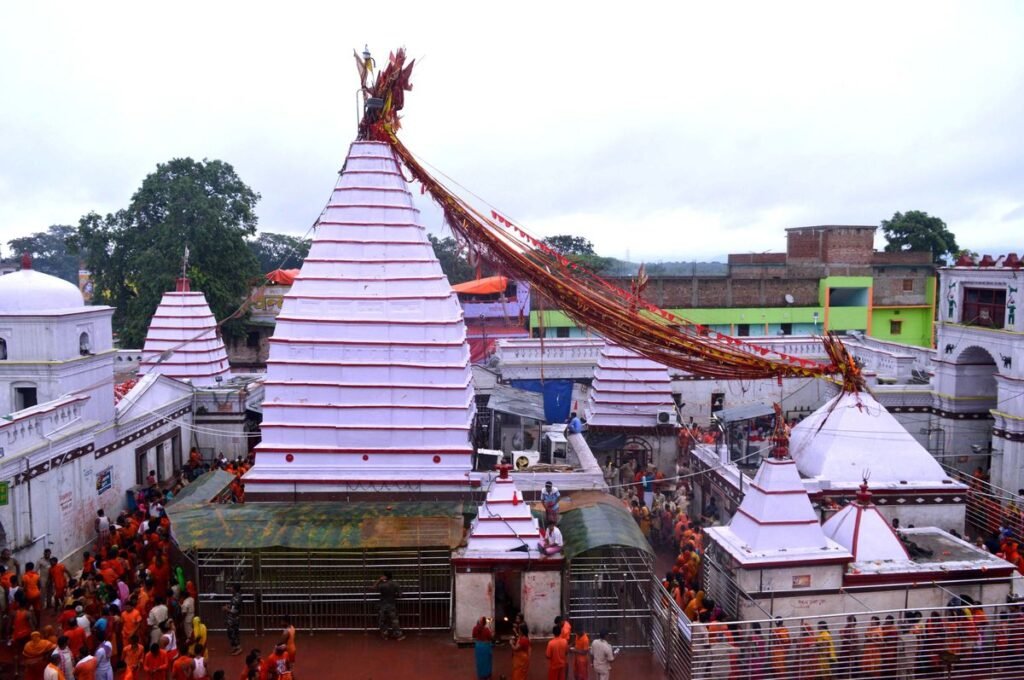
9. Baidyanath Jyotirlinga – Jharkhand
Baidyanath Dham, also known as Baba Baidyanath Temple, is one of the sacred 12 Jyotirlingas of Lord Shiva, located in Deoghar district of Jharkhand. The name “Baidyanath” means the Divine Healer, and devotees believe that worshipping here helps cure diseases and remove suffering. According to Hindu mythology, the temple is associated with the story of Ravana, who performed intense penance to please Lord Shiva. The temple complex includes the main Jyotirlinga shrine along with several smaller temples dedicated to other deities, attracting millions of pilgrims every year, especially during the holy Shravan month.
The spiritual atmosphere of Baidyanath Jyotirlinga makes it one of the most important pilgrimage destinations in India. Devotees perform rituals like Jalabhishek by offering holy water brought from the Ganges River, which is considered highly auspicious. The temple architecture reflects ancient Indian design, and the vibrant religious energy creates a deeply devotional experience for visitors. A visit to Baidyanath Dham is believed to bring health, prosperity, and spiritual blessings, making it a must-visit destination for Shiva devotees and religious travelers.
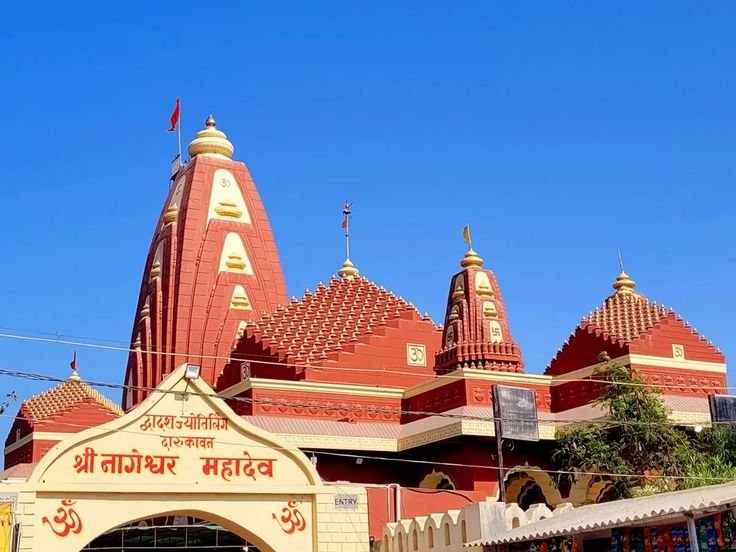
10. Nageshwar Jyotirlinga – Gujarat
Nageshwar Jyotirlinga is one of the sacred 12 Jyotirlingas of Lord Shiva, located near Dwarka in the state of Gujarat. The temple is deeply connected with ancient Hindu mythology, where Lord Shiva protected his devotee Supriya from a demon named Daruka. The Jyotirlinga here symbolizes protection from evil and negative energies, which is why devotees believe that worshipping at this temple removes fear and grants spiritual strength. The temple complex also features a massive Shiva statue that attracts pilgrims and tourists alike.
Nageshwar Jyotirlinga is easily accessible from Dwarka, making it an important stop in the Dwarka pilgrimage circuit. The best time to visit is between October and March when the weather is pleasant, and special celebrations take place during Maha Shivaratri. Devotees can participate in abhishekam and daily aarti rituals for divine blessings. For a comfortable and well-planned pilgrimage experience, Seven Sands Tourism offers customized Jyotirlinga tour packages covering travel, accommodation, and darshan assistance, ensuring a smooth spiritual journey for devotees.
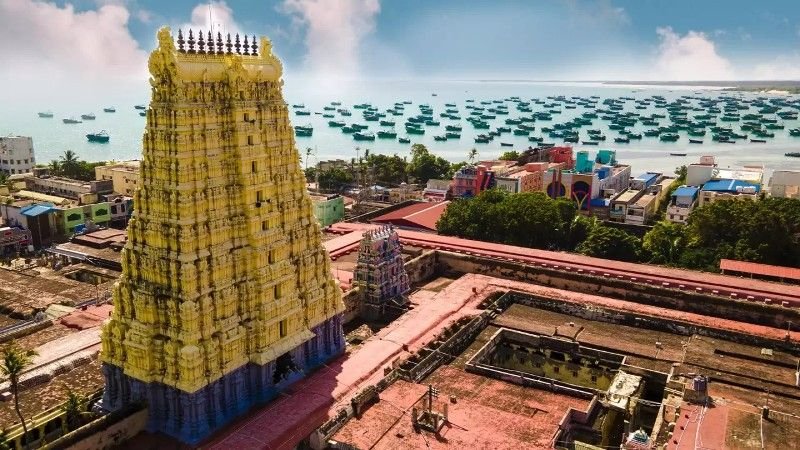
11. Rameshwaram Jyotirlinga – Tamil Nadu
The Rameshwaram Jyotirlinga is located inside the famous Ramanathaswamy Temple in Rameswaram, one of the holiest pilgrimage destinations in India. This sacred shrine is deeply connected with the epic Ramayana, where Lord Rama is believed to have worshipped Lord Shiva to seek forgiveness after defeating Ravana. The temple is renowned for its magnificent corridors, intricate architecture, and 22 holy wells (theerthams) where devotees perform ritual baths before darshan. As one of the 12 Jyotirlingas, it holds immense spiritual significance for Shiva devotees.
Situated in the southern state of Tamil Nadu, Rameshwaram Jyotirlinga is also part of the Char Dham pilgrimage circuit, making it spiritually important for Hindus across the world. Pilgrims believe that visiting this temple brings peace, removes sins, and grants moksha. Many travelers plan their Jyotirlinga journey with Seven Sands Tourism, which offers well-organized pilgrimage tours with comfortable travel arrangements, ensuring a smooth and divine experience for devotees.
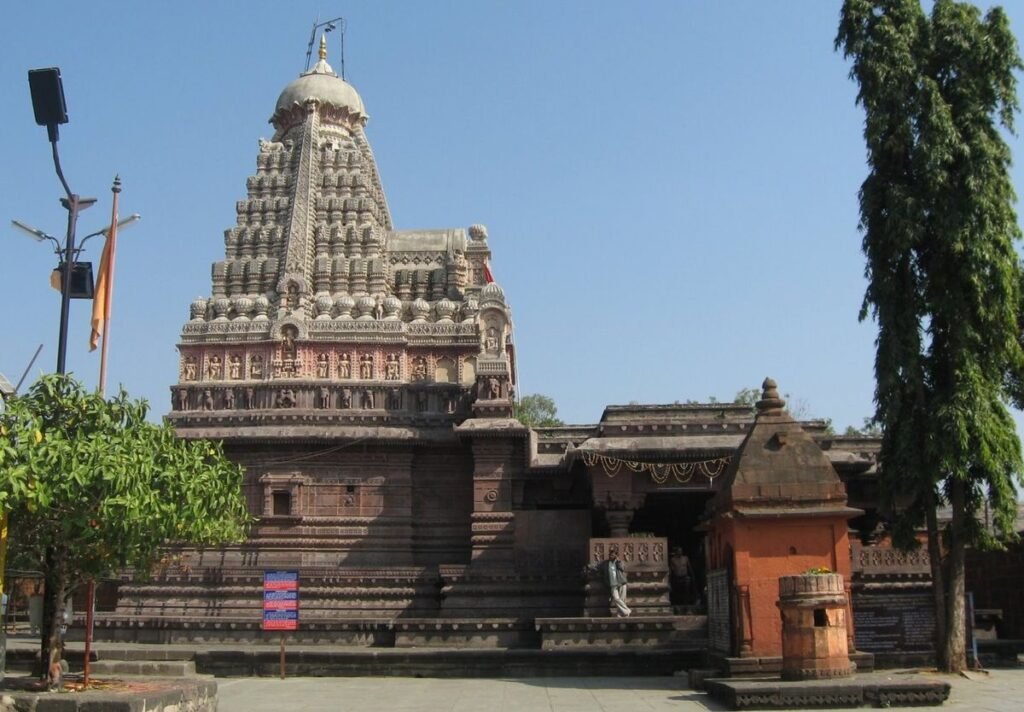
12. Grishneshwar Jyotirlinga – Maharashtra
Grishneshwar Jyotirlinga is one of the sacred 12 Jyotirlingas of Lord Shiva, located near the famous Ellora Caves. This ancient temple is believed to symbolize devotion, forgiveness, and divine power. The temple architecture reflects traditional South Indian style with beautiful red stone carvings, attracting thousands of devotees and tourists every year. Pilgrims visit here to seek blessings for peace, prosperity, and spiritual growth, making it an important destination in Hindu pilgrimage circuits.
The best time to visit Grishneshwar Jyotirlinga is between October and March when the weather is pleasant for darshan and sightseeing. The temple is easily accessible from Aurangabad Airport and railway station, making travel convenient for devotees across India. Many travelers combine this visit with nearby attractions like Ellora Caves and Daulatabad Fort. For a comfortable and well-planned spiritual journey, Seven Sands Tourism offers customized Jyotirlinga tour packages with transport, accommodation, and guided assistance, ensuring a smooth pilgrimage experience.
Conclusion: The Spiritual Legacy of Jyotirlingas
The 12 Jyotirlingas in India hold a significant place in the hearts of millions of devotees, representing a profound connection to the divine. These sacred shrines, each dedicated to Lord Shiva, symbolize the cosmic energy and transformation associated with this deity. Visiting the 12 Jyotirlinga temples provides a unique opportunity for spiritual growth, offering pilgrims the chance to explore various dimensions of their faith. The pilgrimage not only reinforces religious beliefs but also serves as a path to personal enlightenment.
Each temple from the 12 Jyotirlinga list stands as a testament to devotion and craftsmanship, showcasing intricate designs and historical narratives. Travelling to these sites, such as Somnath, Varanasi, and Ujjain, allows worshippers to experience the spiritual atmosphere, learn about the jyotirlinga names and their meanings, and engage in rituals that foster a deeper connection with Lord Shiva.
Moreover, the journey through the 12 Jyotirlinga places is often described as transformative. Many devotees embark on the Dwadash Jyotirling Yatra, a pilgrimage that not only aims for spiritual merit but also offers a reflective experience on devotion and community. This journey is popular among those seeking jyotirlinga tour packages that often include detailed itineraries and arrangements for a meaningful visit.
For those wanting to embark on this sacred journey or simply learn about the significance of the 12 Jyotirlinga name with place, it is essential to embrace the spiritual essence that each temple offers. Through the exploration of the Jyotirlinga names and places, visitors gain insights into the cultural and historic landscape of Hinduism. The spiritual legacy of the Jyotirlingas continues to inspire and invite forth new generations to seek divine connection and understanding.
Jyotirlinga Tour Packages with seven sands tourism
Planning a spiritual journey becomes easy with Jyotirlinga Tour Packages with Seven Sands Tourism, specially designed for devotees who wish to visit the sacred Shiva temples across India. Our packages cover comfortable travel, quality accommodation, temple darshan assistance, and well-planned itineraries so you can focus completely on your devotion. Whether you want to visit all 12 Jyotirlingas or selected temples, we provide customized options based on your time, budget, and preferences.
With Seven Sands Tourism, you receive trusted service, experienced guidance, and complete support from booking to return. We ensure a smooth pilgrimage experience for families, senior citizens, and group travelers with transparent pricing and reliable arrangements, domestic and international tour packages from Bangalore. Choose our Jyotirlinga tour packages to experience divine blessings, spiritual peace, and a memorable journey without any travel stress.
Table of Contents
Frequently Asked Questions (FAQs)
What are 12 Jyotirlinga?
The 12 Jyotirlinga are the most sacred shrines of Lord Shiva, where he is believed to have manifested as divine light. These temples are located across different regions of India and hold immense spiritual value for devotees. Pilgrims often visit them to seek blessings, peace, and liberation. With Seven Sands Tourism, devotees can explore these holy sites comfortably through well-planned pilgrimage packages.
How many Jyotirlinga in India?
There are 12 Jyotirlinga in India, each representing a unique form of Lord Shiva and located in different states such as Gujarat, Maharashtra, Tamil Nadu, and Uttarakhand. These temples are considered highly powerful spiritual centers, attracting millions of pilgrims every year who come for darshan and divine blessings.
What is the total Jyotirlinga count?
The total Jyotirlinga count mentioned in Hindu scriptures is 12. These sacred shrines are described in ancient texts like the Shiva Purana and are believed to be self-manifested forms of Shiva. Each Jyotirlinga symbolizes the infinite nature of divine energy and spiritual enlightenment.
What is the total Jyotirlinga in the world?
According to traditional Hindu belief, the total Jyotirlinga in the world is 12, and all of them are located in India. While many Shiva temples exist globally, only these twelve are recognized as Jyotirlingas due to their mythological origin and scriptural significance.
What is Jyotirlinga significance?
The Jyotirlinga significance lies in its representation of Lord Shiva as a cosmic pillar of light, symbolizing creation, preservation, and destruction. Devotees believe visiting these sacred temples removes negative karma and grants spiritual growth, prosperity, and inner peace.
What is Jyotirlinga history?
Jyotirlinga history dates back thousands of years and is deeply connected to Hindu mythology. Ancient scriptures narrate that Lord Shiva appeared as a fiery column of light to settle a dispute between Brahma and Vishnu, establishing his supreme power. This divine event is considered the origin of Jyotirlinga worship.
What is Jyotirlinga meaning?
The word Jyotirlinga comes from two Sanskrit terms: “Jyoti,” meaning light, and “Linga,” meaning symbol of Shiva. Together, it means the radiant symbol of divine energy. It represents the infinite, formless nature of Lord Shiva beyond physical existence.
What is Jyotirlinga importance?
Jyotirlinga importance is deeply rooted in devotion and spirituality. Visiting these temples is believed to cleanse sins, fulfill wishes, and bring devotees closer to moksha (liberation). Many pilgrims choose organized tours through trusted travel providers like Seven Sands Tourism to complete this sacred journey with comfort and proper guidance.