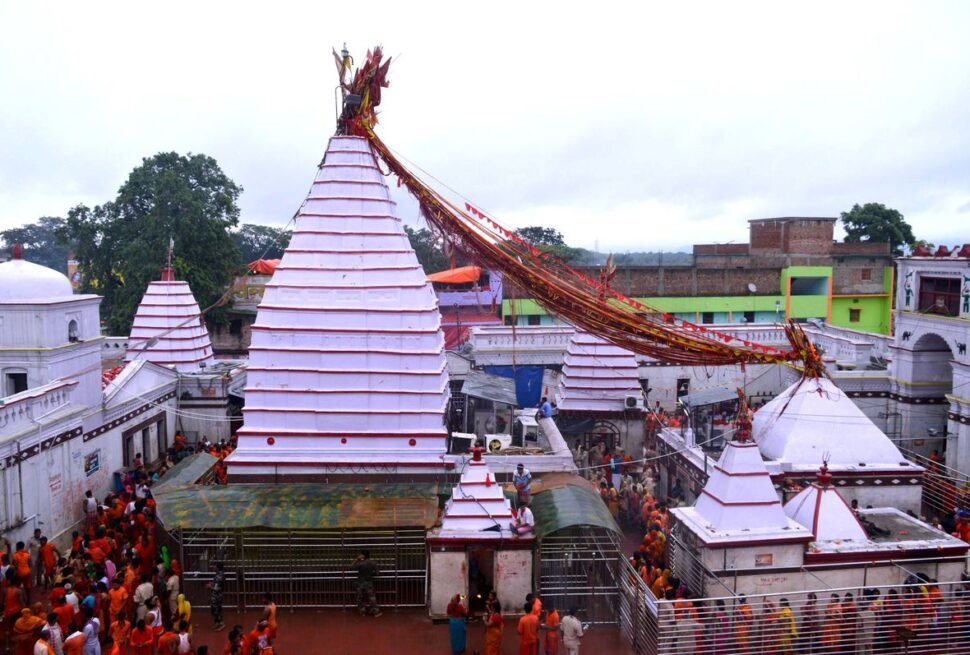

Introduction to Shani Shingnapur Temple
Shani Shingnapur Temple, located in the Ahmednagar district of Maharashtra, India, is a prominent pilgrimage site dedicated to Lord Shani, the deity associated with the planet Saturn in Hindu astrology. The temple is revered by devotees who believe that worshipping Shani can alleviate the ill effects of Saturn and bring good fortune. This sacred site attracts an immense number of pilgrims, particularly on Saturdays, which is considered an auspicious day for worshipping Lord Shani.
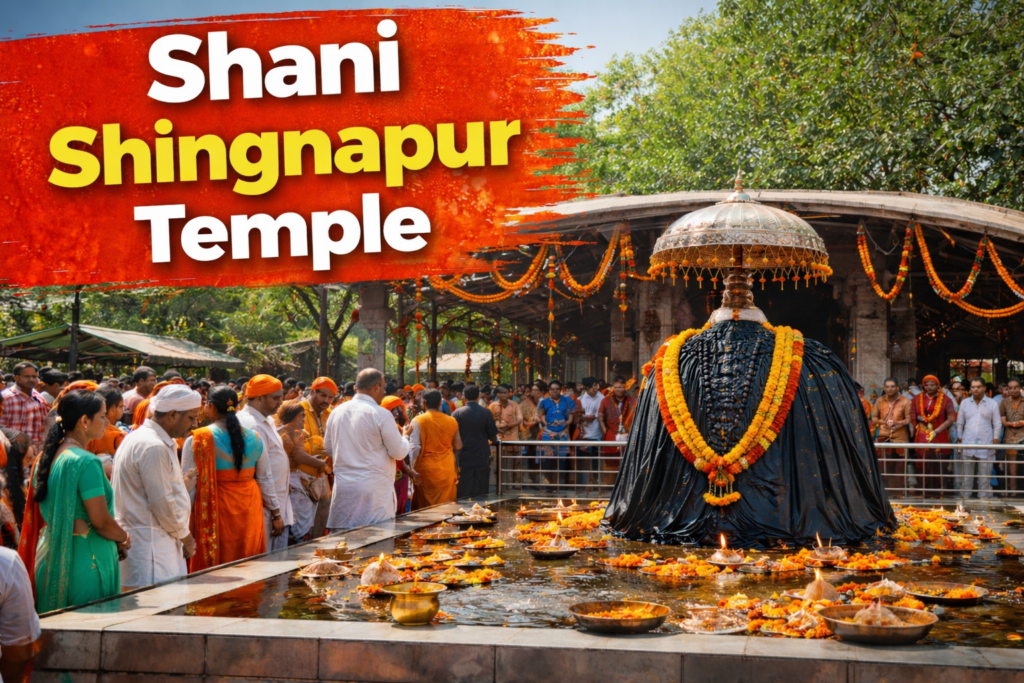
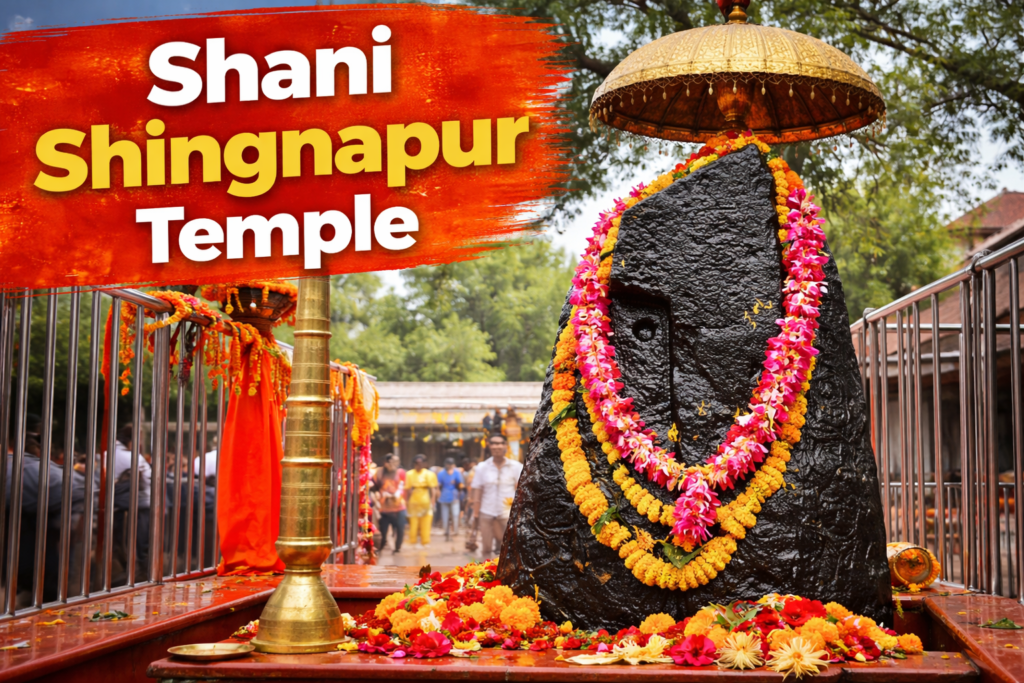
One of the most remarkable aspects of Shani Shingnapur Temple is its unique architecture and the mystical tales surrounding it. The temple does not have a conventional sanctum sanctorum; instead, the idol of Lord Shani is enshrined in the open under the sky, symbolizing the belief that he is all-seeing and should not be confined within four walls. The idol itself is a black stone that stands about three feet tall, captivating the innumerable devotees who flock to pay their respects.
Shani Shingnapur is not just significant for its religious associations but also for its cultural heritage. The village is noteworthy for its tradition of security, as it is known for having no doors or locks on houses, with residents relying on the watchful eye of Lord Shani for protection. This unique practice has garnered extensive attention, making it a topic of interest among tourists and researchers alike.
The devotion experienced at Shani Shingnapur Temple creates an atmosphere of profound spirituality, inviting individuals seeking solace and blessings. The temple’s rituals, including the abhishekam (ritual bathing) of the idol, along with the chanting of hymns, enhance the overall experience for devotees. Altogether, the Shani Shingnapur Temple stands as a significant spiritual landmark, embodying faith, devotion, and the unique customs of the surrounding community.
Historical Background of Shani Shingnapur Temple
The Shani Shingnapur Temple, dedicated to Lord Shani, is considered one of the most significant pilgrimage sites for devotees of Hinduism. The origins of this temple date back several centuries, with its establishment typically attributed to the 18th century, although some accounts suggest that the place has been sacred since ancient times. It is believed that the temple was founded when a local villager discovered a black stone representing Lord Shani while plowing a field. This discovery marked the beginning of a significant spiritual journey for the village and led to the construction of the shrine that exists today.
Legend has it that Lord Shani appeared in the dreams of the concerned villagers, instructing them to establish a site of worship in his honor. This legend continues to draw the faithful who visit the temple to seek blessings and alleviate the malefic effects of Shani, a planet perceived as a powerful force in astrology. As the belief in the temple grew, it attracted notable historical figures who contributed to its development and upkeep. Over time, Shani Shingnapur evolved from a small local shrine to a major pilgrimage destination.
The significance of Shani Shingnapur has also evolved, especially in contemporary times. The temple, known for its unique aspect of having no doors or locks, symbolizes divine protection and the belief that devotees need not fear any harm if they live honestly and obey the moralities preached by Lord Shani. Today, Shani Shingnapur Temple not only serves as a spiritual hub but also reflects the cultural history and value systems of the region. The blend of historical accounts, legends, and the temple’s enduring popularity has cemented its status as a revered spiritual site among millions of devotees.
Architecture and Design of the Temple
The Shani Shingnapur Temple is renowned for its unique architectural style, which brings together traditional Hindu temple elements and regional influences. Constructed in the 19th century, the temple primarily features a mix of black stone and wood, materials that not only accentuate its aesthetic appeal but also speak to the local artistry prevalent in the region. The use of black stone, in particular, is noteworthy as it symbolizes strength and resilience, qualities that devotees associate with Lord Shani.
The temple is architecturally distinctive for its open-air sanctum, which deviates from conventional temple design that typically includes a sheltered structure. This unique design allows visitors to view the idol of Lord Shani without obstruction, creating an intimate spiritual experience. The idol itself is a monolithic black stone, standing tall and majestic, emphasizing the simplicity yet profundity of this sacred space. The placement of the idol in a prominent position encourages devotees to engage directly with the energy of Lord Shani, enhancing their darshan experience.
Another remarkable feature of the Shani Shingnapur Temple is its intricate craftsmanship which can be observed in the surrounding structures and detail work. Skillfully carved pillars and decorative elements exhibit the skill of local artisans, reflecting not just religious devotion but also cultural heritage. The temple’s overall design ensures that natural light penetrates throughout, creating a serene atmosphere conducive for prayer and meditation.
The harmony between functionality and spirituality in the Shani Shingnapur Temple’s architecture enhances its significance as a place of worship. This temple stands as a testament to the rich cultural tapestry woven through Indian temple architecture, making it a prominent pilgrimage site for those who seek to express their reverence to Lord Shani.
Timings and Visiting Hours
The Shani Shingnapur Temple, renowned for its unique architectural design and spiritual significance, adheres to a regular schedule that ensures devotees and visitors can experience its serene ambiance at designated times. The temple opens its doors daily at 5:00 AM, allowing early risers to engage in morning prayers and rituals. The morning Aarti, a religious ceremony that involves the singing of hymns, is conducted at approximately 6:00 AM, one of the most auspicious times for devotees to seek the blessings of Lord Shani.
As the day progresses, the temple remains accessible to visitors until 9:00 PM, ensuring ample opportunities throughout the day to visit the holy site. It is important to note that the temple may observe extended hours on special occasions, such as Hindu festivals and important religious events. During these times, the temple attracts a larger influx of devotees; thus, it is recommended that visitors plan their trips accordingly to accommodate for crowd sizes.
If you aim to witness the temple with fewer crowds, early mornings or late evenings are generally considered the best times to visit. Particularly on weekends and public holidays, the temple sees a significant increase in footfall, which can lead to longer wait times to participate in rituals or view the deity. Considering these patterns can enhance your experience at Shani Shingnapur Temple, ensuring both peaceful reflection and worship in a less congested environment.
In addition, certain festivals, such as Shani Jayanti and Diwali, feature special timings and elaborate celebrations, attracting numerous visitors. Therefore, consulting the temple’s official announcements or local calendars can help in planning your visit for optimal engagement.
Darshan Process: What to Expect
Visiting the Shani Shingnapur Temple offers a unique spiritual experience, centered around the veneration of Lord Shani. The darshan process, a term referring to the act of viewing a deity, is integral to the visitor’s journey at the temple. Upon arrival, devotees will notice that the temple is often bustling with pilgrims and tourists, which necessitates an organized queue system for darshan.
Before entering the temple proper, visitors are required to follow certain protocols to maintain the sanctity of the space. It is advisable to dress modestly and remove footwear, as it is customary to be barefoot within the premises. As devotees approach the temple, they may encounter various rituals being performed, including offerings and prayers, which contribute to the overall atmosphere of reverence.
The queue for darshan is systematic and often managed by temple personnel to ensure an orderly experience for all visitors. Depending on the time of your visit, waiting periods may vary, particularly during auspicious days or festivals related to Lord Shani. While waiting, devotees engage in chanting and meditative practices to elevate their spiritual state, fostering a sense of community among those present.
Once in the inner sanctum, devotees are greeted by the sight of the idol of Lord Shani, which is typically adorned with flowers and offerings. This moment is both profound and personal, as individuals reflect on their faith and seek blessings. The duration of darshan can be brief, but the impact is lasting, as devotees feel a renewed sense of purpose and devotion upon exiting the temple.
In conclusion, the darshan process at Shani Shingnapur Temple is an organized event filled with devotion and spirituality. It is important for visitors to adhere to the established protocols to enhance their overall experience and foster a respectful environment for all who seek to connect with the divine.
Festivals and Special Events
The Shani Shingnapur Temple is renowned for its vibrant festivals and special events, which draw pilgrims and tourists from far and wide. Among the most significant celebrations is Shani Jayanti, marking the birth of Lord Shani, the deity worshipped at this temple. This festival typically occurs during the month of May or June, depending on the lunar calendar. Devotees engage in prayers, rituals, and processions to honor Lord Shani, seeking his blessings for prosperity and protection from obstacles.
During Shani Jayanti, the temple is adorned with flowers and lights, creating a festive atmosphere. Special pujas (rituals) are conducted, including the ceremonial offering of sesame seeds, which are considered auspicious. The celebration also features devotional music and dance performances, enriching the spiritual experience for attendees. Additionally, many devotees observe a day of fasting and participate in community service, emphasizing the importance of devotion and humility.
Another crucial event is the monthly observance of Shani Amavasya, which occurs on the new moon day. Devotees flock to the temple on this day, as it is believed that Lord Shani bestows his grace more abundantly. Pilgrims undertake rituals such as offering oil, which is a traditional way to seek forgiveness for past misdeeds and to ensure a smoother path in life. The temple sees an inflow of thousands of visitors, showcasing the faith and devotion associated with this auspicious day.
Each festival at the Shani Shingnapur Temple is marked by a deep sense of community and spirituality. The joyful celebrations underscore the significance of the temple as a spiritual hub, deeply rooted in cultural traditions. These events not only enhance individual faith but also foster communal bonds, as devotees come together to celebrate their reverence for Lord Shani. As such, festivals at Shani Shingnapur embody not merely religious observance but also an expression of cultural identity and unity among the people.
Travel Guide: How to Reach Shani Shingnapur
Shani Shingnapur is a revered Hindu pilgrimage site located in the Ahmednagar district of Maharashtra, India. To enjoy a seamless travel experience to this divine destination, one must consider various modes of transportation, nearby cities, and accommodation options.
The nearest major city to Shani Shingnapur is Ahmednagar, located approximately 70 kilometers away. Visitors can reach Ahmednagar by train, with the Ahmednagar Railway Station being the most convenient point for travelers coming from cities like Mumbai, Pune, and Nashik. Once in Ahmednagar, one can hire a taxi or take a local bus to Shani Shingnapur.
For those traveling from Mumbai, it is advisable to take the NH 60 highway, which offers a scenic route through the countryside. The journey can take around 4-5 hours depending on traffic. Alternatively, if you prefer to fly, Pune International Airport is the closest airport, situated about 120 kilometers away. From Pune, taxis and state-run buses provide frequent services to Ahmednagar as well as direct routes to Shani Shingnapur.

For accommodation, there are several lodges and guest houses in and around Shani Shingnapur that cater to pilgrims. Those seeking more amenities can find hotels in Ahmednagar, where a variety of local and international cuisines are available. Enjoying traditional Maharashtrian dishes, such as puran poli and vada pav, is highly recommended during your stay.
In conclusion, reaching Shani Shingnapur can be accomplished through multiple transportation modes. Prior planning regarding routes and accommodation can significantly enhance the pilgrimage experience. Immerse yourself in the local culture, and enjoy this sacred journey.
Local Attractions Near Shani Shingnapur Temple
While visiting the Shani Shingnapur Temple, pilgrims and tourists have the opportunity to explore several nearby attractions that can enhance their overall experience. One significant site is the historic Shiv Mandir, located just a short distance from the temple. This temple is dedicated to Lord Shiva and offers a serene environment for devotees to reflect and engage in spiritual practices.
Another essential destination is Hanuman Mandir, also close to Shani Shingnapur. This temple features intricate carvings and sculptures that depict various scenes from Hindu mythology. The atmosphere of the Hanuman Mandir is both peaceful and divine, making it an ideal place for worship and meditation.
For those interested in natural beauty, Ajoba Hill is an attractive location nearby. This hill offers breathtaking views and opportunities for trekking, allowing visitors to connect with nature. The lush greenery and wildlife create a peaceful backdrop, making it perfect for a day away from the hustle and bustle of the temple area.
Additionally, the region is rich in culture. The local markets provide a chance to buy traditional handicrafts, aromatic spices, and other goods that reflect the local lifestyle. Engaging with local artisans can offer deeper insights into the cultural heritage of the area.
Lastly, the nearby Shani Museum offers a unique glimpse into the history and significance of the Shani Shingnapur Temple and its prominence in the region. The museum contains various artifacts and exhibits that narrate the temple’s story and the cultural practices surrounding it.
Exploring these local attractions can enrich a visit to Shani Shingnapur Temple, blending spirituality with culture and nature, providing a holistic pilgrimage experience.
Shani Shingnapur Temple: Powerful History, Timings & Travel Guide
The Shani Shingnapur Temple is one of the most famous temples dedicated to Shani Dev, the Hindu god associated with the planet Saturn. Located in Maharashtra near Shirdi Sai Baba Temple, the temple is unique because the idol of Lord Shani is placed on an open platform without a roof. According to legend, the sacred black stone representing Shani Dev was discovered by villagers and has been worshipped ever since.
The village of Shani Shingnapur is also famous for its traditional belief that houses do not need doors because Lord Shani protects the area from theft and misfortune. Devotees visit the temple to offer oil, perform prayers, and seek relief from the effects of Saturn in astrology. Today, the temple is a major pilgrimage destination attracting thousands of devotees from across India every year.
Shani Shingnapur Temple Timings, Entry Fee & Darshan Guide
The Shani Shingnapur Temple is one of the most famous temples dedicated to Shani Dev. The temple is open daily from 5:30 AM to 7:30 PM, and there is no entry fee for general darshan, although VIP darshan costs around ₹500 per person. Devotees usually spend 1–2 hours for a complete darshan and prayer. Located at an elevation of about 499 meters (1,637 feet) above sea level, the temple is unique because the idol of Lord Shani is worshipped in an open-air shrine without a roof. Since the temple is exposed to sunlight, the best time to visit is early morning or evening, when the weather is cooler and the crowd is manageable.
Places to Visit Near Shani Shingnapur Temple
When visiting Shani Shingnapur Temple, travelers can explore several nearby temples and attractions that make the pilgrimage more meaningful. The main Shanidev Temple is the primary spiritual center where devotees worship Shani Dev and offer oil prayers. Close to the temple are peaceful religious sites like Datta Temple, Renuka Darbar Temple, Lakshmi Temple, and the sacred Tomb of Udasi Baba, which attract devotees seeking blessings.
Pilgrims also often visit the famous Shirdi Sai Baba Temple, along with important places in Shirdi such as Dwarkamai, Gurusthan, and Khandoba Temple, all connected to the life of Sai Baba of Shirdi. For cultural and family experiences, visitors can explore Sai Heritage Village and enjoy leisure activities at Wet N Joy Waterpark near Shirdi. These attractions make the Shani Shingnapur pilgrimage a complete spiritual and travel experience, and travelers can conveniently plan their temple tours through Seven Sands Tourism.
Conclusion and Final Thoughts
Visiting the Shani Shingnapur Temple is more than merely a trip; it is a profound spiritual journey that resonates deeply with many devotees. The temple, dedicated to Lord Shani, the deity believed to influence the course of life and destiny, holds significant importance among pilgrims who seek blessings and solace. With its unique architectural grandeur and the rich history that envelops it, the temple not only attracts worshippers but also captivates historians and tourists alike.
The experience of darshan at Shani Shingnapur is often described as transformative. Devotees partake in rituals aimed at invoking the deity’s grace while reflecting on their life courses, particularly during challenging times. The temple’s tranquil ambiance provides a conducive environment for meditation and introspection, allowing visitors to develop a deeper spiritual connection. This sacred space encourages a sense of community as devotees share their faith, hopes, and narratives, collectively contributing to an atmosphere of reverence.
In light of its significance, planning a visit to Shani Shingnapur Temple can be immensely rewarding. Visitors are encouraged to consider the temple’s timings, local customs, and amenities available for out-of-town travelers to enhance their experience. Whether it is the desire to seek blessings from Lord Shani or simply to experience the architectural marvel, the temple is a destination that promises to leave a lasting impression.
In conclusion, the spiritual significance of the deity Shani, coupled with the temple’s rich traditions, renders Shani Shingnapur Temple a noteworthy pilgrimage site. Contemplating a visit may inspire not only reverence but also a greater understanding of life’s challenges and the impact of faith on personal journeys.
Table of Contents
Frequently Asked Questions (FAQs)
What is special about Shani Shingnapur Temple?
The Shani Shingnapur Temple is famous for its open-air shrine dedicated to Shani Dev. The village is also known for its tradition of houses without doors, as devotees believe Lord Shani protects the entire area.
What are the darshan timings at Shani Shingnapur Temple?
Darshan at the Shani Shingnapur Temple is generally available throughout the day, but early morning and evening are considered the best times for peaceful worship.
When is the best time to visit Shani Shingnapur Temple?
The ideal time to visit is between October and March when the weather in Maharashtra is pleasant. Saturdays and the festival of Shani Jayanti attract the largest number of devotees.
How can I reach Shani Shingnapur Temple from Bangalore?
Travelers can reach Shani Shingnapur by flying or taking a train to Aurangabad or Nashik, followed by a road journey. Pilgrimage packages arranged by Seven Sands Tourism make the journey convenient and comfortable.
Which famous temples are near Shani Shingnapur?
Nearby spiritual destinations include Shirdi Sai Baba Temple, Trimbakeshwar Temple, and Grishneshwar Temple, making the region a popular pilgrimage circuit.
What rituals are performed at Shani Shingnapur Temple?
Devotees offer oil, black sesame seeds, and prayers to Shani Dev to seek protection from negative planetary effects and blessings for prosperity.
Does Seven Sands Tourism offer Shani Shingnapur pilgrimage tours?
Yes, Seven Sands Tourism provides customized Shani Shingnapur pilgrimage packages including transportation, hotel stays, and guided temple visits for a smooth spiritual journey.
What other attractions can visitors explore near Shani Shingnapur?
Travelers can visit spiritual and cultural sites like Sai Heritage Village, Dwarkamai, and family attractions such as Wet N Joy Water Park.