

Introduction to Shirdi: A Spiritual Haven
Shirdi, a small town located in the western region of India, holds a significant place in the spiritual landscape of the country, largely due to its association with the revered saint Sai Baba of Shirdi. This quaint destination, steeped in rich heritage, attracts countless devotees and tourists each year, providing a serene atmosphere for reflection and spiritual exploration. Many visitors also explore Places to Visit Near Shirdi Sai Baba Temple while experiencing the deep sense of peace and divinity that surrounds the sacred town, fostering a strong spiritual connection to Sai Baba’s teachings.
The town serves as a pilgrimage site for followers of Sai Baba, who is known for his teachings of love, compassion, and tolerance. Shirdi’s primary attraction is the Sai Baba Temple, where devotees engage in prayer and meditation, seeking solace and divine blessings. The temple, with its beautifully designed architecture, stands as a symbol of the profound impact Sai Baba has had on his followers. As visitors explore the premises, they often feel a sense of tranquility, generating a unique spiritual experience.
In addition to the temple, Shirdi offers visitors a variety of cultural and historical landmarks that contribute to its significance as a spiritual haven. The humble dwelling where Sai Baba lived, known as the Samadhi Mandir, also draws significant attention. Here, individuals can honor the saint’s legacy by participating in various rituals and ceremonies conducted throughout the day. Furthermore, the town’s vibrant community adds to the experience, as it reflects a rich tapestry of traditions and beliefs that enhance the spiritual atmosphere.
In essence, Shirdi is more than just a tourist destination; it is a place where individuals from all walks of life come together to seek peace and spiritual rejuvenation. The unique blend of culture, history, and spirituality makes Shirdi a must-visit for those interested in deepening their spiritual journey and connecting with the teachings of Sai Baba.
Best Places to Visit in Shirdi Near Sai Baba Temple
Shirdi is a famous spiritual destination in Maharashtra known for the sacred Shirdi Mandir, where millions of devotees visit every year to seek the blessings of Sai Baba. The most important places to visit in Shirdi include the Sai Baba Samadhi Mandir, Dwarkamai, Chavadi, Gurusthan, and the peaceful Lendi Baug garden, which are all closely connected to the life of Sai Baba.
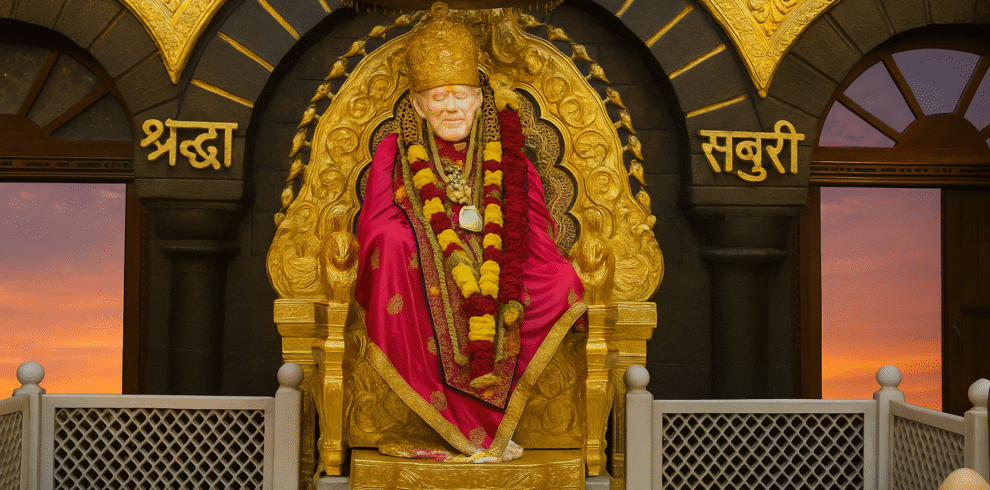
Embark on a divine spiritual journey to the holy town of Shirdi with Seven Sands Tourism, your trusted travel companion…
Visitors exploring Shirdi tourist places can also enjoy nearby attractions such as Sai Heritage Village, Dixit Wada Museum, and Sai Teerth Theme Park located near the temple. If you are planning a short trip, there are several tourist places near Shirdi within 20 km like Shani Shingnapur Temple and Sakori Ashram that are worth visiting.
Apart from temple visits, there are many things to do in Shirdi, including attending the famous Sai Baba aarti, exploring local markets, and experiencing the spiritual atmosphere of this holy town. Travelers can also explore places near Shirdi such as Nashik, Ajanta Caves, and Ellora Caves, making Shirdi not only a pilgrimage site but also a great starting point for spiritual and cultural travel in Maharashtra.
Shirdi: Understanding Its Spiritual Significance
Shirdi is revered as a significant pilgrimage destination in India, primarily due to its deep spiritual ties to the life and teachings of Sai Baba. This humble village is located in the Ahmednagar district of Maharashtra and has attracted millions of devotees over the years. Sai Baba, a spiritual leader, lived in Shirdi for most of his life, from around 1858 until his passing in 1918, providing a sanctuary for people seeking solace and spiritual guidance.
The essence of devotion in Shirdi is palpably felt as visitors frequent the Sai Baba Samadhi Mandir, where his remains reside. The temple not only serves as a focal point for worship but also embodies the principles of universal brotherhood that Sai Baba propagated, transcending the boundaries of religion, caste, and creed. Miracles attributed to Sai Baba have further cemented his status as a divine figure, with countless anecdotes highlighting his abilities to heal the sick, provide for the needy, and offer solace to the lost.
Traditions and rituals associated with Sai Baba play a significant role in the spirituality of Shirdi. Daily prayers, known as “Aarti,” are conducted multiple times a day, drawing in both devotees and curious visitors alike. On Thursdays, the village observes a special significance, as many people visit Shirdi to seek blessings, believing the day to be particularly auspicious. Festivals, such as Baba’s Mahasamadhi on October 15th, evoke a deep sense of community and reverence among locals and pilgrims, reinforcing the spiritual fabric of Shirdi.
The village is not merely a physical location but symbolizes a profound spiritual journey, inviting individuals from diverse backgrounds to experience the ethos of love, compassion, and faith that Sai Baba embodied. As a destination, Shirdi stands as a testament to the lasting impact of spirituality on human lives.
The Shirdi Mandir: Sai Baba Samadhi Mandir Revealed
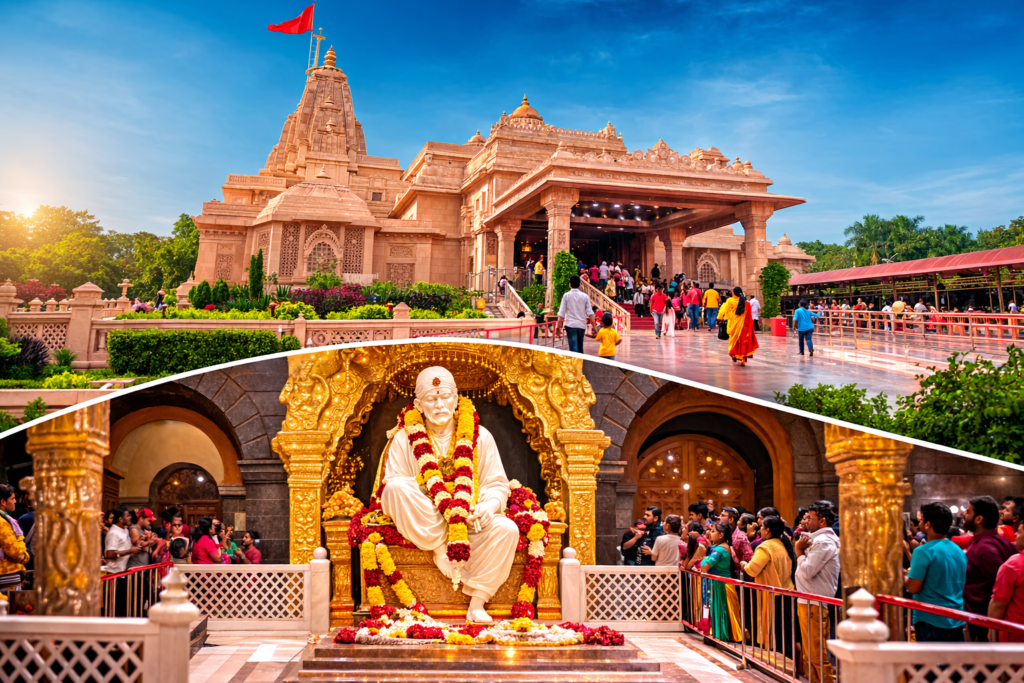
The Shirdi Mandir, also known as the Sai Baba Samadhi Mandir, stands as a significant spiritual center dedicated to the revered saint, Sai Baba of Shirdi. His teachings and philosophies have reached millions, transcending barriers of religion and culture. Established in 1922, the Mandir marks the final resting place of Sai Baba, offering devout followers a serene environment to seek blessings and solace.
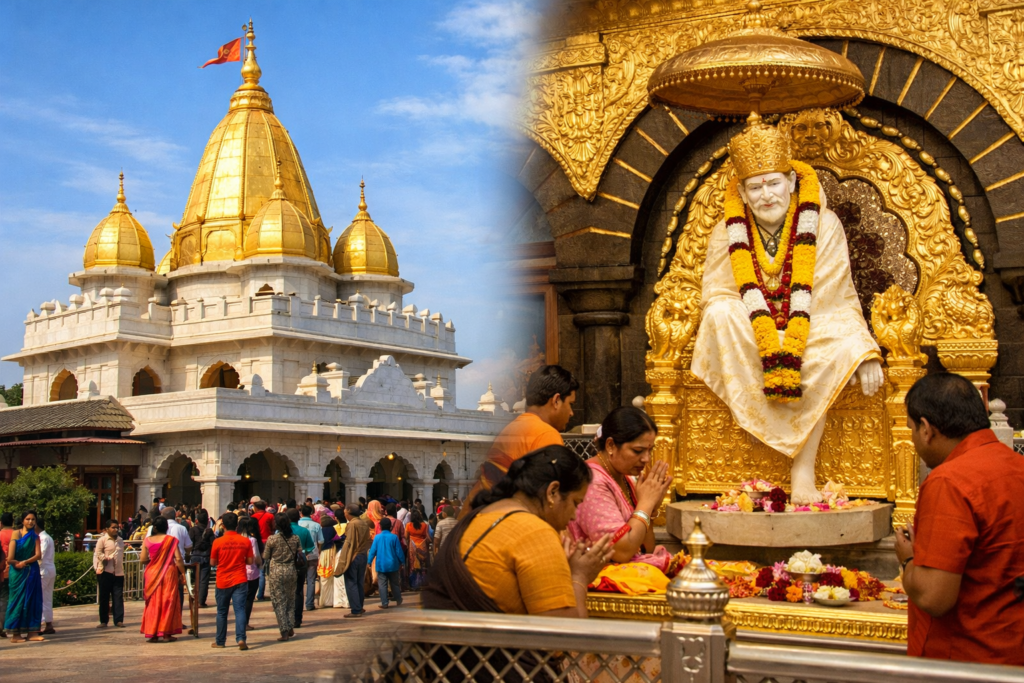
Architecturally, the Shirdi Mandir is a synthesis of Hindu and Islamic styles, reflecting the harmonious spirit embodied by Sai Baba himself. The mandir features intricate carvings and exquisite detailing, primarily in marble and stone. Visitors often find themselves captivated by the white marble structure, elegant domes, and the substantial statue of Sai Baba, which accentuates the sanctity of the place. The atmosphere is infused with devotion and a deep sense of reverence, attracting pilgrims and tourists alike.
The experience of participating in darshan at the Shirdi Mandir is profoundly emotional. Upon entering, visitors are enveloped by the comforting scent of incense and the sound of devotional chants, which create a warm ambiance. Many devotees express feelings of tranquility and peace while standing in front of Sai Baba’s Samadhi. The act of offering prayers in this hallowed space can evoke strong emotions, as devotees connect with the spirit of unconditional love and compassion that Sai Baba epitomized.


Images of the Mandir, especially during special rituals and festivals, enhance the visual experience and leave a lasting impression on visitors. Capturing the beauty of the architecture, the intricacies of the rituals, and the emotions of the devotees enriches one’s understanding of the Mandir’s significance. Ultimately, a visit to the Shirdi Mandir is not just about witnessing a historical site; it is an opportunity to experience spirituality in its most profound form, fostering a sense of hope and fulfillment.
Top Shirdi Tourist Places: Must-Visit Attractions
The town of Shirdi tourist places, famed for its spiritual significance, offers a range of attractions that draw pilgrims and tourists alike. One of the most notable sites is the Sai Baba Samadhi Mandir. This temple houses the tomb of Sai Baba, a revered spiritual leader whose teachings transcend religious boundaries. Visitors are often moved by the serene atmosphere and the opportunity to pay their respects amidst the majestic architecture.
Another significant attraction is Dwarkamai, which was a mosque frequented by Sai Baba during his lifetime. The site features various artifacts and the sacred fire (dhuni) that Baba used to meditate. This site holds a special place in the hearts of many devotees and serves as a center for contemplation and reflection.
The Chavadi is another essential stop, where Sai Baba used to spend alternate nights. A unique characteristic of Chavadi is the vibrant flag ceremony performed every Thursday, symbolizing devotion and faith. The atmosphere is imbued with a sense of history, as the site serves as a testament to Baba’s simple yet profound life.
At the Gurusthan, which marks the spot where Sai Baba was first spotted, visitors will find a well-maintained garden and a sacred neem tree, adding to the tranquil environment. The presence of a small shrine enhances its spiritual essence, making it a must-visit for those seeking peace.
Lastly, Lendi Baug offers a quieter escape. This lush garden features a beautiful, old well that Baba used, along with various plants that add to its natural charm. The serene environment provides a perfect setting for relaxation and meditation, appealing to those who appreciate nature and tranquility.
Things to Do in Shirdi: Engaging Activities for Visitors
Shirdi, the revered town known for its deep spiritual significance, offers a multitude of activities for both pilgrims and tourists alike. One of the most profound experiences is participating in the aarti, or devotional ceremony, held at the Sai Baba Samadhi Mandir. Witnessing the illuminating rituals and the chanting of hymns can create an overwhelming sense of peace and connection. Engaging in this daily ritual allows visitors to immerse themselves in the spiritual ambiance that Shirdi embodies.
For those interested in delving deeper into the life of Sai Baba, visiting museums dedicated to his teachings and legacy is highly recommended. The Sai Baba Museum showcases various artifacts, photographs, and belongings associated with the saint, providing a deeper understanding of his philosophy and impact on millions worldwide. Another significant stop is the Shree Sai Baba Sansthan Trust’s exhibition, where visitors can gain insights into Baba’s life and the miracles he performed.
Beyond spiritual activities, Shirdi also presents unique shopping opportunities. Local markets bustling with vendors offer a range of items from religious paraphernalia, including idols and scriptures, to traditional clothing and souvenirs. Bargaining in these markets can not only result in good deals but also allows for an engaging interaction with the local culture.
For those seeking tranquility amidst the hustle of tourism, Shirdi boasts several serene meditation spots. Visitors can retreat to these quiet areas to reflect or practice mindfulness, whether inside the temple complex or in nearby gardens. Participating in local culture through these varied activities enables a richer experience and a profound appreciation for Shirdi’s spiritual and community life.
Shirdi is one of India’s most important spiritual destinations, and there are many meaningful things to do in Shirdi for devotees and travelers. The most important experience is visiting the Shirdi Mandir, also known as the Sai Baba Samadhi Temple, where devotees attend aarti and seek blessings. Visitors can explore sacred places like Dwarkamai, Chavadi, Gurusthan, and the peaceful Lendi Baug garden.
You can also visit the Sai Heritage Village and Dixit Wada Museum to learn more about Sai Baba’s life and the history of this holy Shirdi place. Shopping for souvenirs in local markets, tasting Maharashtrian food, and exploring tourist places near Shirdi within 20 km like Shani Shingnapur are also popular activities. These spiritual experiences and nearby attractions make Shirdi tourist places perfect for a peaceful and memorable pilgrimage.
By engaging with the myriad activities available, visitors can create memorable experiences while paying homage to Shirdi’s enduring legacy.
Exploring Tourist Places Near Shirdi Within 20 km

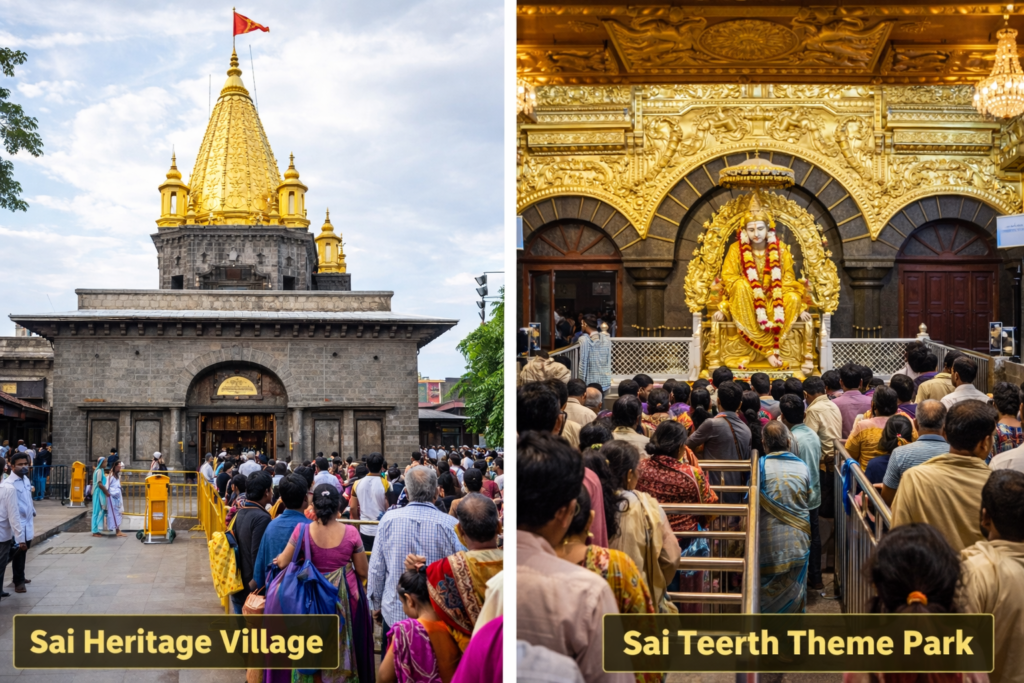
Exploring tourist places near Shirdi within 20 km is a great way to enrich your spiritual journey while visiting the sacred Shirdi Mandir, the holy place associated with Sai Baba. Apart from the main temple, visitors can explore nearby attractions like Shani Shingnapur, famous for its unique temple of Lord Shani with houses that traditionally have no doors, and Sakori Ashram, a peaceful spiritual center located just a few kilometers from Shirdi.
Families and pilgrims also enjoy visiting Sai Teerth Theme Park and Wet N Joy Water Park for a refreshing break. These places to visit near Shirdi Sai Baba Temple offer a perfect mix of spirituality, culture, and relaxation, making them ideal additions to any Shirdi travel itinerary for devotees and tourists alike.
Shirdi, primarily known for the revered Sai Baba Temple, also serves as a gateway to several remarkable attractions within a 20 km radius that can enhance the overall experience of a visitor. Among these is the famous Shani Shingnapur, widely recognized for its unique shrine dedicated to Lord Shani. The temple, with its iconic black stone, draws pilgrims and tourists alike who come to seek blessings and witness the striking absence of doors in the village—a testament to the faith of its residents against theft.
Another noteworthy location is the Sakori Ashram, just a few kilometers from Shirdi. This quaint spiritual retreat is associated with the teachings of the late Shri Upasani Maharaj, a prominent disciple of Sai Baba. Visitors can immerse themselves in the serene atmosphere, engaging in meditation and spiritual discourses that offer a profound sense of peace and enlightenment.
For families seeking recreational activities, the Wet ‘N’ Joy Water Park is an ideal destination. Located within easy reach, this water park features a range of thrilling water rides and attractions suitable for all age groups. This offers a refreshing break, allowing visitors to unwind after engaging in spiritual pursuits. The park’s lush landscapes and modern amenities are especially welcoming for families looking to spend a day of fun and relaxation.
Integrating these nearby attractions into a travel itinerary provides a well-rounded experience, blending spirituality with adventure. Whether one is drawn to the divine aura of Shani Shingnapur, the tranquil teachings of Sakori Ashram, or the exhilarating escape at Wet ‘N’ Joy, these locales collectively enrich the visit to Shirdi and create lasting memories. Each location holds its charm, contributing to the multifaceted nature of the region’s appeal.
Best Attractions & Places to Visit Near Shirdi Sai Baba Temple
Located in the heart of Shirdi, the Shirdi Sai Baba Temple (Shirdi Mandir) is surrounded by several meaningful attractions that devotees can visit during their pilgrimage. The most popular places to visit near Shirdi Sai Baba Temple include Dwarkamai, the sacred mosque where Sai Baba spent much of his time, Chavadi, where Baba used to rest on alternate nights, Gurusthan, believed to be the place where Sai Baba first appeared in Shirdi, and the peaceful Lendi Baug garden where devotees can meditate and walk in a spiritual atmosphere.
These nearby Shirdi tourist places allow visitors to experience the divine history of Sai Baba while exploring the spiritual beauty of Shirdi, making them essential stops for anyone looking for the best places to visit in Shirdi.
The Shirdi Sai Baba Temple, a revered site attracting countless pilgrims, is just one of the numerous attractions that enhance the spiritual experience in Shirdi. Surrounding this iconic temple are several noteworthy places that contribute to the comprehensive experience of visitors. One such location is the Sai Heritage Village, which offers a unique glimpse into the cultural and spiritual heritage associated with Sai Baba. This immersive experience showcases traditional architecture, artifacts, and reenactments, allowing visitors to appreciate the life and teachings of Sai Baba in an engaging manner.
Another significant spot is the Dixit Wada Museum, located near the temple. This museum is housed in the residence of one of Sai Baba’s most devoted followers, Madhav Rao Dixit. It showcases a collection of photos, artifacts, and personal belongings associated with Sai Baba, offering insights into his life and the profound impact he had on his followers. The museum serves as an educational resource, deepening the understanding of Sai Baba’s philosophy through carefully curated displays.
The Khandoba Temple, just a short distance from the Sai Baba Temple, is another vital site to explore. This ancient temple is dedicated to Lord Khandoba, a form of Lord Shiva, and is believed to have been a sacred place of worship even before the advent of Sai Baba. Its historical significance and tranquil atmosphere provide a perfect spot for reflection and devotion.
Finally, Sai Teerth Theme Park offers a family-friendly environment for those seeking enjoyment beyond spiritual pursuits. This theme park is designed to entertain while simultaneously educating visitors about Sai Baba’s teachings through interactive exhibits and recreational activities. Its unique approach ensures that families can bond and create lasting memories amid the spiritual backdrop of Shirdi.
Broader Travel around Shirdi: Nearby Destinations
While Shirdi is primarily known for its spiritual significance, the surrounding regions boast remarkable sightseeing options that can greatly enrich your travel experience. One of the most prominent nearby destinations is Nashik, renowned for its vineyards and historical temples. Located approximately 90 kilometers from Shirdi, Nashik offers a perfect blend of natural beauty and cultural heritage. Visitors can explore the historic Kumbh Mela, which takes place at the sacred Godavari River, as well as the famous Sula Vineyards, making it an excellent day-trip option for wine enthusiasts.
Another captivating destination is the Ajanta Caves, a UNESCO World Heritage Site situated around 100 kilometers from Shirdi. These rock-cut caves, carved during the 2nd century BCE to the 6th century CE, contain intricate sculptures and beautiful frescoes that depict the life of the Buddha. The stunning artistry and historical significance of Ajanta offer an enlightening complement to the spiritual experience provided by Shirdi, attracting not only history buffs but also art lovers.
Equally notable are the Ellora Caves, approximately 120 kilometers from Shirdi. This extraordinary heritage site showcases a remarkable fusion of Hindu, Buddhist, and Jain monuments, illustrating the region’s diverse cultural tapestry. Visitors to Ellora can marvel at the grand Kailasa Temple, a monumental feat of rock architecture that is both awe-inspiring and spiritually uplifting.
Extending one’s trip to include these fascinating destinations can add significant value to a pilgrimage in Shirdi. Engaging with the rich cultural and historical contexts of Nashik, Ajanta, and Ellora not only offers deeper insights into the region’s heritage but also broadens the perceptual landscape of a visitor’s overall experience. Thus, combining spiritual endeavors in Shirdi with explorations of nearby attractions creates a holistic travel itinerary that appeals to varied interests and enhances personal discovery.
Practical Information: Best Time to Visit and Travel Tips
When planning a visit to Shirdi, it is essential to consider the best time to visit, which varies depending on climate and the numerous festivals that attract devotees from around the globe. The ideal months for visiting Shirdi are typically between October and March. During this period, the weather remains pleasant, with temperatures ranging from 15°C to 30°C, making it comfortable for pilgrims and tourists alike. This time frame coincides with important celebrations such as the annual festival commemorating the birth anniversary of Sai Baba, which occurs in September or October, drawing numerous visitors.
Besides favorable weather, Shirdi also organizes a range of religious events and festivities throughout the year. Visiting during these festivals not only enhances the spiritual experience but also enables devotees to partake in various rituals and gatherings. Nonetheless, if you prefer to avoid large crowds, it is advisable to visit during weekdays or off-peak seasons, as weekends and holidays see an influx of visitors.
In terms of travel, Shirdi is conveniently accessible by road, rail, and air. The nearest railway station is located in Kopergaon, which is approximately 16 kilometers away, while the nearest airport is in Aurangabad, about 140 kilometers from Shirdi. Regular bus services and taxi rentals are available to facilitate travel to the shrine from these transport hubs. For local commuting within the town, auto-rickshaws and taxis provide convenient alternatives.
Furthermore, pregnant women, the elderly, and those with health concerns should take necessary precautions when visiting the temple areas, as conditions may become crowded. Adequate planning and adherence to these travel tips can ensure a fulfilling journey to the revered town of Shirdi.
Seven Sands Tourism: Your Guide for Shirdi Tours
When planning a visit to the revered town of Shirdi, known for its profound spiritual atmosphere and the famous Sai Baba Temple, seeking the right tourism services can significantly enhance your experience. Seven Sands Tourism emerges as a reputable choice providing dedicated services designed to cater specifically to pilgrims and tourists alike. Their expertise in organizing comprehensive tour packages ensures that every traveler can curate an engaging and enriching journey through this holy destination.
Seven Sands Tourism offers tailored tour packages that encompass all major attractions in Shirdi. Whether you wish to explore the Sai Baba Samadhi Mandir, the beautiful Shani Shingnapur, or the serene Dwarkamai Masjid, their thoughtfully designed itineraries will help optimize your sightseeing experience. Each package is flexible, allowing customers to adjust their travel plans based on personal preferences or specific interests, ensuring a high level of customer satisfaction.
Furthermore, navigating Shirdi’s local sights can be daunting for first-time visitors. Seven Sands Tourism provides reliable local sightseeing support, including knowledgeable guides who can share the rich heritage and significance of each location, enriching your visit with cultural insights and historical context. This personalized touch transforms a standard tour into an unforgettable experience.
Transportation is another critical factor when visiting a spiritual site like Shirdi. Seven Sands Tourism offers seamless transportation assistance, ensuring that you have comfortable and convenient transport throughout your stay. With a fleet of well-maintained vehicles and experienced drivers, travelers can focus on their spiritual journey without the hassles of logistics.
In conclusion, for anyone looking to visit Shirdi, investing in Seven Sands Tourism‘s services can prove invaluable. Their comprehensive planning, local expertise, and commitment to ensuring a memorable trip underline their dedication to providing an excellent experience for all visitors.
Shirdi Mandir History and Secret
Shirdi Sai Baba Samadhi Mandir is one of the most visited spiritual destinations in India. Located in the sacred town of Shirdi, the temple is dedicated to the revered saint Sai Baba of Shirdi, who taught the universal message of faith (Shraddha) and patience (Saburi). Millions of devotees visit this holy place every year to seek blessings and experience the peaceful spiritual energy surrounding the temple.
The History of Shirdi Mandir
The history of Shirdi Mandir dates back to the early 20th century. During his lifetime, Sai Baba lived a simple life in a mosque called Dwarkamai. He guided devotees from different religions and backgrounds, emphasizing unity and devotion.
After Sai Baba attained Mahasamadhi in 1918, a devotee named Gopalrao Booty constructed a stone building known as Booty Wada, which later became the Samadhi Mandir. Sai Baba’s sacred tomb was placed inside the temple, and over time it grew into the famous pilgrimage site known today as Shirdi Mandir.
The Secret and Spiritual Mystery of Shirdi
Devotees believe that Shirdi Mandir holds powerful spiritual energy. One of the biggest mysteries is the eternal sacred fire (Dhuni) at Dwarkamai, which Sai Baba lit during his lifetime. The ash from this fire, called Udi, is considered sacred and is believed by devotees to bring healing and protection.
Another fascinating aspect is that Sai Baba never revealed his true birthplace or religion, teaching that God is one and beyond divisions. This universal message continues to attract millions of pilgrims and spiritual seekers to Shirdi.
Why Devotees Visit Shirdi Mandir
Visitors come to Shirdi not only to see the Samadhi but also to experience the peaceful atmosphere and participate in the daily Aarti rituals. Many devotees believe their prayers are answered after visiting the temple and receiving Sai Baba’s blessings.
Today, Shirdi Mandir stands as a symbol of faith, miracles, and spiritual unity, making it one of the most important pilgrimage destinations in India.
Table of Contents
Frequently Asked Questions (FAQs)
What are the best places to visit near Shirdi Sai Baba Temple?
Some of the best Places to Visit Near Shirdi Sai Baba Temple include Dwarkamai, Chavadi, Gurusthan, Lendi Baug, Sai Heritage Village, and Dixit Wada Museum. These spiritual and cultural sites help visitors understand the life and teachings of Sai Baba while exploring Shirdi.
How far are the main tourist attractions from Shirdi Sai Baba Temple?
Most Places to Visit Near Shirdi Sai Baba Temple are located within 1–3 km, making them easy to explore in a single day. Many travelers book local sightseeing tours with Seven Sands Tourism for a comfortable and guided experience around Shirdi.
What are the top spiritual places near Shirdi Sai Baba Temple?
The most popular spiritual Places to Visit Near Shirdi Sai Baba Temple include Dwarkamai, Gurusthan, Chavadi, and Lendi Baug. These sacred locations are closely connected to Sai Baba’s daily life and are visited by devotees after darshan at the temple.
Are there family-friendly attractions near Shirdi Sai Baba Temple?
Yes, besides spiritual sites, there are family-friendly Places to Visit Near Shirdi Sai Baba Temple such as Sai Teerth Theme Park and Sai Heritage Village. These attractions offer cultural experiences and interactive exhibits for visitors of all ages.
Can I visit places near Shirdi Sai Baba Temple in one day?
Yes, most Places to Visit Near Shirdi Sai Baba Temple can be covered within a day because they are located close to the temple. Many pilgrims prefer guided local tours from Seven Sands Tourism to explore these spots comfortably.
What are the best tourist places near Shirdi within 20 km?
Popular destinations within 20 km include Shani Shingnapur Temple, Sakori Ashram, and Wet N Joy Water Park. These attractions are often included in travel itineraries when exploring Places to Visit Near Shirdi Sai Baba Temple.
When is the best time to visit Shirdi and nearby attractions?
The best time to visit Shirdi and explore Places to Visit Near Shirdi Sai Baba Temple is between October and March when the weather is pleasant. Festivals like Ram Navami and Guru Purnima also attract many devotees during this period.
How can I plan a Shirdi sightseeing tour easily?
Travelers can plan a hassle-free trip by booking a local sightseeing package with Seven Sands Tourism, which covers major Places to Visit Near Shirdi Sai Baba Temple, nearby temples, and other important attractions in and around Shirdi.