Introduction to Bindu Madhav Temple Varanasi
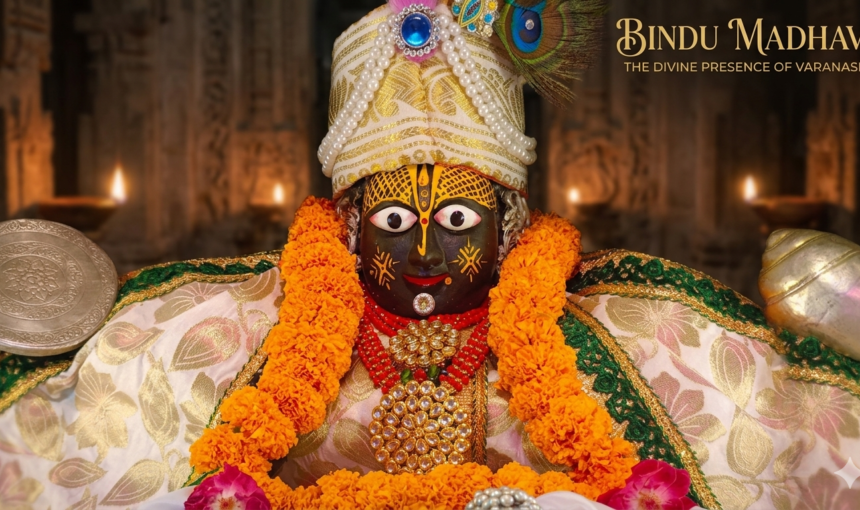
Bindu Madhav Temple, a revered spiritual site nestled in the ancient city of Varanasi, holds significant cultural and religious importance within the Hindu community. This temple is dedicated to Lord Vishnu, one of the principal deities of Hinduism, revered as the protector and preserver of the universe. It stands as a testament to the deep spiritual legacy that Varanasi embodies, attracting countless pilgrims and tourists seeking both spiritual solace and a glimpse into its rich historical backdrop.
The legend surrounding Bindu Madhav Temple narrates that the deity enshrined here is believed to have been established by the sage Vasishtha, who performed a significant ritual to invoke Lord Vishnu’s divine presence. It is said that the point where the temple is located is marked as a sacred confluence of the sacred rivers Ganges and Vindyavasini, enhancing its reverence among devotees. Furthermore, another tale recounts that the temple acts as a pilgrimage’s final destination for those seeking liberation, reflecting the age-old belief in Varanasi as a gateway to spiritual enlightenment and moksha (liberation from the cycle of birth and death).
Historically, Bindu Madhav Temple has been a hub for philosophical discussions and religious gatherings, further establishing its significance. The temple architecture, with its intricate carvings and vibrant colors, speaks volumes about the era in which it was constructed, illustrating the artistic mastery of ancient Indian craftsmen. Every year, numerous festivals and rituals take place, fostering a sense of community among visitors and local residents alike. As one explores the precincts of this sacred site, the atmosphere is infused with the reverberating chants and the spirituality that thrives within its walls, making Bindu Madhav Temple an essential stop for anyone visiting Varanasi.
History of Bindu Madhav Temple
The Bindu Madhav Temple, located in Varanasi, possesses a rich historical heritage that dates back several centuries. It is primarily dedicated to Lord Vishnu, one of the principal deities in Hinduism. The temple is believed to have been constructed in the 10th Century, although various accounts suggest earlier origins linked to mythical depictions and local folklore surrounding this sacred site.
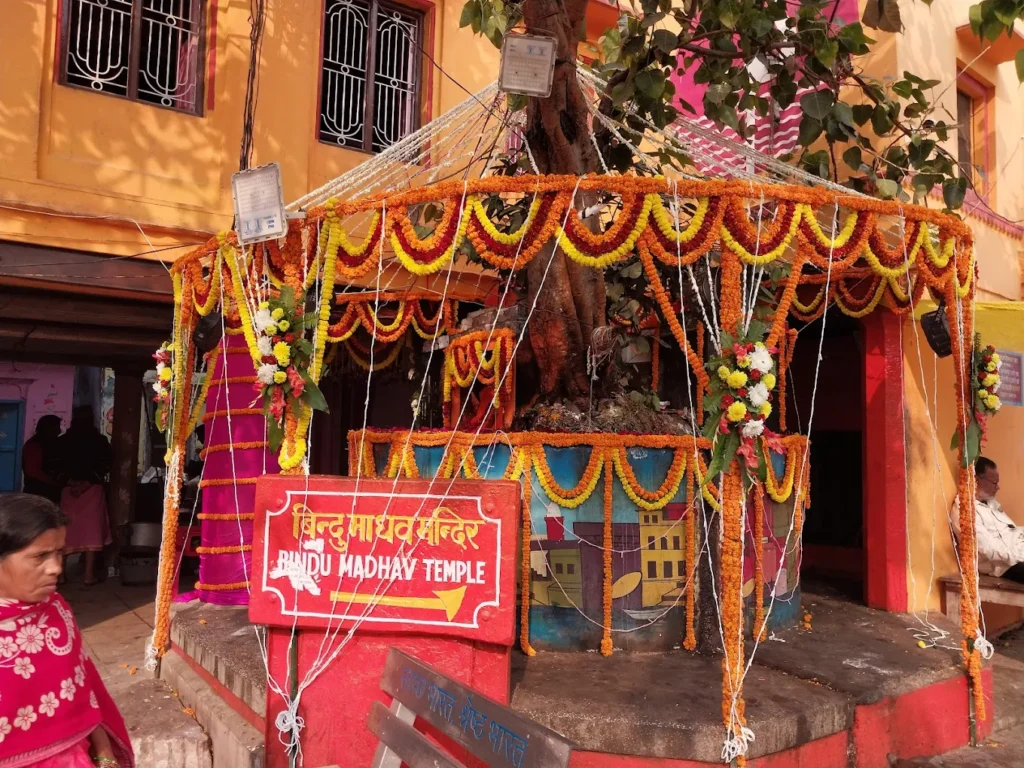
Architecturally, the temple exhibits a blend of traditional Indian style with intricate carvings that showcase the craftsmanship of the period. The temple’s design features a towering shikhara (spire) adorned with ornate sculptures and motifs that are emblematic of the architectural style flourishing during its inception. This architectural influence has been shaped by various dynasties, including the Marathas, who played a pivotal role in restoring and enhancing the temple during the 18th Century.
Over the years, the Bindu Madhav Temple has undergone several renovations and restorations, particularly following periods of neglect and natural calamities. Notably, in the 19th Century, significant efforts were made by local devotees and royal patrons to revitalize the temple’s structure and its surroundings. These renovations have not only preserved the temple’s physical integrity but have also perpetuated its spiritual significance within the community.
Furthermore, the temple is linked with various significant events in Varanasi’s history. These include festivals, religious congregations, and rituals that have attracted innumerable pilgrims and visitors seeking divine blessings. Historical figures, such as saints and scholars, have also been associated with the temple, enhancing its status as a center of spiritual learning and devotion. The confluence of historical significance and architectural charm continues to make the Bindu Madhav Temple an important landmark in Varanasi.
Book Hindu temples in Varanasi tour from Bangalore
Planning a spiritual journey? The Hindu temples in Varanasi tour from Bangalore is a perfect choice for devotees seeking divine blessings and a peaceful experience. This tour covers the most sacred temples in Varanasi, including the famous Kashi Vishwanath Temple, along with visits to important ghats and participation in the mesmerizing Ganga Aarti.
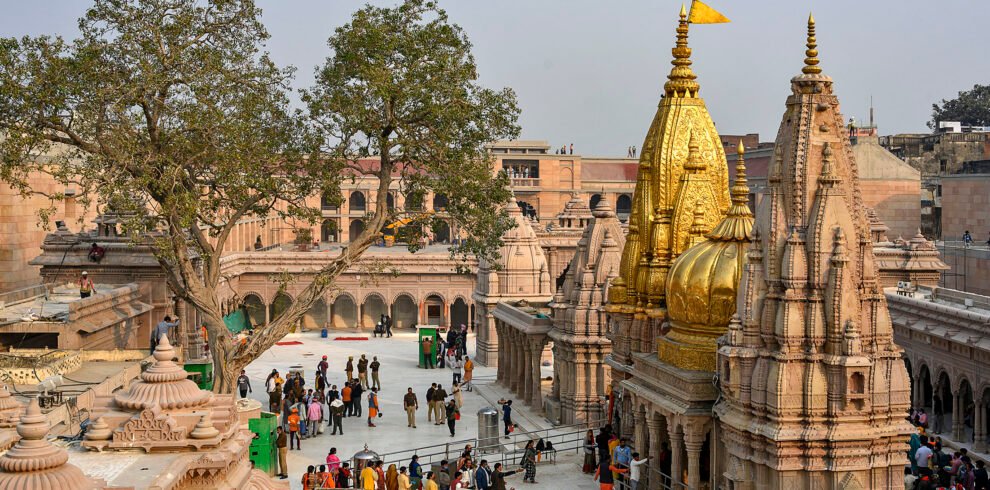
Experience divine bliss with our Kashi Ayodhya Tour Package from Bangalore 4N/5D, designed by Seven Sands Tourism for devotees seeking…
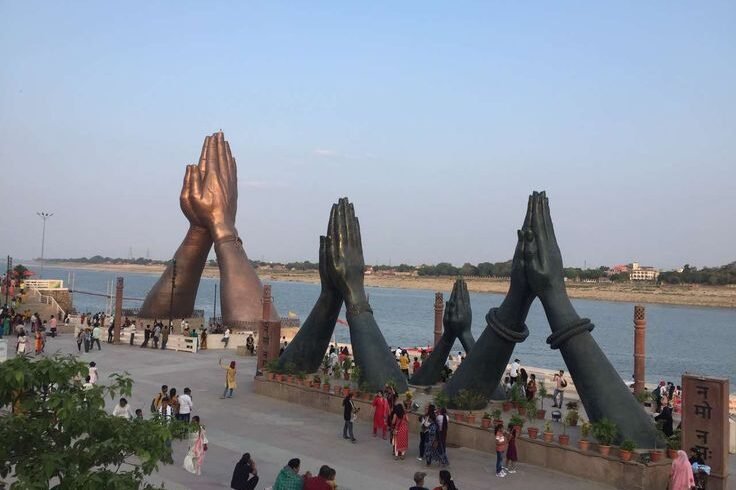
Divine Kashi & Ayodhya Tour from Bangalore – 4 Days Spiritual Journey with Seven Sands Tourism India is a land…
The tour usually takes 3 to 5 days, with convenient travel options like direct flights from Bangalore to Varanasi. Packages include hotel stay, local transport, guided temple visits, and darshan assistance, ensuring a smooth and comfortable pilgrimage. Devotees can also explore nearby spiritual spots and experience the rich culture of Kashi.
With Seven Sands Tourism, you get well-organized itineraries, affordable pricing, and complete support for a hassle-free journey. Whether traveling solo, with family, or in a group, this tour offers a deeply fulfilling spiritual experience.
👉 Book your Varanasi temple tour from Bangalore with Seven Sands Tourism for the best price and a memorable divine trip.
Architectural Features of Bindu Madhav Temple
The Bindu Madhav Temple in Varanasi is a remarkable embodiment of traditional Hindu architecture, showcasing intricate design elements that reflect the rich cultural heritage of the region. The temple’s layout is typically north-facing, which aligns with ancient Hindu architectural principles, allowing for optimal sunlight to illuminate the sacred spaces within. This strategic orientation enhances the spiritual ambiance, inviting the faithful to engage with the divine.
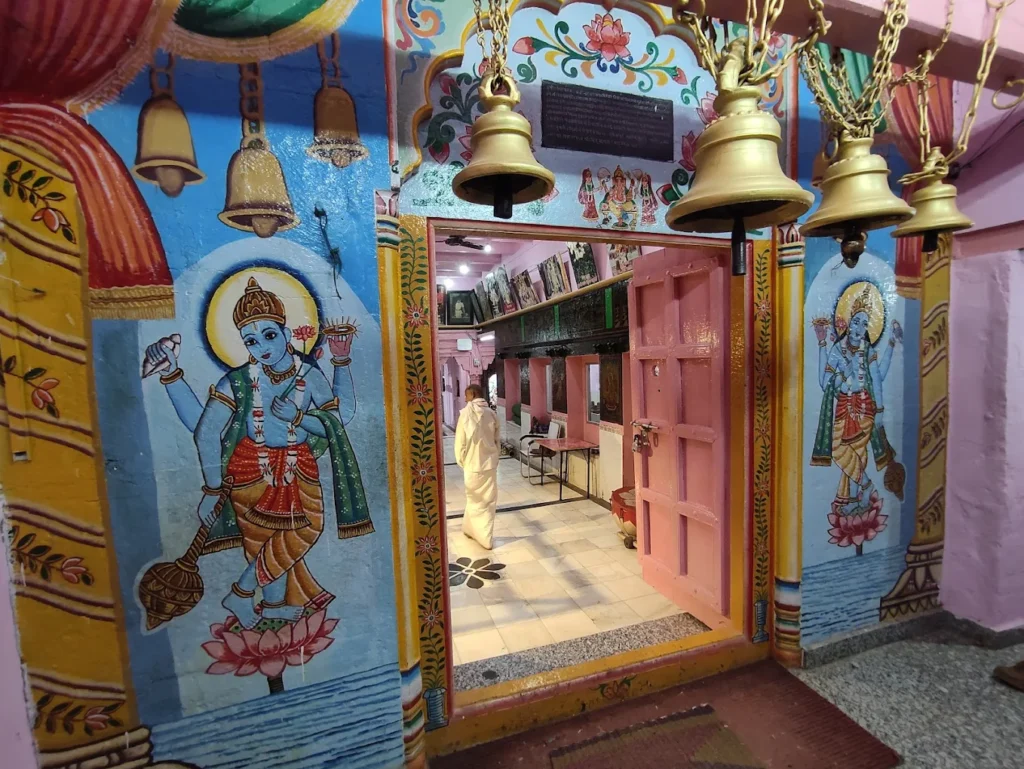
One of the most striking aspects of the temple’s architecture is its elaborate carvings. The walls are adorned with numerous sculptures that depict various deities, mythological scenes, and floral motifs, showcasing the artistic prowess of the artisans who constructed the temple. These detailed carvings not only serve an aesthetic purpose but also narrate stories from Hindu mythology, making the temple a rich tapestry of spiritual and artistic expression.
The temple complex is designed to accommodate a large number of visitors, featuring spacious courtyards and well-defined pathways that guide devotees through the sanctum to the central shrine. The inner sanctum houses a revered idol of Lord Vishnu, which is the focal point of worship. Surrounding the main idol are other smaller shrines dedicated to various gods and goddesses, reflecting the composite nature of Hindu worship.
In addition to its extensive ornamentation, the Bindu Madhav Temple features a blend of architectural styles, harmonizing elements from various traditional forms prevalent in Varanasi. Its pagoda-like spires, or shikharas, rise majestically against the skyline, contributing to the temple’s prominence. The use of locally sourced sandstone further enhances its uniqueness, with the natural color complementing the overall aesthetic appeal. This harmonious blend of aesthetics and devotion makes Bindu Madhav Temple a significant historical and cultural landmark in Varanasi.
Festivals and Celebrations at Bindu Madhav Temple
Bindu Madhav Temple in Varanasi, dedicated to Lord Vishnu, serves as a significant religious and cultural hub, hosting a plethora of festivals and celebrations throughout the year. These events not only attract numerous devotees but also exemplify the rich tapestry of traditions and cultural practices embedded in the local community.
One of the prominent festivals celebrated at the temple is Vaikuntha Ekadashi, which is deeply revered by followers of Vaishnavism. Observed during the eleventh lunar day of the Shukla Paksha in the month of Paush, devotees gather to offer their prayers and perform rituals, including fasting and reciting devotional hymns. This festival symbolizes the entrance to the heavenly abode, and the temple often sees heightened spiritual fervor during this time.
The Rath Yatra or Chariot Festival is another significant celebration, attracting thousands of pilgrims and tourists alike. Lord Vishnu is showcased in a grand procession, traveling in a beautifully decorated chariot. The event features traditional music, dance, and vibrant street performances, reflecting the effervescent spirit of the local populace. The divine journey signifies festivity and communal unity, acting as a reminder of shared faith and cultural heritage.
Additionally, the Navaratri festival includes special prayers and rituals at Bindu Madhav Temple, particularly worshipping Goddess Durga, another essential aspect of Hindu worship. Devotees engage in night-long prayers, cultural programs, and bhajan sessions to celebrate the triumph of good over evil, diverging into a myriad of local traditions unique to Varanasi.
These festivals represent not only the religious significance of the temple but also embody the vibrant local culture, fostering a sense of community among devotees. By participating in these celebrations, individuals from various walks of life come together, reinforcing the values of unity, spirituality, and cultural pride.
Visiting Bindu Madhav Temple: What to Expect
Bindu Madhav Temple, nestled in the sacred city of Varanasi, welcomes visitors to explore its spiritual heritage and vibrant atmosphere. The temple is open to devotees and tourists alike, with visiting hours typically from 5:00 AM to 12:00 PM and 4:00 PM to 9:00 PM. It is advisable to arrive early in the morning to enjoy a peaceful experience, as the temple tends to be less crowded during these hours.
When visiting Bindu Madhav Temple, adhering to a modest dress code is essential. Visitors should dress conservatively; men are encouraged to wear long pants and shirts with sleeves, while women should opt for long skirts or dresses and cover their shoulders. This ensures respect for the temple’s sacred ambiance and the sentiments of fellow worshippers.
As a visitor, it is crucial to maintain decorum within the temple premises. Silence or soft spoken conversations are encouraged to preserve the tranquil environment conducive to worship. Photography is often restricted inside the main sanctum, hence it is best to seek permission before capturing images. Visitors should also refrain from touching the idols and should respect the rituals being performed by the priests.
One must be aware of local customs, including the practice of removing shoes before entering the temple. Many devotees engage in offerings of flowers and fruits, which can be an enriching experience for visitors; participating in this can enhance one’s appreciation of the local culture. Engaging with the priests can provide deeper insights into the temple’s significance and the deities worshipped therein. Overall, a visit to Bindu Madhav Temple promises a blend of spirituality, culture, and the scenic beauty of Varanasi, making your trip memorable and uplifting.
How to Reach Bindu Madhav Temple
Reaching Bindu Madhav Temple, an important pilgrimage site in Varanasi, can be approached via various modes of transportation, catering to the preferences of different travelers. Situated approximately 6 kilometers from the Varanasi Railway Station, the temple is easily accessible by both public and private transport.
For visitors using public transport, the Varanasi city bus service offers affordable options that frequently run routes towards the temple area. Buses are well-connected from major points in the city, enabling easy access from various neighborhoods. Alternatively, auto-rickshaws and cycle-rickshaws are widely available and provide a more direct and personalized mode of conveyance, allowing travelers to navigate the bustling streets of Varanasi smoothly.
Those choosing to travel by private vehicle will find ample parking facilities near the temple premises. Utilizing a private car or bike presents an excellent opportunity to explore the surrounding landmarks, including the historical Gyanvapi Mosque and the revered Kashi Vishwanath Temple. Various GPS applications can guide travelers along the fastest and most convenient routes to the temple.
For those interested in arranging accommodations, numerous hotels and guesthouses are situated within a short distance of the temple, offering various price ranges to suit different budgets. Staying nearby not only enhances convenience but also allows visitors to immerse themselves in the spiritual atmosphere Varanasi has to offer.
Ultimately, regardless of the chosen mode of transport, reaching the Bindu Madhav Temple can be a straightforward and pleasant experience, allowing travelers to enjoy both the journey and the destination itself.
Nearby Attractions to Explore
After visiting the Bindu Madhav Temple, there are numerous nearby attractions in Varanasi that offer a blend of cultural, historical, and recreational experiences. One of the prominent sites is the Kashi Vishwanath Temple, famous for its magnificent architecture and significance in Hindu spirituality. It is dedicated to Lord Shiva and is one of the twelve Jyotirlingas, attracting thousands of devotees and tourists. The temple’s intricate designs and vibrant atmosphere provide a memorable experience for all visitors.
Another landmark worth exploring is the Ganga Ghats, specifically the Dashashwamedh Ghat, renowned for its captivating Ganga Aarti ceremony. This spectacle, held every evening, features the rhythmic chanting of prayers juxtaposed with the glowing lights of oil lamps, creating an enchanting ambiance. Visitors can witness the devotion of locals and tourists alike as they gather along the banks of the Ganges River.
For those interested in history, the Banaras Hindu University (BHU) is a must-visit. Established in 1916, BHU encompasses beautiful architecture and extensive gardens. The university often hosts cultural events, exhibitions, and lectures, providing insight into the rich academic heritage of India. The Bharat Kala Bhavan museum within the university houses an impressive collection of artifacts, paintings, and sculptures, further enriching the historical significance of the visit.
If seeking a more serene experience, the Sarnath, located a short distance from Varanasi, serves as an important Buddhist pilgrimage site. Here, visitors can explore the Dhamek Stupa and various archaeological remnants that mark the spot where Buddha delivered his first sermon after enlightenment. The peaceful surroundings offer a reflective atmosphere ideal for contemplation.
Lastly, indulging in the local culinary scene at Chaat Bhandar or Blue Lassi Shop can enhance the travel experience. These renowned establishments offer a variety of traditional snacks and refreshing drinks, allowing visitors to savor the flavors of Varanasi.
Tips for Travelers Planning to Visit Bindu Madhav Temple
Visiting the Bindu Madhav Temple in Varanasi is a rich spiritual experience, and planning your trip can greatly enhance that experience. To make the most of your visit, consider the following tips.
Firstly, the ideal time to visit the temple is during the early morning hours, particularly around dawn. This time offers a peaceful ambiance, allowing travelers to immerse themselves in the serene atmosphere of the temple. Additionally, visiting during the winter months, from October to February, can assure a more comfortable climate compared to the sweltering heat of summer.
When packing for your visit, ensure that you bring essentials such as comfortable footwear, as exploring the temple complex typically involves considerable walking. It’s also wise to carry a reusable water bottle for hydration. If you enjoy photography, taking a camera or smartphone is beneficial; however, be mindful of the temple’s guidelines regarding photography, particularly in restricted areas. Generally, capturing the temple’s architecture and vibrant surroundings is welcomed.
Safety is of utmost importance; therefore, remain vigilant of your surroundings, especially when it is crowded. It is advisable to keep your valuables secure and avoid displaying expensive items openly. Keep in mind that the temple can become quite busy during major religious festivals, which might not be the best time for a casual visit.
While you are in Varanasi, do not miss the opportunity to indulge in the local cuisine. Try the famed street foods like chaat, kachoris, and the sweet treat known as lassi. Furthermore, for souvenirs, there are many local shops where you can find traditional items, such as handwoven fabrics and rich silk saris, which could serve as a memorable memento from your trip to the Bindu Madhav Temple.
Conclusion: The Spiritual Experience at Bindu Madhav Temple
Visiting the Bindu Madhav Temple in Varanasi offers a unique spiritual experience for both dedicated devotees and casual travelers. This revered site is not only a place of worship but also a refuge where visitors can find tranquility and a deeper connection to their spiritual selves. The temple beautifully embodies the rich cultural heritage and history of Varanasi, serving as a critical point of interest for anyone wishing to immerse themselves in the local traditions and rituals.
As spiritual seekers gather at Bindu Madhav Temple, they engage in practices that encourage reflection and personal growth. The serene environment fosters an atmosphere conducive to meditation and prayer, allowing individuals to step away from the tumult of daily life and seek inner peace. The rituals performed by the temple priests add to the profound spiritual experience, creating a rich tapestry of sounds, sights, and divine presence that resonates deeply with visitors.
Moreover, the vibrant community surrounding the temple enriches the experience, providing travelers with opportunities to interact with locals and partake in age-old traditions. The warmth of the residents, combined with the historical significance of the temple, enhances the overall visit. For anyone interested in the spiritual and cultural landscapes of India, Bindu Madhav Temple is a must-visit destination.
In conclusion, the value of experiencing such sacred spaces cannot be overstated. Encounters like those offered at Bindu Madhav Temple are pivotal in nurturing a sense of belonging and understanding, bridging the gap between travelers and the rich spiritual tapestry of Varanasi. Embrace the opportunity to visit this remarkable temple and allow its profound energy to leave an indelible mark on your journey.