
Introduction to Kailash Mansarovar Yatra
The Kailash Mansarovar Yatra is a revered pilgrimage that attracts devotees from various spiritual backgrounds, particularly within Hinduism and Buddhism. This journey is not merely a travel expedition; it is a quest for spiritual enlightenment and self-discovery. Mount Kailash, often referred to as the axis mundi or the center of the universe, holds immense significance in these faiths. For Hindus, it is considered the abode of Lord Shiva, a deity synonymous with asceticism and meditation. Buddhists, too, regard the mountain as sacred, associating it with several profound teachings of the Buddha.
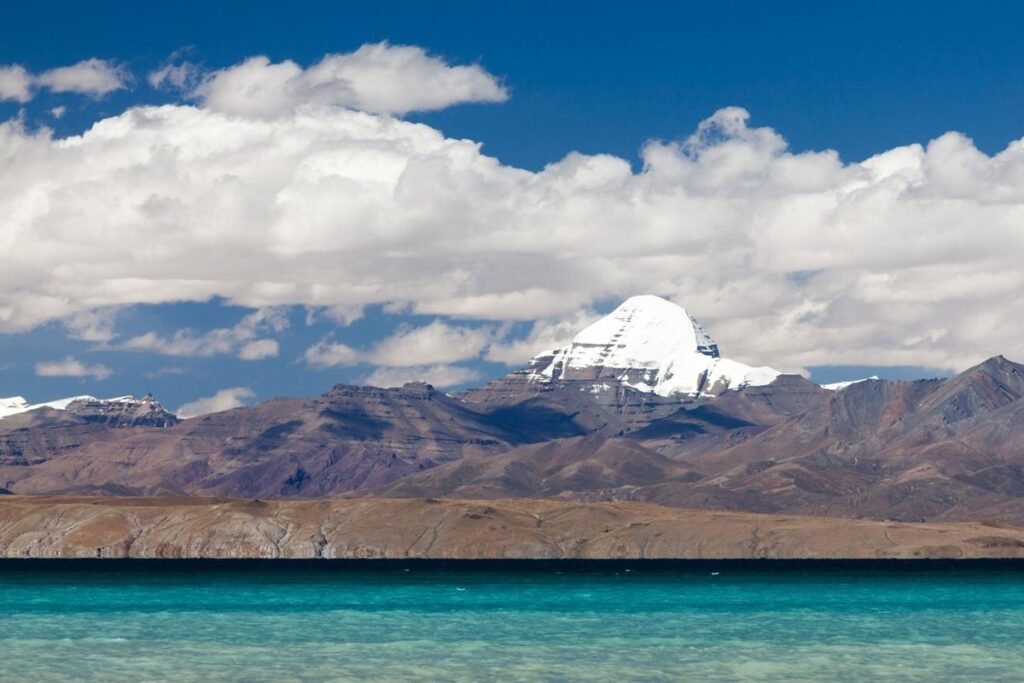
Lake Mansarovar, located near Mount Kailash, complements the mountainous landscape with its tranquil waters, believed to have purifying properties. Pilgrims perform rituals at its shores, seeking spiritual purification before the arduous trek around the holy mountain. The act of circumambulating Mount Kailash, known as “kora,” is an integral part of the Yatra, symbolizing the cyclical nature of life and the pursuit of spiritual goals.
The journey to Kailash Mansarovar is steeped in tradition, with stories and myths enhancing the area’s legendary status. Pilgrims undertake this Yatra with the hope of attaining moksha or liberation from the cycle of rebirth. The transformative power of the pilgrimage is not only physical but deeply spiritual. Each participant embarks on an individual journey, yet they are united in their purpose: to seek answers, blessings, and a deeper connection with the divine.
Thus, the Kailash Mansarovar Yatra stands as a testament to the enduring faith and spiritual curiosity of countless individuals. It invites those who are willing to confront their innermost fears and aspirations, enduring hardships for a glimpse of the profound enlightenment that awaits them at journey’s end. As such, this pilgrimage continues to be a central aspect of spiritual practice for many, underscoring its lasting importance in the religious landscape.
Kailash Manasa Sarovar Yatra & Trip – A Complete Spiritual Travel Guide
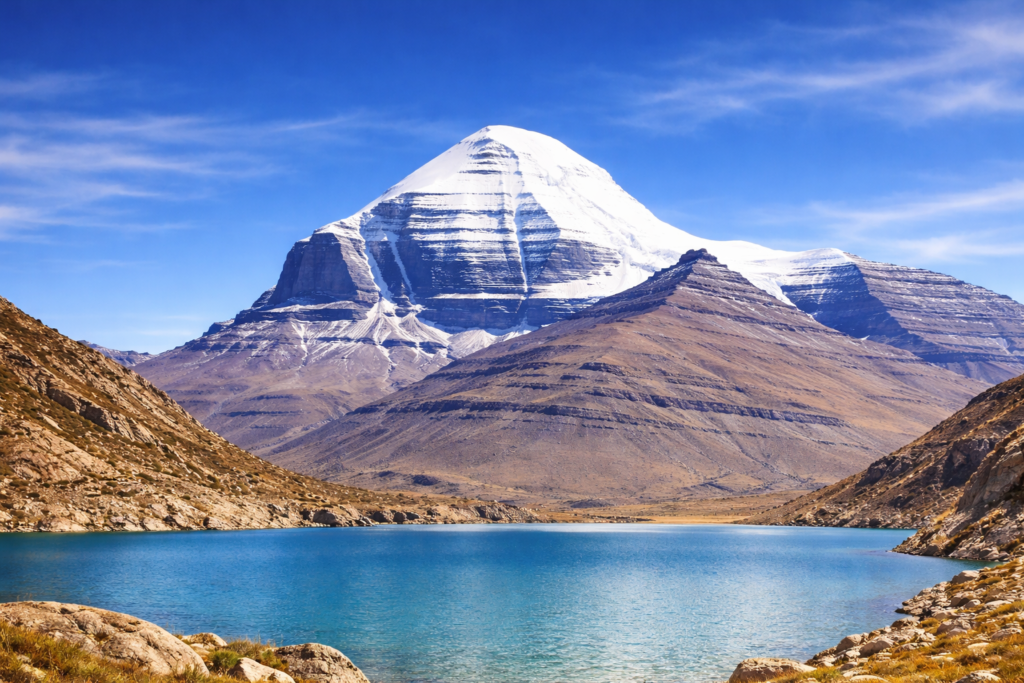
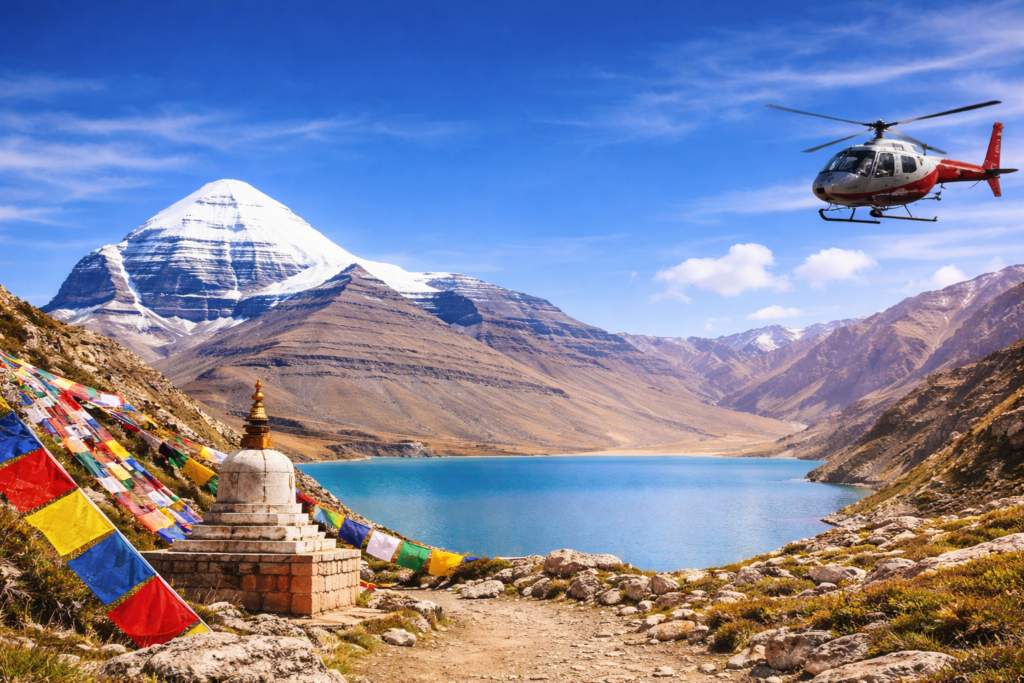
A journey to the sacred Mansarovar Lake, near the divine Mount Kailash, is considered one of the most powerful spiritual experiences in the world. The Manasa Sarovara Yatra is not just a trip but a deeply meaningful pilgrimage where devotees seek purification, peace, and blessings. This journey usually takes around 10–14 days and involves travel through Nepal or Tibet, along with rituals like holy bathing and parikrama.
With trusted support from Seven Sands Tourism, travelers can complete this high-altitude pilgrimage with proper guidance, safety, and comfort. From permits and accommodation to meals and travel arrangements, everything is managed to ensure a smooth experience. The Manasa Sarovara trip is ideal for those looking to combine devotion with adventure, offering a once-in-a-lifetime opportunity to connect with nature, spirituality, and inner peace.
Overview of the Yatra: Duration, Routes, and Costs
The Kailash Mansarovar Yatra is a revered pilgrimage journey that can typically span from 10 to 14 days, depending on the chosen route and itinerary. Pilgrims often have the option to embark on this sacred journey via two primary routes: through Nepal or China. Each route has its unique offerings and challenges, catering to the spiritual needs of the devotees.
The most common starting point for the Yatra is Kathmandu, Nepal, where several travel agencies offer well-structured packages. Alternatively, travelers can also begin their journey from Lucknow, India, from where they can connect to the Nepal route. The route taken through the Lipulekh Pass into Tibet provides a different perspective of the mountainous terrains and cultural experiences.
The journey to Kailash Mansarovar is generally rated as moderately challenging. The high altitude and rugged terrain can pose difficulties for some pilgrims; hence, physical fitness plays a vital role in preparing for the Yatra. It is crucial for travelers to acclimatize properly to avoid altitude sickness, which is a common concern during the expedition.
The best time to undertake the Kailash Mansarovar Yatra is typically during the summer months, from May to September, when the weather is more favorable and the pathways are accessible. This period allows pilgrims to experience the beauty of the Himalayas in relatively milder conditions.
Regarding costs, the average expense for the complete Yatra can range from approximately , depending on several factors such as the chosen route, inclusions in the package, and the time of booking. It’s advisable to compare different travel packages and what they entail to ensure a meaningful spiritual journey to this sacred site.
What is Kailash Yatra?
Kailash Yatra, a revered pilgrimage, draws thousands of devotees each year to the majestic Mount Kailash and the serene Mansarovar Lake, located in Tibet, China. This pilgrimage is not merely a physical journey; it is a profound spiritual quest that holds significant importance for adherents of various faiths, including Hinduism, Buddhism, Jainism, and Bon. Mount Kailash is considered the abode of Lord Shiva, and the journey to this sacred destination is steeped in a rich tapestry of religious rituals and cultural experiences.
Travelers participating in the Kailash Yatra can expect a deeply transformative experience, characterized by an intricate blend of spiritual practices and natural beauty. The journey typically begins with rituals, including offerings and prayers, performed at the foothills of Mount Kailash. As the pilgrims ascend, they engage in various religious observances that enhance their spiritual connection to the site. Many devotees partake in parikramas, the ritual circumambulation of Mount Kailash, which is believed to cleanse the soul and bring about mental and physical healing.
The cultural experiences during the Kailash Yatra further enrich the pilgrimage. Participants often learn about the local customs, rituals, and traditions of the region, leading to a deeper appreciation of the cultural heritage surrounding Mount Kailash. The breathtaking landscape, which includes snow-capped peaks and pristine lakes, provides a compelling backdrop for introspection and spiritual renewal. For many, the journey to Mansarovar Lake serves as a place for meditation and contemplation, deepening the experience of divine connection.
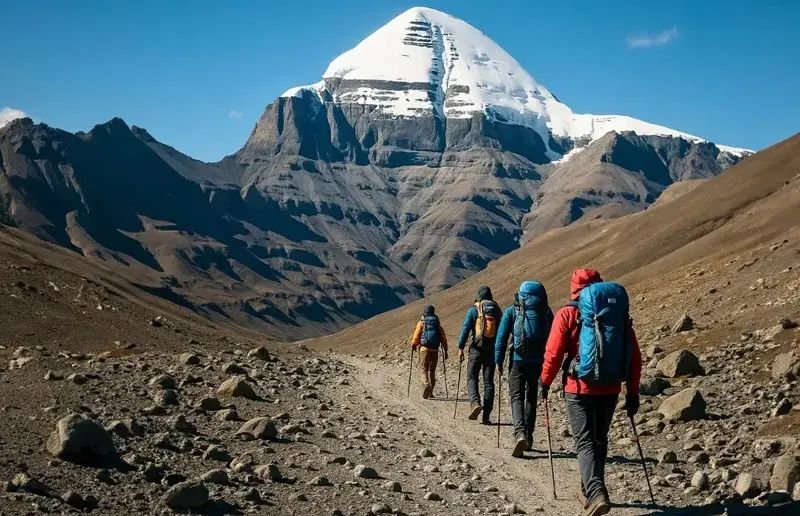
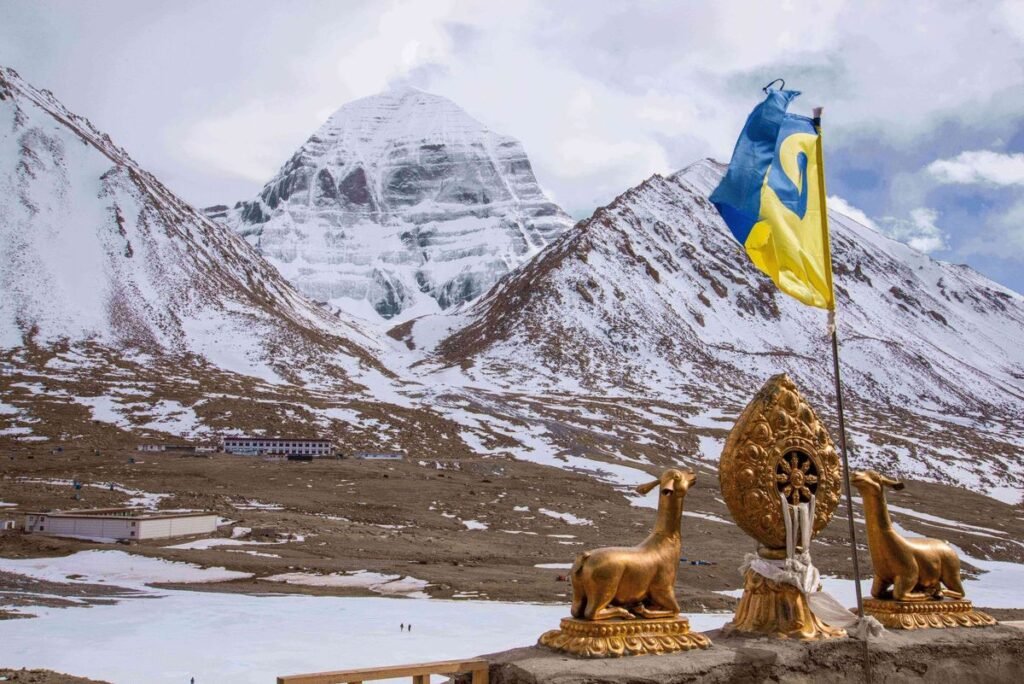
Ultimately, the Kailash Yatra is about more than just reaching a destination; it is an opportunity for seekers to embark on a spiritual journey that promises to leave an indelible mark on their lives and souls.
Types of Kailash Mansarovar Yatra Packages
The Kailash Mansarovar Yatra, a spiritually enriching pilgrimage, offers a variety of packages to cater to different preferences and budgets. Each package is designed with specific features, allowing travelers to choose the one that aligns best with their needs. Here are some notable types of Yatra packages available:
Helicopter Tours: These packages are designed for travelers seeking a quick and comfortable pilgrimage experience. The itineraries typically include helicopter rides from Kathmandu to the base camp, significantly reducing travel time. Helicopter tours are ideal for those who may have limited time or desire an easier journey to the sacred site. In addition, they often provide additional amenities such as guide services and accommodation, ensuring a hassle-free experience.
Overland Journeys: This package is more suited for adventurers who value the experience of traveling through the stunning landscapes of Tibet. Overland journeys typically involve road trips from Nepal, allowing participants to engage fully with the local culture and surroundings. While these trips are longer than helicopter tours, they cater to those looking for a unique travel experience and the opportunity to visit several sites along the way.
Group Tours: These packages facilitate travel with like-minded individuals, fostering a sense of community during the pilgrimage. Generally more economical, group tours tend to offer a more guided experience, making logistics easier for participants. Group tours can be customized to include various attractions and experiences, which can deepen the spiritual journey.
Private Expeditions: For those who prefer a more personalized experience, private expeditions allow for a tailor-made itinerary. Travelers can choose their preferred days, travel pace, and other arrangements, ensuring a comfortable pilgrimage without the constraints of a set schedule. This option is particularly well-suited for families or groups seeking intimacy and flexibility during their journey to Kailash Mansarovar.
Overall, the diversity of Kailash Mansarovar Yatra packages ensures that every traveler can find an option that suits their preferences and spiritual aspirations.
Day-wise Itinerary for Kailash Mansarovar Yatra
The Kailash Mansarovar Yatra is a profound spiritual journey that offers a blend of breathtaking landscapes and religious significance. This itinerary outlines the key activities involved in your pilgrimage, ensuring an enriching experience each day as you traverse this sacred path.
Day 1: Arrival in Kathmandu
The journey commences in Kathmandu, where pilgrims will assemble. Participants will be welcomed and briefed on the Yatra. A night spent in Kathmandu allows travelers to acclimatize and enjoy the vibrant culture of Nepal before embarking on the adventure.
Day 2: Kathmandu to Nepalgunj
Early in the morning, departure to Nepalgunj is planned by air, followed by an overnight stay. The flight offers scenic views of the Himalayan ranges, and participants can enjoy local cuisine and hospitality while preparing themselves spiritually and physically.
Day 3: Nepalgunj to Simikot
A short flight to Simikot reveals the rugged terrain of Nepal. Upon arrival, participants will prepare for the border crossing into Tibet. The day’s activities will include necessary immigration procedures and orientation for the journey ahead.
Day 4: Simikot to Taklakot
Pilgrims will cross the border into Tibet (Taklakot) today. Participants should expect to go through customs and immigration, followed by an acclimatization day to adjust to the altitude.
Day 5: Taklakot to Mansarovar Lake
The journey continues to Mansarovar Lake. Here, the first glimpse of the holy lake will leave an indelible impression. It is a day dedicated to the rituals of purification and offering respect at this sacred site.
Day 6: Mansarovar to Darchen
Departing from Mansarovar, the pilgrimage heads towards Darchen, the base camp for the parikrama (circumambulation) of Mount Kailash. Pilgrims will participate in various spiritual activities and prepare for the trek that follows.
Day 7-9: Mount Kailash Parikrama
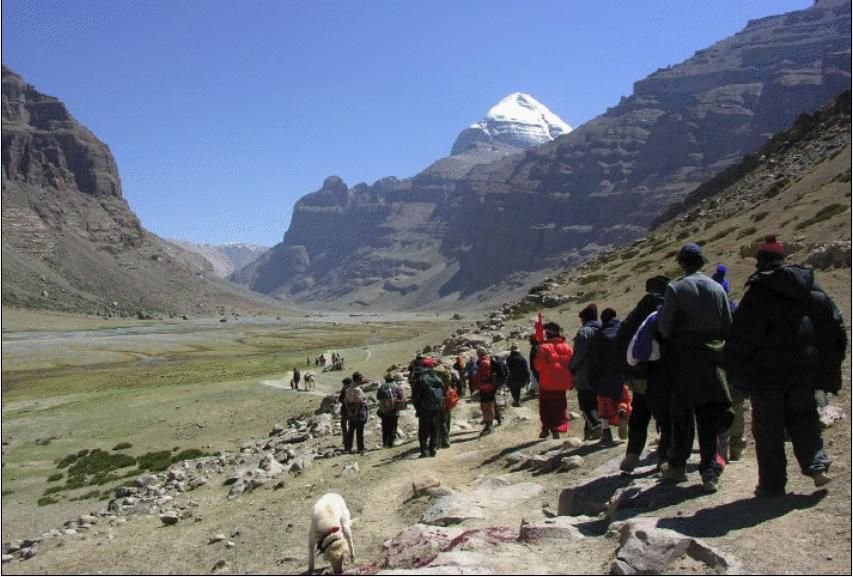
The parikrama begins, with participants trekking around Mount Kailash. Each day involves strenuous physical activity, but it is spiritually rewarding, with opportunities to reflect and engage in prayer along the way. Key sites such as Yam Dwar and the traditional rituals offered here enrich the experience.
Day 10: Trek back and return to Darchen
Completion of the parikrama leads back to Darchen, where pilgrims can rest and reflect on their profound experiences over the previous days.
Day 11: Drive back to Mansarovar
After descending from Darchen, travelers will journey back to Mansarovar, where further rituals and celebrations take place, culminating the spiritual aspect of the Yatra.
Day 12: Mansarovar to Taklakot
The return journey towards Taklakot offers more time for reflection and bonding with fellow pilgrims. Participants will gather for a final evening sharing experiences of their spiritual journey.
Day 13: Taklakot to Simikot, then return to Kathmandu
Travelers will make the return trip via Simikot, leading back to Kathmandu. The day will conclude with a farewell dinner, sharing thoughts on the life-changing experiences forged during the Yatra.
Day 14: Departure
After breakfast, pilgrims will make their way to the airport for their departure from Kathmandu, leaving with memories of spiritual awakening and stunning Himalayan beauty.
Cost of Kailash Mansarovar Yatra Packages
The Kailash Mansarovar Yatra is a spiritual pilgrimage that holds immense significance for many devotees. However, planning for this journey necessitates an understanding of the associated costs. The expenses for various yatra packages can vary considerably based on inclusions and exclusions, making it vital for travelers to assess their options carefully.
Typically, Kailash Mansarovar Yatra packages range from moderate to premium budgets. The standard packages often include essential components such as travel permits, accommodations, meals, and the services of experienced guides. It is crucial to note that while some travel agencies offer comprehensive packages, others might delineate their costs more strictly, leaving travelers responsible for specific expenses.
Specifically, most packages will cover the cost of transportation to the starting point of the yatra, along with necessary permits required for crossing the border. Additionally, accommodations during the journey — whether in basic lodges or more comfortable hotels — can significantly impact the overall cost of the pilgrimage. Meals are frequently included, although the quality and variety might fluctuate depending on the package level chosen.
Beyond the primary inclusions, pilgrims should also be aware of additional costs that may arise. Services such as oxygen cylinders, ponies for carrying luggage, or porters to assist with personal items can elevate the total budget. Travelers should inquire about these additional services before finalizing their packages to ensure they remain informed about potential extra expenses.
In summary, when planning a Kailash Mansarovar Yatra, it is essential for travelers to thoroughly review and compare various package options. Understanding the cost breakdown helps to prepare financially for this sacred journey, allowing for a smoother pilgrimage experience.
Kailash Mansarovar Yatra Dates and Travel Seasons
The Kailash Mansarovar Yatra is a renowned pilgrimage that attracts thousands of devotees and spiritual seekers each year. To embark on this auspicious journey, it is essential to be aware of the specific dates and travel seasons designated for the Yatra. Generally, the pilgrimage season opens in May and runs until September, with the peak travel period occurring during the summer months. During this time, the weather conditions are typically more favorable, providing a more pleasant experience for travelers.
The best months to plan the Kailash Mansarovar Yatra are from late May to early July. At this time, the weather is generally mild, with clear skies and manageable temperatures, making it optimal for trekking and sightseeing. As July progresses, the chances of monsoon rains increase, leading to potentially slippery trails and challenging conditions. Therefore, pilgrims should consider scheduling their journey before the onset of heavy rains to ensure a safer and more comfortable Yatra.
It’s important to note that August also sees an influx of devotees, coinciding with the auspicious occasion of Raksha Bandhan, which may lead to overcrowding. Those planning their pilgrimage around this time should book accommodations and transportation well in advance. To avoid the peak travel rush, travelers are encouraged to consider visiting during the shoulder months of early May or late September, which, while potentially cooler, can offer a more serene experience away from large crowds.
In light of the above information, meticulous planning is key to a successful Kailash Mansarovar Yatra. Assessing personal preferences regarding weather conditions, travel durations, and peak periods can help in making informed decisions, thereby enhancing the overall sacred experience of this spiritual journey.
Booking Guide for Kailash Mansarovar Yatra
Embarking on the Kailash Mansarovar Yatra is a profound spiritual experience that requires careful planning and coordination. To facilitate a smooth booking process for your journey, it is essential to understand the necessary documents, medical requirements, and booking steps involved.
First and foremost, ensure that you possess a valid passport and visa. The passport must remain valid for at least six months beyond your intended return date. Additionally, the Indian government mandates a special permit for Tibet, which can be organized through travel agents specializing in the Kailash Mansarovar Yatra. It is advisable to initiate the visa application process early, as processing times may vary.
Medical fitness is a crucial aspect of preparing for the Yatra. Participants should obtain a medical fitness certificate from a registered medical practitioner, confirming their ability to undertake high-altitude treks. Various health concerns, such as cardiovascular issues and altitude sickness, may arise during the pilgrimage, thus thorough medical evaluations are imperative.
The booking process typically commences several months before your intended pilgrimage. First, choose a reputable travel agency that offers Kailash Mansarovar Yatra packages. Research reviews and gather recommendations to ensure reliability. After selecting an agent, inquire about the specific package that fits your schedule and budget. Many agencies offer options that include travel, accommodation, and comprehensive support during the journey.
Once you settle on a package, complete the necessary booking form, and submit your identification documents, medical certificate, and initial deposit as requested. It is advisable to understand the payment policy, focusing on cancellation and refund regulations. After your reservation is secured, ongoing communication with your travel agent will be key for updates regarding the journey, including any travel advisories.
This thorough preparation coupled with comprehensive understanding of the booking process ensures that the spiritual journey of the Kailash Mansarovar Yatra is as fulfilling as it is smooth.
Preparation Tips and Practical Travel Advice
The Kailash Mansarovar Yatra is a sacred pilgrimage that offers both spiritual elevation and physical challenges. The difficulty level of this journey should not be underestimated, as travelers may encounter varying terrains, steep ascents, and weather fluctuations. Preparation is key to ensure a successful and enjoyable pilgrimage, particularly when it comes to altitude acclimatization. The journey traverses altitudes exceeding 5,600 meters, which can pose health risks such as Acute Mountain Sickness (AMS). It is highly recommended for travelers to spend a few days at lower altitudes for acclimatization prior to beginning the trek.
A careful selection of gear and attire can greatly enhance the trekking experience. A comprehensive packing list should include essentials such as a sturdy pair of hiking boots, warm clothing layers—including thermal wear, waterproof jackets, and gloves—to combat the cold temperatures. A good quality backpack, sleeping bag suitable for colder climates, a water bottle, and sufficient food supplies are also vital. It is advisable to pack lightweight, energy-rich snacks that can be easily carried. Health precautions can’t be overlooked; it is crucial to carry a basic first-aid kit that includes altitude sickness medication, rehydration solutions, and any personal medications.
Additionally, staying hydrated and maintaining a balanced diet during the trek is important for physical stamina. Travelers should be aware of their health restrictions and consult with a healthcare provider before embarking on the journey. It is beneficial to engage in physical conditioning prior to the trek—activities like hiking, running, and cardio workouts can greatly improve endurance levels. Ensuring you have the proper gear, knowledge of possible altitude challenges, and physical training will greatly enhance the likelihood of a rewarding experience on this sacred pilgrimage.
Why Choose Seven Sands Tourism for Your Yatra
When embarking on the transformative journey of the Kailash Mansarovar Yatra, selecting the right travel partner is crucial. Seven Sands Tourism stands out as an optimal choice for several compelling reasons. With years of experience in organizing spiritual pilgrimages, we prioritize safety, comfort, and satisfaction for our clients.
Safety is paramount, especially when traversing challenging terrains such as those leading to Mount Kailash. Seven Sands Tourism implements stringent safety measures, including thorough pre-trip orientations and the provision of trained guides who are well-versed in the nuances of high-altitude trekking. Our team consistently monitors weather conditions and adjusts itineraries accordingly to ensure a seamless pilgrimage experience.
In addition to safety, our wealth of experience allows us to manage every aspect of the journey effectively. Our dedicated staff understands the needs of pilgrims and is committed to providing comprehensive travel support from the moment of booking through to the duration of the Yatra. This includes arranging comfortable accommodations, nutritious meals, and necessary transportation, which are all tailored to accommodate the distinct requirements of our clients.
Moreover, Seven Sands Tourism is known for its transparent booking policies and competitive pricing, ensuring that our clients can embark on their spiritual journey with confidence. Our customer-centric approach fosters a warm and supportive environment, making it easier for pilgrims to connect with their spiritual aspirations.
We encourage potential pilgrims to consider Seven Sands Tourism not just as a travel agency, but as a partner in their spiritual journey. With our commitment to safety, our expertise in managing the Kailash Mansarovar Yatra, and our comprehensive travel support, we make it possible to explore this sacred land with peace of mind and joyous expectation.
Table of Contents
Frequently Asked Questions (FAQs)
What is the cost of Kailash Mansarovar Yatra package from India?
The cost of a Kailash Mansarovar Yatra package from India usually ranges between ₹1.8 lakh to ₹4 lakh per person, depending on the route and travel mode. Seven Sands Tourism offers both helicopter and overland packages with complete support, making the journey comfortable and well-organized.
How difficult is Kailash Mansarovar Yatra for beginners?
Kailash Yatra is considered moderately to highly difficult due to high altitude and long travel days. Proper fitness and preparation are important. With guided support from Seven Sands Tourism, travelers get medical assistance, acclimatization time, and expert guidance to make the journey safer.
What is the best time to visit Kailash Mansarovar?
The best time for Kailash Mansarovar Yatra is between May and September when weather conditions are more stable and routes are open. Seven Sands Tourism schedules batches during this period to ensure a smooth and safe pilgrimage experience.
How many days are required for Kailash Mansarovar Yatra?
A complete Kailash Mansarovar Yatra typically takes 10 to 14 days, depending on the route and package selected. Seven Sands Tourism offers flexible itineraries that balance travel, rest, and spiritual activities for a better experience.
What documents are required for Kailash Mansarovar Yatra?
Travelers need a valid passport, visa, and special permits issued by authorities for Tibet travel. Medical fitness certificates are also required. Seven Sands Tourism assists with all documentation and approvals, making the booking process hassle-free.
Is Kailash Mansarovar Yatra safe for senior citizens?
Yes, the yatra can be safe for senior citizens if they are medically fit and choose the right package. Seven Sands Tourism provides senior-friendly itineraries, proper acclimatization, and on-ground support to ensure safety and comfort throughout the journey.
Which route is best for Kailash Mansarovar Yatra?
The Nepal route with helicopter option is the fastest and most comfortable, while the overland route is more budget-friendly and adventurous. Seven Sands Tourism helps travelers choose the best route based on budget, time, and fitness level.
How to book Kailash Mansarovar Yatra package?
You can book your Kailash Mansarovar Yatra package by contacting Seven Sands Tourism through their website or phone. Select your preferred dates and package, complete documentation, and confirm your booking with an advance payment.