
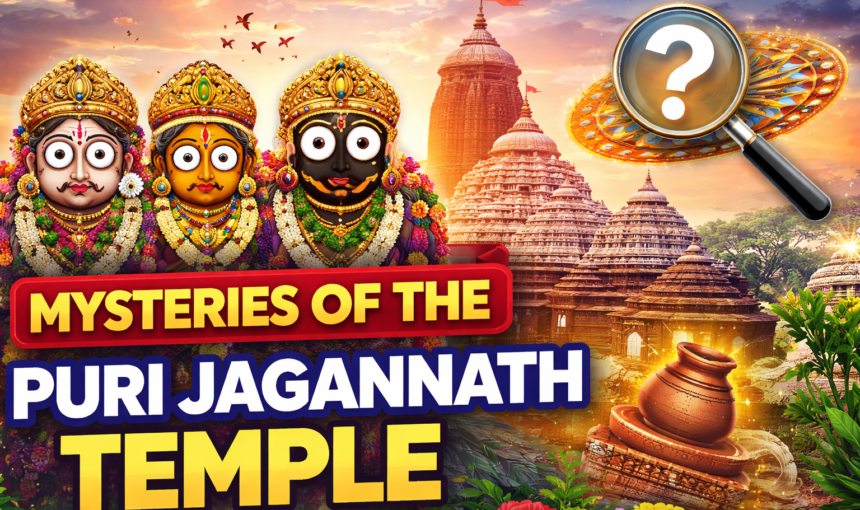
Introduction to Jagannath Puri Temple
Jagannath Puri Temple, located in the eastern state of Odisha, India, is renowned as one of the four Char Dham pilgrimage sites, making it a significant spiritual destination for millions of devotees. This coastal town is home to the revered Jagannath Temple, dedicated to Lord Jagannath, a form of Vishnu, and is considered a vital center of pilgrimage in Hindu culture. The temple not only attracts pilgrims but also serves as a beacon of rich history and vibrant culture.
The town’s unique geographical location, adjacent to the Bay of Bengal, enhances its allure, as visitors can experience the synthesis of spiritualism and natural beauty. The Jagannath Puri Temple’s architecture reflects traditional Kalinga styles, adorned with intricate carvings and towering spires, attracting both religious followers and architecture enthusiasts. The annual Ratha Yatra, or chariot festival, draws thousands of visitors, showcasing the deep-rooted traditions associated with Jagannath worship.
A significant aspect of Puri Jagannath Temple is its welcoming nature towards all pilgrims, devoid of caste barriers. This inclusivity has historically allowed individuals from various backgrounds to partake in the spiritual experience, creating a communal atmosphere that resonates with universal brotherhood. Additionally, the temple hosts a myriad of rituals and offerings, highlighting the cultural richness inherent in its practices.
For travelers considering a visit to Puri Jagannath Temple, the temple and its surroundings offer a unique opportunity to delve into historical narratives while engaging with current Hindu traditions. As one prepares to explore this spiritual destination, understanding its historical context and religious significance will undoubtedly enhance the experience, making a visit to Jagannath Puri not only a pilgrimage but a profound cultural journey.
History of the Jagannath Puri Temple
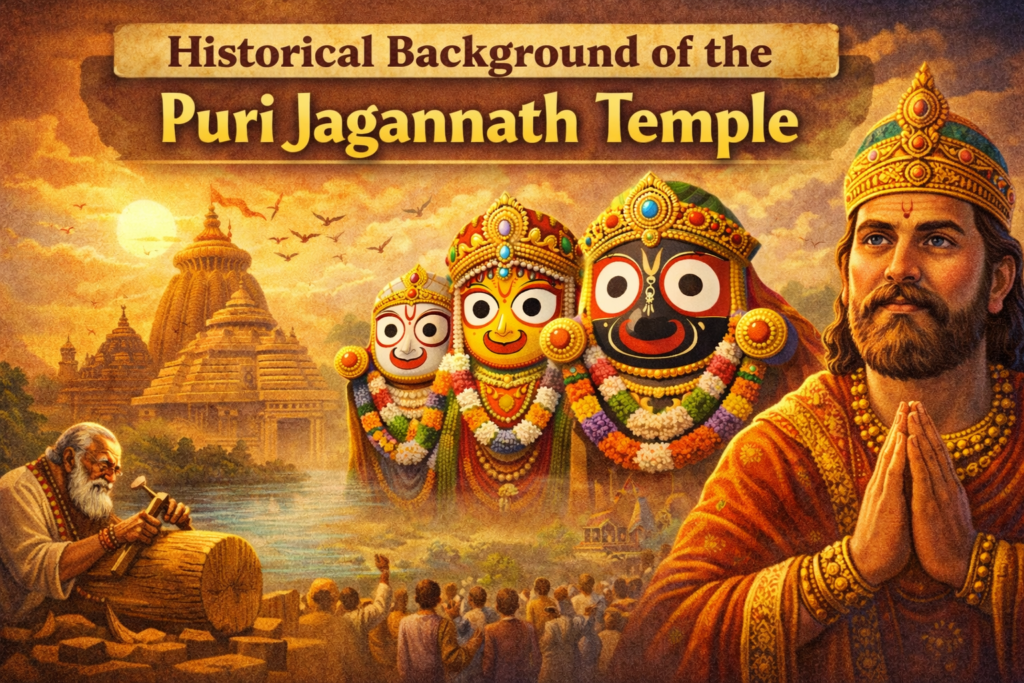
The Jagannath Puri Temple, located in the coastal town of Puri, Odisha, India, is a magnificent structure rich in history and spirituality. The temple is dedicated to Lord Jagannath, a deity worshipped as a form of Lord Krishna. The origins of the temple date back to the 12th century, attributed to King Anantavarman Chodaganga Deva, who made significant contributions to its construction, establishing it as a vital pilgrimage site.
The temple is believed to have been constructed around 1161 CE, with a continuous history of renovations and expansions over the centuries. In the early stages, it was built in the Kalinga architectural style, featuring intricate carvings and a massive chariot known as the Rath Yatra, which is celebrated annually, drawing millions of pilgrims from around the world.
Numerous historical figures have played crucial roles in shaping the temple’s legacy. Notable among them is the revered saint Adi Shankaracharya, who is credited with consolidating the worship practices and establishing the system of rituals in the temple. The temple’s historical timeline is marked by significant events, such as the invasions by local rulers and the Mughal Empire, which led to partial destruction and subsequent restoration efforts.
Legends and folklore surrounding the Puri Jagannath Temple are an integral part of its history. One popular legend recounts how Lord Jagannath, along with his siblings Balabhadra and Subhadra, emerged from the ocean as wooden idols, symbolizing a timeless connection to the sea. Another significant event is the introduction of the ongoing tradition of the annual chariot festival, which is a major cultural highlight, symbolizing the deities’ journey to their garden abode.
Embark on a divine journey with Seven Sands Tourism’s Puri Jagannath Tour Package 3n 4d from Bangalore, designed for devotees…
These historical elements intertwine to narrate the enduring spirit of the Jagannath Puri Temple, ensuring its place not only as a religious site but also as a vital part of India’s cultural heritage.
Spiritual Significance of the Jagannath Shrine
The Jagannath Temple, one of the most revered shrines in Hinduism, holds immense spiritual significance for devotees around the globe. Dedicated to Lord Jagannath, considered an incarnation of Lord Vishnu, this sacred site embodies the ideals of devotion, community, and spirituality. The temple, located in Puri, Odisha, attracts millions of pilgrims each year who come to seek blessings and participate in the vibrant religious festivities.
At its core, the shrine represents the philosophy of inclusiveness. Unlike many other Hindu temples that emphasize rituals and caste distinctions, Jagannath Temple welcomes individuals from all walks of life, emphasizing the belief that devotion transcends social barriers. This inclusive ethos is exemplified during the famous Ratha Yatra (Chariot Festival), where the wooden deities of Jagannath, Balabhadra, and Subhadra are taken out in grand processions, symbolizing the invitation for all to partake in divine love and grace.
Furthermore, the notion of ‘Prasad’ or sacred food offered at the temple signifies an essential aspect of spirituality here. The distribution of Prasad, blessed food, reinforces communal harmony and strengthens the bond among devotees, as they all share in the divine offering. This practice is deeply rooted in the belief that consuming Prasad fosters a connection to the divine, accentuating the temple’s role in spiritual nourishment.
The deep-rooted traditions and engaging rituals present at the Jagannath Temple foster a unique spiritual atmosphere that captivates believers and seekers alike. As a center for pilgrimage, the temple provides not only opportunities for worship but also for spiritual growth, encouraging devotees to reflect on their lives and their relationships with the divine. It serves as a constant reminder of the eternal cycle of devotion, love, and surrender to the supreme being.
Jagannath puri temple mystery and Myths
The Jagannath Puri Temple is shrouded in an aura of myths and mysteries that have fascinated devotees and historians for centuries. One of the most intriguing myths revolves around the deities themselves. The wooden forms of Lord Jagannath, Balabhadra, and Subhadra are said to be made from a special type of wood known as “Neem,” which is believed to have divine properties. According to legend, the craftsmanship of these idols is attributed to divine intervention, with their creation involving an unseen force guiding the sculptor’s hands.
Another fascinating tale includes the annual Ratha Yatra, or chariot festival, which is celebrated with immense fervor. It is believed that during this time, the deities descend from their sanctum to bless their devotees. The sheer size of the chariots and their intricate designs baffle many. Curiously, the journey of these colossal chariots is said to mirror the journey of souls in the afterlife, symbolizing liberation from the cycle of birth and death.
Intriguingly, there are unanswered questions regarding the temple’s architecture. Scholars and architects argue about the unique features of the temple structure, particularly the absence of shadows at noon, raising myriad inquiries about the engineering genius of ancient builders. Furthermore, there are hypotheses surrounding the temple’s alleged connections to celestial alignments, adding a layer of astronomical significance to its spiritual allure.
Devotees narrate miraculous events attributed to the grace of Lord Jagannath, ranging from healing experiences to serendipitous events in personal lives. These stories perpetuate the temple’s reputation as a sacred space where the divine interacts with the mortal realm. The combination of unexplainable phenomena, sacred aesthetics, and deeply rooted traditions continue to allure visitors and foster an enduring connection to its divine essence.
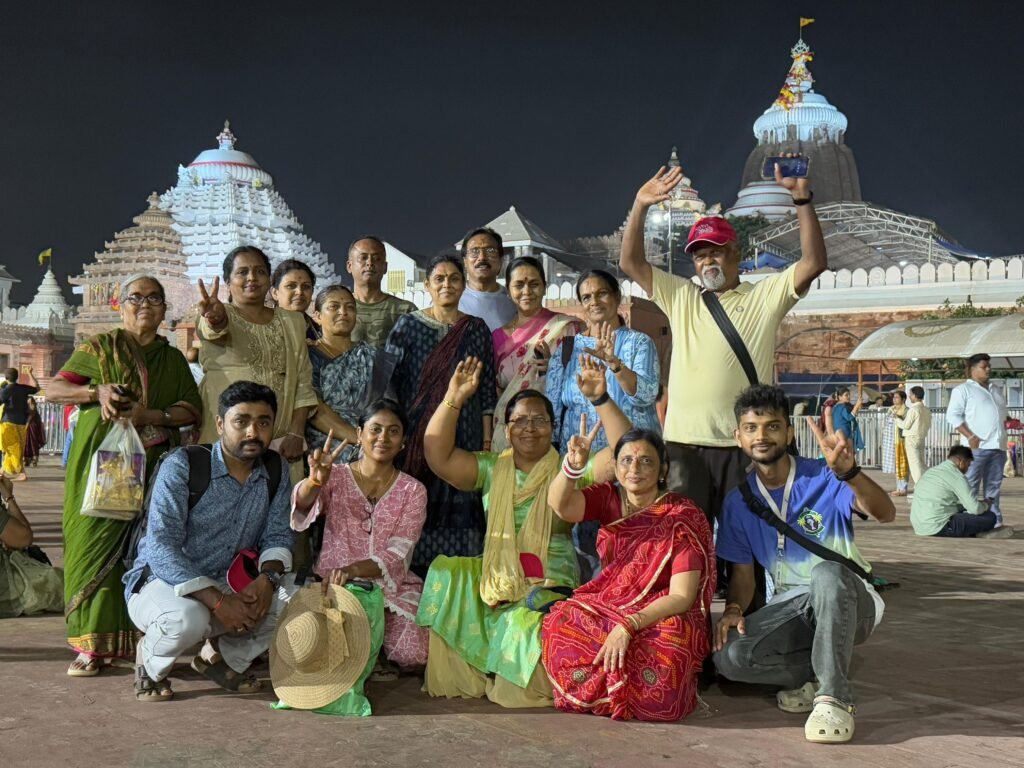
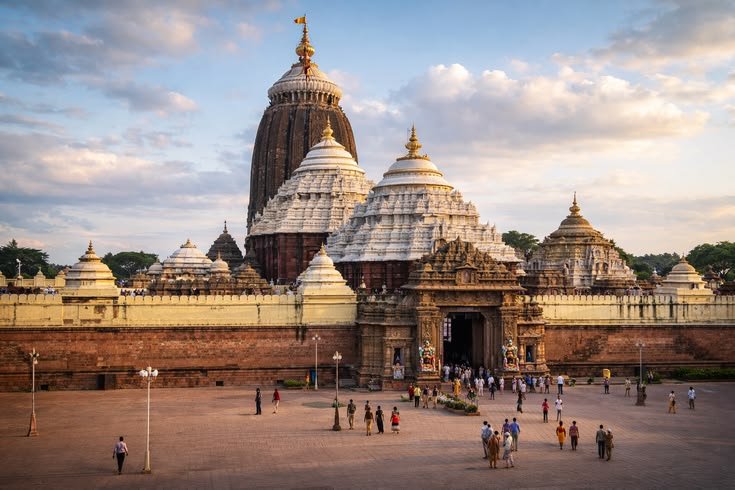
The mysteries Puri Jagannath Temple
The mysteries of the Puri Jagannath Temple in Odisha have fascinated devotees and historians for centuries. One famous mystery is that the temple’s main flag always flows in the opposite direction of the wind. Another unusual phenomenon is that birds and airplanes rarely fly directly above the temple. The temple’s Sudarshan Chakra appears to face the viewer from any direction in the city, and the temple kitchen is known for cooking large quantities of food in stacked clay pots where the top pot cooks first. These unique traditions and unexplained phenomena make the Puri Jagannath Temple one of the most mysterious and spiritually significant temples in India.
The Mystery of the Flag at Puri Jagannath Temple
At the Jagannath Temple, one of the most fascinating traditions is the temple flag, known as the Patitapabana Bana. The flag always appears to fly in the opposite direction of the wind, which many devotees consider a divine mystery. Every day, a temple priest climbs about 214 feet to the top of the temple and replaces the flag manually without any safety equipment. According to tradition, if the flag is not changed even for one day, the temple is believed to remain closed for 18 years. This unique ritual has been followed for centuries and is one of the many sacred traditions associated with the temple dedicated to Jagannath.
Temple Architecture and Traditions
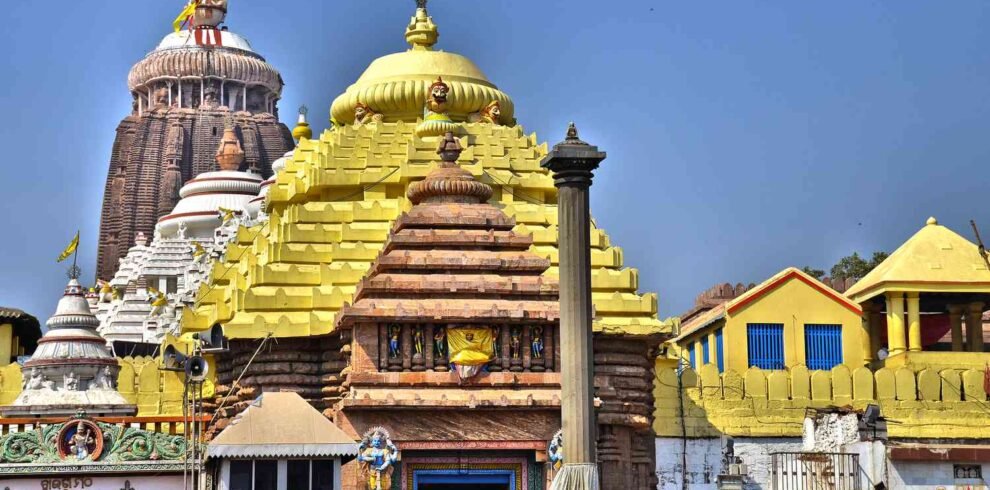
The Jagannath Puri Temple, a significant spiritual monument in India, epitomizes the brilliance of Kalinga architecture. This iconic structure is renowned for its towering “shikhara”, which reaches an impressive height of 65 meters, dominating the skyline of Puri. The architecture showcases a unique blend of intricate stone carvings and massive stone blocks, reflecting the craftsmanship of the artisans of the era. The temple’s main entrance, or “Singha Dwara”, is adorned with vast sculptures, including the majestic lion that symbolizes strength and protection.
One of the remarkable features of the Jagannath Puri Temple is its rich iconography. The main deities, Lord Jagannath, along with his siblings Balabhadra and Subhadra, are housed in the sanctum sanctorum, where their wooden idols are ceremoniously crafted each year in a meticulous process involving specific rituals and ceremonies. These idols, made from neem wood, have a distinctive appearance characterized by large eyes and lack a traditional body form, which sets them apart from conventional depictions of deities in Hindu temples.
The temple is not just a visual marvel but also a hub of vibrant religious traditions. Daily rituals, such as the “Nabakalebara” (the changing of the dieties), are fundamental, along with significant festivals like the famous Rath Yatra, where the deities are paraded on massive chariots. This festival attracts millions of devotees and tourists, highlighting the temple’s role as a spiritual epicenter. The rituals performed here are steeped in tradition, maintaining a connection with the divine and reinforcing the community’s cultural heritage.
Overall, the architectural grandeur combined with the dynamic rituals at the Jagannath Puri Temple provides a fascinating insight into the religious practices of Odisha, making it an essential destination for both pilgrims and history enthusiasts alike.
The Famous Rath Yatra Festival
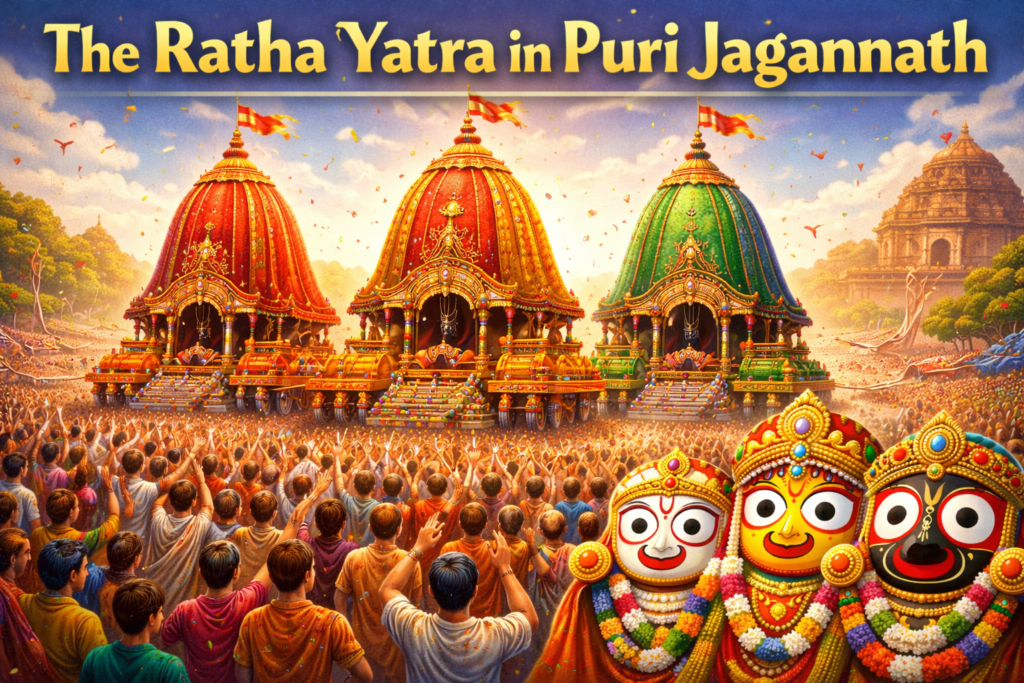
The Rath Yatra, or the Chariot Festival, is an awe-inspiring event celebrated annually in Jagannath Puri, drawing thousands of devotees and tourists from across the globe. This grand festival honors Lord Jagannath, his siblings Lord Balabhadra and Goddess Subhadra, and reflects the rich traditions surrounding these revered deities. The festival typically occurs in June or July and lasts about ten days, showcasing the region’s vibrant cultural heritage.
Central to the Rath Yatra are the colossal chariots that bear the deities. Each chariot, exceeding 40 feet in height, is constructed anew every year from wood and intricately adorned with colorful fabrics. Spectators gather to witness the epic moment when the chariots are pulled through the streets of Puri by thousands of devotees, who eagerly participate in this sacred procession. This remarkable display symbolizes the deities’ journey from the Jagannath Temple to the Gundicha Temple, which is considered their summer abode.
The rituals associated with the Rath Yatra are steeped in tradition and spirituality. The ceremonial journey begins with a sacred bathing ritual, called Snana Yatra, conducted before the chariots take to the streets. The atmosphere is filled with jubilant chants, religious hymns, and the rhythmic sounds of music that resonate throughout the city. The collective devotion of the participants creates a sense of unity, as people from diverse backgrounds come together to celebrate and pay homage to the deities.
What makes the Rath Yatra truly captivating is not only the sheer scale of the event but also the vibrant festivities surrounding it. Local artisans showcase their crafts, food stalls offer traditional delicacies, and various cultural performances enrich the overall experience. For anyone seeking to immerse themselves in India’s spiritual and cultural tapestry, the Rath Yatra festival in Jagannath Puri is undeniably a profound spectacle that leaves lasting memories.
Temple Timings and Darshan Process
The Jagannath Puri Temple, a significant pilgrimage site dedicated to Lord Jagannath, has specific timings that are crucial for visitors to plan their visit effectively. The temple is open to devotees and tourists throughout the day, typically from early morning until late evening. The general timings of the temple are from 5:00 AM to 11:00 PM, though visitors should note that these timings may vary on specific occasions or festivals. It is advisable to check the official website or consult local sources to confirm the timings before planning a visit.
Upon arrival at the temple, pilgrims must adhere to the entry protocols in place. There are designated entry points for devotees, and a security check is conducted to ensure the safety of all visitors. It is essential to maintain decorum and respect the sanctity of the temple premises. Many pilgrims prefer to wear traditional attire, further promoting a spiritual atmosphere.
The darshan process, which refers to the viewing of the deities, is central to the experience at Puri Jagannath Temple. Visitors can partake in the darshan during specific hours, particularly during designated rituals throughout the day. It is recommended for visitors to participate in these rituals to enhance their experience. The first darshan occurs during the Mangal Aarti at 5:00 AM, followed by subsequent opportunities during various puja (worship) ceremonies.
Additionally, it is essential for visitors to maintain silence and refrain from photography inside the temple as a sign of respect. Pilgrims are encouraged to follow the guidelines established by temple authorities, including any special precautions regarding offerings or donations. Understanding these practical aspects can significantly enhance your visit to the Jagannath Puri Temple, ensuring a fulfilling and spiritually enriching experience.
How to Reach Puri: Travel Options by Air, Train, and Road
Jagannath Puri Temple is not only a sacred religious site but also a popular tourist destination in India. The journey to Puri can be planned conveniently by considering various transportation options available.
For travelers opting to fly, the nearest airport to Puri is Biju Patnaik International Airport (BBSR), located in Bhubaneswar, approximately 60 kilometers away. This airport is well-connected to major cities across India, such as Delhi, Mumbai, and Kolkata. Upon landing, one can either hire a taxi, book an online cab service, or take a state-run bus to reach Puri, making this a practical option for air travelers.
Train travel is another popular mode for those heading to Jagannath Puri Temple. Puri has its own railway station, which is a significant junction on the East Coast Railway line. Regular trains from cities like Kolkata, Bhubaneswar, and Chennai ensure easy accessibility. Travelers can check the Indian Railways website or utilize various apps for current schedules and availability. It is advisable to book tickets in advance, especially during the peak pilgrimage season, to avoid last-minute hassles.
For those who prefer road travel, Puri is well-connected by a network of highways. National Highway 16 connects Puri to several key cities in Odisha and beyond. Regular bus services operate between Puri and major towns such as Bhubaneswar, Cuttack, and Konark, operated by both government and private entities. These buses are a cost-effective way to travel, offering varying levels of comfort and travel time.
In conclusion, reaching Jagannath Puri Temple is fairly straightforward, thanks to the diverse options available. Whether traveling by air, train, or road, planning ahead can ensure a seamless journey to this cultural and spiritual hub.
Puri, renowned for its spiritual significance, offers a plethora of nearby attractions that complement a visit to the Jagannath Puri Temple. Beyond the sacred precincts, visitors can immerse themselves in the rich culture and stunning landscapes that this vibrant town has to offer.
Puri Jagannath Temple: 7 Amazing History & Sacred Mysteries
One of the major highlights is the serene beaches, such as Puri Beach and Swargadwar, where one can enjoy the tranquil ambiance and picturesque sunsets. These beaches provide not only relaxation but also opportunities for local festivities and water sports, appealing to tourists of all ages. The vibrant markets near the beach serve a variety of local cuisines and souvenirs, allowing visitors to taste the region’s unique flavors.
In addition to its beautiful beaches, Puri is home to several significant temples that reflect the architectural and spiritual richness of the area. The Gundicha Temple, known as the garden house of Lord Jagannath, is a must-visit, especially during the annual Rath Yatra festival. Moreover, the Loknath Temple and the Balukhand Konark Wildlife Sanctuary offer unique experiences for tourists interested in regional heritage and biodiversity.
To enhance the travel experience, Seven Sands Tourism provides tailored tour packages that cater to various preferences and budgets. These packages include guided tours to the Puri Jagannath Temple and nearby attractions, ensuring an enriching experience steeped in history and spirituality. Travelers can expect comfortable accommodations and personalized travel arrangements designed to meet individual needs, which allows for a stress-free pilgrimage and exploration.
Jagannath Puri Story: The Divine Legend of Lord Jagannath
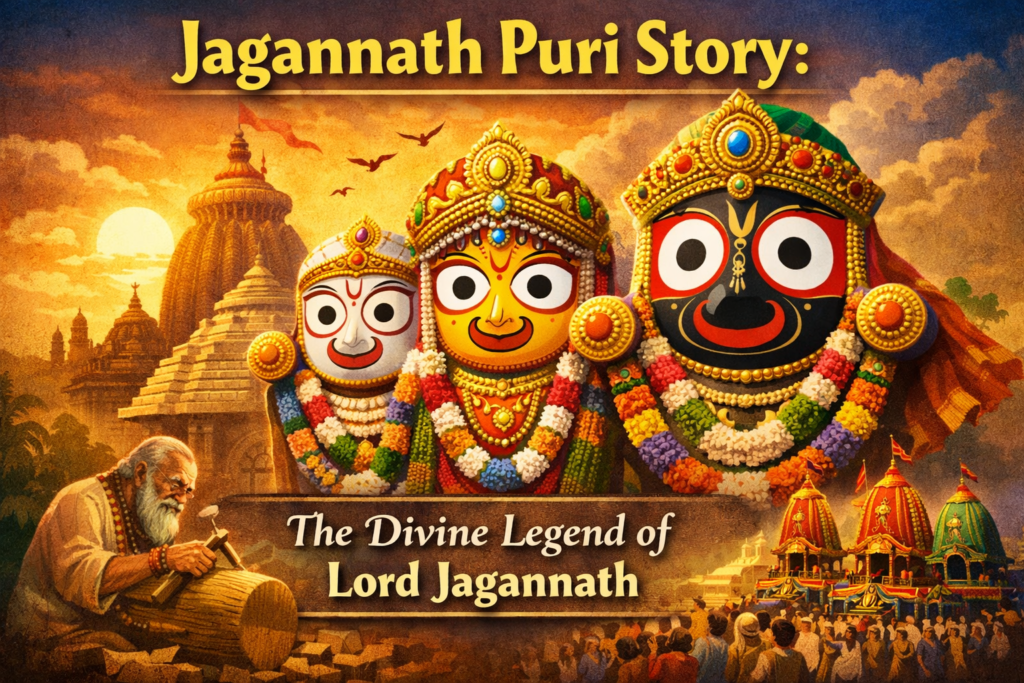
The Jagannath Puri story begins in the ancient city of Puri in Odisha, where King Indradyumna desired to worship Lord Vishnu in a unique form. According to legend, Lord Vishnu appeared as Lord Jagannath, along with his siblings Balabhadra and Subhadra. A divine carpenter, believed to be Lord Vishwakarma in disguise, carved their wooden idols with the condition that he would work in complete secrecy. When the king opened the door before the idols were fully completed, the carpenter disappeared, leaving the distinctive unfinished forms that are worshipped today. The temple later became one of the Char Dham pilgrimage sites and is famous for the annual Rath Yatra festival that attracts millions of devotees.
For those planning to visit this remarkable destination, it is advisable to book your pilgrimage tour with Seven Sands Tourism, where convenience meets an informative travel experience. The seamless arrangement and expert guidance will allow you to discover the charms of Puri with ease.
Frequently Asked Questions (FAQs)
What is the history of Jagannath Puri Temple?
The Jagannath Temple was built in the 12th century by King Anantavarman Chodaganga Deva. It is one of the sacred Char Dham pilgrimage sites and is dedicated to Lord Jagannath, a form of Lord Vishnu worshipped along with his siblings Balabhadra and Subhadra.
Why is Jagannath Puri Temple famous?
The temple is famous for its spiritual significance, unique wooden idols of the deities, and the world-renowned Rath Yatra, where massive chariots carry the deities through the streets of Puri attracting millions of devotees.
What are the main mysteries of Jagannath Temple?
Many devotees believe the temple has fascinating mysteries, such as the flag on the temple always flying opposite the wind direction and the Sudarshan Chakra appearing the same from every angle.
When is the best time to visit Jagannath Puri Temple?
The best time to visit is between October and February when the weather is pleasant. Many pilgrims also visit during the famous Rath Yatra to witness the grand celebration.
How can I travel to Jagannath Puri from Bangalore?
Pilgrims can reach Puri by flight to Bhubaneswar followed by a road journey to Puri, or by train directly to Puri Railway Station. Travel companies like Seven Sands Tourism offer convenient pilgrimage packages with transport and accommodation.
Does Seven Sands Tourism offer Jagannath Puri tour packages?
Yes, Seven Sands Tourism provides customized Jagannath Puri pilgrimage tour packages including travel arrangements, hotel stays, temple visits, and guided spiritual experiences.
What are the temple timings for Jagannath Puri darshan?
Darshan at the Jagannath Temple usually starts early in the morning around 5 AM and continues until late evening, with several rituals and offerings performed throughout the day.
What other places can be visited near Jagannath Puri?
Visitors can explore nearby attractions like Konark Sun Temple, Chilika Lake, and the scenic Puri Beach along with their pilgrimage visit.