
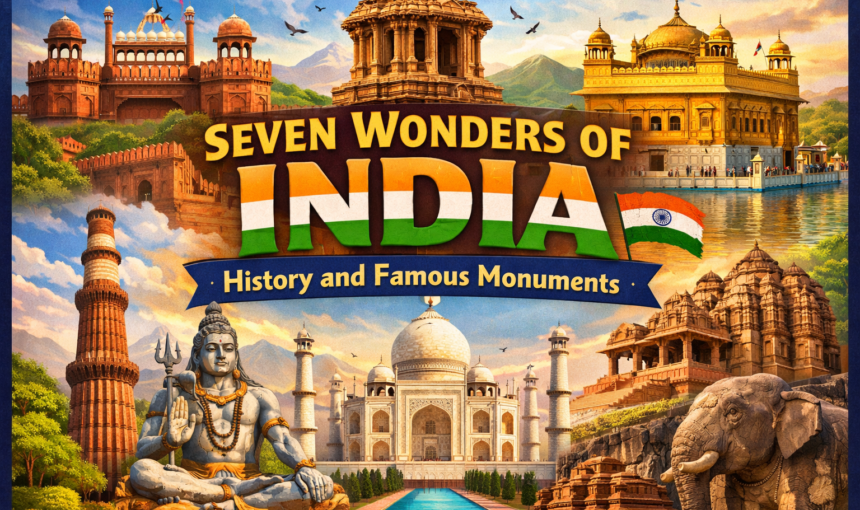
Seven Sands Tourism brings you closer to India’s rich heritage with the Seven Wonders of India List – History and Famous Monuments guide. The Seven Wonders of India include some of the country’s most admired landmarks, known for their beauty, history, and cultural importance. These famous sites attract travelers, history lovers, and students who want to explore India’s architectural and spiritual legacy.
From the iconic Taj Mahal to the grand Meenakshi Temple, each monument tells a unique story of art, devotion, and tradition. Many people search for the Indian 7 Wonders to understand why these places are special and worth visiting. At Seven Sands Tourism, we help travelers discover these remarkable monuments with easy travel planning, expert guidance, and memorable tour experiences.
Whether you want to learn about the history and famous monuments of India or plan a heritage trip, our travel support makes your journey simple and enjoyable. Explore India’s timeless wonders with Seven Sands Tourism and experience the beauty of its legendary landmarks.
What Are the Seven Wonders of India? Full List, History and Famous Monuments
Seven Sands Tourism presents a simple guide to answer one common travel question: What are the Seven Wonders of India? The Seven Wonders of India are famous monuments known for their history, architecture, cultural value, and lasting importance in Indian heritage. These iconic landmarks represent the beauty and diversity of the country and attract travelers from around the world. When people search for the full list, history and famous monuments of India, they often want clear and useful information in one place.
From the stunning Taj Mahal to other admired heritage sites, each wonder reflects India’s rich tradition and artistic excellence. Learning about the Indian 7 Wonders is not only interesting for tourists but also valuable for students and heritage lovers. At Seven Sands Tourism, we help travelers explore these remarkable destinations with easy planning, trusted guidance, and memorable tour support. Discover India’s timeless wonders and enjoy a meaningful heritage journey with Seven Sands Tourism.
Introduction
The Seven Wonders of India represent a collection of extraordinary landmarks that embody the rich cultural heritage and architectural brilliance of the country. This esteemed list is designed to encapsulate India’s diverse historical narratives, impressive constructions, and artistic achievements, which have drawn the attention of scholars, tourists, and history enthusiasts alike. These monuments not only demonstrate India’s grandeur but also serve as vital symbols of its identity and legacy.
Tourists and travelers often seek out the Seven Wonders of India due to their diverse cultural significance and stunning visuals. The exploration of these iconic sites allows visitors to experience the depth of India’s history, spanning various eras and empires. Many individuals are inspired to visit these locations, motivated by their aesthetic allure and the stories they tell about India’s past. Each wonder holds a special place in the hearts of millions, serving as a testament to the country’s architectural prowess and artistic values.
As we delve into the following sections, we will examine in detail each of these remarkable wonders. From historical insights to architectural descriptions, this exploration will provide a comprehensive overview of why these monuments are deemed extraordinary and important. Furthermore, we will discuss the impact of these wonders on tourism, their preservation status, and the cultural festivals that celebrate them. This narrative aims to educate and inspire a deeper appreciation for the Seven Wonders of India, highlighting their irreplacable role in the country’s heritage landscape.
Seven Wonders of India List
India, a land steeped in history and culture, is home to numerous magnificent monuments. Among these, the Seven Wonders of India highlight some of the most exceptional architectural feats and culturally significant sites throughout the country. Below is a detailed list of these seven wonders, including essential information on each location, their historical significance, architectural beauty, cultural value, and the best time to visit.
1. Taj Mahal
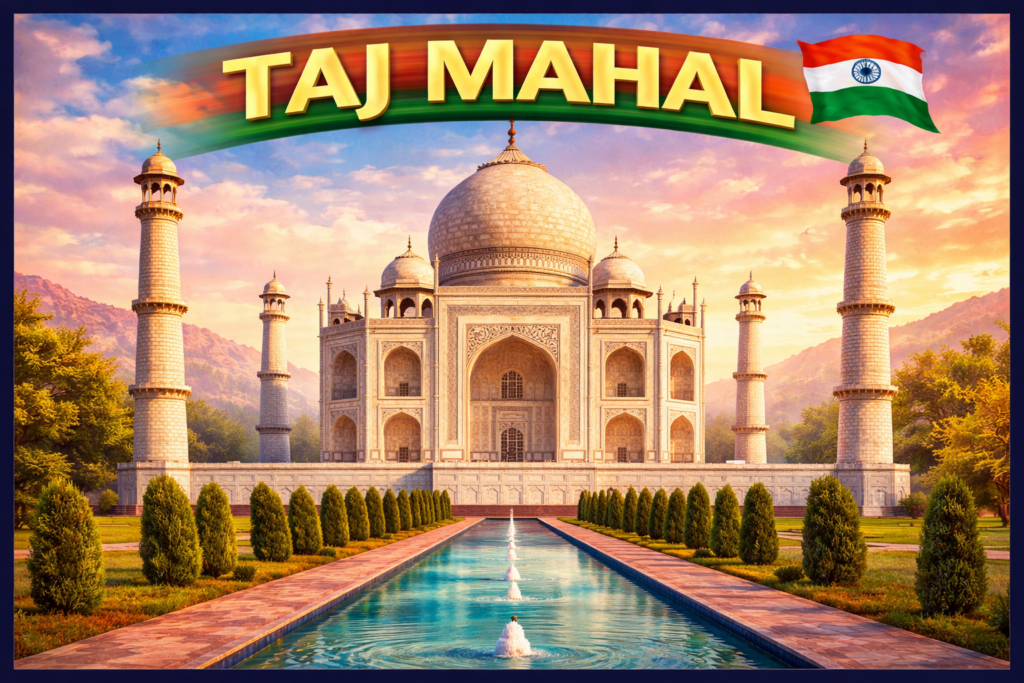
Located in Agra, Uttar Pradesh, the Taj Mahal is perhaps the most iconic of India’s monuments. Constructed in the 17th century by Mughal Emperor Shah Jahan in memory of his wife Mumtaz Mahal, this stunning mausoleum is a UNESCO World Heritage Site. Its white marble façade reflects intricate artistry and epitomizes Mughal architectural brilliance. The best time to visit is from October to March, when the weather is cool and pleasant.
2. Jaipur City (Pink City)
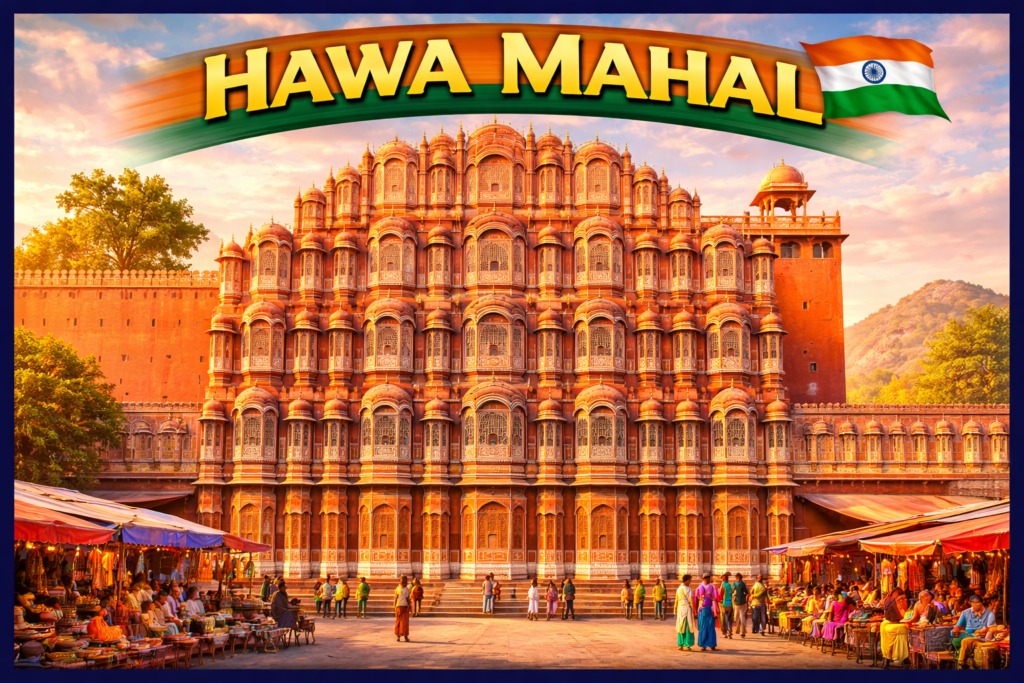
Jaipur, known as the Pink City, is the capital of Rajasthan. Renowned for its rich history and vibrant culture, this city is surrounded by majestic fortifications. Key attractions include the Hawa Mahal and City Palace. Jaipur’s architectural beauty lies in its blend of Rajasthani and Mughal styles, offering a glimpse into India’s royal past. The ideal visiting period is from September to March, when the climate is dry and comfortable.
3. Hampi
Situated in Karnataka, Hampi boasts remnants of the Vijayanagara Empire. Designated as a UNESCO World Heritage Site, Hampi’s ruins showcase stunning temples, palaces, and intricate carvings. The architectural beauty of Hampi is defined by its unique boulder landscapes and ancient structures. The best time to explore Hampi is between November and February when the temperatures are more conducive for touring.
4. Khajuraho Temples
The Khajuraho group of monuments in Madhya Pradesh is famous for its intricate temple sculptures and erotic carvings, reflecting the region’s diverse cultural ethos. Built between 950 and 1050 AD, these temples embody unique architectural prowess and spiritual significance. The recommended time to visit is from October to March, allowing for comfortable touring conditions.
5. Ajanta and Ellora Caves
Located near Aurangabad in Maharashtra, these rock-cut caves are acclaimed for their exquisite sculptures and frescoes, dating back to the 2nd century BC. A UNESCO World Heritage Site, the caves depict various religious beliefs, primarily Buddhism, Jainism, and Hinduism. The best visiting period is from November to March when the weather is pleasant for exploration.
6. Sundarbans
The Sundarbans, a UNESCO World Heritage Site and the largest mangrove forest in the world, lies in West Bengal. This lush ecosystem is home to diverse flora and fauna, including the famed Royal Bengal Tiger. Visitors are encouraged to experience the rich biodiversity and intricate waterways, best accessed from November to February during the cooler months.
7. Meenakshi Temple
This ancient temple located in Madurai, Tamil Nadu, is dedicated to Goddess Meenakshi and Lord Sundareswarar. Known for its towering gopurams adorned with colorful sculptures, the temple is a fine example of Dravidian architecture. Cultural programs, festivals, and rituals enhance its significance. It is advisable to visit from October to March for cooler weather.
Why Are These Called the Indian 7 Wonders?
The Seven Wonders of India represent an extraordinary collection of architectural masterpieces that showcase the rich heritage and cultural diversity of the country. Each of these structures not only stands as a testament to the incredible craftsmanship of their respective eras but also symbolizes the diverse traditions and historical narratives that have shaped India over centuries. These wonders include both ancient and modern marvels, each reflecting different aspects of Indian culture and history.
The selection of these seven monumental sites speaks volumes about India’s architectural evolution, blending various influences, techniques, and styles. Structures such as the Taj Mahal, a UNESCO World Heritage Site, epitomize Mughal architecture and are heralded for their exquisite design and intricate detail. Locations like the Hampi ruins and Qutub Minar not only exhibit architectural brilliance but also narrate compelling stories of India’s past, capturing the imagination of historians and tourists alike.
Furthermore, these wonders hold significant symbolic importance, representing India’s enduring legacy. They often embody the aspirations, beliefs, and philosophies of the societies from which they emerged. The temples at Khajuraho, for instance, are celebrated not just for their artistic sculptures but also for their reflections on the spiritual life and cultural values of ancient Indian civilization.
The Indian Seven Wonders have garnered immense popularity, attracting millions of visitors each year who seek to experience their beauty and historical significance firsthand. They stand as focal points for national pride, drawing attention to the country’s architectural achievements and the stories embedded within their stones. Thus, these selected structures symbolize unity in diversity, showcasing the richness of India’s cultural tapestry.
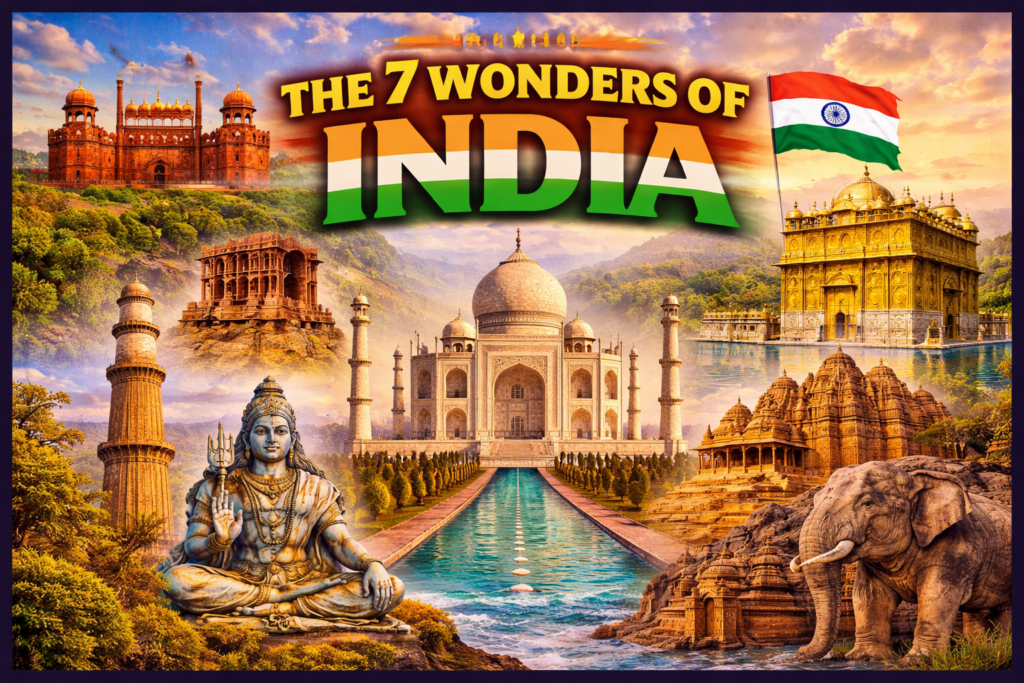
The 7 Wonders of India and Their History
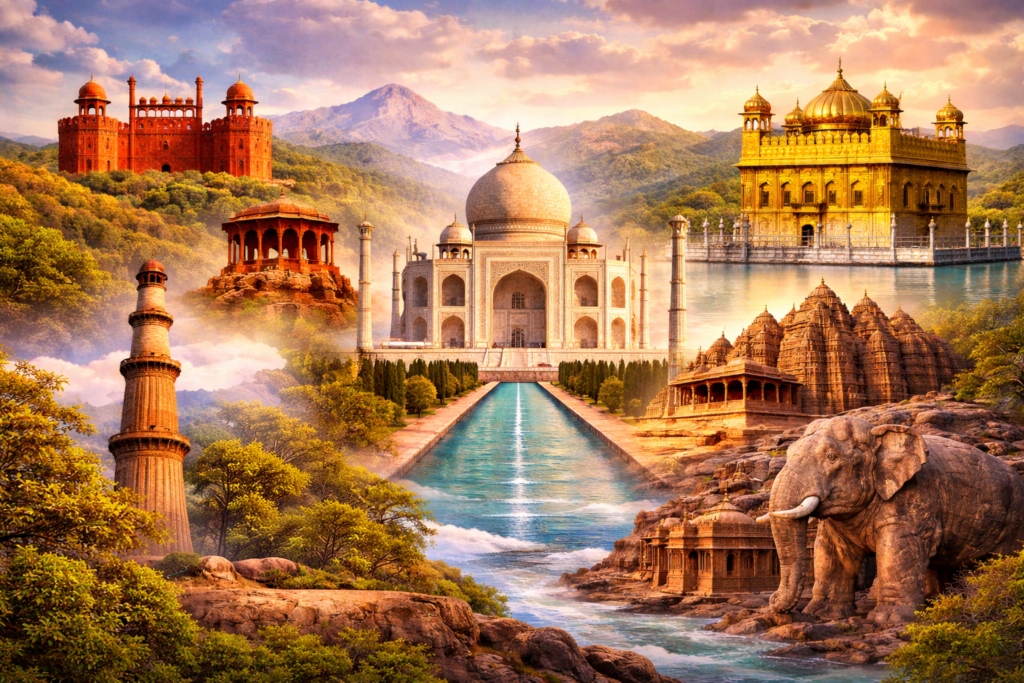
The Seven Wonders of India are a collection of architectural and cultural masterpieces that reflect the nation’s rich historical tapestry. Each monument carries a unique narrative, shedding light on the artistry, ambition, and vision of its era.
Starting with the Taj Mahal, built between 1632 and 1653, this iconic mausoleum was commissioned by Mughal Emperor Shah Jahan in memory of his beloved wife, Mumtaz Mahal. Crafted from white marble, the Taj Mahal represents the height of Mughal architecture and is a UNESCO World Heritage Site, attracting millions to its mesmerizing beauty.
Next is Hampi, the remnants of the ancient Vijayanagara Empire. This site, inscribed as a UNESCO World Heritage Site in 1986, showcases remarkable ruins, which were constructed in the 14th century, encapsulating both religious devotion and the empire’s prosperity. The intricate carvings and sprawling complexes provide insights into the advanced urban planning of the time.
The Qutub Minar stands as an emblem of Indo-Islamic architecture, erected in the 12th century. This soaring minaret, part of the Qutub complex in Delhi, serves as a historical marker chronicling the establishment of Islamic rule in India and represents the artistic collaboration between Hindu and Islamic styles.
Moving to the Jaipur City, also known as the Pink City, this marvel represents a blend of Rajput and Mughal architecture. Founded in 1727, it features an intricate plan and vibrant color scheme that provides a glimpse into the region’s regal heritage.
Then, we have Khajuraho Temples, famous for their exquisite sculptures depicting various aspects of life. Constructed between 950 and 1050 AD, these temples present a rich blend of religious and erotic art, indicative of the sensibilities and artistic skills of that era.
The Gateway of India, erected in 1924 as a triumphal arch, marks the port of entry for British Viceroys. This monument symbolizes the amalgamation of different cultures and has been a witness to pivotal events in Indian history.
Finally, the Ajanta Caves, dating back to the 2nd century BCE, are remarkable for their stunning rock-cut architecture and intricate frescoes that narrate the stories of the Buddha. Added to UNESCO’s World Heritage Sites list, they exemplify the exceptional artistic heritage of ancient India.
Seven Monuments of India You Should Know
While the Seven Wonders of India capture a portion of the country’s architectural brilliance, several other monuments are essential for understanding India’s rich history and cultural diversity. These sites not only showcase stunning artistry but also reflect the historical narratives that have shaped the nation over centuries.
One such monument is the Hampi, located in Karnataka, which is known for its ancient temples and monuments that date back to the Vijayanagara Empire. The stunning landscape rich with temples and palaces demonstrates the architectural innovation of its time, making it a UNESCO World Heritage Site. Another key site is The Ajanta and Ellora Caves, also recognized as UNESCO World Heritage Sites, which are significant for their intricate rock-cut sculptures and elaborate frescoes that narrate local folklore and religious tales.
The Qutub Minar in Delhi, the tallest brick minaret in the world, stands as a prime example of Indo-Islamic architecture and bears witness to the tumultuous history of the Delhi Sultanate. Similarly, the Lotus Temple in Delhi is an architectural wonder that symbolizes the peaceful coexistence of various religions, attracting visitors from around the globe.
In the southern part of India, The Brihadeeswarar Temple in Thanjavur showcases the grandeur of Chola architecture and is noted for its massive size and intricate craftsmanship. The Golden Temple in Amritsar, Punjab, serves as a historical and spiritual beacon for millions of Sikhs worldwide, known for its stunning gold leaf exterior and tranquil waters surrounding it.
Additionally, the Sun Temple at Konark is dedicated to the Sun God and is famous for its chariot-shaped structure adorned with elaborate carvings. Each of these monuments reflects India’s diverse cultural heritage and historical significance. By exploring these iconic sites, one can gain deeper insights into the architectural advancements and societal values of ancient India, reinforcing the country’s stature as a treasure trove of cultural wealth.
Comparison: Are the 7 Wonders of the World in India the Same as the Seven Wonders of India?
The phrase ‘Seven Wonders of the World’ typically evokes thoughts of iconic global monuments, such as the Great Wall of China or the Taj Mahal. However, when discussing the Seven Wonders of India, there can be an inherent confusion. The Seven Wonders of India is a distinct list crafted to celebrate the nation’s remarkable cultural and architectural heritage, separate from the global roster of wonders.
A common search term among internet users is ‘India seven wonders of the world,’ indicating the growing interest in the nation’s unique contributions to global culture and history. This often leads to a misunderstanding that the Seven Wonders of India are part of an international context, when in fact, they represent a curated list celebrated solely within India. Notable examples from this list include the exquisite architecture of Hampi, the impressive structures at Khajuraho, and the enduring allure of Ajanta and Ellora caves, illustrating the depth of India’s historical and artistic achievements.
Furthermore, the Seven Wonders of the World often incorporate a variety of categories, including ancient, modern, and natural wonders, thereby complicating comparisons. The Indian list predominantly focuses on man-made structures of historical significance, showcasing the country’s architectural splendor rather than a global perspective. Readers should be aware that while some of the Indian wonders, such as the Taj Mahal, appear on both lists, the remaining entries often vary significantly. Understanding this distinction helps clarify the nature of these lists and enhances appreciation for the incredible diversity present in India’s cultural landscape.
Most Famous Wonder
Among the Seven Wonders of India, the Taj Mahal stands out as the most famous monument, embodying the rich history and exquisite architecture of the Mughal era. Located in Agra, Uttar Pradesh, this UNESCO World Heritage Site is not only a symbol of love but also a testament to the artistic achievements of Indian craftsmanship. Constructed in the mid-17th century by Emperor Shah Jahan in memory of his beloved wife, Mumtaz Mahal, the Taj Mahal has captivated millions of visitors from around the globe.
The cultural significance of the Taj Mahal extends beyond its sheer beauty; it serves as an enduring symbol of love and devotion, attracting couples and romantics who seek to explore its enchanting grounds. The white marble structure, adorned with intricate carvings and inlaid gemstones, reflects a blend of Islamic, Persian, Ottoman Turkish, and Indian architectural styles. As a result, it carries profound historical value and is often regarded as a masterpiece of the world’s heritage.
The monument’s popularity is further evidenced by its recognition as one of the New Seven Wonders of the World, amplifying its status on an international level. Each year, the Taj Mahal draws over 7 million visitors, making it one of the most visited tourist destinations in India. Additionally, it plays a crucial role in contributing to the local economy through tourism, generating substantial revenue for the region.
In conclusion, the Taj Mahal not only represents India’s architectural brilliance but also serves as a significant cultural icon, known for its romantic backstory and stunning design. Its enduring allure continues to enchant people worldwide, cementing its place as the most famous of India’s Seven Wonders.
Best Time to Visit the Seven Wonders of India
Planning a trip to the Seven Wonders of India requires consideration of various factors, including regional climates, tourist seasons, and local festivals. Each site offers a unique experience depending on the time of year, making it essential to identify the best time to visit for optimal enjoyment.
The Taj Mahal, one of the most iconic wonders, is best visited from October to March when the weather is cool and dry. The peak tourist season occurs during these months, especially around the festival of Taj Mahotsav in February, which showcases local art and culture.
For the Hampi ruins, the ideal time lies between October and February, when the temperatures are pleasant and conducive for exploration. This period aligns with the Hampi Utsav, a cultural festival, which usually draws numerous tourists eager to experience vibrant performances and heritage displays.
In Rajasthan, the Amer Fort is a must-see, best enjoyed from October to March. The winter months allow visitors to appreciate its intricate architecture without the discomfort of sweltering heat typical of the summer season.
When planning a visit to the backwaters of Kerala and the famous hillstations like Munnar, the monsoon season, primarily from June to September, presents a unique charm. However, many travelers prefer the winter months from November to February to escape the humidity while reveling in the region’s lush greenery and pleasant weather.
The Qutub Minar and Red Fort in Delhi are best explored between September and March. The cooler months are ideal for walking tours, while the annual India International Trade Fair in November adds another layer of attraction for visitors.
Finally, visiting the Gateway of India in Mumbai is recommended from November to February, which aligns with the relatively cooler and drier climate, making it enjoyable for sightseeing and local festivities.
By aligning travel plans according to these recommendations, visitors can fully immerse themselves in the rich history and beauty of India’s Seven Wonders, ensuring a memorable experience.
Practical Travel Tips for Exploring the Seven Wonders of India
When planning your journey to explore the Seven Wonders of India, it is imperative to consider several logistics that can enhance your experience. First and foremost, transportation plays a crucial role in your travel itinerary. India boasts a well-connected network of trains, buses, and domestic flights that can easily transport you between cities where these monuments are located. For example, the Taj Mahal in Agra can be accessed via convenient train services from New Delhi, making it a popular choice among travelers.
Accommodations near these famous landmarks range from luxury hotels to budget hostels, allowing you to select based on your preferences. It is advisable to book your stay in advance, especially during peak tourist seasons, which typically occurs from October to March. This not only secures your accommodation but may also yield better pricing options.
Entry fees can vary across the different sites, with prominent monuments like the Taj Mahal requiring the purchase of tickets beforehand. Travelers should check online for current rates and potential discounts, particularly for students or large groups. Additionally, several sites offer free entry on specific days, which can significantly benefit budget-conscious visitors.
Etiquette cannot be overlooked while visiting these monuments. Basic cultural awareness, such as dressing modestly and removing shoes when required, is essential. Furthermore, it is advisable to be respectful of the historical significance of these sites, maintaining a quiet demeanor and refraining from littering. Using guided tours may also enrich your understanding of the sites, as local guides can provide valuable insights into the history and significance of each monument.
By considering these practical travel tips, both first-time visitors and seasoned travelers can ensure a rewarding exploration of the Seven Wonders of India.
Importance of These Monuments for Students, Travelers, and Indian Heritage
The Seven Wonders of India hold immense significance not only as architectural marvels but also as educational and cultural touchstones. For students, these monuments serve as real-world examples of historical events, artistic expressions, and engineering feats that contribute to a deeper understanding of India’s diverse past. Visiting these sites fosters a greater appreciation for India’s rich cultural heritage and encourages critical thinking and inquiry-based learning. Through study and exploration, students gain insights into the social, political, and economic conditions that shaped these iconic structures.
Travelers are drawn to these wonders for their beauty, grandeur, and the stories they embody. Each monument offers a unique glimpse into different periods of Indian history and diverse cultural influences, making them compelling destinations for both domestic and international tourists. This influx of visitors not only stimulates the local economy but also promotes cultural exchange, showcasing India’s long-standing traditions and values to the world. More significantly, these wonders serve as symbols of unity in diversity, reflecting India’s confluence of various religions, languages, and customs.
Moreover, the preservation and promotion of these monuments are critical for safeguarding Indian heritage. They serve as a testament to India’s historical narrative and play a vital role in fostering national pride among the populace. By recognizing the importance of these sites, both government and local communities can work towards ensuring their conservation for future generations. Ultimately, the Seven Wonders of India encapsulate the essence of the nation’s identity, providing everyone—from students to travelers—a chance to connect with the past and understand the complex tapestry that is Indian culture. Ensuring their reverence thus contributes significantly to nurturing a global appreciation of India’s historical and cultural legacy.
Table of Contents
Conclusion
In conclusion, the Seven Wonders of India serve as a testament to the nation’s rich history, culture, and architectural prowess. These remarkable monuments, including the Taj Mahal and Jaipur City, not only showcase the diversity of India’s heritage but also reflect the ingenuity and craftsmanship of bygone eras. Each site tells a unique story, revealing the artistic, spiritual, and historical significance that continues to captivate visitors from around the globe.
Visitors are encouraged to embark on a journey to explore these extraordinary landmarks, which have become symbols of national pride. The historical context of the structures and the experiences associated with them offer a deeper understanding of India’s past, present, and future. From the intricacies of Mughal architecture to the vibrant urban layouts of planned cities, each wonder provides a glimpse into the complexities of Indian civilization.
Moreover, the preservation and promotion of these monuments play a crucial role in fostering a sense of identity and belonging among citizens. They are not merely tourist attractions; they are integral to India’s cultural landscape and serve as reminders of the country’s rich legacy. By visiting and appreciating these wonders, individuals contribute to the ongoing narrative of India’s history, ensuring that future generations can also experience and learn from these extraordinary sites.
As you seek to discover the Seven Wonders of India, allow yourself to be immersed in the stories and traditions that surround each monument. The journey will certainly enrich your understanding of both the historical and contemporary significance of these iconic places, reinforcing the enduring importance of preserving India’s remarkable heritage.
Frequently Asked Questions (FAQs)
What are the Seven Wonders of India?
The Seven Wonders of India encompass an array of stunning historical monuments and architectural marvels. These typically include the Taj Mahal, the Jaipur City, the Hampi ruins, the Qutub Minar, the Ajanta and Ellora Caves, the Gateway of India, and the Khajuraho temples. Each site represents India’s rich cultural heritage and showcases exceptional artistry and historical significance.
Why were these monuments chosen as wonders?
The selection of these monuments as wonders is based on their unique architectural styles, historical importance, and the stories they tell about India’s past. They embody the diverse cultural influences that have shaped Indian society over centuries and reflect the country’s legacy of innovation and craftsmanship.
Are these monuments UNESCO World Heritage Sites?
Many of the Seven Wonders of India have received designation as UNESCO World Heritage Sites due to their exceptional universal value. For instance, the Taj Mahal, Ajanta Caves, and Hampi are recognized for their cultural significance. This recognition helps in the preservation and protection of these historical treasures, emphasizing their importance not just to India, but to the world as a whole.
When is the best time to visit these sites?
The best time to visit the Seven Wonders of India varies by location but generally falls during the cooler months, from October to March. During this period, the weather is more favorable for sightseeing, allowing visitors to fully appreciate the intricate details and grandeur of these monuments without the challenges posed by extreme temperatures.
Can these sites be explored in a single trip?
Exploring all seven wonders in a single trip can be challenging due to their geographical spread across the country. However, with careful planning and a well-structured itinerary, it is possible to experience several of these remarkable sites. This approach will enable travelers to dive deep into India’s rich history and cultural diversity.
Which is the most famous among the Seven Wonders of India?
The Taj Mahal is often considered the most famous among the Seven Wonders of India because of its global recognition, stunning white marble architecture, and romantic history. Many travelers start their heritage journey here when booking with Seven Sands Tourism.
What makes the Seven Wonders of India important for travelers and students?
The Seven Wonders of India are important because they showcase the country’s rich history, architecture, spirituality, and cultural diversity. These famous monuments are popular with tourists, students, and history lovers who want to understand India’s heritage more deeply.
How can I plan a Seven Wonders of India tour with Seven Sands Tourism?
You can plan a smooth Seven Wonders of India trip with Seven Sands Tourism by choosing a customized itinerary based on your budget, travel days, and preferred regions. Our team helps with route planning, accommodation, sightseeing, and travel support for a comfortable heritage experience.