The Complete Guide to Char Dham Yatra: Names and Places of the Four Holy Shrines in India
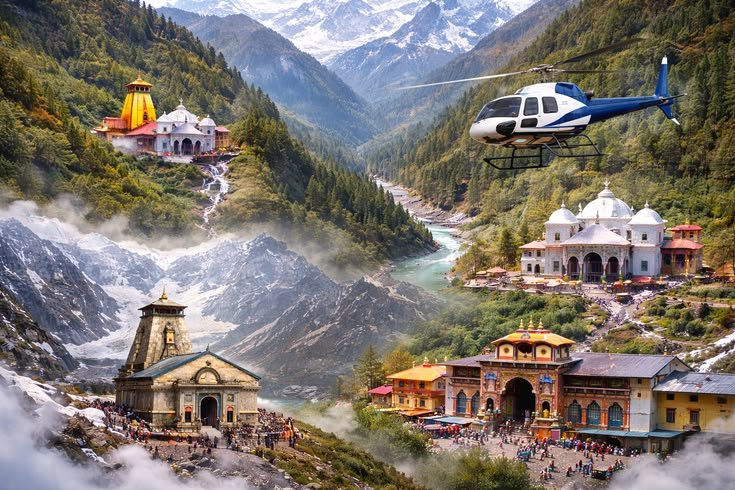
The Char Dham Yatra refers to the pilgrimage to four sacred shrines located in the Indian Himalayas, which are highly revered in Hinduism. These shrines, namely Yamunotri, Gangotri, Kedarnath, and Badrinath, hold immense spiritual significance and together constitute a path that believers undertake in pursuit of divine grace. The term “Char Dham” translates to “four abodes,” emphasizing the essence of visiting these locations as a means to attain moksha, or liberation from the cycle of life and death.
Pilgrimage has been a core aspect of Hindu practice, with the Char Dham Yatra standing out due to its profound spiritual meaning and association with revered deities and holy rivers. Each of the four sites not only represents significant aspects of Hindu mythology but is also steeped in natural beauty, attracting millions of devotees and tourists alike. Pilgrims typically embark on this journey to renew their faith, seek blessings, and engage in self-reflection as they navigate through the serene yet challenging terrains.
The Char Dham Yatra serves as a pathway to spiritual cleansing and enlightenment, allowing devotees to experience a deeper connection to their faith. It is believed that visiting all four shrines can help individuals reconcile with their past sins and elevate them towards ultimate salvation. As such, this pilgrimage is often undertaken with great reverence and commitment, marking a transformative phase in a devotee’s life. The physical journey to these revered sites is viewed not merely as a travel endeavor but as a deeply spiritual and life-changing experience, underscoring the significance of pilgrimage in Hindu culture.
Complete Guide to Char Dham in India
The Char Dham Yatra is a significant pilgrimage in Hinduism, encompassing four primary shrines known as Yamunotri, Gangotri, Kedarnath, and Badrinath. Each of these dhams holds a special place within the spiritual landscape of India and represents different facets of devotion and spirituality.
Yamunotri, the first of the four dhams, is dedicated to the goddess Yamuna. It is renowned for its stunning natural scenery and the sacred river that flows through the region. Pilgrims typically seek to purify themselves by bathing in the river’s waters, which are believed to wash away sins. The historical significance of Yamunotri is entrenched in Hindu mythology, as it is considered the birthplace of the Yamuna River, highlighting its divine origin and importance in Hindu narratives.
Moving on to Gangotri, this dham is dedicated to the goddess Ganga. It is believed that the river Ganga descended to Earth from the heavens at this location, representing both spirituality and purity. Gangotri is also famous for its beautiful landscapes and the Glacier from which the River Ganga originates. Devotees often visit the temple to offer their prayers and seek blessings for emotional and spiritual cleansing.
Kedarnath is the third dham and is revered as one of the holiest shrines dedicated to Lord Shiva. Situated amidst breathtaking mountains, Kedarnath stands as a testament to resilience and devotion, being accessible primarily on foot and by trekking. The temple houses a sacred idol representing Lord Shiva in the form of a linga, which pilgrims worship fervently to seek spiritual enlightenment and blessings.
Finally, Badrinath completes the Char Dham pilgrimage, dedicated to Lord Vishnu. Known as one of the Char Dham’s divinely revered destinations, the Badrinath temple holds immense significance in the worship of Vishnu. It is believed that a visit to this dham completes the spiritual circuit and ensures a place in Vaikuntha, the abode of Vishnu.
Yamunotri Dham: The Origin of River Yamuna
Yamunotri Dham, one of the revered Char Dham destinations in India, holds a prominent place in the hearts of devotees and travelers alike. Located in the beautiful Garhwal Himalayas of Uttarakhand, it serves as the originating point of the sacred River Yamuna. This river is not merely a waterway; it holds immense spiritual significance in Hindu mythology, being considered the embodiment of purity and grace.
The geographical positioning of Yamunotri is equally stunning, nestled at an altitude of approximately 3,293 meters above sea level. The backdrop of the majestic Himalayan peaks provides visitors with breathtaking views, enhancing the pilgrimage experience. Typically, pilgrims embark on treks, with the most common route starting from the village of Janki Chatti, which is approximately 5 kilometers from Yamunotri.
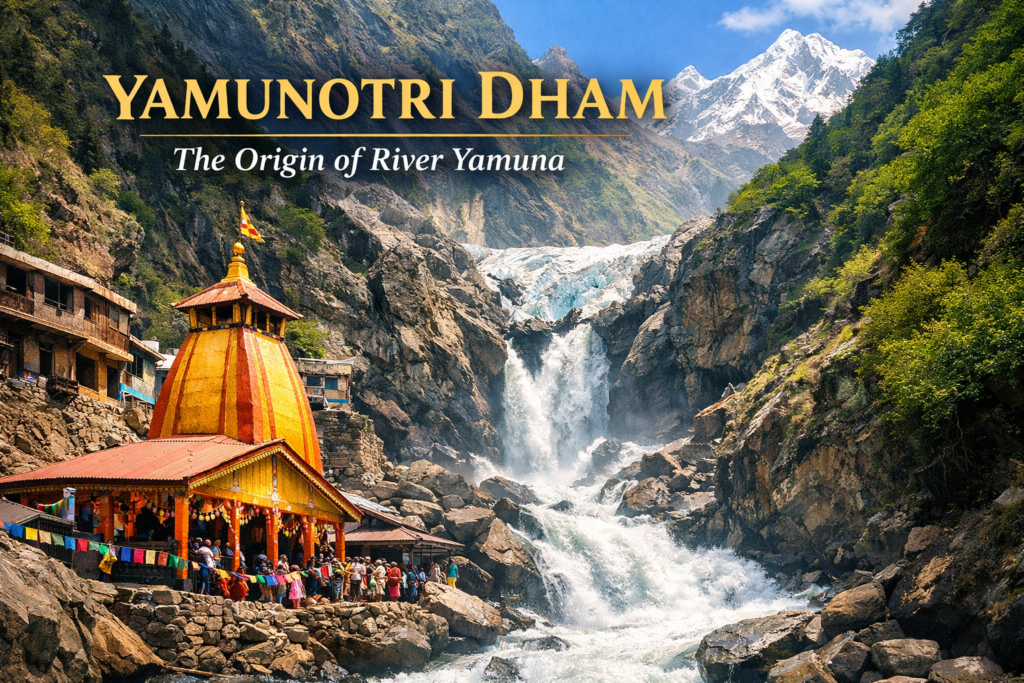
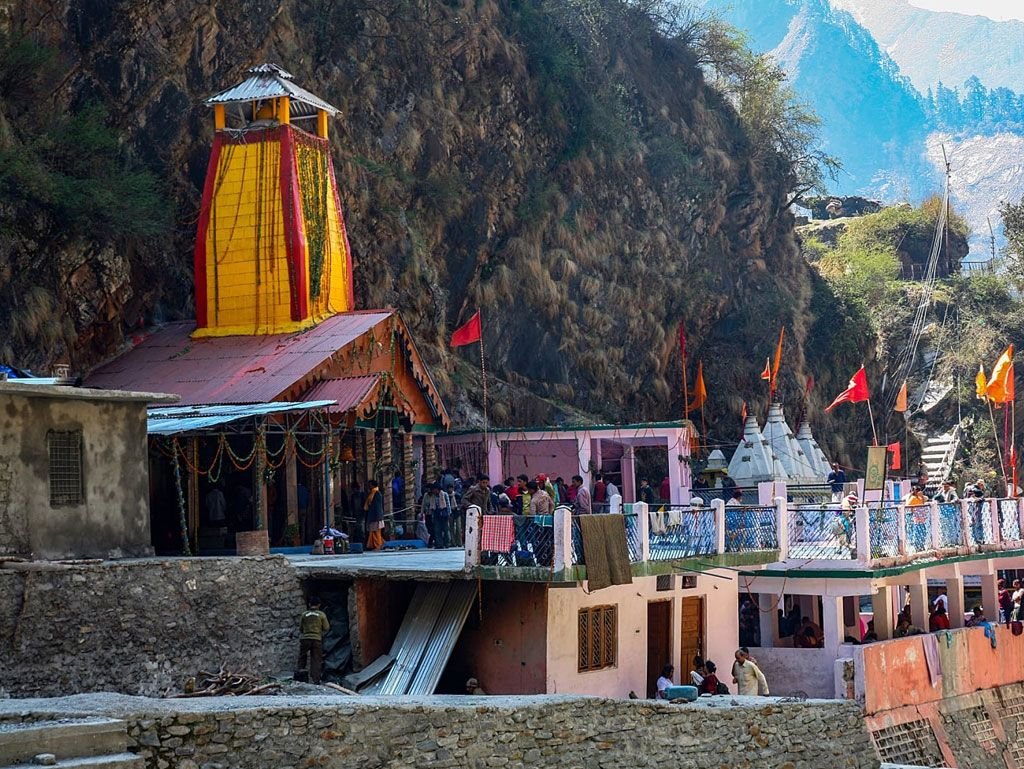
One of the central attractions at Yamunotri Dham is the Yamunotri Temple, dedicated to Goddess Yamuna. This temple, built in the 19th century, is an architectural marvel and a vital pilgrimage site for devotees seeking blessings for a prosperous life. It is said that taking a holy dip in the waters of the Yamuna River purifies the soul and erases sins, making it a significant ritual during the Char Dham Yatra.
Another intriguing highlight within the vicinity is the thermal springs near the temple. These natural hot water springs, known as “Surya Kund,” have therapeutic properties and are believed to heal various ailments. The presence of these thermal springs further enhances the spiritual ambience of Yamunotri Dham, attracting numerous visitors each year. Thus, Yamunotri not only serves as a religious site but also as a haven for nature lovers and adventure seekers, showcasing the harmonious blend of spirituality and the breathtaking beauty of the Himalayan landscape.
Gangotri Dham: The Source of the Sacred Ganges
Gangotri Dham holds a distinguished place in the spiritual landscape of India, revered as the source of the sacred Ganges River. Nestled in the Uttarkashi district of Uttarakhand, this holy site attracts pilgrims and visitors from across the globe seeking to experience its divine ambiance. The temple dedicated to Goddess Ganga is not only a marvel of architecture but also a testament to the deep-rooted reverence for this life-giving river.
The Gangotri temple, built in the 18th century, showcases exquisite architecture with intricate carvings and a beautiful idol of Goddess Ganga, embodying purity and grace. The temple is situated at an altitude of approximately 3,042 meters (9,977 feet) above sea level, surrounded by majestic mountain peaks and lush greenery, enhancing the serene environment. The architecture is reflective of the traditional style that characterizes many Hindu temples, making it not only a spiritual center but also an artistic treasure.
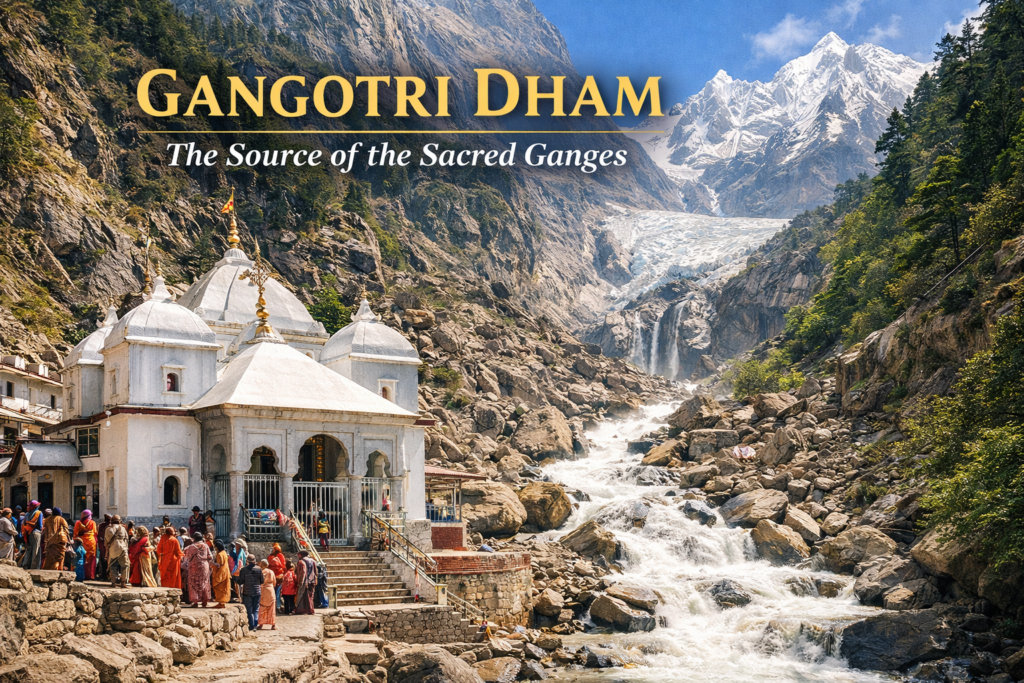
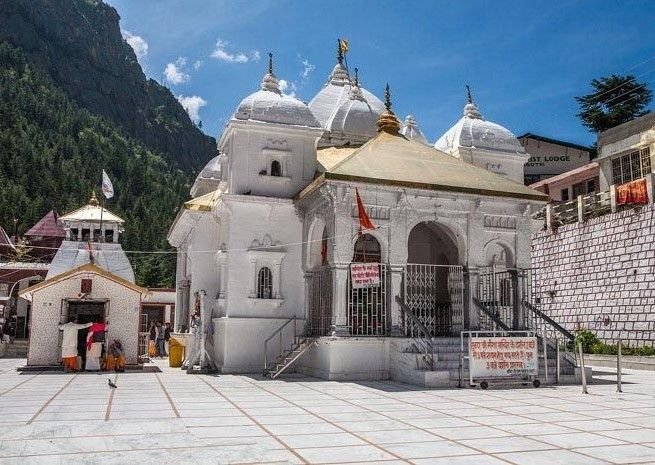
The history of the Ganges River’s emergence is steeped in legend. According to Hindu mythology, the river descended to Earth from the heavens at the behest of King Bhagirath, who performed intense penance to save the souls of his ancestors. This story adds a profound significance to Gangotri Dham, as pilgrims often express a deep spiritual connection when they visit the site, feeling the divine presence of the river that flows with purity.
The journey to Gangotri Dham is often described by visitors as transformative. Many report a profound sense of peace and spiritual awakening during their pilgrimage. The pristine surroundings, coupled with the chants and rituals performed at the temple, create an atmosphere that fosters reflection and devotion. Whether it is the stunning views or the spiritual high one experiences, Gangotri Dham remains etched in the hearts of those who make this sacred pilgrimage.
Kedarnath Dham: The Abode of Lord Shiva
Kedarnath Dham, one of the holiest shrines in Hinduism, is nestled in the majestic Himalayas of Uttarakhand, India. This revered site is dedicated to Lord Shiva, one of the principal deities in the Hindu pantheon, known for his role as the destroyer and transformer of the universe. The significance of Kedarnath Dham is not just in its spiritual essence but also in its breathtaking natural landscape and rich historical legends.
The temple itself is an architectural marvel, constructed in the traditional North Indian style with intricate stone carvings and a magnificent structure that stands tall against the backdrop of the snow-capped peaks. The sanctum sanctorum holds a conical rock formation, symbolizing Shiva’s presence, which draws pilgrims and devotees from all over the country and beyond. The temple is believed to have been built over a thousand years ago by the Pandavas, as mentioned in various Hindu scriptures, making it a site steeped in myth and devotion.
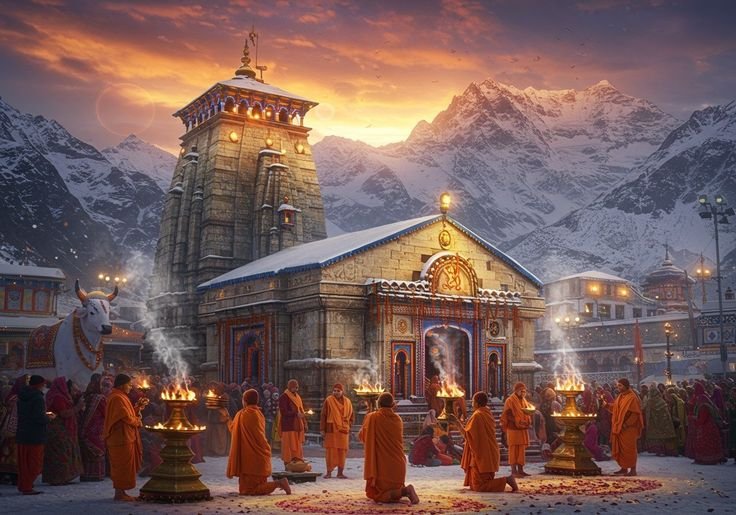
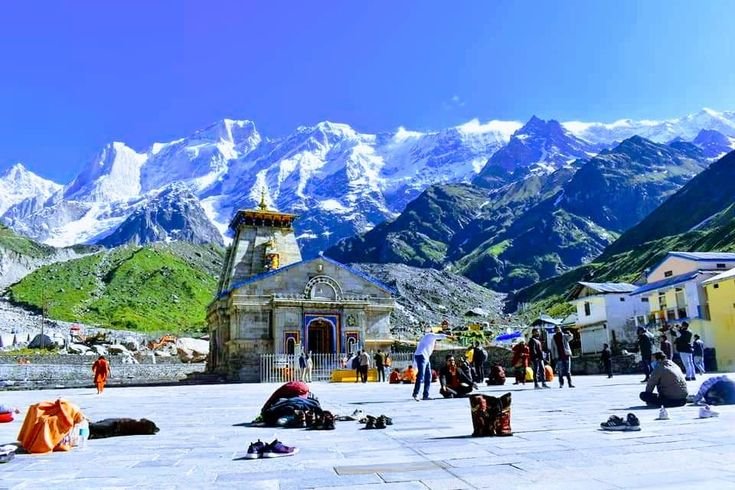
The pilgrimage experience at Kedarnath Dham is both challenging and rewarding. The journey to this sacred temple often begins in the town of Gaurikund, from where devotees undertake a trek of approximately 16 kilometers through rugged terrain and scenic beauty. Many pilgrims choose to hire ponies or engage in palanquin services, while some opt for the trek on foot, embracing the physical challenge as a means of purification and devotion. Each step taken towards Kedarnath is infused with prayers and hopeful wishes, with the distant bells of the temple echoing in the serene Himalayan environment.
The legends surrounding Kedarnath further enhance its allure. According to mythology, it is said that after the Kurukshetra War, the Pandavas sought Lord Shiva’s blessings. However, he eluded them, hiding in the Garhwal region, and eventually took the form of a bull, whose remnants are said to be present in the temple’s murti. Visitors to Kedarnath continue to find solace and spiritual awakening, making it an integral part of the Char Dham Yatra experience.
Badrinath Dham: The Land of Lord Vishnu
Badrinath Dham, situated in the majestic Garhwal Himalayas of Uttarakhand, holds a revered status as one of the four sacred Char Dhams of India. This site is particularly significant for Vaishnavites, who celebrate it as the abode of Lord Vishnu in his form as Badrinarayan. The temple, established near the banks of the Alaknanda River, captivates not only with its spiritual essence but also with breathtaking surroundings.
The Badrinath Temple itself is an architectural marvel, prominently featuring a striking structure that stands at an elevation of approximately 3,133 meters above sea level. Built in a traditional style and adorned with intricate carvings, the temple draws countless pilgrims who seek divine blessings. According to mythological narratives, Lord Vishnu meditated in the forest of Badri to absolve humanity of its sins, thereby contributing to the site’s sacred identity.
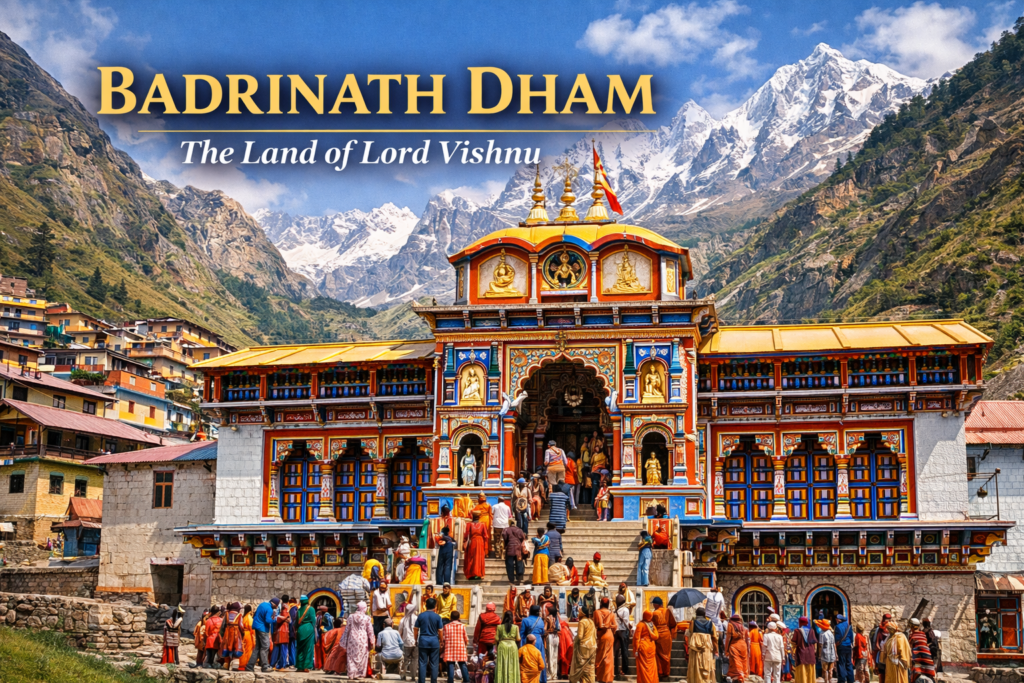
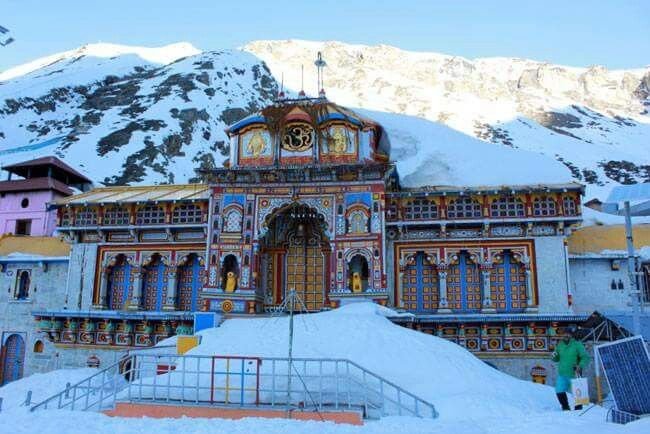
A visit to Badrinath Dham is often a transformative experience. Pilgrims engage in a variety of rituals such as ‘Abhishek’ (the ceremonial bathing of the deity) and the ‘Aarti’ (light offering), reinforcing their spiritual connection. The region’s pristine landscapes, coupled with the spiritual activities, create an atmosphere that encourages inner reflection and devotion. Moreover, the surrounding area offers stunning vistas of snow-capped peaks and lush forests, enhancing the overall experience of the pilgrimage.
During the Char Dham Yatra, Badrinath Dham is typically opened to devotees from late April to early November, making it accessible to thousands. It is essential for those embarking on this journey to plan adequately, considering transportation and accommodation options. The pilgrimage to Badrinath is not merely a journey through physical terrains but a profound expedition of faith that appeals to the hearts of many.
Planning Your Char Dham Yatra
Planning a Char Dham Yatra requires careful consideration of several factors to ensure a fulfilling and safe spiritual journey. The ideal time to embark on this pilgrimage is typically between April and October, coinciding with the opening of the shrines after the winter months. Each year, the exact dates may vary based on the Hindu calendar, so it is advisable to check in advance to coincide your visit with auspicious timings.
Travel options to the Char Dham shrines include varied modes of transport. The most common approach is via road, with numerous bus services and taxis available from nearby towns such as Rishikesh and Haridwar. For those preferring to travel by air, the nearest airports are in Dehradun and Pantnagar, which serve as hubs to reach the starting points of the Yatra. It is recommended to book transport services in advance, especially during peak pilgrimage season, to avoid any last-minute inconveniences.
Accommodation options in and around the Char Dham sites vary significantly, ranging from basic lodges to luxury hotels. Pre-booking accommodation is advisable, particularly during peak months, to secure a place to rest after a long day of pilgrimage. Many travelers prefer to stay at guesthouses provided by various temples, which offer affordable lodging while keeping visitors in close proximity to the holy shrines.
For an enriching experience, consider following a recommended itinerary that allows ample time for prayer and exploration. A well-planned schedule would typically include three to four days dedicated to each shrine, ensuring pilgrims can immerse themselves fully in the spiritual atmosphere. Safety is paramount during the journey; therefore, travelers should carry essential medications, stay hydrated, and adhere to the guidelines provided by local authorities to protect their well-being while undertaking this sacred Yatra.
Spiritual Significance of the Char Dham Yatra
The Char Dham Yatra represents one of the most profound pilgrimages in Hinduism, encompassing the journey to four sacred shrines: Yamunotri, Gangotri, Kedarnath, and Badrinath. Each of these holy sites holds immense spiritual significance, embodying the essence of devotion and faith.
Undertaking the Char Dham Yatra is often perceived as a pathway to personal transformation, wherein devotees seek to cleanse their souls and attain spiritual enlightenment. The arduous journey, marked by challenging terrains and high altitudes, enhances the pilgrim’s resolve and dedication. As devotees traverse the mountainous paths, they engage in deep reflection, prayer, and meditation, fostering a closer connection to the divine.
The Yatra is not merely a physical expedition; it is a spiritual quest aimed at receiving divine blessings. At each shrine, pilgrims offer prayers, perform rituals, and seek forgiveness for their transgressions. The belief in the sanctity of these locations is deeply ingrained in the hearts and minds of millions. Many devotees recount experiences of divine intervention, profound insights, and transformative realizations that occur during their journey, reinforcing their faith in a higher power.
Moreover, the Char Dham Yatra fosters a sense of community among participants, where shared experiences cultivate camaraderie and support. Pilgrims often share stories of devotion, hardships, and revelations, creating a collective bond based on mutual belief. The spiritual significance of the Char Dham Yatra transcends individual quests, weaving together numerous narratives of faith that resonate across generations.
Through this sacred pilgrimage, individuals not only seek to attain moksha (liberation) but also reaffirm their commitment to the principles of dharma (righteousness). The transformative power of the Char Dham Yatra allows individuals to emerge from their spiritual journeys renewed, with a profound understanding of their place in the universe.
What is Char Dham? – Complete Guide to the Sacred 4 Dham in India
The term char dham refers to the four most sacred pilgrimage destinations in Hinduism. Also known as 4 dham, these holy sites are considered spiritually powerful and deeply significant for devotees seeking divine blessings and liberation (moksha). When people talk about char dham in India, they are referring to four ancient temples located in different directions of the country, symbolizing spiritual unity and devotion.
The 4 dham in India include:
- Badrinath Temple (North)
- Dwarkadhish Temple (West)
- Jagannath Temple (East)
- Ramanathaswamy Temple (South)
Together, these sacred temples of India form one of the most important hindu pilgrimage sites circuits in the country.
Meaning of Char Dham – Hindu pilgrimage
The word “Char” means four, and “Dham” means divine abode. So, Char Dham literally means “four sacred abodes of God.” These temples are located in four different parts of India, representing spiritual balance across the nation. Pilgrims believe that visiting all four dhams washes away sins and leads to spiritual salvation.
The concept of 4 Dham was established by the great philosopher and saint Adi Shankaracharya, who aimed to unify the country spiritually by connecting these holy shrines.
Importance in Hindu Religion
Char Dham holds immense importance in Hindu tradition. Devotees believe that completing this pilgrimage at least once in a lifetime brings peace, prosperity, and ultimate liberation. Each dham is dedicated to a different form of Lord Vishnu or Lord Shiva, symbolizing protection, preservation, and destruction — the core principles of life.
These temples are not just religious destinations; they are spiritual power centers attracting millions of devotees every year. The journey itself is considered sacred, testing faith and devotion while offering breathtaking natural and cultural experiences.
Why It Is Called 4 Dham ?
It is called 4 Dham because it consists of four divine pilgrimage destinations located in the north, south, east, and west directions of India. This geographical placement represents completeness and spiritual harmony across the country. The circuit symbolizes that divine presence exists everywhere, guiding devotees from all corners of the nation.
Plan Your Sacred Journey with Seven Sands Tourism
At Seven Sands Tourism, we help devotees experience the true spiritual essence of Char Dham with well-planned pilgrimage packages, comfortable travel arrangements, and personalized service. Whether you are planning a family yatra or a group spiritual tour, our expert team ensures a smooth and meaningful journey.
Embark on your divine 4 Dham pilgrimage with Seven Sands Tourism and take a step closer to spiritual fulfillment.
4 Dham Name and Place in India – Complete Guide to the Himalayan Pilgrimage Circuit
India is known for its sacred pilgrimage destinations, and the 4 Dham name and place hold a special spiritual importance in Hindu tradition. Located in the beautiful state of Uttarakhand, these holy sites form the famous Himalayan pilgrimage circuit known as Char Dham. Every year, thousands of devotees undertake this divine journey seeking blessings, peace, and spiritual growth.
Char Dham Places and Their Locations
The Char Dham places are situated in the Garhwal region of Uttarakhand in the majestic Himalayas. Each temple is dedicated to a different deity and carries deep mythological and religious value.
1️⃣ Yamunotri Temple
Char Dham Location: Uttarkashi district, Uttarakhand
This temple is dedicated to Goddess Yamuna. It marks the origin of the sacred Yamuna River. Pilgrims believe that visiting Yamunotri cleanses sins and protects from untimely death.
2️⃣ Gangotri Temple
Char Dham Location: Uttarkashi district, Uttarakhand
Gangotri is dedicated to Goddess Ganga. It is the spiritual source of the River Ganga. Devotees visit to seek purity, salvation, and divine blessings.
3️⃣ Kedarnath Temple
Char Dham Location: Rudraprayag district, Uttarakhand
Kedarnath is one of the twelve Jyotirlingas of Lord Shiva. Surrounded by snow-covered Himalayan peaks, it represents strength, devotion, and spiritual liberation.
4️⃣ Badrinath Temple
Char Dham Location: Chamoli district, Uttarakhand
Badrinath is dedicated to Lord Vishnu. It symbolizes preservation and divine protection. The temple is located on the banks of the Alaknanda River and is considered highly sacred.
Char Dham State – Why Uttarakhand?
The Char Dham state is Uttarakhand because all four temples are located within this Himalayan region. The peaceful environment, spiritual aura, and scenic mountain views make it one of India’s most important religious destinations.
Spiritual Significance of Each Dham
Each dham represents a different path to moksha (liberation):
- Yamunotri – Purification
- Gangotri – Salvation
- Kedarnath – Devotion and strength
- Badrinath – Protection and preservation
Together, they form a powerful spiritual journey that connects devotees with nature and divinity.
Plan Your Char Dham Yatra with Seven Sands Tourism
Seven Sands Tourism offers well-organized Char Dham tour packages with comfortable travel, accommodation, and guided assistance. Whether you are planning a family pilgrimage or a group spiritual tour, our team ensures a safe and smooth journey across the Himalayan pilgrimage circuit.
Book your divine journey today with Seven Sands Tourism and experience the true spiritual essence of the 4 Dham in Uttarakhand.
Difference Between Char Dham and Chota Char Dham
Many travelers are confused about char dham vs chota char dham. Both are sacred pilgrimage circuits in India, but they are different in location, history, and spiritual importance. Understanding this difference helps devotees plan their yatra properly with Seven Sands Tourism.
The original char dham was established to unite the four corners of India spiritually. It represents a complete national pilgrimage circuit covering North, South, East, and West India. This sacred concept is deeply connected with the philosophy of adi shankaracharya char dham, who organized these holy sites to strengthen Sanatana Dharma across the country.
Chota Char Dham, on the other hand, is located only in Uttarakhand and includes Yamunotri, Gangotri, Kedarnath, and Badrinath. It is mainly a Himalayan pilgrimage and usually completed in 10–12 days. The original Char Dham is spread across India and requires more extensive travel planning.
Include original Char Dham of India:
Badrinath Temple
Badrinath Temple represents the northern part of the Char Dham circuit. Dedicated to Lord Vishnu, this sacred temple is located in the Himalayas and attracts lakhs of devotees every year. It is also part of the Chota Char Dham.
Dwarkadhish Temple
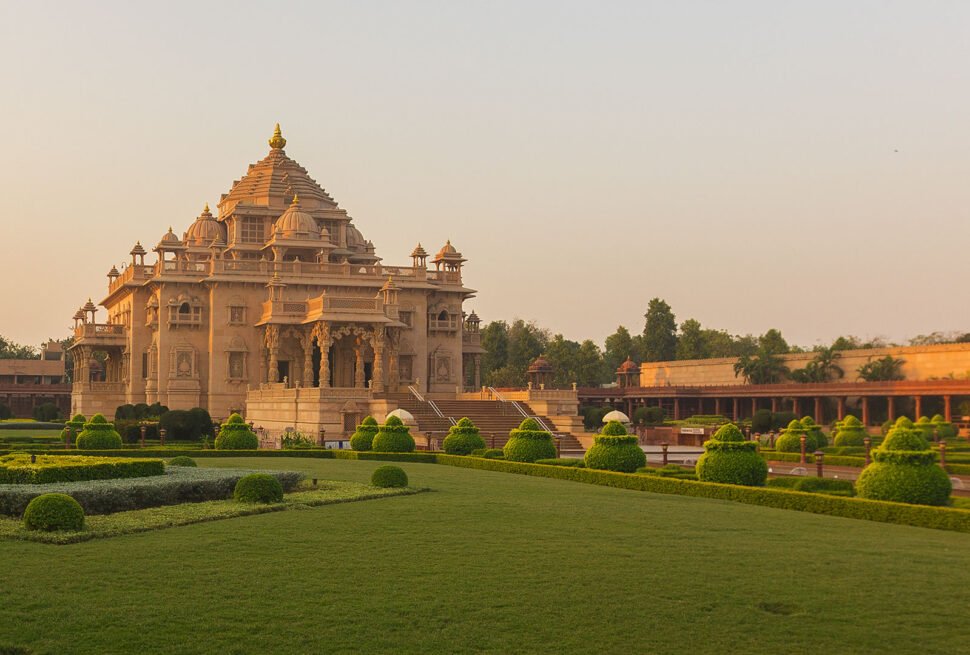
Dwarkadhish Temple represents the western direction. Dedicated to Lord Krishna, this temple in Gujarat holds great importance in Hindu mythology and forms a key pillar of the original Char Dham.
Jagannath Temple
Jagannath Temple represents the eastern part of India. Located in Puri, this sacred temple is famous for the Rath Yatra and is one of the most visited pilgrimage destinations in the country.
Ramanathaswamy Temple
Ramanathaswamy Temple represents the southern direction. Situated in Rameswaram, it is dedicated to Lord Shiva and is spiritually connected with the Ramayana.
In simple terms, Chota Char Dham is a regional Himalayan pilgrimage, while the original Char Dham covers four major temples across India. For complete pilgrimage planning, Seven Sands Tourism offers customized Char Dham tour packages with comfortable travel, accommodation, and guided support.
Best Time to Visit Char Dham Yatra
The char dham yatra best time is during the summer months when the Himalayan routes are safe and temples are open for pilgrims. This sacred journey in Uttarakhand attracts thousands of devotees every year seeking spiritual blessings and divine peace. Planning your trip during the right season ensures smooth travel and comfortable darshan.
The char dham opening date usually falls in late April or early May, depending on auspicious Hindu calendar dates. All four temples – Yamunotri Temple, Gangotri Temple, Kedarnath Temple, and Badrinath Temple – open after winter closure with grand rituals. Devotees eagerly wait for this spiritual season to begin.
The char dham closing date generally comes in October or early November before heavy snowfall starts. After this period, the temples close for winter and the idol is moved to nearby winter seats. It is important to complete your yatra before harsh weather conditions affect travel routes.
The peak uttarakhand tourism season for Char Dham is from May to June. During summer, temperatures range between 10°C to 25°C, making it ideal for trekking and temple visits. Skies are mostly clear, and roads remain accessible.
Weather conditions in the Himalayan region can change quickly. Monsoon months bring heavy rainfall and landslides, while winter brings extreme cold and snowfall. Therefore, summer remains the safest and most comfortable time for this sacred pilgrimage.
Seven Sands Tourism offers well-planned Char Dham packages with proper guidance, comfortable stays, and safe transport to ensure a peaceful and memorable yatra experience.
Conclusion: The Journey of a Lifetime
The Char Dham Yatra represents much more than a mere pilgrimage; it is a profound spiritual journey that holds significance for millions of devotees. Spanning across the majestic landscapes of India, the four holy shrines of Yamunotri, Gangotri, Kedarnath, and Badrinath serve as vital spiritual hubs for Hindus. Each shrine is associated with deep historical and religious narratives, making the journey not only an exploration of sacred geography but also an immersion into ancient traditions and beliefs.
Throughout the blog post, we have delved into the names and places of these revered sites, revealing their importance in Hindu spirituality. The Char Dham Yatra is characterized by its potential for personal transformation. Many pilgrims embark on this sacred journey in search of peace, healing, and enlightenment. The act of visiting these shrines invokes a sense of unity with divine energies while offering an opportunity for introspection and personal growth.
Moreover, the Yatra is an amalgamation of natural beauty and spiritual fervor. Nestled in the lap of the Himalayas, the breathtaking scenery accentuates the experience, allowing devotees to connect with nature’s tranquility as they engage in prayer and meditation. This harmonious blend of nature and spirituality distinguishes the Char Dham Yatra as a unique expedition.
As one reflects on the Char Dham Yatra, it becomes clear that this journey transcends physical travel; it encompasses spiritual awakening, self-discovery, and a reaffirmation of faith. For those planning to undertake this journey, it entails a commitment to exploring both the outer landscape and the inner self. In conclusion, the Char Dham Yatra promises an enriching experience, leaving an indelible mark on the hearts of every pilgrim who embarks on it.