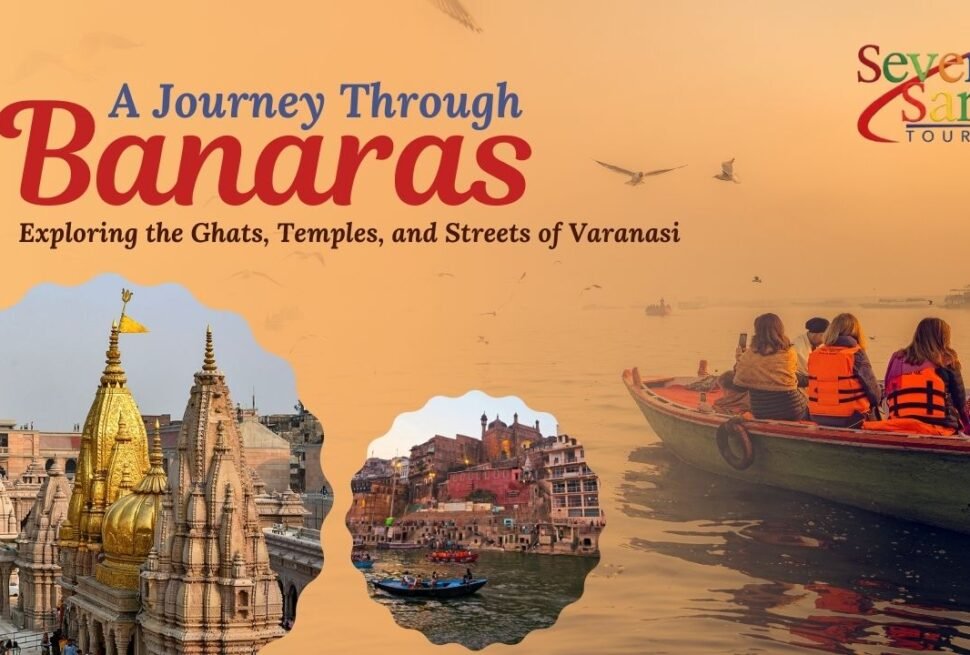

1. Introduction to Kashi Vishwanath Temple
The sacred city of Varanasi is home to one of the most revered shrines dedicated to Lord Shiva — the Kashi Vishwanath Temple. This holy temple is considered among the most powerful Jyotirlingas and attracts millions of devotees every year who come seeking blessings, peace, and spiritual liberation. Visiting this divine place is not just a journey but an emotional and spiritual experience for many pilgrims.
Understanding the Kashi Vishwanath Temple dress code for ladies and Kashi Vishwanath temple dress code for men before visiting is very important because temples in India traditionally encourage modest and respectful clothing. Dressing appropriately reflects devotion, humility, and respect toward the deity and sacred environment. Many devotees also wonder questions like Is jeans allowed in Kashi Vishwanath temple or whether traditional attire is compulsory, so having clarity in advance helps avoid confusion during darshan.
Wearing proper attire is believed to enhance spiritual focus and maintain the sanctity of the temple atmosphere. Devotees performing special rituals like Dress code for Rudrabhishek in Kashi Vishwanath temple often follow more traditional clothing guidelines compared to regular visitors. Similarly, families traveling with children frequently ask about dress code for kashi vishwanath temple for kids, which is generally simple but still respectful.
Another common doubt is Is saree compulsory in Kashi Vishwanath Temple, especially among women visiting for the first time. While saree is considered the most traditional attire, comfortable modest Indian wear is also acceptable in most cases. Pilgrims who are also planning visits to Ayodhya often compare temple guidelines, including Dress code for Ayodhya temple, to prepare better for their spiritual journey.
Apart from clothing, devotees should also be aware of general Kashi Vishwanath Temple rules such as security restrictions, prohibited items, and behavior guidelines inside the temple premises. Following these rules ensures a smooth darshan experience and helps maintain the sanctity of this ancient spiritual center.
Divine Kashi & Ayodhya Tour from Bangalore – 4 Days Spiritual Journey with Seven Sands Tourism India is a land…
Embark on a soulful journey with our Ayodhya Varanasi flight tour package from Bangalore 3 Nights 4 Days from Bangalore,…
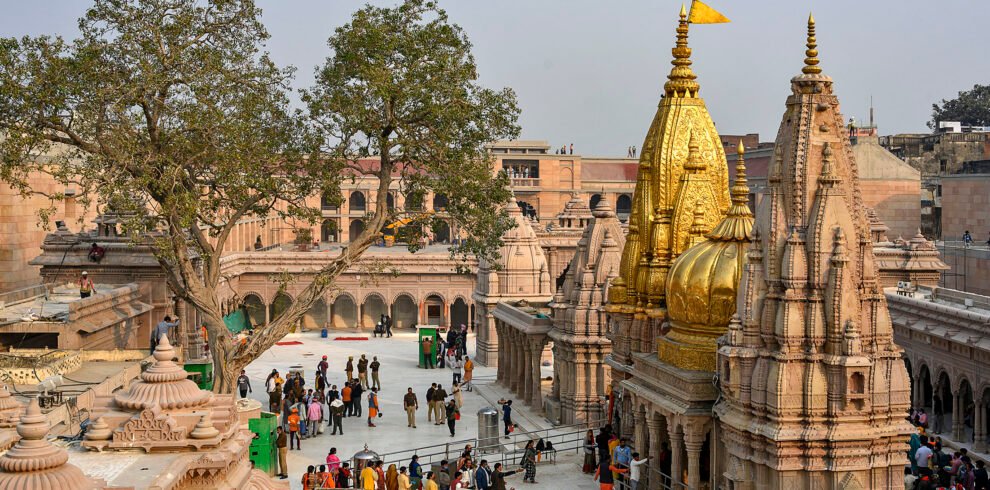
Experience divine bliss with our Kashi Ayodhya Tour Package from Bangalore 4N/5D, designed by Seven Sands Tourism for devotees seeking…
For devotees planning a spiritual trip to Varanasi and nearby holy destinations, Seven Sands Tourism provides well-organized pilgrimage packages with complete guidance on temple rituals, dress guidelines, and darshan procedures, ensuring a peaceful and memorable journey.
Understanding the Dress Code at Kashi Vishwanath Temple
Visiting one of India’s most sacred Shiva temples is a deeply spiritual experience, and following the proper attire guidelines helps maintain the sanctity of the temple environment. Along with darshan planning, understanding Kashi Vishwanath Temple rules about clothing ensures a smooth and respectful visit for devotees. At Seven Sands Tourism, we always guide travelers about temple etiquette before their pilgrimage so they can focus completely on devotion without confusion.
2. Kashi Vishwanath Temple Dress Code for Ladies
When it comes to Kashi Vishwanath Temple dress code for ladies, traditional and modest clothing is strongly recommended. Indian cultural attire is always considered the most appropriate choice for temple visits.
Recommended Traditional Attire
- Saree with blouse and petticoat
- Salwar kameez or churidar suit
- Kurti paired with leggings or palazzo
- Dupatta or shawl to cover shoulders (optional but respectful)
Many devotees also ask, Is saree compulsory in Kashi Vishwanath Temple. The answer is no — wearing a saree is not mandatory. However, modest Indian wear is preferred over western outfits.

Modest Clothing Guidelines Inside Temple Premises
- Clothes should cover shoulders and knees
- Avoid tight, transparent, or revealing outfits
- Comfortable attire is helpful due to walking and queue time
Clothing to Avoid for Smooth Darshan Experience
A very common question is Is jeans allowed in Kashi Vishwanath temple. While there is no strict written ban, heavily ripped jeans, shorts, or sleeveless tops may attract restrictions during peak security checks. Choosing traditional wear helps avoid inconvenience.
For families traveling together, the dress code for kashi vishwanath temple for kids is simple — children should wear neat, comfortable, and modest clothing. Traditional outfits are encouraged but not compulsory.
3. Kashi Vishwanath Temple Dress Code for Men
The Kashi Vishwanath temple dress code for men focuses on simplicity, comfort, and traditional respect. Devotees are not required to follow extremely strict attire rules, but modest dressing is important.
Acceptable Attire
- Dhoti with angavastram
- Kurta-pyjama
- Formal pants with shirt or traditional kurta
- Veshti or traditional South Indian attire
Traditional Dress Preference for Rituals and Puja
For special rituals like Dress code for Rudrabhishek in Kashi Vishwanath temple, priests often recommend wearing dhoti (without stitched undergarments for men in some rituals) and saree for women. Devotees participating in Abhishek inside the sanctum may receive specific instructions at the temple counter.
Items Not Recommended Inside the Temple
- Shorts or half pants
- Sleeveless vests or gym wear
- Torn denim
- Caps or headgear (unless religious)
Comparison With Other Temples
Many pilgrims combine Varanasi with Ayodhya in the same trip. The Dress code for Ayodhya temple — especially at the Ram Mandir Ayodhya — also emphasizes modest, traditional attire, showing how Indian temples maintain similar cultural expectations.
If you are planning a spiritual journey to Varanasi and Ayodhya, Seven Sands Tourism provides complete guidance including darshan assistance, puja booking, accommodation, and travel arrangements so devotees can focus entirely on their divine experience.
Dress Code Guide for Visiting Kashi Vishwanath Temple
Visiting one of the most sacred Jyotirlinga temples is a deeply spiritual experience, and many devotees prefer to follow traditional clothing customs out of respect for the divine atmosphere. While the temple administration maintains certain guidelines, understanding what to wear helps ensure a smooth darshan and participation in rituals. Seven Sands Tourism regularly guides pilgrims so they can prepare properly before their trip.
Kashi Vishwanath Temple dress code for ladies
Women are generally encouraged to wear modest and traditional Indian attire. Sarees, salwar kameez, churidar sets, or long kurtis with leggings are considered appropriate. Clothes should cover shoulders and knees, and revealing outfits are discouraged. Comfortable cotton clothing is ideal because of the crowd and weather conditions in Varanasi.
Kashi Vishwanath temple dress code for men

Men can wear traditional dhoti-kurta, kurta-pyjama, or simple modest clothing like full-length pants with a shirt. Shorts, sleeveless vests, or inappropriate printed clothing should be avoided. For special rituals, traditional attire is often preferred over western wear.
dress code for kashi vishwanath temple for kids
Children have more flexibility compared to adults, but parents should still ensure respectful clothing. Traditional outfits are welcomed, but comfortable modest western clothes are usually acceptable as long as they are not too short or revealing.
Is saree compulsory in Kashi Vishwanath Temple
No, wearing a saree is not mandatory for regular darshan. However, sarees are considered auspicious and are often preferred by devotees, especially during special pujas or religious occasions. The main requirement is modesty rather than a specific garment.
Kashi Vishwanath Temple rules
Apart from clothing, visitors should follow general temple discipline such as removing footwear before entry, avoiding leather items, maintaining silence, and following security instructions. Mobile phones and certain belongings may be restricted depending on temple regulations at the time of visit.
Is Jeans Allowed in Kashi Vishwanath Temple?
Many visitors ask whether modern clothing is acceptable.
General visitor dress flexibility vs religious rituals
For normal darshan, modest jeans with a decent top or shirt may be permitted, especially for tourists traveling from long distances. The temple focuses more on respectful appearance than strict enforcement for casual visitors.
Situations where jeans may be allowed for darshan
If the jeans are not torn, tight, or revealing, and paired with modest upper clothing, devotees are usually allowed to enter for regular darshan without issues.
When traditional clothing becomes necessary
During special rituals, temple priests may require devotees to change into traditional attire like dhoti or saree. This is especially true for close-proximity pujas near the sanctum.
Dress Code for Rudrabhishek in Kashi Vishwanath temple
Participating in Rudrabhishek is considered highly sacred, and clothing requirements are more specific.
Mandatory clothing for performing Rudrabhishek
Men are usually required to wear dhoti (often without stitched garments in some cases), while women are encouraged to wear sarees or traditional salwar suits. Synthetic or western clothing may not be allowed during the ritual.
Special puja attire requirements for men and women
Light-colored or clean traditional garments are preferred because rituals involve holy water, milk, and other sacred offerings. Devotees should also avoid leather belts or accessories.
Importance of wearing traditional sacred dress during rituals
Traditional clothing symbolizes purity, humility, and devotion. Following these customs enhances the spiritual connection and respects ancient temple traditions.
Dress code for Ayodhya temple
If you are also planning to visit Ram Mandir Ayodhya, modest traditional clothing is similarly recommended. While strict rules may vary, respectful attire covering shoulders and knees is generally advised for both men and women.
If you are planning a spiritual journey to Varanasi or Ayodhya, Seven Sands Tourism can assist with complete pilgrimage packages, including temple guidance, VIP darshan arrangements, and ritual bookings.
Kashi Vishwanath Temple Rules Every Devotee Should Know
Visiting the sacred Kashi Vishwanath Temple is a deeply spiritual experience, and understanding the temple guidelines helps ensure a smooth darshan. The Kashi Vishwanath Temple rules mainly focus on security, discipline, and maintaining sanctity inside the premises.
Security rules and prohibited items
Devotees must pass through security checkpoints before entering. Items like large bags, sharp objects, tobacco, and inflammable materials are strictly prohibited. Carry only essential belongings to avoid delays.
Mobile phone and electronics policy
Phones, smartwatches, cameras, and electronic gadgets are not allowed inside the temple complex. Locker facilities are available nearby where visitors can safely store their belongings.
Darshan timing and entry regulations
Entry is regulated according to darshan slots and crowd levels. Special puja bookings such as Rudrabhishek may have separate entry arrangements, so advance planning is recommended.
Behavior guidelines inside temple premises
Maintain silence, follow queue discipline, and respect priests and temple staff instructions. Photography and loud conversations are discouraged to preserve the spiritual atmosphere.
Dress Code for Kashi Vishwanath Temple for Kids

Parents often wonder about the dress code for kashi vishwanath temple for kids when planning a family pilgrimage.
Comfortable and modest clothing suggestions
Children should wear simple, comfortable clothes that cover shoulders and knees. Cotton outfits are ideal, especially during summer months in Varanasi.
Traditional wear recommendations for special pujas
For rituals or special occasions, ethnic wear like kurta-pyjama for boys and lehenga or salwar suits for girls is considered appropriate.
Tips for parents visiting with kids
Carry extra clothing, keep hydration in mind, and arrive early to avoid long waiting times with children.
Is Saree Compulsory in Kashi Vishwanath Temple?
Many devotees ask: Is saree compulsory in Kashi Vishwanath Temple? The answer depends on the purpose of the visit.
Darshan vs ritual requirements
For general darshan, saree is not mandatory. However, during special rituals like abhishekam, traditional attire is preferred.
Alternatives to saree for women
Salwar kameez, churidar, long skirts with dupatta, or other modest Indian outfits are acceptable.
Tradition vs modern flexibility
The temple respects tradition but also understands modern devotees’ needs, so modesty is more important than a specific garment.

Dress Code for Ram Mandir Ayodhya (Ayodhya Temple)
When visiting Ayodhya, devotees should also follow respectful attire guidelines at the Shri Ram Janmabhoomi Temple. The recommended Dress code for Ayodhya temple is similar to most Hindu pilgrimage sites.
Recommended attire
Traditional Indian clothing such as saree, salwar suit, dhoti, or kurta-pyjama is encouraged.
Modest clothing expectations
Avoid shorts, sleeveless tops, or revealing outfits while visiting sacred places.
Cultural respect
Dressing modestly reflects devotion and respect toward religious traditions.
Travel Tips for Visiting Kashi & Ayodhya
Planning your pilgrimage properly can make your journey peaceful and memorable.
Best time to visit temples
October to March offers pleasant weather for temple visits. Early morning darshan is less crowded and spiritually uplifting.
Crowd management tips
Book special darshan tickets in advance, travel on weekdays if possible, and keep buffer time in your itinerary.
Booking guided temple tours with Seven Sands Tourism
For hassle-free travel, accommodation, and puja arrangements, Seven Sands Tourism provides customized pilgrimage packages covering both destinations with expert assistance.
Additional Dress Code Questions Devotees Ask
- Kashi Vishwanath Temple dress code for ladies generally recommends saree, salwar suit, or other modest Indian attire.
- Kashi Vishwanath temple dress code for men usually includes dhoti, kurta, or decent full-length pants with shirts.
- Many visitors ask Is jeans allowed in Kashi Vishwanath temple — simple jeans with modest tops are usually permitted for general darshan, but traditional wear is preferred.
- The Dress code for Rudrabhishek in Kashi Vishwanath temple is more traditional, often requiring dhoti for men and saree for women, as devotees may participate closely in rituals.
Table of Contents
Conclusion
Respecting temple traditions through proper attire enhances the spiritual experience and shows devotion toward the divine. Whether visiting Kashi or Ayodhya, following guidelines ensures a peaceful darshan and cultural harmony. With the right preparation and guidance from Seven Sands Tourism, devotees can focus completely on prayer, faith, and inner transformation during their sacred journey.
Frequently Asked Questions (FAQs)
What is the dress code for visiting Kashi Vishwanath Temple?
The temple does not enforce a strict uniform dress code, but devotees are expected to wear modest and respectful clothing. Traditional Indian attire such as saree, salwar suit, kurta-pyjama, or dhoti is highly recommended because it reflects cultural respect. Avoid revealing outfits, shorts, sleeveless tops, or torn jeans while entering the temple premises. Dressing traditionally also enhances the spiritual experience, especially during rituals and special pujas organized with guidance from Seven Sands Tourism.
Is it compulsory for women to wear saree in the temple?
No, wearing a saree is not compulsory for women during general darshan. Women can wear salwar suits, long kurtis with leggings, or any modest traditional attire. However, saree is often preferred for special rituals like Rudrabhishek because it aligns with traditional customs. The main expectation is modesty and respect rather than a specific dress type. Comfort is also important, especially during long queues or peak pilgrimage seasons.
Are jeans allowed inside the temple premises?
Jeans are generally allowed if they are modest, full-length, and not ripped or revealing. However, traditional clothing is always preferred as it suits the religious atmosphere better. Many devotees choose ethnic wear to maintain cultural respect and spiritual discipline. Tight or distressed jeans, shorts, and casual party wear should be avoided. Choosing comfortable and decent clothing ensures a smooth entry without any inconvenience during security checks.
What should men wear while visiting the temple?
Men are encouraged to wear traditional Indian attire such as kurta-pyjama, dhoti, or simple cotton clothing. Shirts with trousers are also acceptable if they are modest and respectful. Sleeveless vests, shorts, and lungis are generally discouraged inside the main temple area. For special rituals or pujas, traditional dhoti attire is often preferred because priests may recommend it for spiritual significance and ritual purity.
What is the recommended dress code for children?
Children do not have strict dress rules, but parents should ensure they wear comfortable and modest clothing. Traditional outfits like kurta-pyjama for boys and lehenga or salwar suits for girls are ideal during festivals or special ceremonies. Since temple visits may involve waiting in queues, breathable cotton clothes and comfortable footwear are advisable. Parents should also carry extra clothing for younger kids in case of spills or weather changes.
Is there a different dress code for Rudrabhishek or special pujas?
Yes, during rituals like Rudrabhishek, devotees are usually encouraged to wear traditional attire. Men may be asked to wear dhoti, while women often prefer saree or traditional Indian outfits. This is not always mandatory, but it is considered spiritually appropriate and respectful to temple traditions. Wearing ethnic attire during rituals enhances the sacred atmosphere and allows devotees to participate more meaningfully in the पूजा experience.
What clothing should be avoided when visiting the temple?
Devotees should avoid shorts, mini skirts, sleeveless tops, transparent fabrics, ripped jeans, and tight western outfits. Clothing with offensive prints or slogans is also discouraged. The temple environment is highly spiritual, so modest dressing helps maintain decorum and respect for religious sentiments. Comfortable yet respectful attire is always the safest choice to ensure smooth entry and a peaceful darshan experience without any restrictions.
Can Seven Sands Tourism help with temple visit planning and guidance?
Yes, Seven Sands Tourism provides complete pilgrimage assistance, including travel planning, temple visit guidance, and ritual arrangements. Their team helps devotees understand temple rules, dress recommendations, darshan timings, and local customs to ensure a hassle-free spiritual journey. With proper planning and expert support, pilgrims can focus entirely on devotion without worrying about logistics, making the overall experience more peaceful and memorable.