
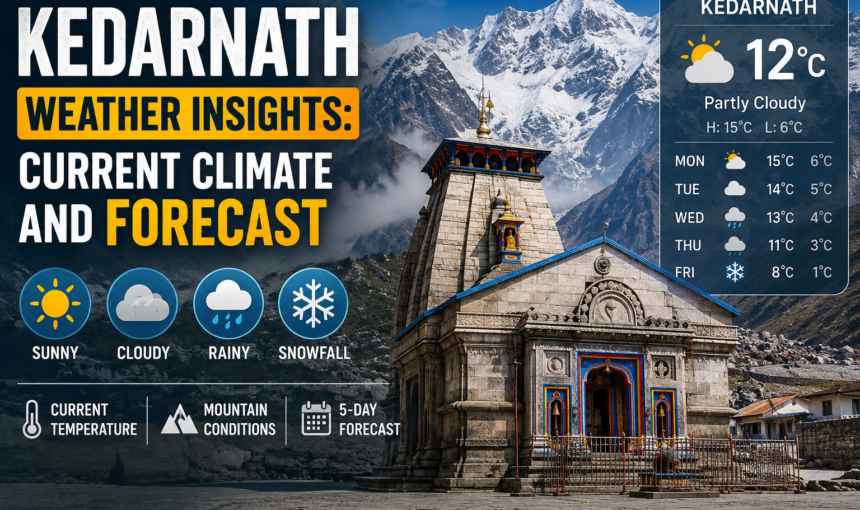
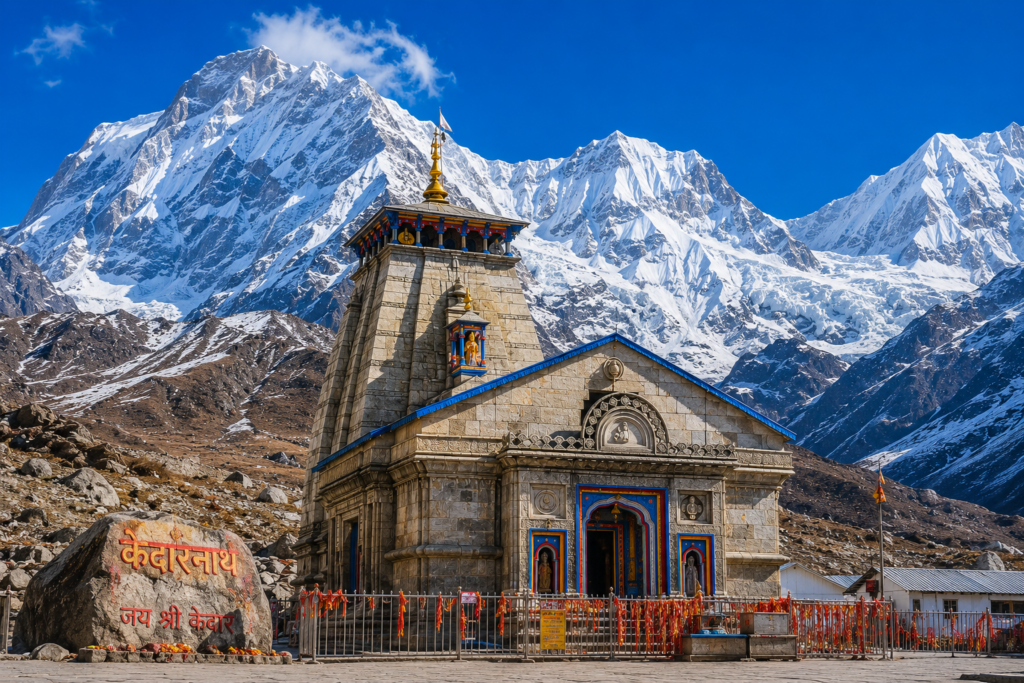
Planning a pilgrimage to the sacred shrine of Kedarnath is a profoundly spiritual ambition for millions around the globe. Nestled deep within the majestic, snow-capped peaks of the Rudraprayag district in Uttarakhand, India, Kedarnath sits at a staggering altitude of 3,583 meters (11,755 feet) above sea level. At this immense height, the micro-climate deviates entirely from mainland weather patterns. The atmospheric conditions are governed by a severe, monsoon-influenced subarctic climate classification ( Dwc bordering Dfc ), meaning conditions can pivot from clear, crisp sunshine to howling mountain blizzards or intense cloudbursts within mere minutes.
For travelers booking through Seven Sands Tourism, understanding the seasonal transformations, diurnal temperature variations, and strict geographical shifts of the Garhwal Himalayas is essential. This is not a regular hill station holiday; it is a high-altitude endurance journey where the weather dictates the entire schedule. Below is a comprehensive, multi-section guide designed to provide everything you need to map out your high-altitude itinerary safely and securely.
The Core Pilgrimage Window & Temple Timings (2026 Season)
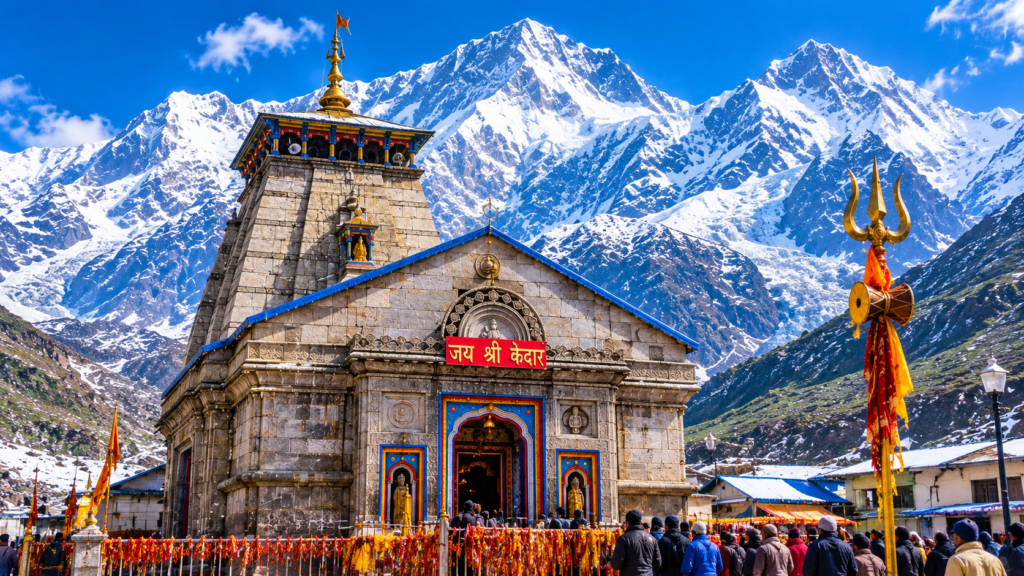
Unlike standard religious landmarks or holiday destinations, Kedarnath Temple is completely inaccessible for nearly six months of the year. Due to intense snow accumulation and freezing sub-zero environments, the region undergoes a total civilian closure during the winter. The exact operating window is strictly determined each year by the priests at the Omkareshwar Temple in Ukhimath using the traditional Hindu Panchang calendar, with announcements managed by the Shri Badrinath-Kedarnath Temple Committee (BKTC).
- Official Opening Date (Kapat Reopening): 22 April 2026 at 08:00 AM (Announced on the holy day of Maha Shivratri).
- Tentative Closing Date (Kapat Closure): 11 November 2026 (Marking the festival of Bhai Dooj).
When the temple gates close in November, the symbolic dynamic energy of Lord Kedarnath (the Utsav Murti) is ritualistically down-shadowed to Ukhimath. For the remaining six months, regular worship continues there while the upper valley is left completely uninhabited under sheets of ice.

Deep Dive: Month-by-Month Temperature & Climate Matrix
The table below outlines the atmospheric conditions encountered across the entire operational and non-operational cycle of Kedarnath:
| Month | Average Day Temp | Average Night Temp | General Weather Conditions & Yatra Feasibility |
| January | 1.0°C | -8.4°C | Temple Closed: Extreme winter; heavy snow cover; completely inaccessible. |
| February | 2.4°C | -6.9°C | Temple Closed: Sub-zero freeze; sub-glacial pathways completely blocked. |
| March | 6.0°C | -3.5°C | Temple Closed: Transition phase; heavy frost with clearing winds. |
| April | 10.8°C | 0.5°C | Opening Month: Snow clearing operations active; crisp air; sub-zero nights. |
| May | 14.8°C | 3.8°C | Peak Travel Season: Bright days; clear sightlines; ideal for family trekking. |
| June | 17.1°C | 6.8°C | Warmest Window: Maximum visibility; pleasant daytime climate; peak crowds. |
| July | 16.5°C | 8.2°C | Monsoon Onset: High humidity; structural rainfall begins; risk of flash floods. |
| August | 15.9°C | 8.1°C | Peak Monsoon: Massive downpours (272 mm average); high risk of trail blockages. |
| September | 14.3°C | 5.3°C | Post-Monsoon Autumn: Pristine skies; clean atmosphere; panoramic peak views. |
| October | 10.6°C | 0.1°C | Late Autumn Chill: Rapidly dropping thermal conditions; frost on trails. |
| November | 6.9°C | -3.6°C | Closing Phase: Extreme winter conditions return; early snow squalls likely. |
| December | 3.7°C | -6.5°C | Temple Closed: Sub-zero freeze; permanent winter locks established. |
The Anatomy of the 16 km Trek: How Weather Shapes the Route
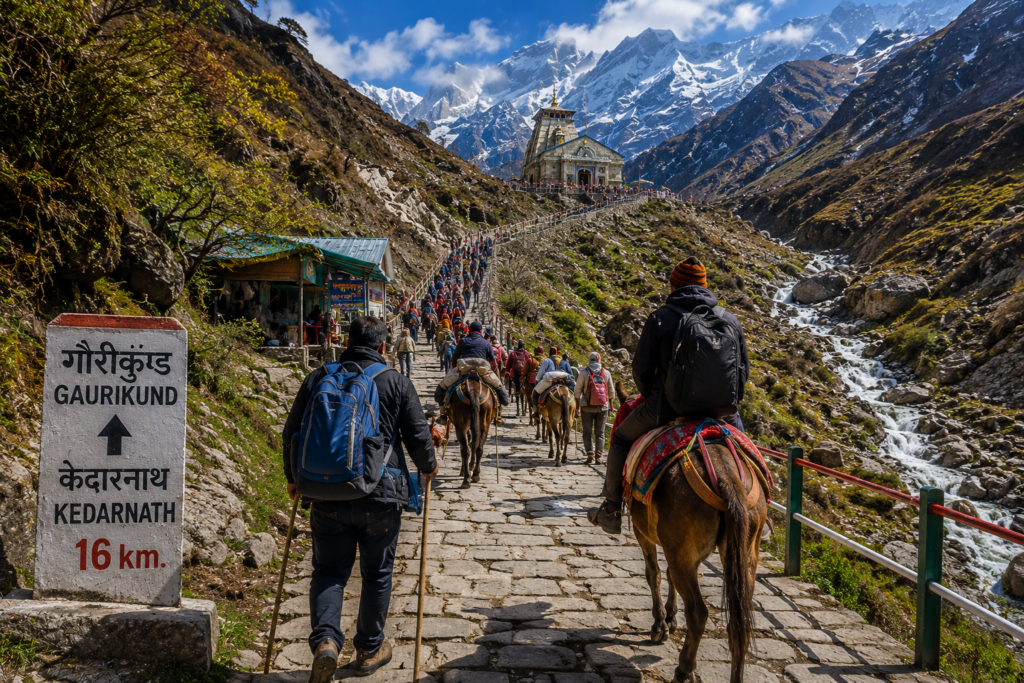
The legendary trek begins at Gaurikund, advancing upwards along an arduous 16-kilometer mountain path to the base of the Kedarnath shrine. The geographic layout features steep inclines, cliffside pathways inside the Kedarnath Wildlife Sanctuary, and direct exposures to the elements.
The Diurnal Temperature Paradox (Pre-Monsoon & Autumn)
During May, June, September, and October, the atmosphere experiences a pronounced thermal swing known as diurnal temperature variation. While daytime hours offer direct, warm alpine sunlight that can make walking feel comfortable at 15.0°C to 18.0°C, the moment the sun slips behind the Kedar Dome and adjacent ridges, temperatures drop instantly. Within an hour, the ambient temperature can plummet to near freezing.
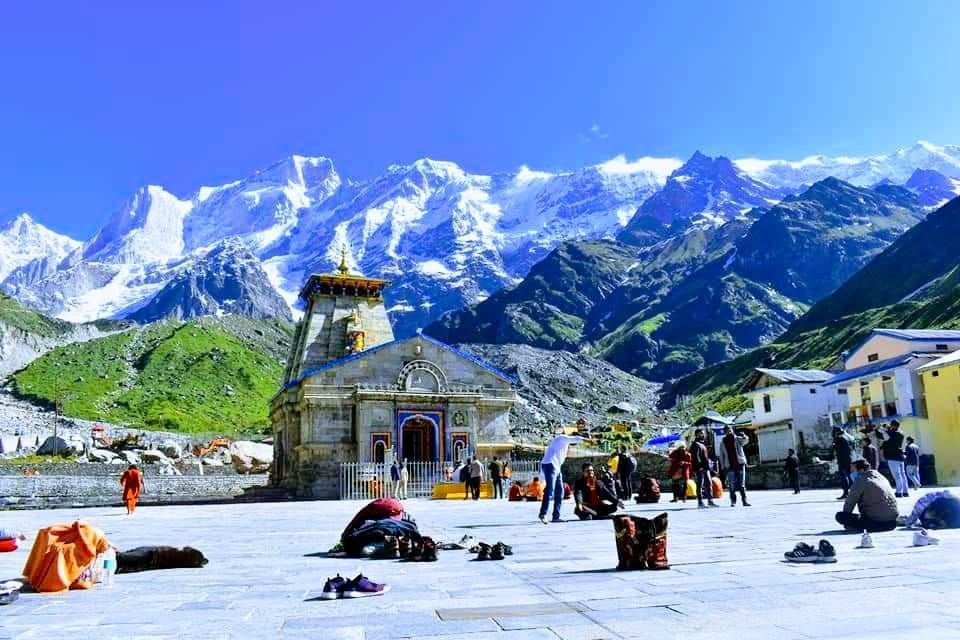
Pilgrims who fail to reach the base camp before sunset are often caught exposed on the open valley trail without adequate heavy thermal insulation, making them vulnerable to hypothermia.
The Micro-Climate Matrix of the Monsoon Months (July–August)
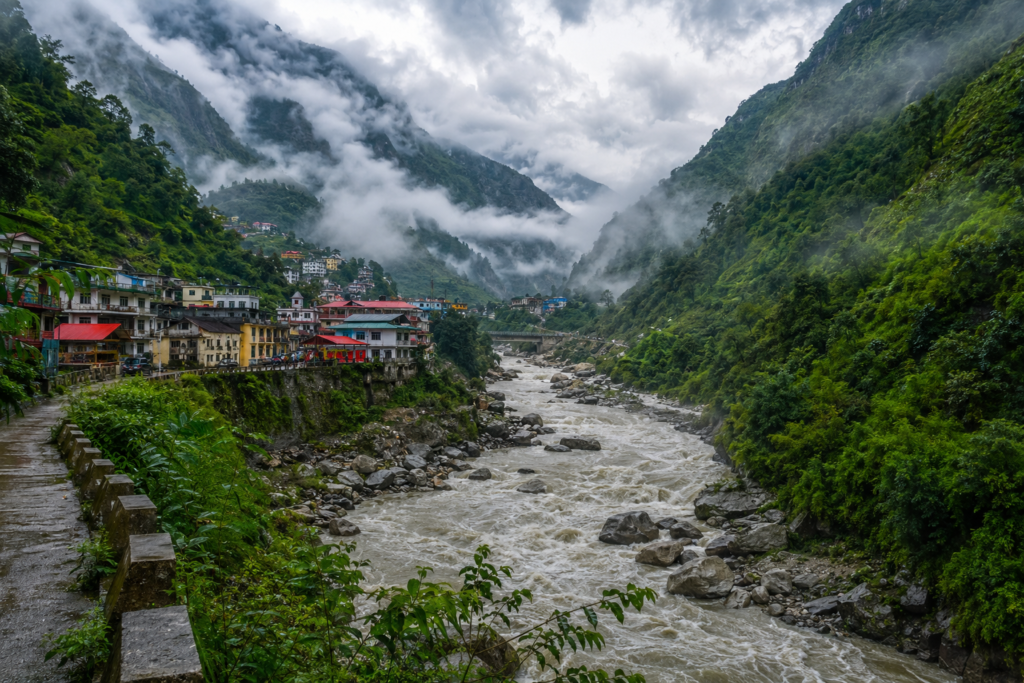
Traveling during the monsoon season demands extreme caution due to the structural volatility of the inner Himalayan range. The Mandakini River valley acts as a natural funnel for heavy rain clouds.
- Geological Landslide Zones: The stretch between Sonprayag, Gaurikund, and Jungle Chatti becomes prone to shooting stones and sudden mudslides.
- Atmospheric Inversions & Aviation Interruption: Helicopter flight corridors out of Phata, Guptkashi, and Sersi are heavily dependent on clear visibility. Sudden cloud blankets and thick valley fog can instantly ground all air operations, leaving passengers stranded for days.
- Flash Flood Vulnerability: The historical memory of the 2013 Chorabari Glacier lake outburst outburst serves as a reminder of why local authorities strictly monitor precipitation levels. Modern retaining walls built along the Mandakini and Saraswati rivers offer protection, but heavy rains still cause immediate trail closures for safety.
The Layering Protocol: Weather-Based Packing Checklist
Surviving the unpredictable changes of alpine mountain weather requires a technical approach to packing. Seven Sands Tourism recommends the following layering system:
1.The Base Layer: Thermal Regulation:Polyester or Merino Wool.
Avoid basic cotton undershirts entirely. Cotton absorbs sweat, stays damp, and quickly accelerates body cooling at high altitudes. Choose synthetic, moisture-wicking materials that keep your skin dry during heavy uphill ascents.
2.The Mid-Layer: Thermal Insulation:Fleece or Packable Down.
Pack a premium fleece jacket or a lightweight down sweater. This layer functions by trapping warm air generated by your body within its fibers, maintaining internal temperature as external conditions cool.
3.The Outer Layer: Weather Protection:Waterproof & Windproof Shell.
A heavy-duty Gore-Tex or similar technical rain jacket is vital. A full-coverage trekking poncho that covers both you and your backpack is highly effective. Do not rely on standard umbrellas; strong mountain winds will easily break them.
4.Lower Body & Extremities Support:Technical Footwear & Accessories.
Wear high-traction, broken-in trekking shoes featuring deep rubber lugged soles to handle wet rock, mud, or slush. Bring moisture-wicking synthetic socks, thermal gloves, and a fleece beanie to prevent rapid heat loss from your head.
Expert Travel Tips for a Secure Journey
Incorporate Itinerary Padding: When arranging flights home from Dehradun or Delhi via Seven Sands Tourism, add a 48-hour buffer window if traveling between July and August to account for potential weather delays.
Mandatory Biometric Registration: Every visitor must complete a formal Yatra registration via the official Uttarakhand Tourism Care portal prior to crossing checkposts.
Strict Adherence to Trail Timing Windows: The local wildlife sanctuary authorities enforce strict daily movement schedules. Uphill trekking from Gaurikund is generally stopped by 01:30 PM to ensure all pilgrims reach the top safely before nightfall. Start your trek at 04:00 AM to give yourself a safe cushion.
Monitor the India Meteorological Department (IMD): Always track regional updates for the Rudraprayag district. If an “Orange” or “Red” alert for heavy rain or landslide warnings is issued, stop your journey at lower base hubs like Rishikesh, Haridwar, or Srinagar until conditions clear.
Night Temperature Trends in Kedarnath
The night temperatures in Kedarnath, a revered pilgrimage destination located in the Indian Himalayas, vary significantly throughout the year. Given its high altitude of over 3,500 meters, the region experiences cold, often frigid nights, particularly from late autumn through winter. Typically, the average night temperatures range between 2°C to 10°C, but during peak winter months, they can plummet to below freezing, sometimes dipping as low as -5°C to -7°C.
During the summer season, which spans from May to August, visitors can expect relatively pleasant night temperatures averaging around 10°C to 15°C. However, the temperature can drop considerably after sunset, creating a noticeable chill that makes it essential for travelers to prepare with appropriate clothing. As the monsoon sets in around July, there may be fluctuations in nighttime temperatures, accompanied by increased humidity and occasional rainfall.
In the autumn months from September to November, the temperatures begin to decline as winter approaches. Travelers during this period should prepare for cooler nights, with temperatures often falling to 5°C – 8°C. The transition into winter from late November onwards introduces harsher conditions, with night temperatures regularly falling near or below freezing.
For pilgrims planning their visit, understanding these night temperature trends is crucial. It allows them to pack suitable gear to ensure comfort during nighttime excursions, especially when exploring the stunning natural beauty surrounding Kedarnath. Being aware of the changing climate can significantly enhance the overall experience of this sacred location.
Day Temperature Trends in Kedarnath
Kedarnath, nestled in the breathtaking Himalayas of India, experiences a unique climatic pattern characterized by a diverse range of daytime temperatures throughout the year. The average daytime temperature in Kedarnath varies significantly based on the season, influencing the activities of both residents and visitors.
During the summer months of May and June, daytime temperatures in Kedarnath can rise to a comfortable range of around 15°C to 20°C (59°F to 68°F). This is the peak tourist season when many pilgrims flock to the famous Kedarnath Temple. The relatively mild weather allows for pleasant day hikes and exploration of the scenic environment.
As the monsoon approaches in July and August, temperatures begin to drop slightly, averaging between 10°C to 15°C (50°F to 59°F). The region experiences considerable rainfall during this time, which can lead to landslides, making certain trekking routes less accessible. Visitors should plan their daytime activities accordingly, as the weather can be unpredictable and rainy.
With the onset of autumn in September and October, Kedarnath begins to cool further. Daytime temperatures can range from 5°C to 12°C (41°F to 54°F). This is a particularly beautiful time to visit, as the landscapes transform, offering stunning views of snow-capped mountains. However, visitors should be prepared for cooler temperatures during their daytime excursions.
Winter, from November to April, brings a significant drop in temperatures. Daytime highs can hover around 0°C to 5°C (32°F to 41°F), with nights plunging well below freezing. Consequently, outdoor activities are considerably limited, and only the most adventurous trekkers should consider visiting during this season. Overall, understanding Kedarnath’s temperature trends is essential for planning a suitable visit and ensuring safety while enjoying the region’s natural beauty.
Impact of Weather on Travel Plans
The weather in Kedarnath plays a crucial role in shaping travel experiences, significantly affecting transportation, accommodation, and outdoor activities. Variability in climate can lead to unforeseen alterations in travel itineraries, requiring tourists to stay informed on real-time conditions to maximize their enjoyment and safety.
Transportation is one of the primary sectors influenced by the weather. The region’s mountainous terrain and winding roads mean that heavy rainfall or snowfall can lead to landslides or road closures, making it challenging for travelers to reach their intended destinations. Additionally, fluctuating temperatures can affect flight schedules and train services, emphasizing the importance of having contingency plans.

Accommodation options are similarly impacted by weather conditions. During peak tourist seasons, many lodges and hotels in Kedarnath are often fully booked. However, severe weather can cause last-minute cancellations as travelers prioritize safety. Potential visitors should consider booking flexible accommodation that allows for adjustments based on weather forecasts. Staying updated with the latest meteorological reports will not only assist in making informed choices for lodging but will also enhance the overall travel experience.
Lastly, outdoor activities such as trekking, temple visits, and sightseeing are heavily dependent on favorable weather conditions. Rainy days may hinder plans for hiking or other excursions, while extreme cold can discourage exploration. Being equipped with the appropriate clothing and gear for varying conditions is essential. Travelers should account for the possibility of weather-related interruptions to their plans, ensuring they allocate time for potential delays or changes in scheduled activities.
Tips for Visiting Kedarnath Based on Weather
Visiting Kedarnath requires careful planning, particularly when it comes to weather conditions that can vary significantly across different seasons. The region experiences heavy rainfall during the monsoon season, while winter brings chilly temperatures accompanied by occasional snowfall. Therefore, it is crucial to prepare adequately for any weather fluctuations to ensure a comfortable and enjoyable journey.
First and foremost, layering your clothing is an effective strategy when dressing for Kedarnath’s unpredictable climate. Start with a moisture-wicking base layer that sits close to the skin, as this helps keep sweat away from your body. Follow this with an insulating middle layer, such as fleece or a thermal top, to retain warmth. Lastly, a waterproof and windproof outer shell is essential to fend off rain and cold winds, particularly when trekking around the temple or during evening hours.
For footwear, sturdy, waterproof hiking boots with good grip are recommended, given the often slippery and uneven terrain leading to Kedarnath. Socks should be made of moisture-wicking material to keep your feet dry and prevent blisters during long walks. Additionally, pack a warm hat, gloves, and a scarf, as these accessories can significantly enhance comfort in colder weather.
Always keep an eye on the weather forecast before your trip. Depending on the season, you may encounter sudden changes, so it’s wise to be ready for temperatures that can drop rapidly. It’s beneficial to carry a small backpack equipped with essentials—such as snacks, water, and a first aid kit—especially during hikes. Lastly, ensuring you stay hydrated and nourished will help you acclimatize better to the altitude and the weather, which is crucial for a safe and enjoyable experience in Kedarnath.
Table of Contents
Conclusion: Understanding Kedarnath’s Climate
When planning a trip to Kedarnath, understanding the local climate is of paramount importance. This picturesque destination, known for its spiritual significance and natural beauty, experiences a variety of weather patterns influenced by its unique geographical location in the Himalayas. The region generally has a temperate climate, with significant variations in temperature and precipitation throughout the year. Visitors should be aware of these patterns to enhance their travel experience.
The peak tourist season in Kedarnath is during the summer months, specifically from May to June, when the weather is mild and welcoming. During this time, the climate is ideal for trekking and sightseeing, as the temperatures are more manageable, ranging from approximately 10°C to 20°C. Conversely, the monsoon season, which spans from July to September, brings heavy rainfall that can disrupt travel plans. Travelers are advised to keep this information in mind when scheduling their visits, as the rains can lead to landslides and road closures.
Winter, spanning from October to April, introduces frigid temperatures, with many areas experiencing snowfall. The temperatures can drop significantly, often reaching below freezing at night. For those seeking adventure during this time, proper winter gear becomes essential. Nevertheless, Kedarnath in winter presents a tranquil beauty that attracts a different type of tourist, though it requires adequate preparation due to the harsh conditions.
In summary, recognizing and adapting to Kedarnath’s climate is crucial for ensuring safety and maximizing enjoyment. By staying informed about current weather conditions and forecasts, travelers can plan effectively with seven sands tourism, making the most out of their visit to this spiritual haven nestled in the majestic Himalayas.
Frequently Asked Questions (FAQs)
Can I visit Kedarnath in December or January to see the snow?
No. The Kedarnath shrine, temple camp, local guesthouses, and trekking trails are completely closed from late November to mid-April. The region becomes a high-risk alpine zone covered in deep snow, with temperatures regularly dropping below 15.0°C. All administrative staff and safety teams move down to lower elevations for the winter.
What is the most stable month for a senior citizen to visit by helicopter?
May and September offer the best conditions. May provides warm daytime sunshine and stable air corridors, which reduces the likelihood of weather-related flight cancellations. September features very clear post-monsoon air, offering maximum visibility and exceptionally smooth helicopter operations.
How do sudden afternoon weather shifts affect the return trek?
Mountain valleys frequently experience an atmospheric build-up of moisture as the day warms up, often resulting in sudden downpours, thick rolling fog, or quick temperature drops after 02:00 PM. If you are caught on the return descent during an afternoon rainstorm, the stones become extremely slick, slowing down your walking speed and extending a standard 5-hour descent into a cold 8-hour challenge.
Does the air feel thin because of the weather or the altitude?
It is primarily due to the high altitude. At 3,583 meters, the atmospheric pressure is significantly lower than at sea level, meaning there are fewer oxygen molecules per breath. Cold, damp monsoon weather can make breathing feel even more challenging. It is vital to take a steady, slow pace and consider overnight acclimatization at Guptkashi or Sonprayag before attempting the climb.
If my helicopter flight is cancelled due to heavy fog, what are my options?
Safety is the absolute priority for aviation teams. If thick valley fog grounds flights, operators will wait for clear weather windows. If the delay extends through the day, passengers must either wait for the next open slot or switch to the 16 km walking path. Seven Sands Tourism always advises keeping a flexible schedule to help manage these unexpected changes comfortably.
Can I bypass the Sonprayag checkpoint if I already have confirmed hotel or helicopter bookings?
No. A common mistake pilgrims make is assuming that a paid hotel booking or an advance helicopter ticket acts as an entry permit. Local security forces at the Sonprayag and Gaurikund checkpoints enforce strict rules: no valid QR-coded Yatra Pass means no entry, regardless of how much you have spent on your itinerary. You must complete your registration on the official Uttarakhand Tourism portal beforehand to avoid being turned back at the gates.
What happens to the trek if the India Meteorological Department (IMD) issues a sudden weather warning?
The local administration prioritizes pilgrim safety above all else. If the IMD issues a sudden “Red” or “Orange” alert for heavy downpours, cloudbursts, or landslides in the Rudraprayag district, the yatra is temporarily suspended. Security teams will physically halt all foot traffic at Gaurikund and turn off helicopter flight paths until the trail is cleared and declared structurally stable by structural engineers.
Is a medical fitness certificate legally mandatory to attempt the trek?
While anyone can complete the standard online registration, the government strongly recommends a comprehensive medical check-up before arrival—especially for senior citizens, children, or anyone with a history of respiratory or cardiovascular issues. Due to the rapid altitude gains and thin alpine air, medical screening camps are set up on the ground at Sonprayag and Gaurikund. If high-altitude medical officers deem a pilgrim physically unfit due to severe blood pressure spikes or low oxygen levels, they have the authority to halt their trek for safety.