

The 51 Shakti Peeth are among the holiest pilgrimage sites in Hinduism dedicated to Goddess Shakti. According to Hindu mythology, these sacred temples were formed when Lord Shiva carried the body of Goddess Sati after her self-immolation. During this journey, different body parts of Goddess Sati fell at various places across the Indian subcontinent, and these places became powerful Shakti Peeths.
Today, devotees visit these divine temples to seek blessings, spiritual peace, protection, and divine energy. Each Shakti Peeth has unique importance, sacred history, and powerful spiritual vibrations. From the famous Kamakhya Temple in Assam to the holy Kalighat Temple in Kolkata, every shrine attracts millions of pilgrims every year.
This complete guide by Seven Sands Tourism covers the 51 Shakti Peeth list in India, their states, body parts associated with Goddess Sati, significance, and the best time to visit.
What is Shakti Peeth?
A Shakti Peeth is a sacred shrine dedicated to Goddess Shakti. These temples are considered highly spiritual because parts of Goddess Sati’s body, ornaments, or clothing are believed to have fallen at these locations.
The word:
- “Shakti” means Divine Feminine Power
- “Peeth” means Seat or Sacred Place
Devotees believe visiting Shakti Peeths removes negativity, fulfills wishes, and brings spiritual awakening.
Importance of 51 Shakti Peeths
The 51 Shakti Peeths hold great importance in Hinduism because:
- They represent divine feminine energy
- They are linked with Lord Shiva and Goddess Sati
- They are powerful spiritual centers
- Many temples are connected with Tantra worship
- Pilgrims believe prayers here bring blessings and protection

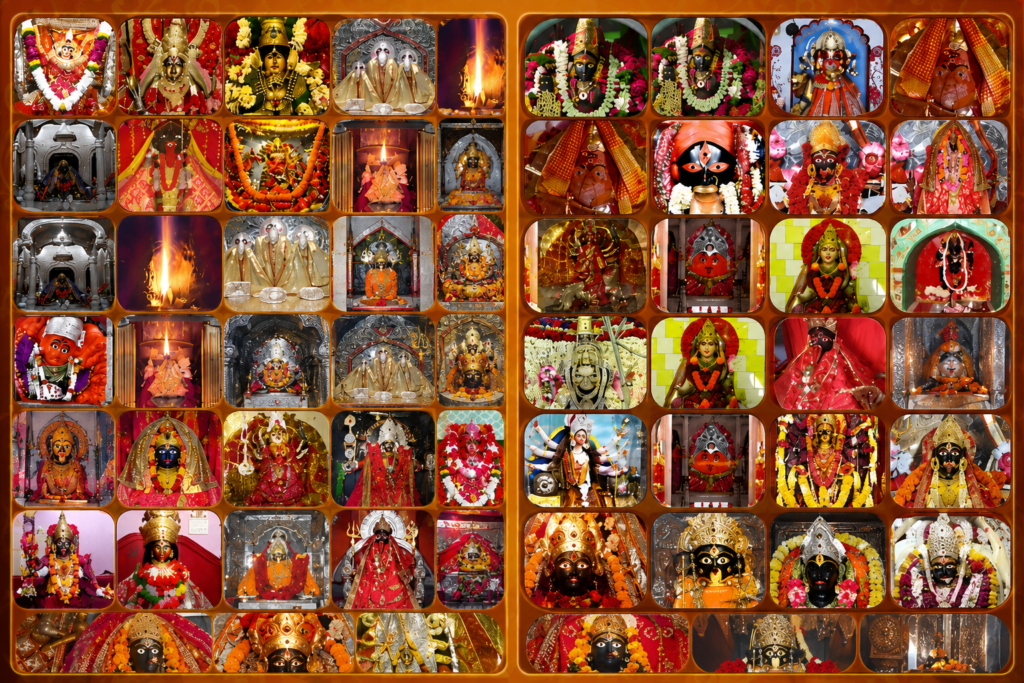
51 Shakti Peeth List with states in India
The 51 Shakti Peeths in India are among the most sacred pilgrimage destinations dedicated to Goddess Shakti and deeply connected with Hindu mythology. These holy temples are believed to be the places where body parts of Goddess Sati fell, making each shrine spiritually powerful and highly important for devotees.
From Kamakhya Temple in Assam to Vishalakshi Temple in Varanasi, every Shakti Peeth has unique divine significance, history, and spiritual energy. Thousands of pilgrims visit these sacred locations every year for blessings, peace, and devotion. Seven Sands Tourism offers comfortable Shakti Peeth pilgrimage tours across India with customized spiritual travel packages for families and devotees.
1. Kamakhya Temple – Assam
- Body Part: Yoni
- Importance: One of the most powerful Shakti Peeths in India
- Best Time to Visit: October to March
2. Kalighat Temple – West Bengal
- Body Part: Right Toe
- Importance: Famous Kali temple in Kolkata
- Best Time: October to February
3. Jwala Devi Temple – Himachal Pradesh
- Body Part: Tongue
- Importance: Eternal flame worship
- Best Time: March to June
4. Vaishno Devi – Jammu & Kashmir
- Body Part: Spiritual manifestation
- Importance: One of the most visited shrines
- Best Time: March to October
5. Hinglaj Mata Temple – Gujarat Tradition
- Body Part: Head
- Importance: Ancient desert pilgrimage site
- Best Time: November to February
6. Naina Devi Temple – Himachal Pradesh
- Body Part: Eyes
- Importance: Sacred hill temple
- Best Time: March to June
7. Vishalakshi Temple – Varanasi, Uttar Pradesh
- Body Part: Earrings
- Importance: Important Kashi Shakti Peeth
- Best Time: October to March
8. Mansa Devi Temple – Haridwar, Uttarakhand
- Body Part: Head part
- Importance: Popular wish-fulfillment temple
- Best Time: September to April
9. Chamundeshwari Temple – Karnataka
- Body Part: Hair
- Importance: Famous Mysore hill temple
- Best Time: October to February
10. Mahalakshmi Temple – Maharashtra
- Body Part: Eyes
- Importance: Wealth and prosperity blessings
- Best Time: October to March
11. Tara Tarini Temple – Odisha
- Body Part: Breasts
- Importance: Ancient tantric shrine
- Best Time: October to February
12. Kanyakumari Temple – Tamil Nadu
- Body Part: Back
- Importance: Southernmost Shakti shrine
- Best Time: November to February
13. Ambaji Temple – Gujarat
- Body Part: Heart
- Importance: Major pilgrimage center
- Best Time: August to March
14. Saptashrungi Temple – Maharashtra
- Body Part: Right Arm
- Importance: Mountain temple of Goddess Durga
- Best Time: October to February
15. Meenakshi Temple – Tamil Nadu
- Body Part: Shoulder
- Importance: Architectural wonder
- Best Time: October to March
16. Chintpurni Temple – Himachal Pradesh
- Body Part: Feet
- Importance: Removes worries and obstacles
- Best Time: March to June
17. Biraja Temple – Odisha
- Body Part: Navel
- Importance: Ancient spiritual center
- Best Time: October to February
18. Kireeteshwari Temple – West Bengal
- Body Part: Crown
- Importance: Sacred crown location
- Best Time: November to February
19. Sugandha Devi – Bangladesh Tradition
- Body Part: Nose
- Importance: Ancient Shakti shrine
- Best Time: Winter season
20. Bahula Temple – West Bengal
- Body Part: Left Arm
- Importance: Peaceful spiritual temple
- Best Time: October to February
21. Ujjaini Harsiddhi Temple – Madhya Pradesh
- Body Part: Elbow
- Importance: Famous Ujjain Shakti temple
- Best Time: October to March
22. Bhairavi Temple – Assam
- Body Part: Neck
- Importance: Powerful tantric worship
- Best Time: October to March
23. Tripura Sundari Temple – Tripura
- Body Part: Right Foot
- Importance: One of the oldest Shakti Peeths
- Best Time: October to February
24. Devikup Temple – Haryana
- Body Part: Ankle
- Importance: Kurukshetra pilgrimage spot
- Best Time: October to March
25. Lalita Devi Temple – Prayagraj
- Body Part: Finger
- Importance: Sacred Sangam region temple
- Best Time: October to March
26. Sharda Peeth – Kashmir Tradition
- Body Part: Right Hand
- Importance: Ancient knowledge center
- Best Time: Summer months
27. Kanchi Kamakshi Temple – Tamil Nadu
- Body Part: Navel
- Importance: Major South Indian Shakti shrine
- Best Time: November to February
28. Bhramari Devi Temple – West Bengal
- Body Part: Left Leg
- Importance: Goddess of divine bees
- Best Time: October to February
29. Jaintia Shakti Peeth – Meghalaya
- Body Part: Left Thigh
- Importance: Sacred northeastern temple
- Best Time: October to April
30. Mangala Gauri Temple – Bihar
- Body Part: Breast
- Importance: Important Gaya pilgrimage site
- Best Time: October to March
31. Ratnavali Temple – West Bengal
- Body Part: Right Shoulder
- Importance: Ancient spiritual shrine
- Best Time: Winter season
32. Attahas Temple – West Bengal
- Body Part: Lower Lip
- Importance: Famous tantric temple
- Best Time: October to February
33. Fullara Temple – West Bengal
- Body Part: Upper Lip
- Importance: Peaceful village temple
- Best Time: November to February
34. Kalmadhav Temple – Madhya Pradesh
- Body Part: Left Buttock
- Importance: Historic pilgrimage center
- Best Time: October to March
35. Nandikeshwari Temple – West Bengal
- Body Part: Necklace
- Importance: Sacred ornament location
- Best Time: October to February
36. Janasthan Temple – Maharashtra
- Body Part: Chin
- Importance: Linked with Ramayana region
- Best Time: October to February
37. Bakreshwar Temple – West Bengal
- Body Part: Forehead
- Importance: Hot spring temple
- Best Time: Winter season
38. Vibhash Temple – West Bengal
- Body Part: Left Ankle
- Importance: Spiritual coastal temple
- Best Time: November to February
39. Sri Parvat Temple – Andhra Pradesh
- Body Part: Right Ear
- Importance: Sacred hill shrine
- Best Time: October to March
40. Prabhas Temple – Gujarat
- Body Part: Stomach
- Importance: Near Somnath region
- Best Time: November to February
41. Mithila Shakti Peeth – Bihar
- Body Part: Left Shoulder
- Importance: Associated with Goddess Sita
- Best Time: October to March
42. Bahucharaji Temple – Gujarat
- Body Part: Hand Ornament
- Importance: Important Gujarat temple
- Best Time: October to February
43. Kurukshetra Bhadrakali Temple – Haryana
- Body Part: Ankles
- Importance: Mahabharata connection
- Best Time: October to March
44. Renuka Temple – Himachal Pradesh
- Body Part: Neck Ornament
- Importance: Scenic lake temple
- Best Time: March to June
45. Bhimashankar Temple Region – Maharashtra
- Body Part: Spiritual energy point
- Importance: Forest pilgrimage center
- Best Time: October to February
46. Mahur Renuka Devi – Maharashtra
- Body Part: Face
- Importance: Popular Devi temple
- Best Time: October to February
47. Kolhapur Mahalakshmi – Maharashtra
- Body Part: Eyes
- Importance: One of the richest temples
- Best Time: October to March
48. Vindhyavasini Temple – Uttar Pradesh
- Body Part: Divine energy manifestation
- Importance: Powerful Devi temple
- Best Time: October to March
49. Kangra Brajeshwari Temple – Himachal Pradesh
- Body Part: Breast
- Importance: Historic temple destroyed and rebuilt many times
- Best Time: March to June
50. Patan Devi Temple – Bihar
- Body Part: Right Thigh
- Importance: Ancient Patna temple
- Best Time: October to March
51. Mahamaya Temple – Chhattisgarh
- Body Part: Divine form manifestation
- Importance: Popular spiritual destination
- Best Time: October to February

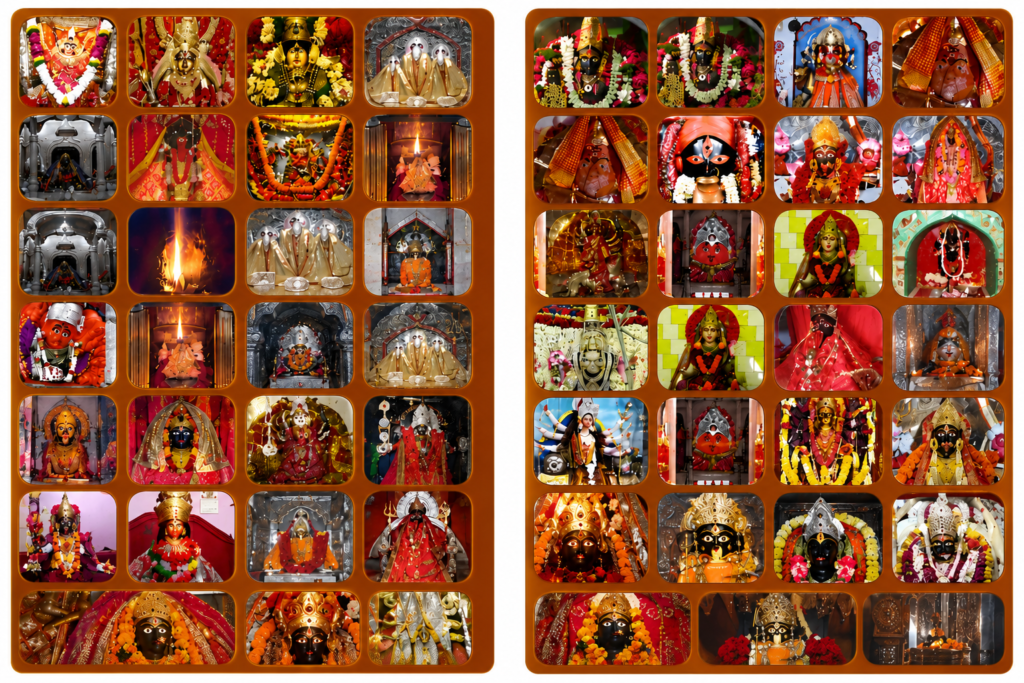
Best Time to Visit Shakti Peeths in India
The ideal time to visit most Shakti Peeths is between October and March when the weather remains pleasant for temple दर्शन and pilgrimage journeys.
Festival seasons like:
- Navratri
- Durga Puja
- Diwali
- Chaitra Navratri
are considered highly auspicious for visiting Shakti temples.
Famous Shakti Peeth Pilgrimage Circuits
Famous Shakti Peeth pilgrimage circuits in India attract thousands of devotees seeking spiritual blessings, divine energy, and sacred temple experiences. Popular routes include the North India Shakti Peeth Circuit covering Vaishno Devi, Jwala Devi, and Naina Devi, the East India Circuit featuring Kamakhya Temple and Kalighat Temple, and the South India Circuit including Meenakshi Temple and Kanyakumari Temple.
These spiritual journeys offer a perfect blend of devotion, culture, and heritage. Many pilgrims also visit Vishalakshi Temple in Varanasi as part of their sacred yatra. Seven Sands Tourism provides comfortable Shakti Peeth tour packages with transport, accommodation, sightseeing, and customized pilgrimage plans across India.
North India Shakti Peeth Tour
- Vaishno Devi
- Jwala Devi
- Naina Devi
- Chintpurni
East India Shakti Peeth Tour
- Kamakhya Temple
- Kalighat Temple
- Tara Tarini Temple
South India Shakti Peeth Tour
- Meenakshi Temple
- Kanyakumari Temple
- Kamakshi Temple
Why Devotees Visit Shakti Peeths
People visit Shakti Peeth temples for:
- Spiritual growth
- Protection from negativity
- Fulfillment of wishes
- Divine blessings
- Peace and meditation
- Family prosperity
The Story of Sati and Shiva: Origin of the 51 Shakti Peeths
The story of Sati and Shiva is one of the most powerful and emotional legends in Hindu mythology, symbolizing eternal love, devotion, and divine energy. Goddess Sati, the daughter of King Daksha, married Lord Shiva against her father’s wishes. During a grand yajna organized by Daksha, Lord Shiva was insulted, and Sati, unable to bear the disrespect toward her husband, sacrificed herself in the sacred fire.
Heartbroken, Lord Shiva carried Sati’s body across the universe in grief. It is believed that the places where parts of Goddess Sati’s body fell became the sacred 51 Shakti Peeths. Today, these holy temples are major pilgrimage destinations visited by devotees across India. Seven Sands Tourism offers spiritual Shakti Peeth tour packages for a divine pilgrimage experience.
Shakti Peeths and Sacred Shakti Temples in Assam
Kamakhya Temple, located on Nilachal Hill in Guwahati, is the most famous and revered Shakti Peeth in Assam and one of the most important centers of Goddess worship in India. According to Hindu tradition, the sacred yoni of Goddess Sati is believed to have fallen here, making it a powerful spiritual destination for devotees.
Along with Kamakhya Temple, Assam is home to several important Shakti shrines, including Ugratara Temple, Maa Bhubaneswari Temple, Doul Govinda Temple Hill Shrine, Bagalamukhi Temple, Tamreswari Temple, Deopani Durga Temple, and Maa Mahamaya Temple, each holding unique religious significance and attracting pilgrims throughout the year. The temples are known for their ancient traditions, vibrant festivals, and deep connection to Shakti worship.
Among all these sacred sites, Kamakhya Temple remains the principal Shakti Peeth of Assam and a major destination for devotees seeking divine blessings, spiritual growth, and participation in the renowned Ambubachi Mela. Seven Sands Tourism offers customized Assam pilgrimage tours covering Kamakhya Temple and other important Shakti temples, providing devotees with a comfortable and spiritually enriching travel experience.
Shakti Peeths and Sacred Shakti Temples in Gujarat
Ambaji Temple is one of the most revered Shakti Peeths in India and a major pilgrimage destination dedicated to Maa Amba. Located in northern Gujarat, the temple attracts devotees throughout the year, especially during Navratri. Nearby Gabbar Hill is considered the original seat of the Goddess and holds immense spiritual significance, with many devotees believing it to be the sacred place associated with the divine presence of Maa Amba.
Prabhas Shakti Peeth, situated near Somnath, is another important Shakti worship site where, according to tradition, a part of Goddess Sati is believed to have fallen. Bahucharaji Temple in Mehsana district is one of Gujarat’s most famous Shakti shrines, drawing pilgrims seeking blessings for strength, protection, and prosperity.
Pavagadh Kalika Mata Temple, located atop Pavagadh Hill, is a highly revered temple dedicated to Maa Kali and is visited by thousands of devotees every year. Although Hinglaj Mata Temple is traditionally located in present-day Balochistan, Pakistan, it remains deeply respected by devotees from Gujarat and is spiritually connected to the Shakti tradition followed across the state.
Together, Ambaji Temple, Gabbar Hill, Prabhas Shakti Peeth, Bahucharaji Temple, Pavagadh Kalika Mata Temple, and Hinglaj Mata Temple form some of the most important centers of Goddess worship for devotees visiting Gujarat. Seven Sands Tourism offers customized pilgrimage tours covering these sacred destinations, ensuring a comfortable and spiritually enriching travel experience.
Shakti Peeths in West Bengal
West Bengal is home to several revered Shakti Peeths that attract devotees from across India. Kalighat Kali Temple is one of the most famous Shakti Peeths, dedicated to Maa Kali and regarded as a major center of Shakti worship. Tarapith Temple is renowned for the worship of Maa Tara and its deep connection with Tantric traditions. Attahas Shakti Peeth is believed to be the place where a part of Goddess Sati fell and remains an important pilgrimage site.
Nandikeshwari Temple is another sacred shrine associated with the Shakti Peeth tradition. Kankalitala Temple is revered as a powerful seat of the Divine Mother and attracts thousands of devotees. Bakreshwar Shakti Peeth is known for its spiritual significance and nearby hot springs. Nalhateswari Temple is a respected Shakti shrine where devotees seek blessings for peace and prosperity.
Bahula Shakti Peeth, Kiriteswari Temple, and Jogadya Temple are also among the prominent Shakti Peeths of the state. Together, Kalighat, Tarapith, Attahas, Nandikeshwari, Kankalitala, Bakreshwar, Nalhateswari, Bahula, Kiriteswari, and Jogadya form an important spiritual circuit for devotees seeking the blessings of the Divine Mother. Seven Sands Tourism offers customized pilgrimage tours to these sacred Shakti Peeths, helping travelers experience the rich spiritual heritage of West Bengal comfortably and conveniently.
Conclusion
The 51 Shakti Peeths are not just temples but powerful spiritual destinations deeply connected with Hindu mythology and divine feminine energy. Every temple has its own sacred story, traditions, and importance that attract millions of devotees throughout the year.
From the holy ghats of Varanasi to the hills of Himachal Pradesh and the spiritual temples of South India, these sacred locations offer a divine experience filled with faith, devotion, and cultural heritage.
For a comfortable and spiritual pilgrimage experience, Seven Sands Tourism offers customized Shakti Peeth tours, temple pilgrimage packages, and guided spiritual journeys across India.
Table of Contents
Frequently Asked Questions (FAQs)
What are the 51 Shakti Peeths in India?
The 51 Shakti Peeths in India are sacred Hindu temples dedicated to Goddess Shakti. These holy places are believed to be the locations where body parts of Goddess Sati fell after Lord Shiva carried her divine body across the universe.
How many Shakti Peeth are there in India?
According to Hindu mythology, there are 51 major Shakti Peeth temples located across India and nearby regions. Some traditions also mention 52 Shakti Peeths based on different ancient texts and beliefs.
Which is the most powerful Shakti Peeth in India?
Kamakhya Temple in Assam is considered one of the most powerful Shakti Peeths in India. The temple is famous for its spiritual energy, tantric worship, and yearly Ambubachi festival.
Where can I find the complete 51 Shakti Peeth list with states?
The complete 51 Shakti Peeth list with states includes famous temples located in Assam, West Bengal, Uttar Pradesh, Himachal Pradesh, Tamil Nadu, Gujarat, Maharashtra, Odisha, and many other parts of India.
What is the difference between 51 Shakti Peeth and 52 Shakti Peeth?
Many devotees search for both 51 Shakti Peeth and 52 Shakti Peeth because different Hindu scriptures mention slightly different counts. However, the 51 Shakti Peeth list is the most commonly accepted among pilgrims.
Which Shakti Peeth is located in Varanasi?
Vishalakshi Temple in Varanasi is one of the most important Shakti Peeth temples in India. It is located near the sacred Kashi Vishwanath Temple and is visited by thousands of devotees every year.
What is the best time to visit Shakti Peeth temples in India?
October to March is considered the best time to visit Shakti Peeth temples because the weather remains pleasant for pilgrimage tours and temple darshan across different states in India.
Does Seven Sands Tourism provide Shakti Peeth tour packages?
Yes, Seven Sands Tourism offers customized Shakti Peeth pilgrimage tour packages across India with transport, accommodation, temple sightseeing, spiritual guidance, and comfortable travel arrangements for families and devotees.
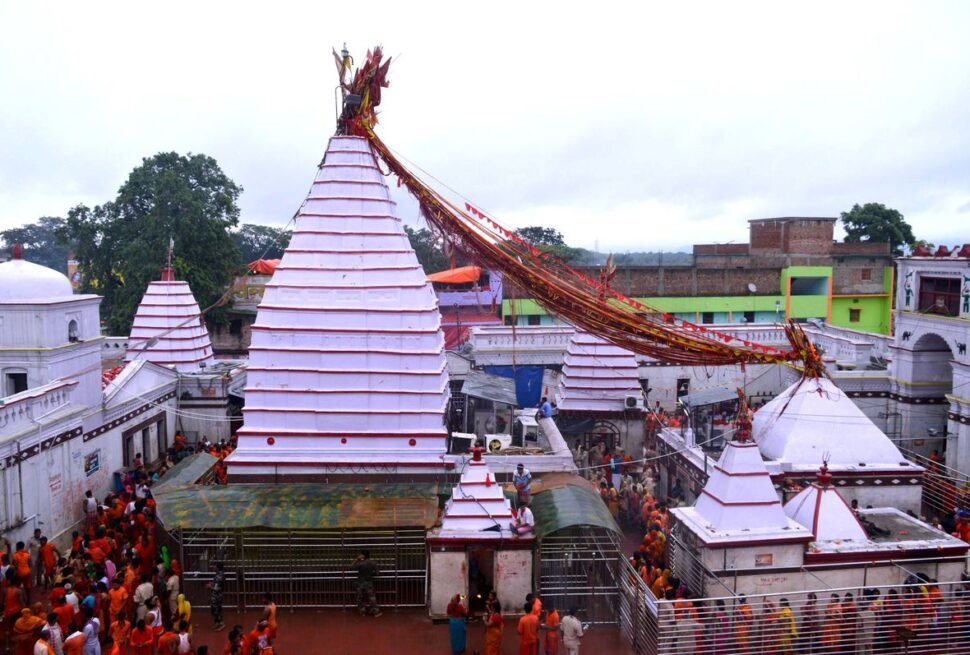
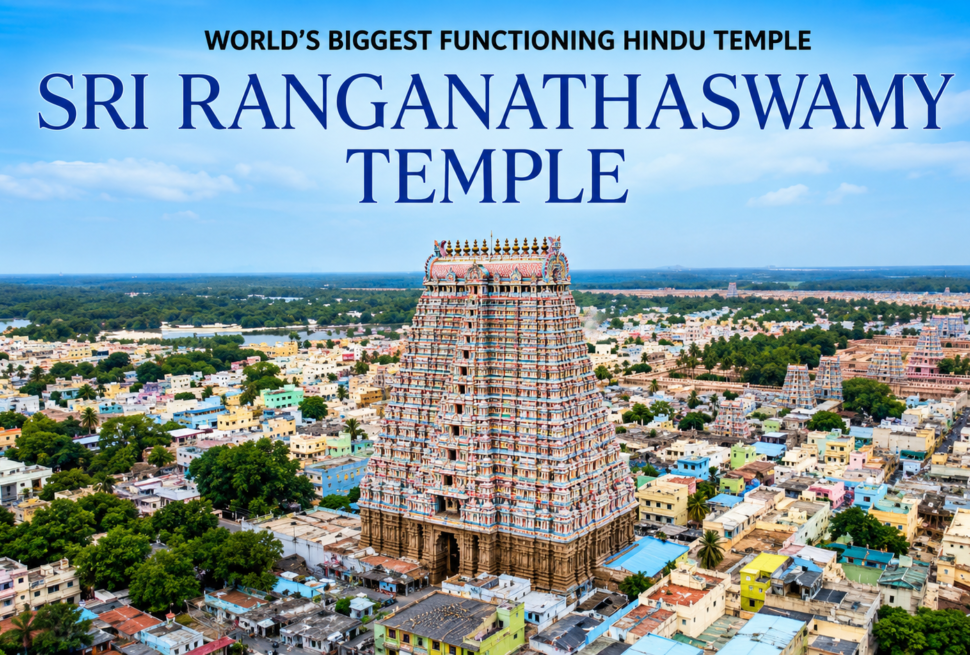

[…] to Hindu mythology, the temple is believed to be located at one of the thirty-two Shakti Peethas, which are sacred sites that honor the body parts of the goddess Sati. The legend attributes the […]