
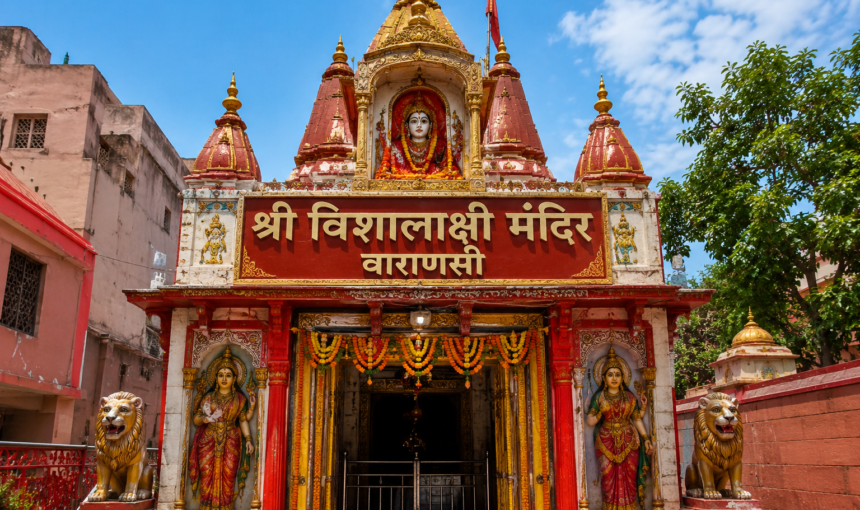
Introduction to Vishalakshi Temple
The Vishalakshi Temple, located in the sacred city of Varanasi, holds immense cultural and spiritual significance in Hinduism. This revered temple is dedicated to Goddess Vishalakshi, who is regarded as one of the prominent forms of Shakti and is believed to impart strength and wisdom to her devotees. Nestled on the banks of the River Ganges, the temple not only serves as a spiritual center but also captivates visitors with its rich history and architectural beauty.
According to Hindu mythology, Vishalakshi is linked with the legendary Sati and her transformation into the primordial Shakti. It is believed that after Sati’s demise, Lord Shiva wandered the earth carrying her lifeless body, which ultimately resulted in the creation of the Shakti Peethas—the sacred sites representing the feminine energy of the universe. The Vishalakshi Temple is considered one of these significant Shakti Peethas, believed to be built where the ears of Sati fell, making it a key pilgrimage site for millions of devotees seeking her blessings.
Embark on a soulful journey with our Kashi Ayodhya Tour Package 3 Nights 4 Days from Bangalore, specially crafted for…
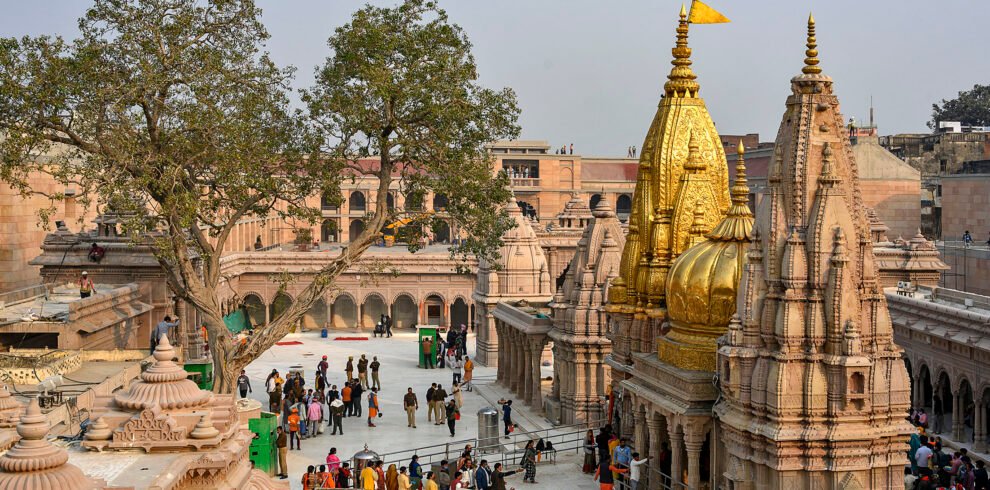
Experience divine bliss with our Kashi Ayodhya Tour Package from Bangalore 4N/5D, designed by Seven Sands Tourism for devotees seeking…
As one of the 51 Shakti Peethas, Vishalakshi Temple is renowned for its spiritual ambiance, attracting not only local worshippers but also pilgrims from various regions across India and beyond. The temple’s history adds to its allure, as it has witnessed numerous events and transformations over centuries, showcasing its resilience and adherence to tradition. Visitors can engage in various rituals and ceremonies that take place daily, enhancing their overall spiritual experience. The temple stands not only as a religious site but also as a testament to the rich cultural fabric of Varanasi, making it a must-visit destination for anyone exploring the spiritual landscape of this ancient city.
History of Vishalakshi Temple
The Vishalakshi Temple, located in the sacred city of Varanasi, is a revered site that holds immense historical and cultural significance. Its roots trace back to ancient times, with various references indicating that the temple was initially constructed around the 6th century. The temple is dedicated to Goddess Vishalakshi, who is considered one of the manifestations of the Goddess Parvati, and it stands as a vital link in the rich tapestry of Hindu mythology.
Throughout its history, the Vishalakshi Temple has experienced numerous reconstructions and restorations, particularly during the Mughal era and the period of British colonial rule. One of the most notable events in its history took place during the 18th century when the temple was patronized by the Kashi Naresh royal family. The kings of Kashi played a crucial role in not only supporting Hindu rituals but also in upholding the temple’s sanctity against various invasions, especially under rulers who sought to suppress Hindu practices.
The temple is believed to be located on the site of what was once the original temple dedicated to the Goddess, which was destroyed during the Muslim conquests. The most significant phase of temple rebirth occurred in 1777 when it was rebuilt by Queen Ahilya Bai Holkar, a prominent figure in Indian history noted for her commitment to religious and cultural preservation. Under her patronage, the temple flourished as a center for spiritual and religious activities, welcoming countless pilgrims and devotees.
In the years following its reconstruction, the temple continued to evolve, with additions and modifications that reflected changes in architectural styles and religious practices. Today, the Vishalakshi Temple stands as a testament to the resilience of faith and devotion, drawing thousands of visitors each year who seek blessings from the Goddess.
Architectural Features of the Temple
The Vishalakshi Temple in Varanasi is a remarkable example of traditional Hindu architecture, reflecting the spiritual significance and cultural heritage of its location. The structure showcases a unique amalgamation of intricate artistic designs, robust construction materials, and a harmonious layout, which collectively underline the religious devotion of the devotees who visit the site.
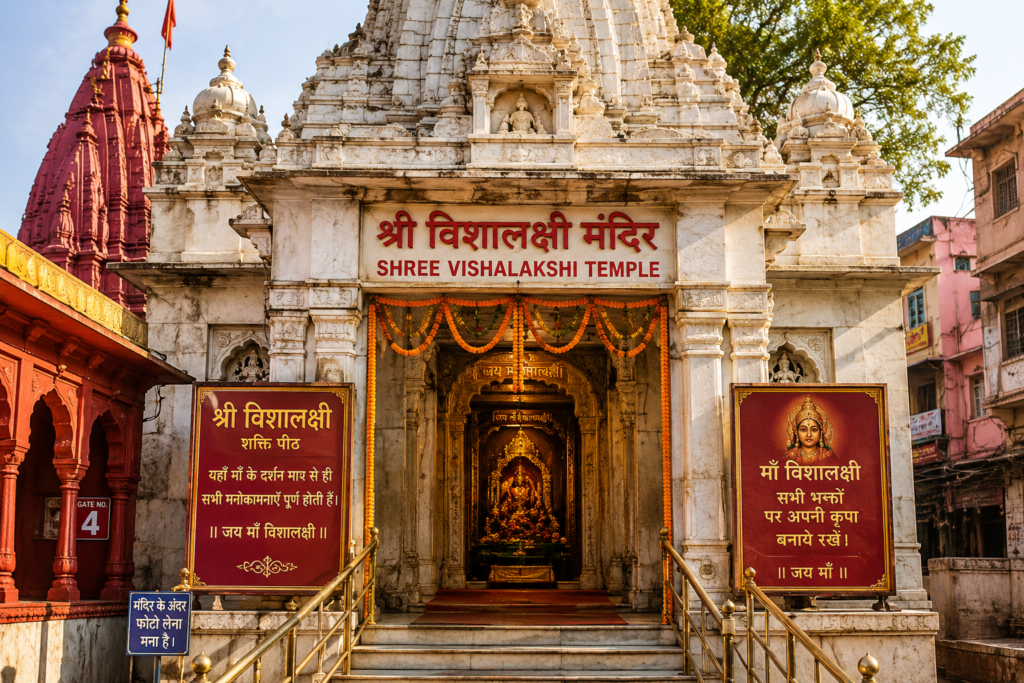
One of the most striking architectural features of the temple is its towering shikhara, or spire, which is adorned with detailed carvings depicting various deities and celestial beings. The shikhara not only elevates the temple’s prominence in the city’s skyline but also symbolizes the ascent of the soul striving to attain divinity. The ornate carvings, often crafted from sandstone and granite, showcase the exceptional skills of artisans and reflect the classical style prevalent during its construction periods.
The temple’s sanctum sanctorum, or ‘garbhagriha’, is designed to house the idol of Goddess Vishalakshi. It is enveloped by a series of mandapas, or pillared halls, which serve the dual purpose of facilitating the flow of visitors and enhancing the aesthetic appeal of the temple. The use of locally sourced materials, such as stone and rich marbles, not only gives the temple a sturdy foundation but also connects it deeply with the geographic and cultural landscape of Varanasi.
Moreover, the layout of the temple is intentionally designed to promote a sense of tranquility and meditation for the visitors. The inclusion of water bodies around the temple further enhances the spiritual ambiance, creating a serene environment conducive to prayer and reflection. As visitors marvel at the architectural brilliance of the Vishalakshi Temple, they are immersed in an experience that transcends mere aesthetics, embodying the profound cultural narratives that have evolved around this sacred site.
Religious Significance of Vishalakshi Temple
The Vishalakshi Temple, situated in the holy city of Varanasi, holds substantial religious significance in Hinduism, particularly among devotees of the Shakti tradition. This revered shrine is dedicated to Goddess Vishalakshi, who is considered a manifestation of Shakti, the divine feminine energy. The belief is that worshipping here grants strength, purity, and enlightenment to the soul, making it a pivotal site for spiritual seekers.
According to Hindu mythology, the temple is believed to be located at one of the thirty-two Shakti Peethas, which are sacred sites that honor the body parts of the goddess Sati. The legend attributes the deity’s presence to the fallen ear of Sati, which is said to have landed at this location. As a result, devotees fervently believe that visiting the temple and performing rituals invokes divine blessings and protection.
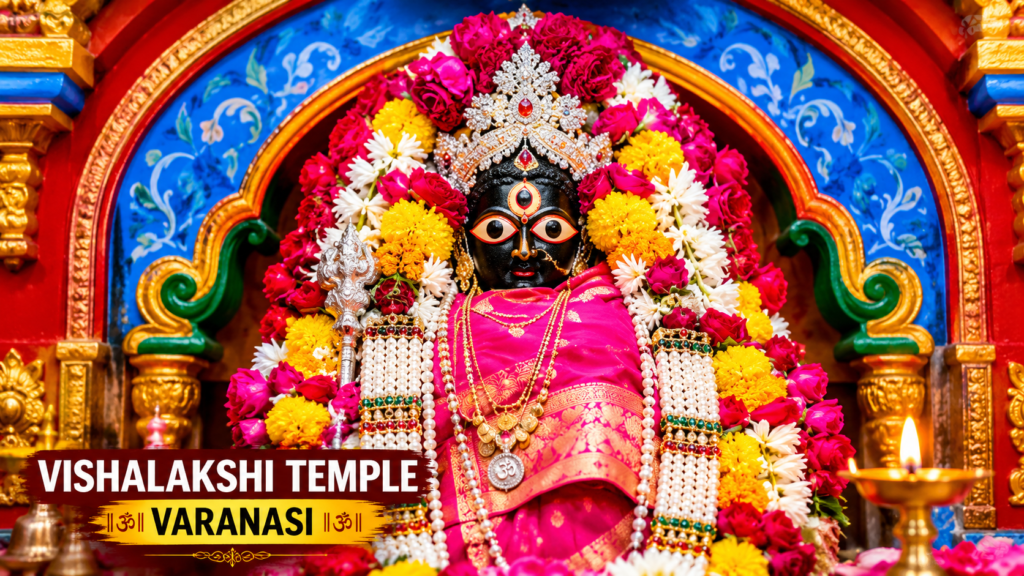
The rituals performed at the Vishalakshi Temple are deeply rooted in tradition and are designed to enhance the spiritual experience of pilgrims. Daily worship (Puja) is conducted with great reverence, involving offerings of flowers, fruits, and sacred paraphernalia. Special ceremonies during festivals attract numerous devotees who gather to participate in vibrant celebrations, seeking the goddess’s divine favor for prosperity and well-being.
Visitors to the Vishalakshi Temple often report a profound sense of peace and connection during their time spent in prayer and contemplation. It is not only a place of worship but also a center for spirituality and cultural gatherings. The temple is a vital part of the larger religious fabric of Varanasi, drawing locals and pilgrims alike, reinforcing the collective belief in the goddess’s divine power and the assurance of a spiritual journey through devotion.
Darshan Timings and Special Rituals
The Vishalakshi Temple in Varanasi is not only a spiritual refuge for devotees but also a significant cultural landmark that embodies the essence of Hindu faith. The temple is open to visitors throughout the day, providing multiple opportunities for darshan, or viewing of the deity. Typically, the darshan timings span from early morning until late evening, allowing both local devotees and tourists to partake in its sanctity. On regular days, the initial rituals commence at around 4:30 AM with the morning aarti, followed by daily prayers and offerings until approximately 11:30 AM. After a brief closure for midday rest, the temple reopens around 1:00 PM and remains accessible until the final aarti at 10:30 PM.
Particularly noteworthy are the special timings associated with festivals, which draw even larger crowds. For example, during the Navaratri festival, which is celebrated with great fervor, the temple operates under extended hours and hosts unique rituals that elevate the ambiance to a spiritual zenith. Each day of Navaratri is dedicated to different forms of Goddess Durga, and daily special pujas (ritualistic prayers) are performed, creating a vibrant atmosphere charged with devotion.
Other festivals such as Diwali, Maha Shivaratri, and Makar Sankranti also involve special rituals, including elaborate decorations, additional aartis, and community involvement in divine worship, further enhancing the temple experience. Visitors planning to visit during these festivals should check the local calendar for exact timings, as they may vary annually. Making the most of the darshan requires attention to these schedules, ensuring a respectful and fulfilling experience for all devotees visiting the majestic Vishalakshi Temple.
How to Reach Vishalakshi Temple
Vishalakshi Temple, a revered site in Varanasi, draws visitors for its spiritual significance and historical grandeur. For those planning to visit this sacred location, understanding the various transportation options available can enhance the experience significantly.
For travelers arriving by air, the nearest airport is Babatpur Airport (Lal Bahadur Shastri International Airport), situated approximately 26 kilometers from Varanasi city center. From the airport, one can hire a taxi or book a ride through various ride-sharing apps to reach the temple. The drive typically takes around 30 to 40 minutes, depending on traffic conditions.
For those opting to travel by train, Varanasi Junction is the major railway station in the area. It connects the city with various parts of India, making it an accessible option for many visitors. Upon arrival at the railway station, taxis and auto-rickshaws are readily available to take passengers to Vishalakshi Temple, located roughly 5 kilometers from the station. The journey usually lasts about 15 to 20 minutes.
If you are already in Varanasi and wish to explore the temple, local buses and auto-rickshaws are convenient choices to navigate the city. Alternatively, for those who prefer to walk, the temple’s central location makes it accessible from nearby landmarks such as the famous Kashi Vishwanath Temple and Dashashwamedh Ghat. Walking through the lanes of Varanasi offers a unique opportunity to experience the city’s cultural richness.
Finally, visiting during off-peak hours can help avoid crowds at the temple, allowing for a more serene and reflective experience. Regardless of your starting point, reaching Vishalakshi Temple is a simply rewarding journey that enriches your visit to Varanasi.
Visitor Guidelines and Tips
When visiting the Vishalakshi Temple in Varanasi, it is essential for guests to adhere to specific guidelines to ensure a respectful and enriching experience. First and foremost, a modest dress code is highly recommended. Visitors are advised to wear traditional Indian attire, such as sarees for women and dhotis or kurta-pajamas for men. This not only reflects respect for the temple’s sanctity but also enriches the spiritual atmosphere.
Behavior within the temple precincts should be respectful and serene. It is advisable to maintain a calm demeanor and minimize loud conversations, as many devotees come to seek solitude and engage in prayer. The temple is a place of worship, so visitors should avoid any actions that could be considered disruptive. Additionally, photography may be restricted in certain areas, so it is best to check for specific signs or consult with the temple authorities before taking pictures.
Visitors should also be mindful of their belongings. The temple can be crowded, and it is essential to keep personal items secure. It is recommended to avoid carrying large bags or valuables to minimize the risk of theft. Some devotees may bring offerings such as flowers or fruits, which are welcomed by the temple. However, genuine offerings should be made only at designated areas.
Lastly, it is beneficial for visitors to plan their visit during less crowded hours, typically in the early morning or late evening, to have a more fulfilling experience. Engaging with local guides or temple volunteers can provide additional insights into the temple’s rich history and significance. This not only enhances one’s understanding but also deepens the overall visit.
Nearby Attractions to Explore
In addition to the revered Vishalakshi Temple, Varanasi is rich with a plethora of attractions that provide a comprehensive cultural and historical experience for visitors. These sites not only enhance your visit but also offer a deeper understanding of the local heritage.
One noteworthy destination is the Kashi Vishwanath Temple, dedicated to Lord Shiva. This temple is one of the twelve Jyotirlingas in India and holds immense spiritual significance. Visitors can marvel at its intricate architecture and partake in various rituals, enhancing their spiritual journey in Varanasi.
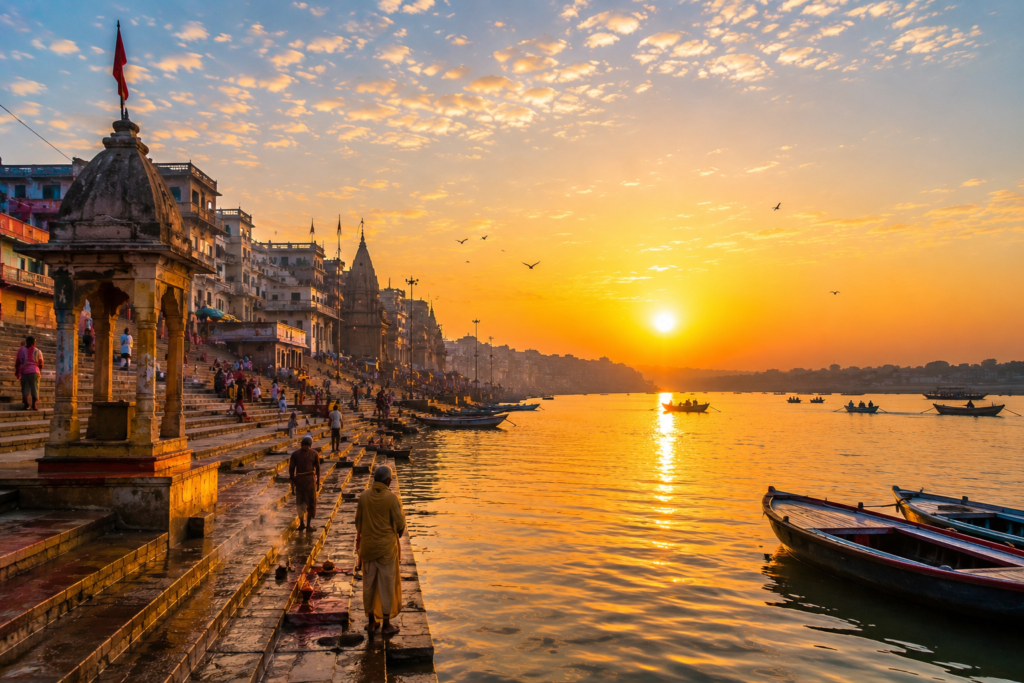
Another remarkable site is Dashashwamedh Ghat, the main ghat of Varanasi, known for its vibrant atmosphere and evening Ganga Aarti. Attending this grand ceremony, which involves devotional songs and rituals, offers a mesmerizing experience of unity and spirituality against the backdrop of the sacred Ganges River.
Sarnath, located just a short drive from the city, is another essential stop. It is the site where Gautama Buddha delivered his first sermon after enlightenment. The archaeological site includes ancient stupas, museums, and serene gardens, providing insight into Buddhism’s history and significance.
For those interested in the artistic aspect of Varanasi, visiting the Silk Weaving Workshops can be quite enlightening. Here, you can witness traditional Banarasi silk weaving and perhaps take home exquisite silk sarees or scarves as souvenirs to remember your journey.
Lastly, exploring the local markets, such as Chowk or Godowlia Market, invites you to indulge in local delicacies and traditional handicrafts, further immersing you in the vibrant culture of Varanasi.
Conclusion and Final Thoughts
Visiting the Vishalakshi Temple in Varanasi is an experience that transcends mere tourism; it envelops visitors in a rich tapestry of tradition, spirituality, and history. This temple, dedicated to Goddess Vishalakshi, holds a significant place in the hearts of devotees, not only for its architectural beauty but also for its deep spiritual resonance that has attracted pilgrims for centuries. The history of the temple is steeped in legends and devotion, contributing to its allure and timeless significance as one of the major Shakti Peethas.
Throughout this blog post, we have explored various aspects of the Vishalakshi Temple, including its historical background, cultural importance, and practical details for visitors. The temple’s serene environment and the vibrant rituals performed throughout the day create a unique atmosphere that allows individuals to connect with their spiritual side. With darshan timings that accommodate a range of visitors, everyone has the opportunity to partake in its sanctity, ensuring that the essence of Varanasi’s spiritual legacy is accessible to all.
In light of these insights, it is evident that a visit to the Vishalakshi Temple is more than just an act of devotion; it is an immersion into the rich cultural heritage of India. For those who seek a deeper understanding of spirituality and wish to witness the divine in a historical context, the temple stands as an inviting portal. We encourage readers to plan their visit, engage with the temple’s sacred rituals, and embrace the unique experience it offers, thereby fostering a personal connection with this landmark of faith.
Table of Contents
Frequently Asked Questions (FAQs)
Why is Vishalakshi Temple Varanasi famous?
Vishalakshi Temple Varanasi is famous as one of the revered Shakti Peeths in India. Devotees visit the temple to seek the blessings of Goddess Vishalakshi for prosperity, happiness, and spiritual growth during their Kashi pilgrimage.
Where is Vishalakshi Temple located in Varanasi?
Vishalakshi Temple is located near the sacred Mir Ghat in Varanasi, Uttar Pradesh. It is situated close to Kashi Vishwanath Temple, making it an important stop for pilgrims visiting the holy city.
What are the darshan timings of Vishalakshi Temple Varanasi?
Vishalakshi Temple generally opens early in the morning and remains accessible until evening. Timings may vary during festivals and special religious occasions, so devotees should verify the schedule before visiting.
Is Vishalakshi Temple considered a Shakti Peeth?
Yes, Vishalakshi Temple Varanasi is regarded as one of the most important Shakti Peeths. It holds immense spiritual significance and attracts devotees from across India seeking the blessings of Goddess Shakti.
What is the best time to visit Vishalakshi Temple Varanasi?
The best time to visit Vishalakshi Temple Varanasi is between October and March when the weather is pleasant. Navratri is also a popular time for devotees to experience special rituals and celebrations.
How far is Vishalakshi Temple from Kashi Vishwanath Temple?
Vishalakshi Temple is located within walking distance of Kashi Vishwanath Temple. Many pilgrims visit both temples on the same day as part of their spiritual journey in Varanasi.
What are the major festivals celebrated at Vishalakshi Temple?
Navratri, Durga Puja, and other Hindu festivals are celebrated with great devotion at Vishalakshi Temple Varanasi. During these occasions, the temple is beautifully decorated and attracts large numbers of devotees.
Does Seven Sands Tourism provide Vishalakshi Temple Varanasi tour packages?
Yes, Seven Sands Tourism offers customized Varanasi pilgrimage tours that include Vishalakshi Temple darshan, Kashi Vishwanath Temple visits, Ganga Aarti experiences, accommodation, and guided sightseeing for families and devotees.