
Introduction to Manikarnika Ghat
Manikarnika Ghat is one of the most revered and significant sites in Varanasi, India, known primarily for its role as a traditional cremation ground. It holds immense spiritual importance in Hindu culture, as it is believed that being cremated at this ghat provides liberation from the cycle of birth and rebirth, known as moksha. According to Hindu mythology, the ghat is said to be the location where Lord Shiva is believed to have revealed the sacred sound of the universe, the Om. This further enhances its sacredness, making it a vital pilgrimage destination for countless devotees.
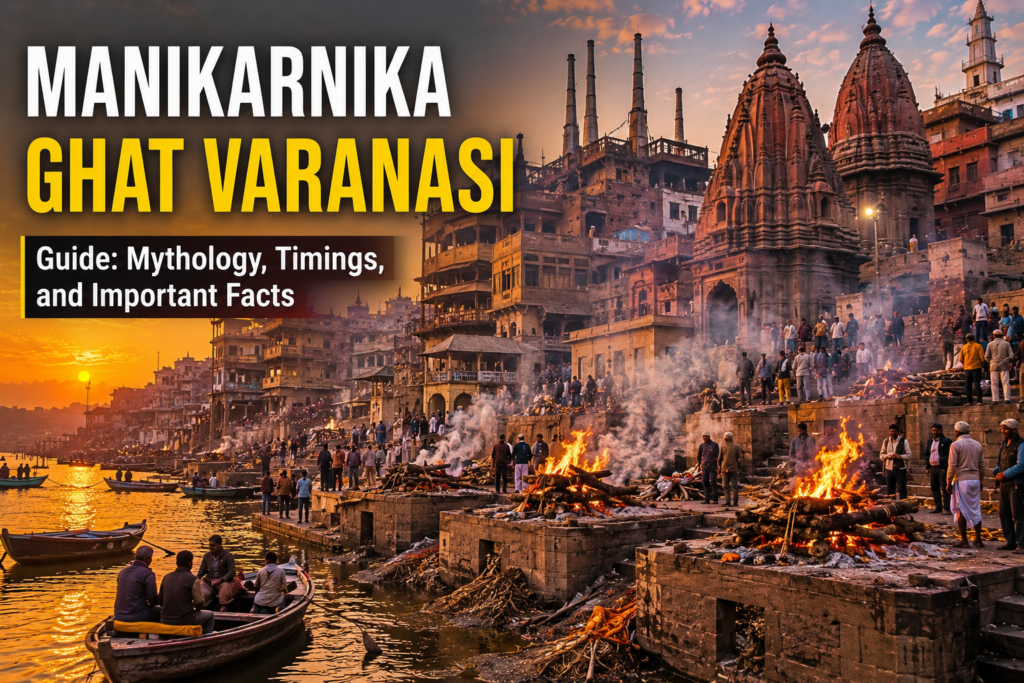
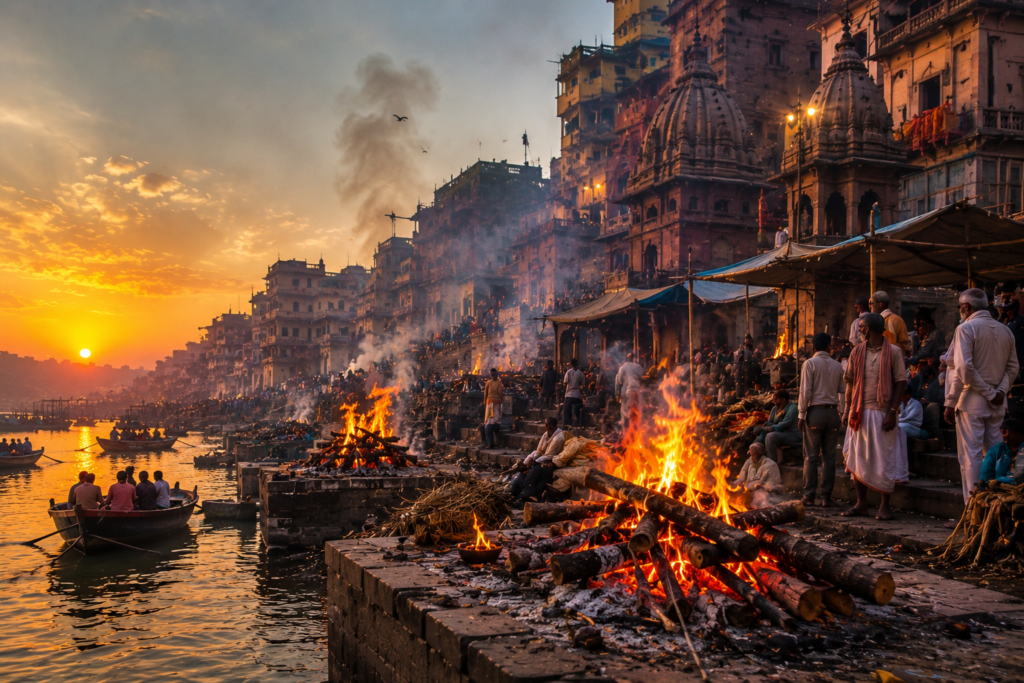
The atmosphere at Manikarnika Ghat is both solemn and profound, as it is a place where life meets death. The ghat is bustling with activity, filled with the chanting of mantras by priests, the presence of grieving families, and the ritual of cremation taking place. Wooden pyres are lined along the riverbank, and the air is thick with the scent of incense and the sound of ceremonial bells, creating an ambiance that is both spiritual and reflective. This combination of life, death, and devotion attracts not only mourners but also tourists and pilgrims seeking to understand the profound traditions of Hindu culture.
Moreover, Manikarnika Ghat serves as a social and cultural hub, reflecting the intricate relationship between the sacred and the everyday life of Varanasi’s residents. The ghat epitomizes the city’s essence, embodying a vibrant tapestry of rituals, beliefs, and customs intertwined with everyday existence. Visitors come to witness the rituals, learn about the deep traditions that have been followed for centuries, and experience the mystical atmosphere that resonates with spiritual significance. It stands as a timeless reminder of the ephemeral nature of life and the cultural heart of Varanasi, beckoning those who seek deeper understanding and connection to this ancient city.
Historical Overview of Manikarnika Ghat
Manikarnika Ghat, one of the oldest and most revered ghats in Varanasi, holds a pivotal place in the city’s cultural and spiritual landscape. Its origins are steeped in mythology, with many believing it to be the site of Lord Shiva’s divine pastimes. According to legend, the ghat was established when Parvati, the consort of Shiva, lost her ear ornament, the Manikarnika, in the water. To retrieve it, Shiva created the ghat, signifying the importance of this site in Hindu cosmology.
Over the centuries, Manikarnika Ghat has evolved into a significant point for cremations, attracting visitors and mourners alike. Its role as a cremation site is rooted in the belief that those who are cremated here attain moksha, or liberation from the cycles of birth and death. This belief has solidified the ghat’s importance and has resulted in innumerable rituals and ceremonies being conducted here. Historical texts and accounts reveal that kings and royal families have been cremated at this ghat, further establishing its esteemed status.
The enduring role of Manikarnika Ghat transcends mere cremation rituals. It has become a symbol of life and death, bringing together people from various walks of life who gather to witness the final rites of their loved ones. This ghat’s evolution reflects the broader changes in Varanasi’s cultural practices, demonstrating how sacred spaces adapt to the needs of the community while retaining their intrinsic spiritual essence. Art, literature, and folklore continue to celebrate the ghat, showcasing its significance not only as a physical space but as a vital aspect of Varanasi’s identity. The ongoing traditions at Manikarnika Ghat serve as a testament to the city’s resilience and connection to the broader themes of life, death, and spiritual renewal.
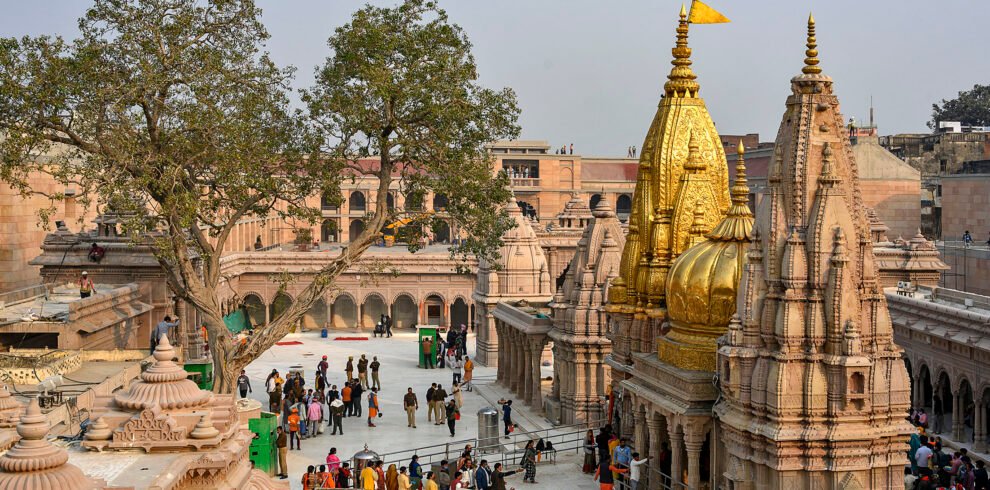
Experience divine bliss with our Kashi Ayodhya Tour Package from Bangalore 4N/5D, designed by Seven Sands Tourism for devotees seeking…
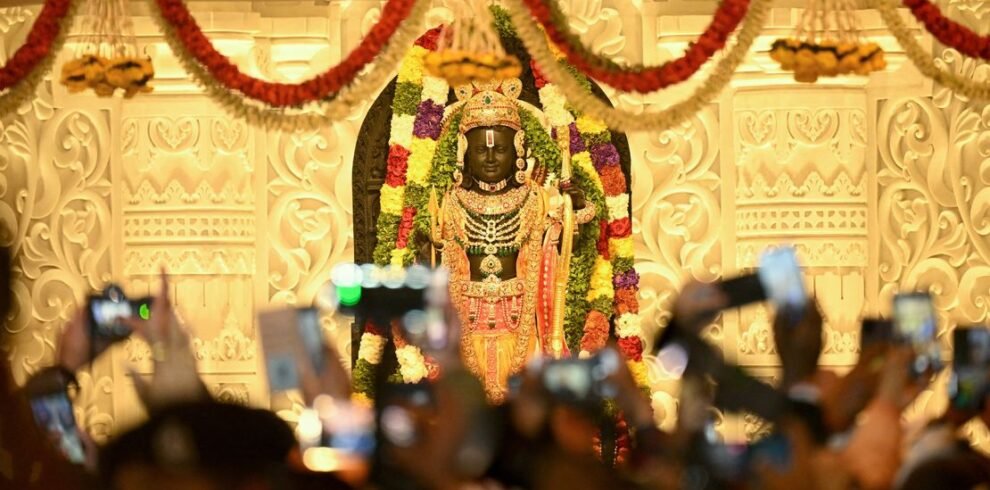
Embark on a soulful journey with our Kashi Ayodhya Tour Package 3 Nights 4 Days from Bangalore, specially crafted for…
Mythological Significance of Manikarnika Ghat
Manikarnika Ghat holds profound mythological significance that resonates deeply with the cultural and spiritual fabric of Varanasi. According to ancient scriptures, it is believed to be one of the oldest ghats on the banks of the Ganges River, intrinsically linked to Hindu cosmology and the concepts of life, death, and rebirth. One prominent myth associates the ghat with the goddess Parvati, who, after losing her earring (Mani), searched for it at this very location. In her pursuit, her tears mingled with the waters of the Ganges, giving birth to the belief that the ghat symbolizes the cycle of creation and destruction.
Another notable myth highlights the connection of Manikarnika Ghat to Lord Shiva, considered the ultimate guide to the afterlife. According to popular belief, the ghat serves as a portal through which souls can attain Moksha, liberating them from the cycle of birth and rebirth. Devotees flock to this sacred site with the hope of guiding their deceased loved ones towards the divine light, facilitated through rituals and offerings. Hence, the act of cremation at Manikarnika Ghat is not merely a funeral rite; it is a ritual imbued with sacred significance, reinforcing the belief that those who are cremated here transcend earthly bonds and unite with the cosmic spirit.
The ghat is also mentioned in various texts, including the Skanda Purana, which extols its virtues and highlights the rituals performed. It is said that taking a dip in the waters of the Ganges at this location purifies the soul, further affirming its link to the afterlife. This amalgamation of mythology and ritual solidifies the ghat’s reputation as a pilgrimage site that embodies the quest for redemption and spiritual enlightenment.
Timings and Visitor Guidelines
Manikarnika Ghat, one of the most revered and significant ghats in Varanasi, operates 24 hours a day. However, the best times for visitors to explore this spiritual site are during early morning or late evening. These times not only offer a chance to witness the serene beauty of the Ganga River but also provide an opportunity to engage with the local rituals and daily life along the ghat. The vibrant atmosphere during these hours is accentuated by the rituals performed by pilgrims and locals, creating a unique spiritual experience.
Visitors are advised to be respectful during their visit, particularly while ceremonies related to cremation are taking place. It’s essential to understand that Manikarnika Ghat serves as a sacred site for the final rites of many individuals. Disturbances during these ceremonies can be seen as disrespectful, so maintaining a dignified demeanor is crucial. Visitors should also keep a safe distance from the cremation sites, as these are places of profound significance and sorrow for those mourning their loved ones. Photography in these areas should be avoided unless permitted by the families involved.
In terms of safety, navigating the ghat can be challenging due to the crowd and the narrow pathways. Visitors should remain cautious of their surroundings and engage with the local guides if necessary to enhance their experience. It is wise to wear comfortable shoes to traverse the uneven surfaces and be mindful of common scams that may target tourists. Staying hydrated and wearing appropriate clothing is recommended, especially during peak summer months. With proper preparation, a visit to Manikarnika Ghat can offer profound insights into Hindu traditions and the cultural fabric of Varanasi.
Ceremonial Practices at Manikarnika Ghat
Manikarnika Ghat, one of the most revered cremation sites in Varanasi, is steeped in rich cultural and spiritual significance within Hinduism. This sacred ghat, believed to be the abode of Lord Shiva, is primarily known for its cremation ceremonies, which are intrinsic to the Hindu belief in the cycle of life and death. Here, the last rites are performed with great reverence, as it is believed that those cremated at Manikarnika Ghat attain immediate moksha, or liberation from the cycle of rebirth.
The cremation practices observed at Manikarnika Ghat involve several traditional rituals. Family members engage in the ceremonial washing of the body, which symbolizes purification, followed by the placement of the body on a wooden pyre. This pyre is a critical component of the cremation ceremony, as it signifies the transformation of the physical form into ash, allowing the soul to ascend to the heavens. The chanting of mantras and prayers by the attending priests accompanies these rituals, invoking blessings for the deceased’s journey to the afterlife.
Beyond the cremation process, Manikarnika Ghat is a vibrant hub for daily prayers and offerings. Pilgrims and locals alike gather to perform rituals called “shraddha,” in which they pay homage to their ancestors. During these rites, offerings of food, flowers, and water are made, reflecting the deep connection between the living and the departed in Hindu tradition. These practices ensure that the spirits of the deceased are nourished and cared for, demonstrating respect and acknowledgment of the cycle of life.
Through these ceremonial practices, Manikarnika Ghat not only serves as a site for the final rites but also symbolizes the profound beliefs surrounding death and the afterlife in Hinduism. The rituals performed here encapsulate the essence of spiritual reverence, making it a focal point for those seeking to honor their loved ones and engage with their cultural heritage.
Places to Visit Near Manikarnika Ghat
Manikarnika Ghat, known for its significance in Hindu cremation rituals, serves as a central point for spiritual and cultural exploration in Varanasi. Visitors to this historic city would benefit from discovering the array of attractions located nearby, each offering a unique glimpse into the rich heritage and spirituality of the region.
One of the prominent locations to visit is Dashashwamedh Ghat, just a short distance from Manikarnika. This ghat is renowned for its evening Ganga Aarti, a deeply spiritual experience that attracts numerous visitors. Observing the ceremony, where lamps are lit and offered to the Ganges, is a highlight for many travelers, fostering a deep connection to local traditions.
Another must-see site is the Kashi Vishwanath Temple, dedicated to Lord Shiva. This temple, located a brief walk from the ghats, is one of the holiest Hindu shrines and is known for its stunning architecture and intricate carvings. Visiting this sacred site allows pilgrims and tourists alike to immerse themselves in the religious fervor that permeates Varanasi.
Additionally, one should consider exploring Assi Ghat, the southernmost ghat of the city. It offers a less crowded experience, featuring picturesque views of the Ganges and a vibrant atmosphere with cafes and shops. Notably, the morning boat rides from Assi Ghat provide breathtaking views of the sunrise over the river, making it a perfect spot for serene contemplation.
For those interested in local culture, the Banaras Hindu University (BHU) is also nearby. With sprawling campuses and cultural programs, BHU provides insight into the educational and intellectual life of the city.
A suggested itinerary for visitors could include an early morning boat ride on the Ganges, followed by a visit to Kashi Vishwanath Temple, and an evening at Dashashwamedh Ghat for the Aarti ceremony. This blend of spiritual and cultural experiences ensures that visitors leave with a well-rounded appreciation of Varanasi’s heritage.
Understanding Moksha in Kashi
The concept of Moksha represents liberation from the cycle of birth and death, a fundamental tenet in Hindu philosophy. In the context of Varanasi, known as Kashi, the importance of this spiritual principle is greatly amplified. Varanasi is regarded as a sacred city where devotees seek spiritual enlightenment, and it is here that the ancient belief in Moksha manifests most profoundly. According to Hindu beliefs, dying in Varanasi offers a unique opportunity for liberation, as the city is home to numerous temples and ghats, including the revered Manikarnika Ghat.
Manikarnika Ghat, one of the oldest and most significant ghats in Varanasi, is intrinsically linked to the pursuit of Moksha. It serves not only as a bathing site but also as a cremation ground, symbolizing the transcendence from worldly existence. The ghat is steeped in mythology, with the belief that those who are cremated here attain immediate Moksha due to the holy waters of the Ganges River that washes over their ashes. This belief allures many individuals to Varanasi in the hope of spiritual liberation at the hour of their death.
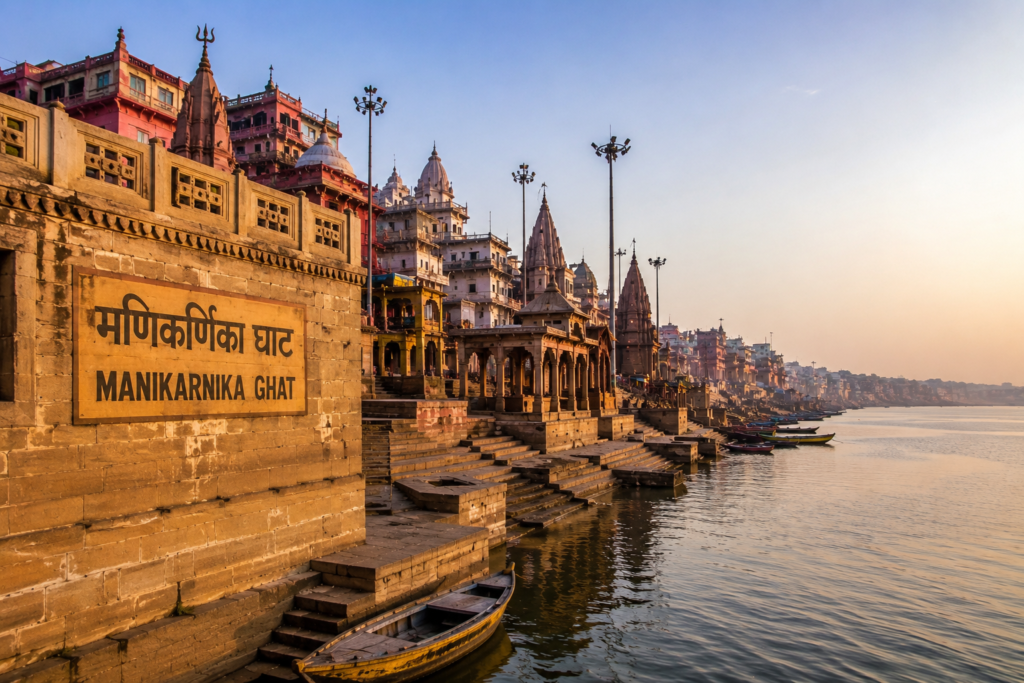
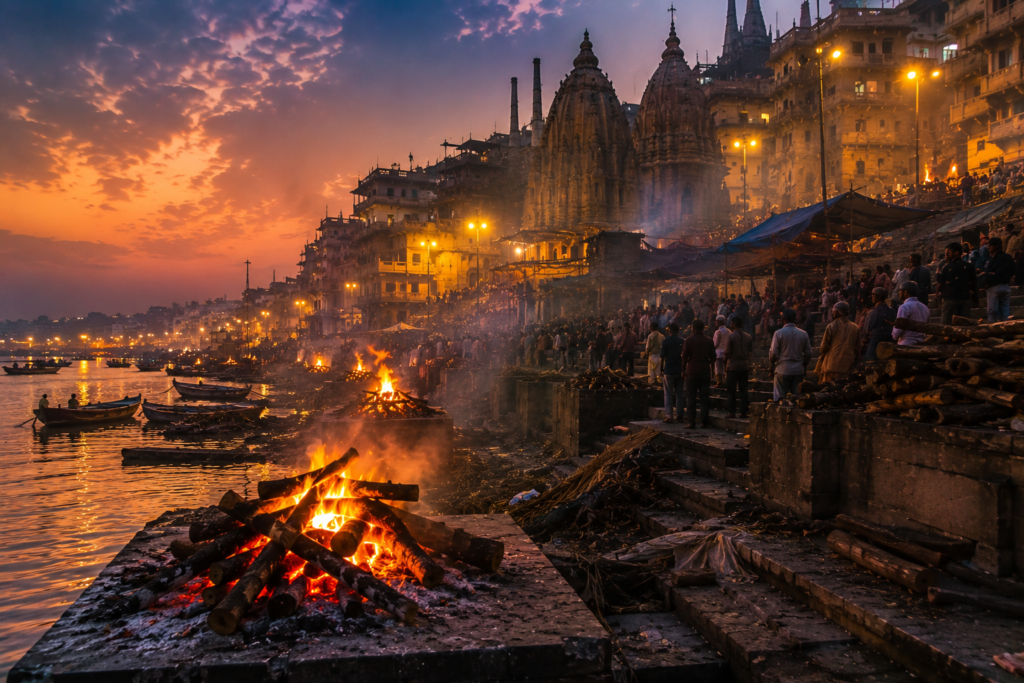
The rituals performed at Manikarnika Ghat reflect the rich spiritual heritage of Kashi. As families gather to perform last rites, they are reminded of the transient nature of life and the importance of seeking liberation. Additionally, the presence of saints and sages in the city further accentuates Varanasi’s reputation as a spiritual hub, fostering an environment rich with philosophical discussions on the nature of the soul and the path to achieving Moksha.
Thus, Varanasi, specifically Manikarnika Ghat, plays a pivotal role in the spiritual journey of countless devotees, embodying the eternal quest for freedom from the cycle of life and death.
Practical Travel Guide to Manikarnika Ghat
Visiting Manikarnika Ghat in Varanasi is a profound experience that encapsulates the spiritual essence of this ancient city. To ensure a memorable trip, it is essential to plan ahead, taking into consideration transportation options, accommodations, and cultural etiquette.
Reaching Manikarnika Ghat can be accomplished through various means. The nearest airport is Lal Bahadur Shastri International Airport, located approximately 25 kilometers from the ghat. From the airport, taxis and rideshare services offer convenient travel. For visitors arriving by train, Varanasi Junction is the closest railway station, about 3 kilometers away from the ghat. Once in Varanasi, auto-rickshaws and cycle rickshaws provide diverse options to navigate the city, allowing travelers to immerse themselves in the vibrant local life.
Accommodations in Varanasi range from budget lodges to luxurious hotels, catering to varying needs. For those seeking proximity to Manikarnika Ghat, consider staying at boutique hotels like Suryauday Haveli or Guleria Kothi, which provide excellent views and a chance to experience local hospitality. Likewise, several budget hotels and hostels are available within walking distance of the ghat, ensuring accessibility for all travelers.
When it comes to local eateries, Varanasi offers a plethora of vegetarian options. One popular choice near the ghat is the iconic Kashi Chaat Bhandar, famous for its street food, or the revered Mangi Ferra, known for its traditional sweets and snacks. Sampling local cuisine is not only a culinary adventure but also a meaningful way to connect with the area’s diverse culture.
Lastly, understanding cultural etiquette while visiting Manikarnika Ghat is critical. This sacred site is a cremation ghat, where customs and traditions are deeply respected. Visitors should dress modestly, speak softly, and be mindful of local rituals and ceremonies in progress.
Manikarnika Ghat – A Spiritual Haven
Manikarnika Ghat stands as one of the most revered and significant religious sites in Varanasi, drawing pilgrims and tourists from across the globe. Situated along the banks of the sacred river Ganges, this ghat serves as a crucial junction between the realms of life and death. In Hindu tradition, it is believed that those who are cremated here attain moksha or liberation from the cycle of rebirth, underscoring the ghat’s profound spiritual stature.
Visitors to Manikarnika Ghat are enveloped in an atmosphere saturated with divine energy. The continuous flow of rituals, offerings, and prayers evokes a sense of serenity, encouraging reflection and spiritual connection. The ghat operates as a microcosm of Varanasi’s deeper cultural and religious landscape. Here, life pulses alongside death, creating a unique dichotomy that resonates deeply with the philosophies of Hinduism.
The mythology surrounding Manikarnika Ghat adds layers to its significance. According to ancient texts, this ghat is said to be linked to the goddess Durga, and tales of her divine presence heighten its reputation as a spiritual haven. Additionally, the ghat is believed to house the eternal fire known as “Chita,” which perpetually symbolizes the cycle of life. Such beliefs reinforce the ghat’s status as not merely a location of mourning, but also as a site of enlightenment and transcendence.
In conclusion, Manikarnika Ghat serves as a vital thread in the tapestry of Varanasi’s religious identity. It is a place where individuals come to confront the concepts of mortality and spirituality, seeking solace amid the harsh realities of life and death. The ghat’s powerful energy continues to attract those in search of meaning, making it an enduring embodiment of Varanasi’s sacred heritage.
Table of Contents
Frequently Asked Questions (FAQs)
What is Manikarnika Ghat and why is it so sacred in Hinduism?
Manikarnika Ghat is the main cremation ghat of Varanasi. According to Hindu mythology, being cremated here provides an instant gateway to liberation from the cycle of births and rebirths — attaining Moksha (salvation). It symbolizes both creation and destruction. Planning a spiritual visit? Seven Sands Tourism offers guided Kashi packages from Bangalore that include a reverent evening walk to this sacred ghat.
What is the mythological story behind the name “Manikarnika”?
According to mythology, Lord Vishnu dug a sacred well (kund) on the banks of the Ganges for Lord Shiva and Goddess Parvati to bathe in. While bathing, a gem (Mani) from Shiva’s earring (Karnika) fell into the well — and so the ghat was named Manikarnika. Another legend says this is also a Shakti Peeth — the place where an earring of Goddess Sati fell when Lord Vishnu’s divine chakra cut her body into 51 pieces. Seven Sands Tourism’s expert guides explain these stories in detail during your Varanasi tour.
Is Manikarnika Ghat open 24 hours? What are the visiting timings?
The Manikarnika Ghat is perpetually bustling with ceremonies and rituals, with pyres burning round the clock. However, the official visiting hours are 8:00 AM to 7:00 PM, and there is no entry fee. For the most powerful experience, Seven Sands Tourism recommends visiting at dawn or dusk during their Varanasi spiritual package.
Who is NOT cremated at Manikarnika Ghat?
Certain individuals are traditionally not cremated at Manikarnika Ghat — including children under two years old, holy individuals (saints/sadhus), and pregnant women, who are considered sacred. Those who die from accidental or unnatural causes may also be treated differently, as their deaths are viewed as impure. Seven Sands Tourism’s guides brief visitors on such important cultural facts before arriving at the ghat.
What are the important religious structures inside Manikarnika Ghat?
Prominent shrines and monuments at Manikarnika Ghat include the Manikarnika Kund (the sacred well), Lord Vishnu’s Charanpaduka (divine footprints), Tarakeshwar Temple, and Siddha Vinayak Temple. No Hindu pilgrim passes through Benares without visiting the Manikarnika Kund. Seven Sands Tourism includes darshan at all these sacred spots as part of their Kashi–Ayodhya tour package.
What is Manikarnika Kund and what makes it unique?
The ghat features a sacred pond known as Chakra-Pushkarini, or Manikarnika Kund, believed to have been excavated by Lord Vishnu and said to have existed even before the holy River Ganges came into being. Lord Vishnu filled this Kund with his perspiration produced during the labor of creating the Universe, making it one of the most spiritually charged spots in all of Varanasi. Seven Sands Tourism ensures you get enough time to witness and pray at this divine kund.
What is the connection between Raja Harishchandra and Manikarnika Ghat?
According to legend, Raja Harishchandra — the king celebrated for his unshakeable truthfulness — served as the pyre man at Manikarnika Ghat. The sacred flame of this ghat is said to have been burning eternally for thousands of years, without ever going out. This makes it one of the most mythologically layered sites in all of India. Seven Sands Tourism’s Varanasi tour connects you with guides who bring these legends to life.
How can I visit Manikarnika Ghat from Bangalore with a complete Kashi tour?
You can book a complete Kashi–Ayodhya–Prayagraj package from Bangalore with Seven Sands Tourism — India’s No.1 travel agency for spiritual tours. Their packages include return flights or train tickets, hotel stays, temple darshans, Ganga Aarti experience, and a guided visit to Manikarnika Ghat. Situated just 1 km from Dashashwamedh Ghat and 6 km from Varanasi Junction, Manikarnika Ghat is easily accessible — and Seven Sands Tourism handles every detail so you focus only on your devotion. 📞 Contact Seven Sands Tourism to book your Varanasi spiritual tour today.
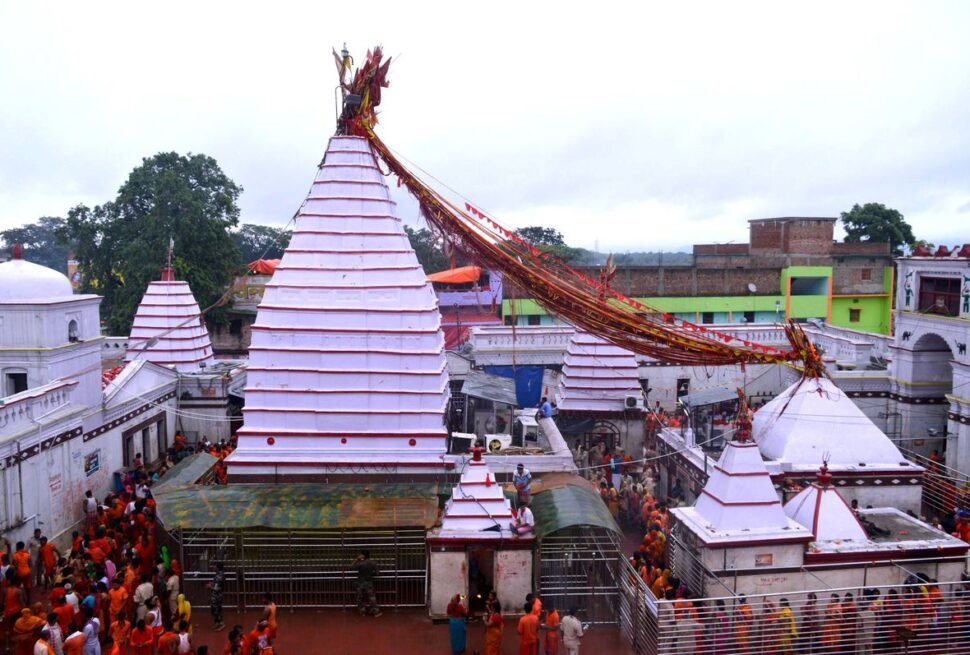
[…] in the vicinity, landmarks such as the famous Manikarnika Ghat or the Kashi Vishwanath Temple serve as excellent reference points for finding the Annapurna […]