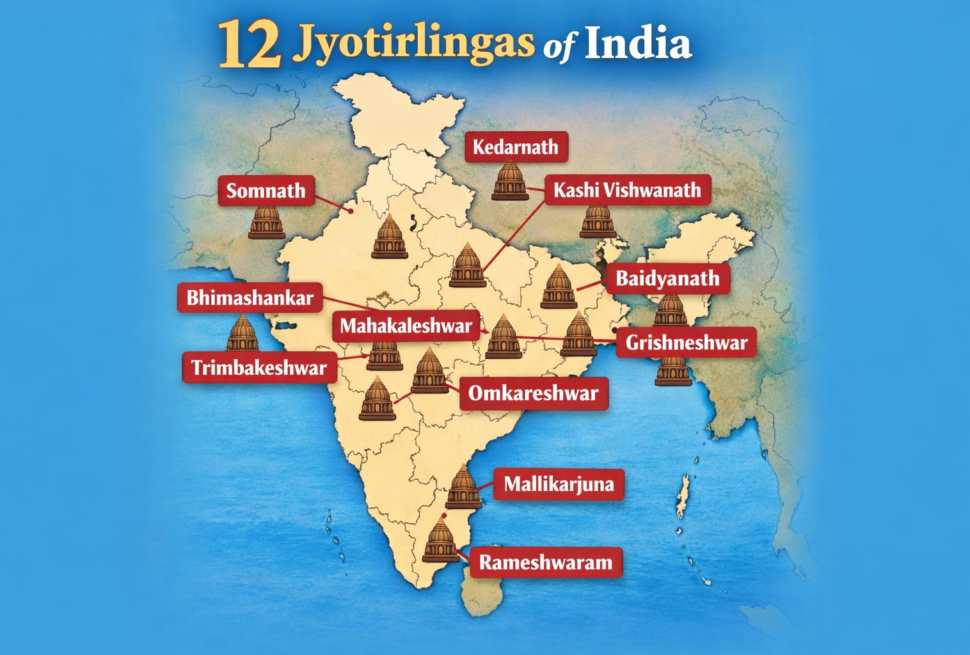

Introduction to Shakti Peethas
52 Shakti Peethas hold a revered status within Hindu mythology and spirituality. These sacred sites are dedicated to the worship of Goddess Shakti, symbolizing the divine feminine energy and power that permeates the universe. According to Hindu beliefs, Shakti represents the dynamic forces that stimulate and sustain life, embodying the essence of motherhood, fertility, and nurturing. Her essence is not merely confined to a conceptual framework but translates into numerous deities across various traditions, making her worship pivotal for countless devotees.
Shakti Peethas are locations that are believed to have evolved at the sites where the body parts of Sati, the consort of Lord Shiva, fell when they were scattered across the earth by Lord Vishnu’s discus, upon her demise. Each of these sites is imbued with profound historical and cultural significance, often becoming centers of pilgrimage where devotees congregate to seek blessings and solace.
In addition to their mythical roots, Shakti Peethas have played a crucial role in shaping regional cultures, customs, and traditions. Many of these ancient temples are architectural marvels, showcasing unique artistry, craftsmanship, and an amalgamation of local and regional influences over centuries. They serve not only as spiritual hubs but also as repositories of local history and folklore, reflecting the rich tapestry of narratives and beliefs that surround them.
The Shakti Peethas thus emerge as powerful embodiments of faith and devotion, where the spiritual meets the historical. Pilgrimages to these sites often facilitate a deeper connection with the divine and promote a sense of community among believers. Understanding Shakti Peethas, therefore, requires acknowledging their multifaceted significance that transcends mere geographical locations, extending into the realms of spirituality, culture, and collective identity.
Historical Origins of the Shakti Peethas
The Shakti Peethas, sacred sites dedicated to the goddess Shakti, have deep mythological origins rooted in ancient Indian beliefs. The legend primarily revolves around the story of Sati, a manifestation of Shakti, and her consort, Lord Shiva. Sati, daughter of King Daksha, was deeply in love with Shiva, despite her father’s disdain for him. In an attempt to insult Shiva, Daksha organized a grand yajna (sacred fire ceremony) and deliberately excluded Shiva from the guest list. Sati, feeling compelled to attend and confront her father, faced harsh humiliation at the event.
Stricken with grief and anger at her father’s disrespect towards her husband, Sati ultimately decided to end her own life by self-immolation. Upon learning of Sati’s tragic demise, Shiva was engulfed in despair and rage. In his sorrow, he performed the Tandava, a cosmic dance that shook the very foundations of the universe. To reclaim Sati’s remains, he embarked on a journey, carrying her lifeless body, which eventually scattered across the Indian subcontinent.
Each location where a part of Sati’s body fell, according to various legends, became a Shakti Peetha. These sites are believed to be endowed with unique spiritual energies, representing different aspects of the divine feminine. This narrative not only highlights the deep affection between Sati and Shiva but also reflects ancient cultural beliefs about the feminine and the sacred nature of womanhood. The Shakti Peethas serve as vital symbols of female empowerment and spirituality, embodying the essence of Shakti as a source of creation and strength.
Thus, the story of Sati and Shiva illustrates the significance of these revered sites, intertwining mythology, gender, and spiritual beliefs in the fabric of Indian culture. Recognizing the historical and spiritual dimensions of the Shakti Peethas enriches one’s understanding of their continued relevance in contemporary society.

Complete List of 52 Shakti Peethas
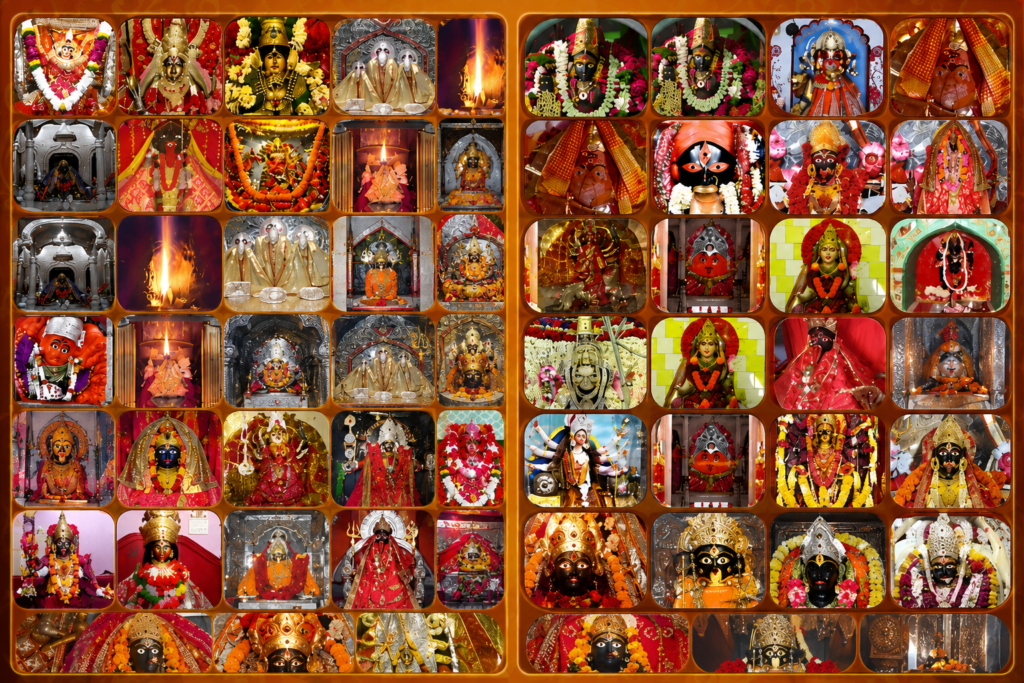
The Shakti Peethas hold significant importance in Hindu mythology and spirituality, representing the sacred sites where various parts of the goddess Sati fell as a result of her husband, Lord Shiva’s grief. Below is a detailed list of the 52 Shakti Peethas, along with their locations, deities worshipped, and regional significance.
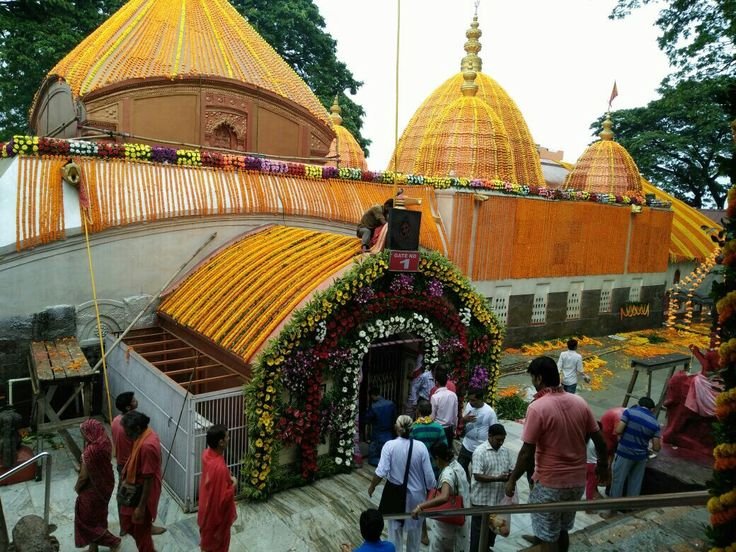
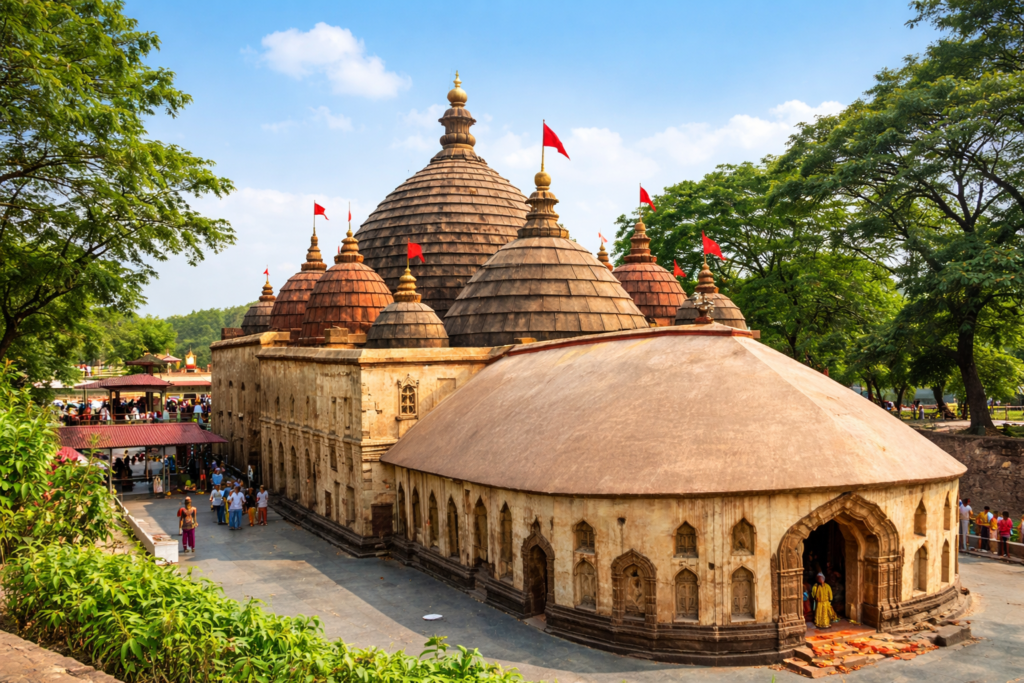
1. Kamakhya – Located in Assam, this peetha is dedicated to the goddess Kamakhya, symbolizing desire.
2. Kalighat – Situated in Kolkata, West Bengal, Kalighat is devoted to goddess Kali, famed for her fierce form.
3. Shree Shankaracharya Peeth – Found in Srinagar, Jammu & Kashmir, this site venerates goddess Bhairavi, known for her wisdom.
4. Vaishno Devi – Located in the Trikuta Mountains of Jammu, it is one of the most visited Shakti Peethas, dedicated to the goddess Vaishno.
5. Amba Mata – Situated in Gujarat, this site is revered for its association with the goddess Amba, symbolizing strength and nourishment.
6. Durga Saptashrungi – Found in Maharashtra, it is associated with goddess Saptashrungi Devi, worshipped for her protective powers.
7. Jwalamukhi – Located in Himachal Pradesh, dedicated to goddess Jwalamukhi, known for her flame-like manifestations.
8. Chintpurni – Situated in Punjab, this site honors goddess Chintpurni, believed to alleviate worries.
Read also All List of 51 Shakti Peeth with stateswise in India
Each of these sacred sites attracts a multitude of pilgrims and tourists, offering access to profound spiritual experiences and regional cultural immersion. The accessibility varies, with some being easily reachable by road while others require trekking through rugged terrains. Visiting these Shakti Peethas not only promises divine blessings but also enhances understanding of India’s diverse spiritual heritage.
Regional Distribution of Shakti Peethas
The 52 Shakti Peethas, significant pilgrimage sites dedicated to the goddess Shakti, are widely distributed across several states in India and some regions beyond. Each Shakti Peetha has its unique cultural and historical significance, reflecting the diversity of beliefs and traditions among the communities that revere them.
In India, the Shakti Peethas can be primarily found in states such as West Bengal, Uttar Pradesh, Bihar, Punjab, Himachal Pradesh, and Odisha. In West Bengal, for instance, the Kalighat temple is not only revered as a Shakti Peetha but also attracts thousands of pilgrims annually for its cultural richness and spiritual ambiance. Similarly, in Himachal Pradesh, the temple of Chintpurni stands as a vital center of worship and offers insights into the local customs intertwined with Shakti worship.
Northern regions like Uttar Pradesh and the Himalayan foothills house several Shakti Peethas, which have become integral to the spiritual landscape of the area. Noteworthy among them is the Vishwa Shanti Peeth in the Garhwal region that reflects the traditional beliefs prevalent in the mountainous cultures. Additionally, regions such as Assam and Maharashtra also have their allocated Shakti Peethas that highlight the penetration of Shakti worship into the diverse ethnocultural fabric of India.
Outside India, countries like Nepal and Bangladesh host Shakti Peethas that resonate with the cultural heritage shared across borders. The geographical spread of these sites symbolizes not only a religious pilgrimage route but also the interconnection of various traditions linked through the reverence for Shakti. The visibility of these sacred places through maps and imagery accentuates their locations, allowing pilgrims and enthusiasts to engage meaningfully with the cultural context of each site.
The Architectural Diversity of Shakti Peethas
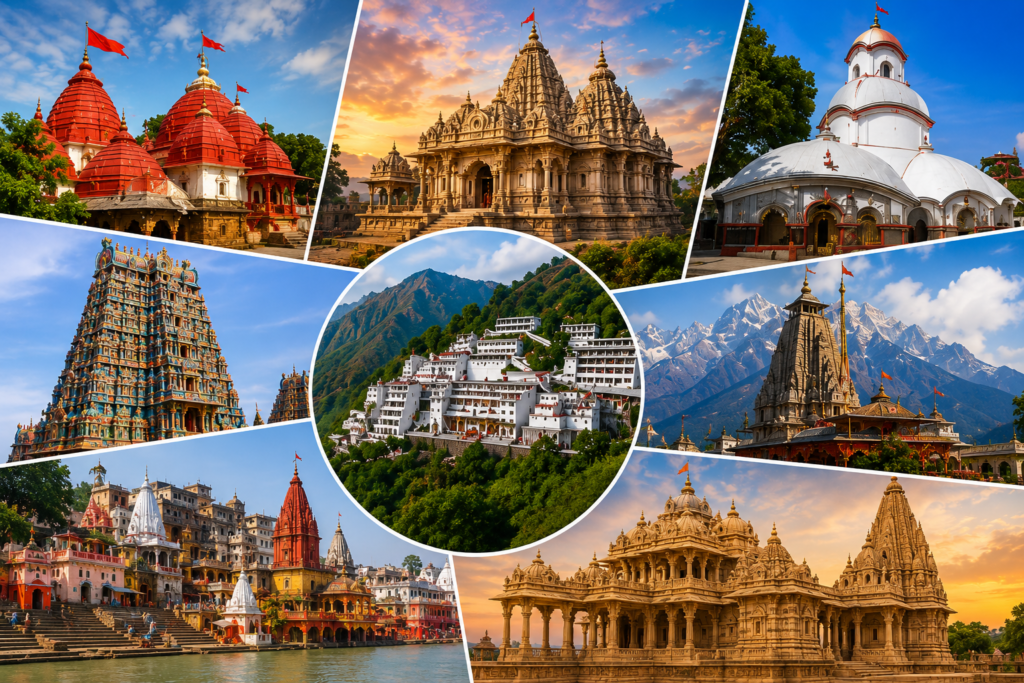
The Shakti Peethas, revered sites of worship dedicated to the Goddess Shakti, exhibit remarkable architectural diversity that is deeply rooted in the regional cultural contexts of India. Each temple embodies unique features, styles, and practices reflective of the local traditions, materials, and religious influences. From the ornate stone carvings of the north to the intricate wooden structures found in the south, the architectural divergence is a testament to the rich tapestry of Indian artistry.
Many of the Shakti Peethas integrate elements from various architectural styles such as Nagara, Dravidian, and Vesara. For instance, the Dakshineswar Kali Temple in West Bengal showcases the Bengali style with its multi-roofed temples, while the Kamakhya Temple in Assam is a striking example of ancient practices, employing a blend of tribal influences and indigenous craftsmanship. The architecture of the Kali temples, particularly, often centers around symbolism that resonates with goddess worship, making them focal points for spiritual and community activities.
Furthermore, rituals may vary significantly between different Shakti Peethas, influenced by local customs and traditions. In sites such as the Jwala Ji Temple in Himachal Pradesh, the worship involves the continuous flame of the goddess, indicative of divine presence, while at the Chandi Devi Temple in Uttarakhand, rituals are integrated with the overarching narrative of goddess worship as a protector and mother figure. Additionally, the magnificent stone-carved idols and intricate wall murals in many of the temples narrate ancient myths and foster a deep connection between devotees and the divine.
In conclusion, the architectural diversity of Shakti Peethas not only highlights regional variations in temple construction but also emphasizes the profound relationships between architecture, culture, and spirituality. Each temple provides a unique glimpse into the local identity, rituals, and artistic expressions, reinforcing the importance of these sites in the broader Hindu religious landscape.
Pilgrimage Practices and Festivals at Shakti Peethas
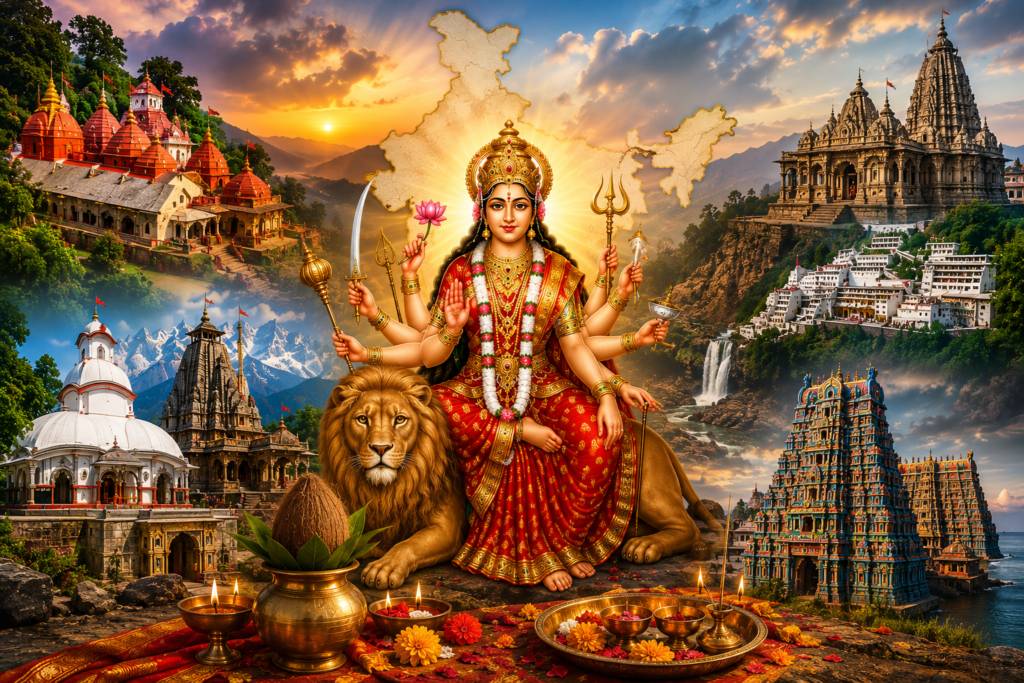
Shakti Peethas hold significant prominence in Hindu spiritual practices, embodying a rich tapestry of religious heritage and community participation. These sacred sites are deeply revered, attracting ardent devotees who engage in various pilgrimage practices throughout the year. The rituals at Shakti Peethas typically include offerings, chants, and meditative practices aimed at connecting with divine feminine energy, which is celebrated as Shakti.
One of the most notable aspects of pilgrimage to Shakti Peethas is the annual festivals that are celebrated with great enthusiasm. Each Shakti Peetha has its unique occasions that coincide with significant astrological events or mythological tales. For instance, the festival of Navratri is a major event, celebrated with fervor at multiple Peethas, where devotees participate in nights of worship, dance, and community feasts. During this time, the atmosphere is charged with spirituality, drawing thousands of visitors and conveying a sense of unity among worshippers.
Another significant festival is Maa Durga’s installation day, celebrated at many of the Peethas. It is characterized by elaborate ceremonies that include the recitation of sacred texts, rituals involving the goddess’s idol, and communal prayers. During these festive periods, the communities around the Shakti Peethas come together, reinforcing the social fabric and fostering a sense of belonging among participants.
Moreover, the pilgrimage practices at these auspicious sites are often characterized by a deep sense of devotion and surrender. Many devotees undertake arduous journeys, believing that their spiritual aspirations will be fulfilled through their faith and the grace of the divine feminine. The convergence of rituals and community events at Shakti Peethas not only enhances the spiritual experience but also plays a vital role in preserving cultural traditions and fostering collective identity among Hindu practitioners.
Significance of Shakti Peethas in Modern Spirituality
Shakti Peethas hold immense importance in contemporary spirituality, serving as vibrant centers where ancient traditions and modern devotion coalesce. These sacred sites, believed to be the places where the goddess Shakti fell to earth, continue to attract pilgrims and spiritual seekers from diverse backgrounds. In modern society, where materialism often overshadows spiritual pursuits, Shakti Peethas offer a sanctuary for introspection, healing, and divine connection.
The relevance of these sites is reflected in the way they adapt to contemporary beliefs and practices. Many devotees visit Shakti Peethas not only for the traditional rituals but also to experience a sense of community, belonging, and emotional support. This aspect has become increasingly important in today’s fast-paced world, where people often seek solace and spiritual nourishment.
In recent years, Shakti Peethas have also embraced technology to enhance their outreach. Many temples now provide virtual experiences, allowing worshippers who cannot physically visit to engage with the sacred spaces through live-streamed pujas and online discourse. This adaptation has opened up avenues for a global audience to connect with the divine, showcasing the fluidity of spirituality in the modern era.
Moreover, the interpretation of traditional practices has evolved, as younger generations incorporate elements of modern spirituality into their worship. This fusion has led to a resurgence of interest in Shakti Peethas, as individuals find deeper meanings in rituals and symbols, interpreting them through contemporary lenses. Workshops, seminars, and retreats centered around these spiritual sites often feature discussions on personal growth, mental well-being, and empowerment, highlighting Shakti’s role not just as a goddess, but as a source of strength in facing life’s challenges.
As such, Shakti Peethas remain relevant in modern spirituality, facilitating a rich dialogue between the past and present. Their continued significance encourages exploration of the divine feminine and manifestation of energy in various forms, thus enriching the spiritual journey of individuals in today’s world.
Visitor’s Guide to the Shakti Peethas
For those interested in exploring the Shakti Peethas, it is essential to be well-prepared to enhance the overall visitor experience. First and foremost, plan your journey according to the best times to visit these sacred sites. The ideal months generally span from October to March, as the weather is more favorable, offering a more comfortable experience for travel and exploration.
Travel logistics must also be thoughtfully considered. The key locations of the 52 Shakti Peethas are spread throughout India, hence understanding the accessibility of each site is crucial. Major cities often serve as the gateways to these sacred places, with various transportation options available including trains, buses, and local taxis. It is advisable to book transportation in advance during peak seasons to avoid any inconveniences.
Accommodation options near the Shakti Peethas vary greatly, from budget guesthouses to more upscale hotels. It is recommended to choose lodging that fits your comfort level and offers proximity to the sites you intend to visit. Many local accommodations provide insights into the cultural significance of the Shakti Peethas, enriching your experience further.
Finally, understanding and respecting cultural etiquette is paramount when visiting these revered temples. Modest attire is encouraged, as visitors should dress in a manner that shows respect for the sacredness of the environment. Observing local customs, such as removing shoes before entering temple grounds and following the rituals or practices as guided by temple authorities, further enhances your experience. Being considerate of the local community and their traditions not only fosters a sense of unity but also deepens one’s connection to these spiritual spaces.
Conclusion: The Enduring Legacy of 52 Shakti Peethas
The Shakti Peethas represent profound cultural, spiritual, and historical significance in the fabric of Indian tradition. These sacred sites, believed to house the essence of the goddess Shakti, embody the rich tapestry of mythology and devotion that has flourished for centuries. Each of the 52 Shakti Peethas serves not only as a pilgrimage destination but also as a beacon of the enduring legacy of goddess worship in Hindu culture.
The spiritual architecture of Shakti Peethas provides insights into the ancient practices and the reverence that followers have for the divine feminine. Pilgrims from various parts of the world visit these sites not only to seek blessings but also to connect with the rich history and teachings associated with the goddess Shakti. These visits affirm the relevance of Shakti Peethas as critical junctions for cultural exchange, where history, devotion, and natural beauty converge.
Moreover, the narrative surrounding Shakti Peethas continues to evolve. Efforts to promote these sites have increased, shedding light on their historical relevance and encouraging a renewed interest among younger generations. This revival is essential for maintaining the cultural heritage associated with these sacred spaces. In doing so, communities also reinforce their identities, preserving traditions while welcoming new interpretations of the goddess’s significance.
The Shakti Peethas are not merely relics of a bygone era; they are living landmarks that invite exploration, devotion, and reflection on the divine. As these sites endure through changing times, they continue to inspire future generations to delve into their history and spirituality. The legacy of Shakti Peethas will undoubtedly persist as long as there is reverence for the goddess Shakti, encouraging devotion, discovery, and the appreciation of the intricate beauty within Indian cultural heritage.
Table of Contents
Frequently Asked Questions (FAQs)
What are the 52 Shakti Peeths in Hinduism?
The 52 Shakti Peeths are sacred temples dedicated to Goddess Shakti where body parts, ornaments, or divine energy of Goddess Sati are believed to have fallen. These temples are among the holiest pilgrimage sites in India and neighboring regions.
What is the difference between 51 and 52 Shakti Peeth?
Many devotees are confused between 51 and 52 Shakti Peeth because different Hindu scriptures mention different counts. Most ancient texts commonly accept 51 Shakti Peeths, while some traditions include an additional sacred shrine and consider the total as 52
Which is the most powerful Shakti Peeth in India?
Kamakhya Temple in Assam is considered one of the most powerful Shakti Peeths in India due to its spiritual importance, tantric worship, and strong divine energy associated with Goddess Shakti.
Where can I find the complete 52 Shakti Peeth list with locations?
The complete 52 Shakti Peeth list includes famous temples located across Assam, Uttar Pradesh, West Bengal, Himachal Pradesh, Gujarat, Maharashtra, Tamil Nadu, Odisha, and several other spiritual destinations in India.
Which Shakti Peeth is located in Varanasi?
Vishalakshi Temple in Varanasi is one of the most important Shakti Peeth temples and is visited by thousands of devotees along with Kashi Vishwanath Temple during spiritual pilgrimages.
What is the best time to visit Shakti Peeth temples?
October to March is considered the best time to visit Shakti Peeth temples because the weather remains comfortable for temple darshan, pilgrimage travel, and sightseeing across India.
Why are Shakti Peeth temples important in Hindu mythology?
Shakti Peeth temples are deeply connected with the story of Goddess Sati and Lord Shiva. These sacred places symbolize divine feminine energy, devotion, protection, and spiritual awakening for devotees.
Does Seven Sands Tourism provide Shakti Peeth pilgrimage tour packages?
Yes, Seven Sands Tourism offers customized Shakti Peeth pilgrimage tours with transport, hotel stays, sightseeing, temple darshan assistance, and spiritual travel packages for families, senior citizens, and devotees across India.