Introduction to Ganga Aarti in Haridwar
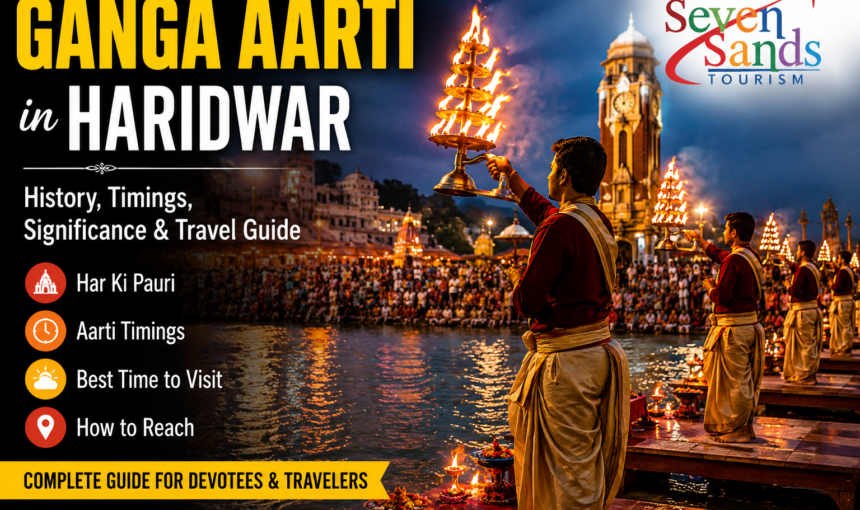
The Ganga Aarti in Haridwar is a revered Hindu ritual that holds profound significance both for locals and pilgrims visiting this holy city. Conducted every evening on the banks of the sacred Ganges River, the Aarti serves as a devotional offering to the Goddess Ganga, symbolizing purity and the cycle of life. This sacred ceremony is characterized by prayers, chants, and the illumination of lamps, providing a spiritual experience that resonates deeply with attendees.
Haridwar is one of the seven holiest places in Hinduism, and the Ganga Aarti is a central religious practice here, drawing numerous devotees seeking solace and connection to divinity. As the sun sets, the atmosphere transforms into a spectacle of lights and sounds, where the flames of the diyas (lamps) dance in harmony with the flowing waters of the Ganges. This enchanting ambiance creates an ethereal experience for those present, highlighting the city’s vibrant spiritual culture.
During the Aarti, priests skillfully perform the rituals, invoking blessings and gratitude towards the river Ganga, which is considered a lifeline for countless individuals. This experience not only serves to enhance one’s spiritual understanding but also reinforces community bonds among worshippers. The participation of onlookers—who join in the chanting of hymns and mantras—demonstrates the collective devotion to the sacred river.
Ultimately, the Ganga Aarti in Haridwar stands as a poignant reminder of the deep-rooted traditions of Hindu worship, emphasizing the importance of faith, respect for nature, and the interconnectedness of life. The event encapsulates the essence of Haridwar, making it a must-experience for anyone seeking to understand the spiritual currents flowing through this historic city.
History and Origin of Ganga Aarti
The Ganga Aarti, an integral part of Hindu rituals, finds its roots deeply embedded in the ancient traditions of India. The solemn yet vibrant ceremony is performed primarily at the banks of the sacred Ganges River in Haridwar, which is believed to be one of the holiest places in Hinduism. The origin of this practice can be traced back to Vedic times when offerings were made to deities during various rites. These early rituals laid the groundwork for what would evolve into the spectacular Ganga Aarti that we witness today.
References to the worship of Ganga can be found in several ancient scriptures, including the Puranas and the Mahabharata, which highlight the river’s divine status. The river is personified as a goddess, and the Aarti is a form of devotion acknowledging her sacredness. Rituals that involve lighting lamps and offering prayers have been conducted for centuries, serving not only as a spiritual offering but also as a means to cleanse oneself of impurities.

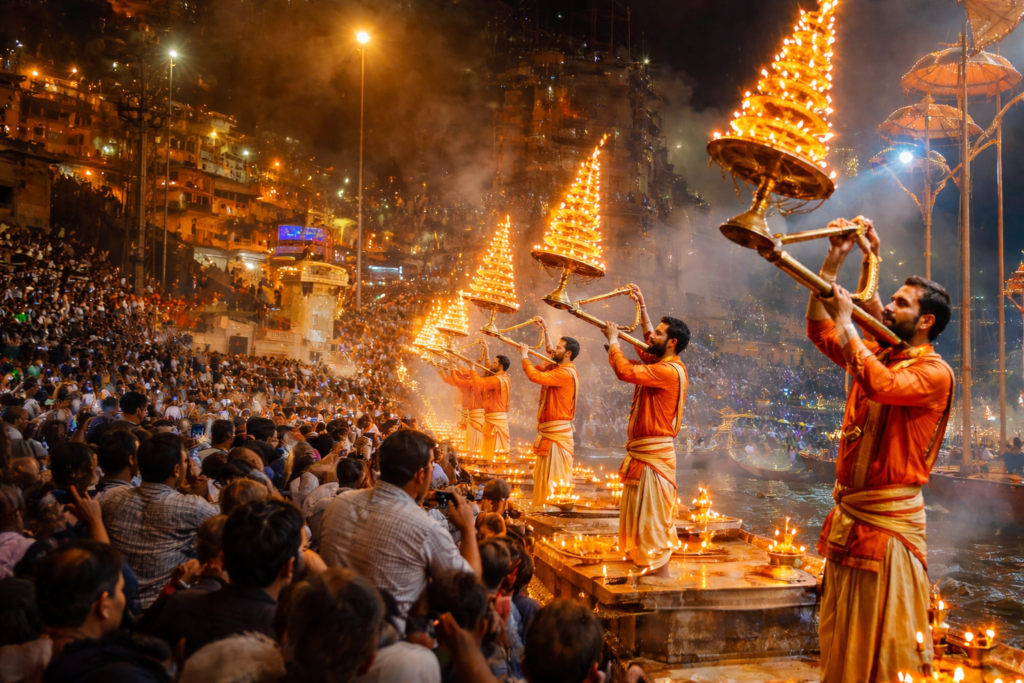
Over the centuries, the practice of Ganga Aarti has evolved significantly. During the medieval period, the introduction of elaborate rituals and musical offerings added a profound layer of reverence to the ceremony. It became increasingly popular among devotees who sought to experience a deeper spiritual connection. Each evening, crowds gather at the ghats, signifying a communal participation in this soulful ritual, which further establishes its place within the cultural fabric of India.
Today, Ganga Aarti is a blend of ancient traditions and contemporary expressions of faith. It reflects the ever-evolving relationship between spirituality and community, demonstrating how rituals can adapt while maintaining their historical significance. The beauty of the Aarti not only captivates onlookers but also reinforces the timeless link between humanity and the divine essence of the Ganges River.
Importance of Har Ki Pauri
Har Ki Pauri, translating to ‘the footsteps of Lord Shiva’, is widely regarded as the most eminent ghat in Haridwar, celebrated for the ritualistic Ganga Aarti held each evening. This site holds immense historical and spiritual significance, drawing pilgrims and tourists alike who seek to immerse themselves in its rich cultural tapestry. Established by King Vikramaditya in the 1st century BC, legends suggest that this ghat is where Lord Vishnu left his footprints, further augmenting its revered status among devotees.
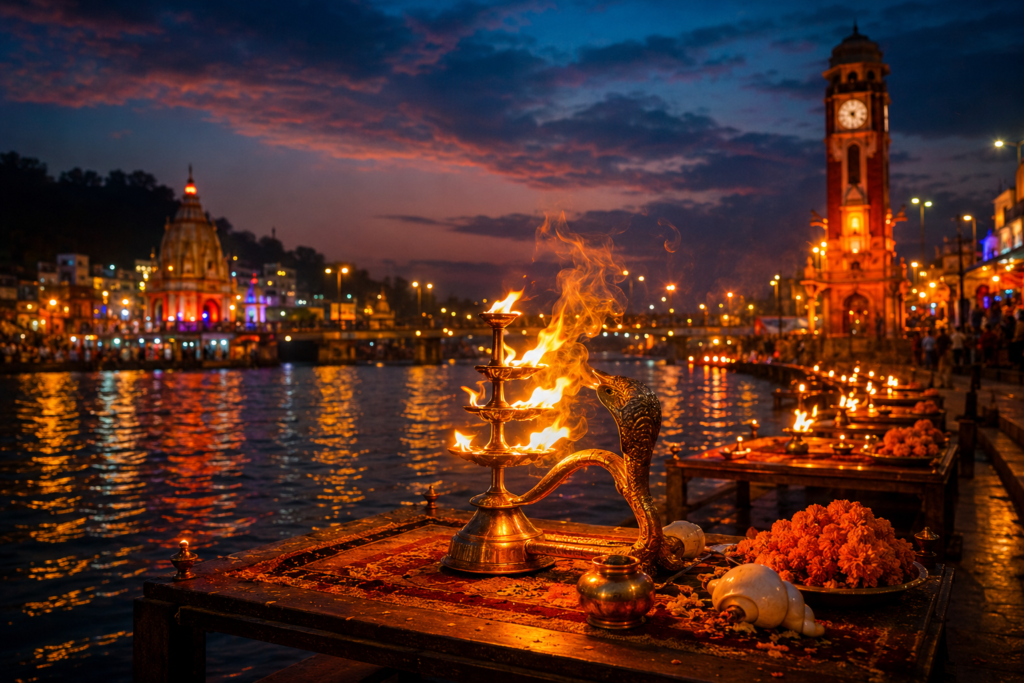
Architecturally, Har Ki Pauri stands out with its grand staircases leading down to the sacred Ganges River, embellished with intricate carvings and stone structures that narrate the stories of ancient Indian mythology. The ghat is characterized by a spiritual ambiance, enhanced by the simultaneous sounds of conch shells, chants, and the mellifluous hymns sung during the aarti ceremony. Visitors are often captivated by the visual spectacle of hundreds of floating oil lamps, known as diyas, which symbolize the removal of darkness and ignorance, establishing a connection between the devotee and divinity.
The importance of Har Ki Pauri extends beyond its religious connotations; it serves as a communal space fostering connections among diverse groups. Pilgrims from various backgrounds gather here, strengthening the unity and shared cultural heritage of the Hindu faith. The ghat is not only a place for spiritual renewal but also plays a vital role in the local economy, supporting businesses that cater to the needs of thousands of visitors each year. Undoubtedly, a visit to Har Ki Pauri is essential for anyone looking to capture the essence of Haridwar and experience the profound spiritual experiences this sacred site offers.
Story of King Vikramaditya and Bharthari
The compelling narrative of King Vikramaditya and his brother, Bharthari, is deeply interwoven with the spiritual practices that characterize the Ganga Aarti in Haridwar. Vikramaditya, a legendary king known for his wisdom and valor, ruled over the kingdom of Ujjain. His reign is often illustrated through tales of justice and benevolence, which endeared him to his subjects. Amidst the splendor of his kingdom, Vikramaditya faced significant challenges, particularly concerning his relationship with his brother, Bharthari.
Bharthari, who initially harbored feelings of envy towards Vikramaditya’s successes, later became a pivotal figure in the broader spiritual narrative. The story unfolds with Bharthari’s realization that material gains are transient and that spiritual enlightenment offers a more enduring path to fulfillment. In search of this spiritual truth, Bharthari renouted his earthly ties, choosing to embrace hermit life in the upside-down city, where he found ultimate peace along the banks of the sacred Ganges.
Central to this story is the moral lesson of transformation and the quest for deeper meaning in one’s existence. King Vikramaditya’s journey also embodies the themes of duty, love for family, and the significance of nurturing one’s spiritual essence. Their experiences resonate with the practice of Ganga Aarti, which symbolizes devotion, purification, and a communal connection with the divine. The rituals performed during the Aarti mirror the internal transformation that both brothers underwent, emphasizing how spiritual practices can lead individuals to introspection and self-discovery.
Today, the legacy of Vikramaditya and Bharthari serves as a powerful reminder of the importance of spirituality in life. Their tale encourages modern individuals to reflect on their lives, helping them foster a deeper connection with the Ganga, the sacred river that flows through Haridwar, and engage meaningfully in the age-old tradition of Aarti.
Spiritual Significance of River Ganga in Hinduism
The River Ganga, or Ganges, holds an esteemed position in Hinduism, often referred to as the “Ganga Ma” or Ganges Mother. This river is not merely a physical entity but a significant spiritual symbol for millions of Hindus. It embodies purity, life, and the divine, making it a focal point of worship and reverence.
According to Hindu mythology, the Ganga descends from the heavens to the earth, a journey depicted in tales of the deities. In one such story, King Bhagirath is said to have performed immense penance to bring the Ganga to the mortal world, so she could purify the ashes of his ancestors, allowing their souls to attain moksha, or liberation from the cycle of birth and death. This mythological narrative underscores the river’s role as a purifying force, helping devotees in their spiritual pursuits.
The Ganga is also deeply associated with various rituals and ceremonies in Hindu culture. Pilgrimage sites along its banks host numerous sacred activities, including bathing during auspicious festivals, which devotees believe helps cleanse them of sins. Rituals such as the Ganga Aarti, performed at dusk, are essential in paying homage to the river, further emphasizing its importance in the spiritual landscape of Hinduism.
Moreover, the river serves as a lifeline for numerous communities reliant on its waters for daily sustenance and agricultural needs. The holy waters are regarded as a symbol of hope and regeneration, fostering an intrinsic connection between physical existence and spiritual enlightenment.
Overall, the River Ganga transcends its geographical significance, establishing itself as an integral part of the spiritual journey of countless Hindus, embodying not only the physical but also the metaphysical essence they aspire to understand and connect with.
Why Devotees Attend Ganga Aarti
The Ganga Aarti in Haridwar holds profound significance for devotees, drawing individuals from diverse backgrounds and locations. This sacred ritual, performed at the banks of the revered Ganges River, serves as a profound spiritual experience. Many attendees believe that participating in the Aarti purifies the soul and provides spiritual elevation. The rituals instill a sense of peace and connect them with divine energies, aligning them with higher spiritual realms.
Furthermore, the Ganga Aarti offers a unique communal experience. Devotees gather in large numbers, fostering a sense of unity and belonging. The collective recitation of hymns and chants during the ceremony encourages shared spirituality, as individuals participate not just as spectators but as integral parts of a larger spiritual community. Many attendees express that the nurturing environment significantly reinforces their faith and commitment to spiritual practices.
Emotional experiences are also deeply intertwined with Ganga Aarti. For many, witnessing the flickering flames of the diyas against the backdrop of the flowing river evokes strong feelings of devotion and gratitude. Participants often describe a sense of surrender, where they release their worries and concerns into the river, seeking solace and divine intervention. The aesthetics of the Aarti, with the sight of flames and the sound of sacred chants, creates a powerful emotional ambiance that facilitates introspection and personal transformation.
Ultimately, attending the Ganga Aarti is a multifaceted experience. It encompasses spiritual awakening, communal bonding, and emotional release, highlighting the richness of cultural and religious practices in India. Devotees find themselves transformed, often returning to the ceremony, drawn back by the spiritual energy of the Ganga and the profound experiences it offers.
The Ganga Aarti in Haridwar is a sacred ritual that involves a series of steps culminating in an elaborate ceremony designed to honor the River Ganga. Traditionally performed at the banks of the river during the evening, this ritual represents a profound respect for the natural elements and signifies a form of worship.
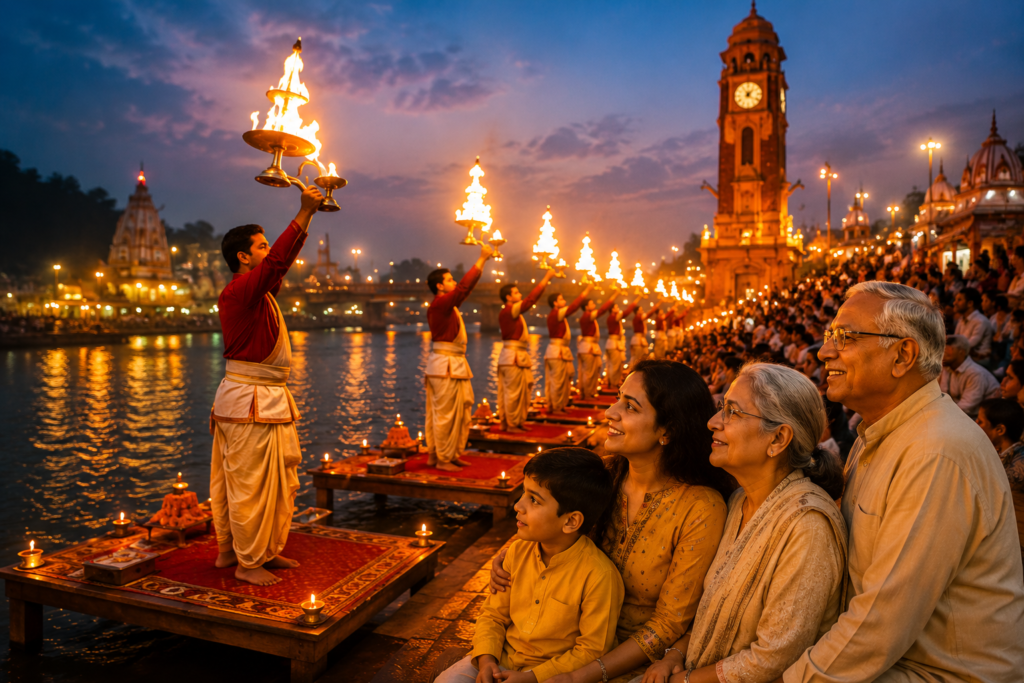
The ceremony begins with the gathering of devotees, who assemble in large numbers to participate in this spiritual event. As evening approaches, priests clad in ceremonial attire prepare for the aarti. The initial step involves the offering of flowers and lighting of lamps, both integral to the creation of a sacred atmosphere. Devotees throw flowers and lit diyas into the river as an early form of devotion, symbolizing the relinquishing of negativity and the welcoming of divine blessings.
Next, the priests invoke the presence of goddess Ganga through chants and mantras. The chanting serves to elevate the atmosphere, inviting spiritual energy into the space. Subsequently, the main aarti ceremony commences. This is marked by the ringing of bells and the waving of large flame lamps, known as ‘aarti thalis,’ in circular motions. Each motion is accompanied by specific hymns that resonate with the essence of devotion.
The offerings to the river include not only light but also food items, such as fruits and sweets, symbolizing gratitude and respect. Additionally, as the evening sky darkens, illuminated diyas released into the water represent hopes and prayers being sent forth. The conclusion of the aarti is marked by the collective chanting of mantras and bhajans, enhancing the sacred ambiance.
Overall, the entire Ganga Aarti ritual is deeply symbolic, representing the cycle of life, devotion, and the eternal connection between the devotees and the divine river.
Morning and Evening Ganga Aarti Timings
Ganga Aarti is a significant ritual performed at the banks of the Ganges River in Haridwar, attracting numerous pilgrims and tourists. It is essential for visitors to be aware of the aarti timings to fully appreciate this spiritual experience. The timings may vary slightly depending on the season, but here is a general guide to help you plan your visit.
The morning Ganga Aarti generally takes place around 5:00 AM to 6:00 AM. This early morning ritual is characterized by the chanting of mantras, ringing of bells, and offering of prayers as the first rays of sunlight illuminate the sacred river. Arriving early is advisable, as it provides an opportunity to find a good spot along the riverbank to witness the ceremony in all its glory.
In contrast, the evening Ganga Aarti is usually conducted between 7:00 PM to 7:30 PM, although these timings may extend during certain festivals. The ambiance during the evening Aarti is enchanting, with the use of diyas (earthen lamps) lit in unison and floated on the river, creating a mesmerizing view against the backdrop of the setting sun.
For those planning to attend, it is recommended to arrive at least 30 minutes prior to both morning and evening Aarti sessions. This will ensure that you have ample time to settle in and enjoy the spiritual atmosphere without hastening through the experience. Additionally, it is advisable to dress modestly and follow the local customs and protocols while attending the ceremony.
By planning your visit around these timings, you will not only enrich your pilgrimage experience but also embrace the profound spirituality that the Ganga Aarti embodies in the holy city of Haridwar.
Best Time to Visit Haridwar for Ganga Aarti & Festivals
When planning a visit to Haridwar to experience the famed Ganga Aarti, it is essential to consider the seasonal variations that can enhance or diminish the spiritual experience. The ideal time for tourists and devotees to visit Haridwar is between the months of September and November and again from March to April. During these periods, the weather remains pleasant, making it comfortable to partake in the evening Ganga Aarti without the discomforts of the extreme heat or monsoons.
In addition to favorable weather conditions, several significant festivals are celebrated in Haridwar that attract many visitors and intensify the ambiance of the Ganga Aarti. The Kumbh Mela, occurring every 12 years, is one such festival that draws millions from around the world. While Haridwar is a host city for the Kumbh Mela, the Ardh Kumbh Mela, celebrated every six years, also offers an equally awe-inspiring experience. During these festivals, the Ganga Aarti turns into a grand spectacle, with thousands of devotees and visitors participating, creating a pulsating environment filled with devotion.
Additionally, the festival of Maha Shivaratri, typically celebrated in February or March, is a time when the Ganga Aarti gains significant momentum, as it marks an occasion filled with fervor and spiritual significance among the devotees of Lord Shiva. Another notable event is the Ganga Dussehra, celebrated in May or June, which adds to the vibrancy of the place as locals and tourists gather to witness the ritualistic evening aarti by the river.
Visiting Haridwar during these spiritually significant festivals not only enhances the experience of the Ganga Aarti but also allows visitors to immerse themselves in the rich, cultural heritage that surrounds this timeless tradition.
Travel Tips for Visitors and Nearby Temples and Attractions in Haridwar
Haridwar, renowned for its spiritual significance, offers an array of experiences for visitors. To ensure a fulfilling journey, it is essential to be well-prepared. First and foremost, timing your visit to coincide with the Ganga Aarti will enhance your experience in this sacred city. The best time to attend the evening ceremony is around sunset, where the atmosphere is infused with spirituality and reverence.
When exploring Haridwar, don’t miss out on visiting nearby temples that enrich the pilgrimage experience. The Mansa Devi Temple, perched atop the Bilwa Parvat, provides breathtaking views of the city and the Ganges below. A cable car is available for those who prefer a more relaxed ascent. Equally significant is the Chandi Devi Temple, dedicated to Goddess Chandi, which is accessible via a scenic trek or cable car.
For accommodations, travelers have options ranging from budget lodgings to more opulent hotels. The areas near Har Ki Pauri are particularly preferred as they allow easy access to temples and the riverfront, ensuring a spiritual ambiance throughout your stay. Look for hotels that offer all-inclusive packages catering to pilgrims, featuring meals and guided tours.
In addition to temples, Haridwar has various attractions such as the Rajaji National Park, where wildlife enthusiasts can embark on nature trails and wildlife safaris. Furthermore, experiencing the local cuisine is a must; try the street food at Harkipauri for an authentic taste of regional flavors.
By taking heed of these travel tips, pilgrims and families can maximize their experience in Haridwar, allowing for a deeper connection to the spiritual landscape while enjoying its rich heritage.
Frequently Asked Questions Related to Ganga Aarti
1. Where is the famous Ganga Aarti held in Haridwar?
The famous Ganga Aarti in Haridwar is held at Har Ki Pauri, one of the holiest ghats on the banks of the River Ganga. Thousands of devotees gather here every evening to witness the spiritual ritual with fire lamps, chanting, bells, and floating diyas. The location is easily accessible from Haridwar Railway Station and major hotels.
What is the best time and weather to attend Ganga Aarti in Haridwar?
The best time to attend Ganga Aarti is from October to March when the weather remains cool and pleasant for temple visits and sightseeing. Evening Aarti during winter usually starts around 5:30 PM, while in summer it begins around 6:30 PM. Visitors should arrive early to get a good viewing spot near the ghat.
How can tourists reach Har Ki Pauri for Ganga Aarti?
Tourists can easily reach Har Ki Pauri by auto-rickshaw, taxi, local bus, or walking from nearby hotels in Haridwar. The nearest railway station is Haridwar Junction, and the closest airport is Jolly Grant Airport in Dehradun. Seven Sands Tourism also provides complete transport assistance and Haridwar pilgrimage tour packages for families and devotees.
Is Ganga Aarti in Haridwar suitable for families and senior citizens?
Yes, Ganga Aarti in Haridwar is a family-friendly spiritual experience suitable for children, adults, and senior citizens. Comfortable seating areas, nearby hotels, food stalls, and easy access roads make the visit convenient for pilgrims. Many families book customized spiritual tours with Seven Sands Tourism for a peaceful and comfortable Haridwar and Rishikesh journey.
How can I participate in Ganga Aarti?
To participate in Ganga Aarti, visitors are welcome to simply arrive at the designated ghats before the ceremony begins. It is advisable to reach early to secure a good viewing spot. Attendees can engage by joining the prayers and singing hymns along with the priests, or by offering a diya (lamp) to the river as a symbol of gratitude. The atmosphere is participatory and welcoming, enriching the overall experience for everyone involved.
What should I wear to Ganga Aarti?
Attire for Ganga Aarti should be respectful, reflecting the spiritual significance of the occasion. It is advisable to wear modest clothing, avoiding shorts and sleeveless tops. Traditional Indian attire, such as kurta-pyjama for men or sarees and salwar kameez for women, is often recommended. Comfortable footwear is also essential, as the event typically takes place on the steps leading to the river, where walking is involved.
What can I expect during Ganga Aarti?
Visitors attending the Ganga Aarti can expect a profound spiritual experience filled with vibrant chants, the flickering of oil lamps, and the scent of incense filling the air. The ceremonies typically last about 45 minutes to an hour, during which priests perform rituals involving offerings to the river in a synchronized manner. Attendees often participate by singing hymns or simply observing, creating a serene atmosphere, particularly when the lamps are released into the river, creating a beautiful reflection on the water.
What is the purpose of Ganga Aarti?
Ganga Aarti, a sacred ritual performed at the banks of the Ganges River, serves multiple purposes. Primarily, it is a form of worship that expresses gratitude toward the river, regarded as a mother figure by millions. The ceremony aims to invoke the blessings of the deities, promote spiritual healing, and foster a sense of community among participants. As the evening descends, the Aarti transforms into a mesmerizing visual spectacle that attracts visitors and locals alike.
Table of Contents
Conclusion
The Ganga Aarti in Haridwar stands as a magnificent symbol of spiritual devotion and cultural heritage. Each evening, as the sun sets, thousands gather along the banks of the Ganges to witness this mesmerizing ritual, which reflects the profound reverence held for the river in Hindu tradition. Observing the Ganga Aarti provides not only a stunning visual experience but also an opportunity for personal reflection and connection to the divine. Such experiences highlight the Ganges’ role as more than just a physical entity; it embodies the essence of life, spirituality, and communal harmony.
As we conclude our exploration of the history and significance of Ganga Aarti, it becomes evident that this age-old practice continues to resonate with pilgrims and tourists alike. The heartfelt prayers, the glowing diyas, and the chanting of mantras offer an unparalleled journey into the spiritual ethos of India. Visitors often find themselves transformed, embracing the tranquility and sacredness that envelops the atmosphere during the ceremony.
For those seeking to embark on their own pilgrimage adventures, Seven Sands Tourism provides expertly curated tour packages designed to enhance your experience in Haridwar. Whether you are looking to immerse yourself in the spiritual fervor of Ganga Aarti, explore other significant religious sites, or simply enjoy the serene beauty of the region, Seven Sands Tourism is equipped to guide you. These packages not only accommodate the logistical aspects of your journey but also ensure that your spiritual explorations are deeply meaningful.
Engage with Seven Sands Tourism to discover a world where personal spiritual journeys are seamlessly woven with exceptional travel services, creating a holistic experience that transcends mere tourism. Allow the Ganga Aarti to touch your heart, as you participate in a ritual that has captivated souls for centuries.