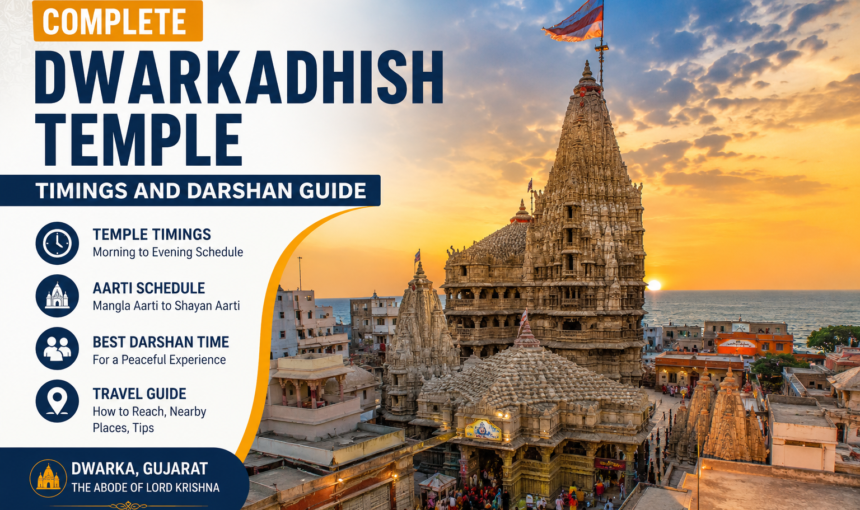
Introduction to Dwarkadhish Temple Timings and Darshan Guide
Dwarkadhish Temple timings are important for devotees planning a peaceful darshan in Dwarka, Gujarat. The temple opens early morning with Mangla Aarti and remains open for darshan in different sessions throughout the day. Thousands of pilgrims search for Dwarka mandir timing, Dwarka darshan time today, and Dwarkadhish Temple evening aarti timing before visiting this sacred Krishna temple.
Early morning and evening hours are considered the best time for spiritual experiences and less crowded darshan. Seven Sands Tourism provides complete guidance for Dwarka Temple tours, darshan timings, nearby sightseeing, hotel stays, and comfortable pilgrimage packages for families and devotees across India.
The Dwarkadhish Temple, located in the sacred city of Dwarka, Gujarat, is one of the most revered pilgrimage sites in Hinduism. This temple is dedicated to Lord Krishna, who is worshipped as Dwarkadhish, meaning the “King of Dwarka.” It is believed that this temple was originally built over 2,500 years ago, although the current structure dates back to the 16th century, showcasing intricate architecture and spiritual significance.
Significantly, the temple is part of the Char Dham pilgrimage, which includes Badrinath, Puri, and Rameshwar, making it a vital component of Hindu religious practices. The narrative surrounding the temple is deeply intertwined with Hindu mythology, particularly the tales of Lord Krishna’s life, his divine play in Dwarka, and his relationships with devotees. The temple serves as a physical manifestation of devotion, attracting millions of pilgrims who come to seek blessings and participate in various rituals.
Dwarka, with its historical and mythological importance, is often referred to as “the city of Lord Krishna.” The temple’s location along the Arabian Sea adds to its allure, offering not only spiritual enrichment but also scenic landscapes. Pilgrims and tourists alike are drawn to the region for its vibrant culture, fascinating history, and the serene environment surrounding the temple.
The Dwarkadhish Temple provides an essential link between the past and the present, allowing visitors to connect with ancient traditions while experiencing the continued relevance of Lord Krishna’s teachings in modern life. As a result, the temple stands not merely as a place of worship but also as a cultural landmark, embodying the essence of Hindu spirituality and devotion.
Experience the spiritual and cultural essence of western India with the Gujarat Tour: Ahmedabad, Dwarka & Somnath Package by Seven…
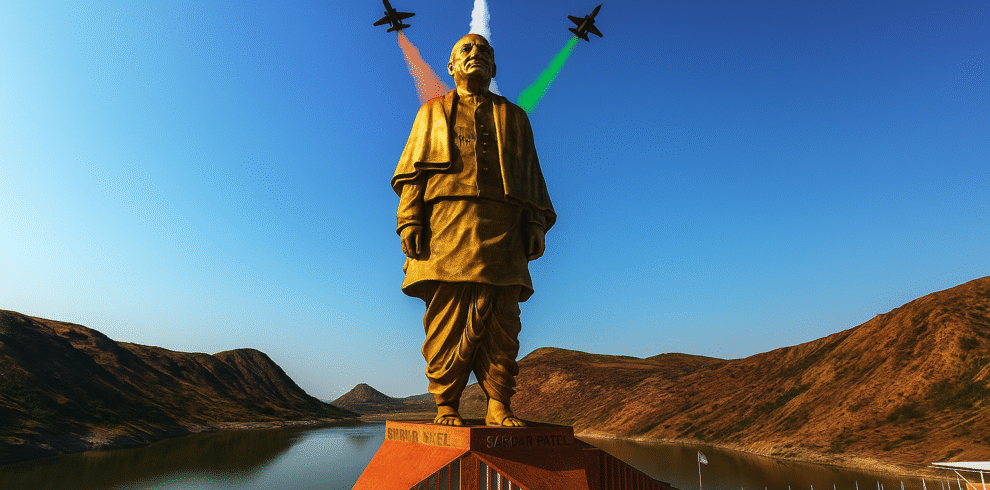
Experience Gujarat Tour Packages from Bangalore by Flight by Seven Sands Tourism. This tour is designed to give you the…
Overview of Temple Timings
The Dwarkadhish Temple, a revered pilgrimage site dedicated to Lord Krishna, offers a structured schedule for devotees looking to experience darshan. The temple opens its doors each day at 6:00 AM, allowing visitors to participate in the early morning aarti, which is an essential ritual that sets the spiritual tone for the day. This initial aarti, known as the Mangala aarti, usually lasts around 30 minutes, beautifully commencing the day at the temple.
Throughout the day, the temple provides various opportunities for darshan, with intervals for aartis occurring at distinct times. After the morning aarti concludes, the temple remains open for visitors until around 12:00 PM, at which point it closes temporarily for about an hour. The temple reopens at 1:00 PM, offering continued access for devotees to pay their respects and seek blessings.
In the evening, the temple again offers a unique opportunity for darshan, with the Sandhya aarti taking place between 7:00 PM and 8:00 PM. This evening ritual attracts many visitors wishing to witness the serene atmosphere of the temple bathed in dusk light. Post the Sandhya aarti, the temple stays open for a while longer, generally closing around 9:30 PM.
It’s important to note that the timings may vary slightly during festive occasions or special events within the temple, often extending or altering the standard schedule to accommodate larger crowds. Therefore, devotees are encouraged to check with the temple administration for any changes to the usual timings, especially if planning visits during peak festivals. These regular schedules ensure a structured and spiritually enriching experience for all who visit this sacred site.
Morning Aarti Timings and Darshan Schedule
The Dwarkadhish Temple, located in the sacred city of Dwarka, is known for its elaborate morning rituals, beginning with the Mangla Aarti. The temple’s day commences with this auspicious ceremony, typically held around 5:00 AM. This aarti serves as a devotional offering to Lord Krishna, marking the start of the day with spiritual fervor and congregational worship.
The significance of attending the Mangla Aarti cannot be overstated, as it is believed to be a moment of divine connection where devotees can immerse themselves in spiritual bliss. The atmosphere in the temple during this early morning ritual is one of tranquility and reverence, attracting numerous pilgrims and spiritual seekers. Witnessing the aarti is not only a way to express devotion but also an opportunity to partake in the collective energy generated by the gathered community.
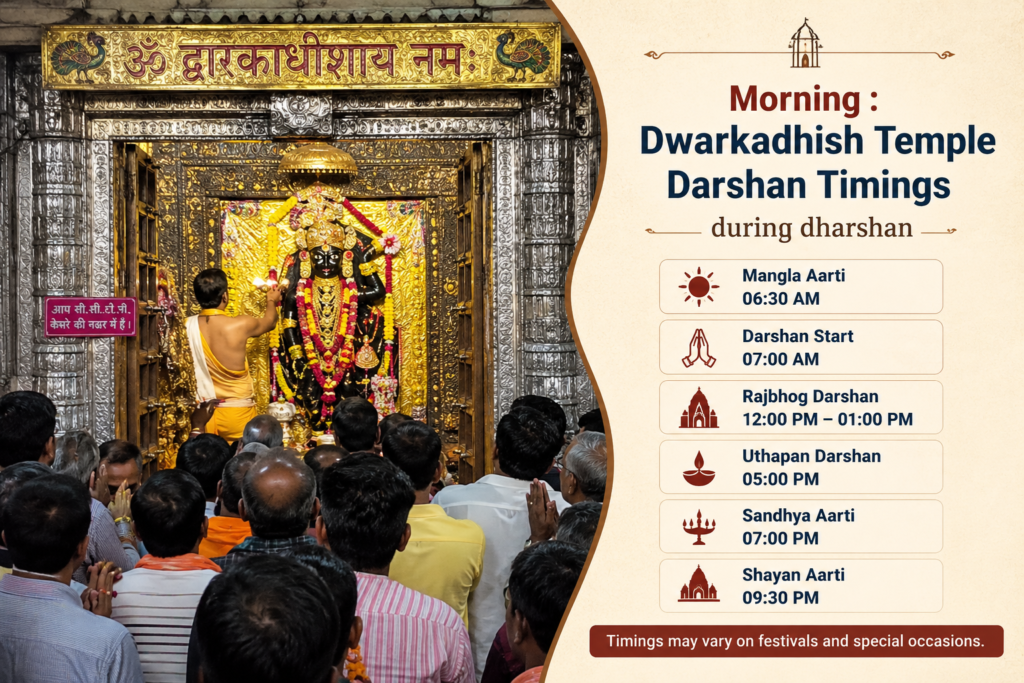
Following the Mangla Aarti, devotees can experience the subsequent rituals, which include the Shringar Aarti at approximately 7:00 AM and the Rajbhog Aarti at around 12:00 PM. Each of these aartis holds unique significance and is accompanied by specific offerings, further enhancing the devotional atmosphere within the temple. For those planning their visit, aligning their schedule to participate in these rituals can greatly enhance their spiritual experience.
To ensure a fulfilling visit, pilgrims are advised to arrive at the temple a bit earlier than the scheduled aarti times. This allows for ample opportunity to soak in the environment and find a comfortable place within the temple premises. With the combination of well-timed visits and the ritualistic charm of attending the aartis, devotees can fully experience the spiritual essence that Dwarkadhish Temple embodies.
Morning : Dwarkadhish Temple Darshan Timings
| Timings | Arti / Darshan Details |
|---|---|
| 6:30 AM | Mangla Arti |
| 7:00 AM – 8:00 AM | Mangla Darshan |
| 8:00 AM – 9:00 AM | Abhishek Pooja (Snan Vidhi) – Darshan Closed |
| 9:00 AM – 9:30 AM | Shringar Darshan |
| 9:30 AM – 9:45 AM | Snanbhog – Darshan Closed |
| 9:45 AM – 10:15 AM | Shringar Darshan |
| 10:15 AM – 10:30 AM | Shringarbhog – Darshan Closed |
| 10:30 AM – 10:45 AM | Shringar Arti |
| 11:05 AM – 11:20 AM | Gwal Bhog – Darshan Closed |
| 11:20 AM – 12:00 PM | Darshan |
| 12:00 PM – 12:20 PM | Rajbhog – Darshan Closed |
| 12:20 PM – 12:30 PM | Darshan |
| 1:00 PM | Anosar – Darshan Closed |
Evening Aarti Timings and Darshan Schedule
The Dwarkadhish Temple, renowned for its devotion and spiritual ambiance, offers several rituals in the evening that hold significant meaning for visitors. Among the most notable rituals are the rajbhog aarti and the shayan aarti, which take place at specific timings. The rajbhog aarti typically occurs around 7:00 PM, marking the time when the deity, Lord Krishna, is presented with offerings of food. This ritual is an essential part of the evening schedule as it symbolizes the intimate connection between the devotees and the divine, creating a spiritually enriching experience.
Following the rajbhog aarti, the shayan aarti is conducted around 10:00 PM. This ceremony heralds the closing of the day for the idol of Lord Krishna, who is gently placed to rest for the night. The act of the shayan aarti encapsulates the day’s activities while underscoring the importance of reflection and gratitude. For devotees, participating in these evening rituals can be a fulfilling experience, often described as a time of peace and reflection.
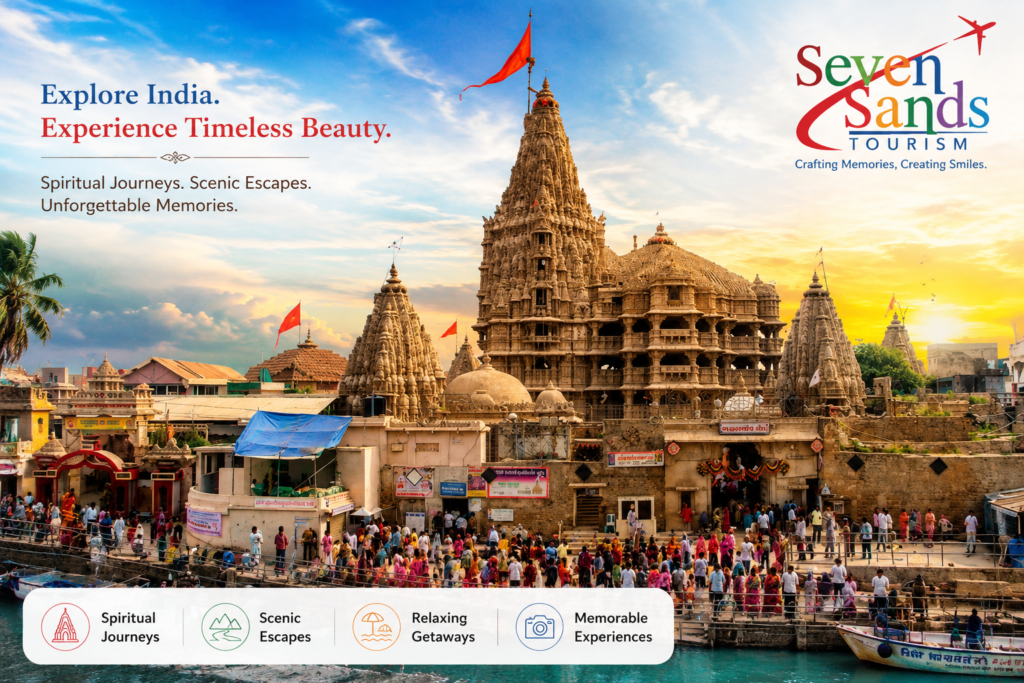
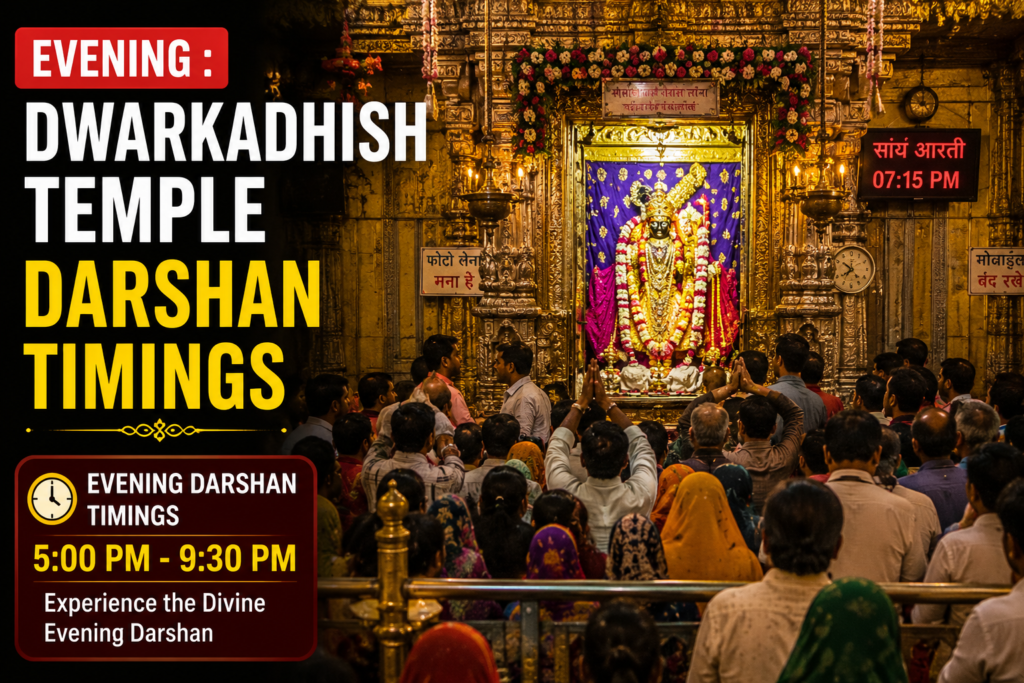
Attending the evening aarti ceremonies is more than just witnessing a ritual; it serves as an opportunity for devotees to connect deeply with their faith. The atmosphere during these aartis is serene, filled with chants and devotion, enhancing the overall darshan experience. Many devotees find solace in participating in the evening sessions, as they can witness the fervent devotion and the communal spirit that’s prevalent during this time. The rituals help in fostering a sense of belonging as everyone unites in prayer, creating lasting memories associated with their visits to Dwarkadhish Temple.
Evening Dwarkadhish Temple Darshan Timings
| Timings | Darshan Details |
|---|---|
| 5:00 PM | Uthappan – First Darshan |
| 5:30 PM – 5:45 PM | Uthappan Bhog – Darshan Closed |
| 5:45 PM – 7:15 PM | Darshan |
| 7:15 PM – 7:30 PM | Sandhya Bhog – Darshan Closed |
| 7:30 PM – 7:45 PM | Sandhya Arti |
| 8:00 PM – 8:10 PM | Shayanbhog – Darshan Closed |
| 8:10 PM – 8:30 PM | Darshan |
| 8:30 PM – 8:35 PM | Shayan Arti |
| 8:35 PM – 9:00 PM | Darshan |
| 9:00 PM – 9:20 PM | Bantabhog and Shayan – Darshan Closed |
| 9:20 PM – 9:30 PM | Darshan |
| 9:30 PM | Dwarkadhish Temple Closed |
Special Festivals and Their Darshan Timings
The Dwarkadhish Temple, which is among the revered pilgrimage centers in India, experiences an influx of visitors during special festivals and occasions. Notable events such as Janmashtami, Diwali, and Navratri significantly alter the regular darshan timings, with the temple organizing elaborate rituals and celebrations for devotees.
For example, Janmashtami, which celebrates the birth of Lord Krishna, is one of the most celebrated festivals at the Dwarkadhish Temple. During this time, the temple stays open for darshan for extended hours, allowing devotees to participate in night-long festivities. The timings may extend well into the night to accommodate the influx of pilgrims eager to witness the various rituals performed with great fervor. As a result, visitors can expect a vibrant atmosphere filled with music, dance, and elaborate decorations, contributing to an unforgettable spiritual experience.
Similarly, Diwali, the festival of lights, transforms the temple into a breathtaking spectacle. In the days leading up to Diwali, special poojas are conducted, and the temple is adorned with thousands of oil lamps and decorative lights. The darshan timings during Diwali are adjusted to allow for the evening aarti, which attracts numerous visitors. The temple management makes special arrangements to handle the crowd, ensuring that all visitors can partake in the divine ambiance of the celebration.
During other festivals like Navratri, the temple stages unique rituals that may include recitations, bhajans, and processions, extending darshan hours to accommodate enhanced crowd attendance. Devotees are encouraged to check the official announcements regarding specific timings and additional services available to them during these peak periods. Through thoughtful planning and the spirit of devotion, festival visitors can enjoy an enriching and spiritually uplifting experience at the Dwarkadhish Temple.
Tips for Planning Your Visit
When planning a trip to the Dwarkadhish Temple, there are several factors to consider that can enhance your experience. To fully appreciate the spiritual ambiance and the intricate architecture of this revered site, visiting during off-peak hours is advisable. The best time to visit the temple is early in the morning or late in the evening, as these hours tend to see fewer crowds, allowing for a more tranquil darshan.
Additionally, it is imperative to check the temple timings in advance. The Dwarkadhish Temple has specific hours for darshan, which may vary on different days or occasions. Being informed about the temple’s schedule will help avoid any disappointment upon reaching. Visitors should also consider weekend visits, when the temple may be more crowded due to local tourism and pilgrimage, thus plan your visit for weekdays where possible.
Furthermore, it is highly recommended to book darshan tickets online ahead of your visit, especially during festive periods or weekends. Many visitors flock to the temple during these times, and advance booking can save you considerable time in queues. Several websites offer facilitative services to book your tickets conveniently and provide information on various packages available.
Lastly, make sure to allocate ample time for your visit, as there are numerous rituals and festivities throughout the day that merit attention. Spending some time exploring the surroundings of the temple can also enrich your experience, offering insights into local culture and history. In conclusion, careful planning that includes considering the time of visit, ticket arrangements, and an understanding of the temple’s schedule will significantly enhance your pilgrimage to the Dwarkadhish Temple.
Temple Services and Poojas
Dwarkadhish Temple, revered for its majestic architecture and spiritual significance, offers a plethora of services and poojas that cater to the spiritual needs of its pilgrims. The temple facilitates various daily rituals and special ceremonies which infuse the atmosphere with divine energy, enhancing the spiritual experience for devotees.
Among the daily poojas, the ‘Mangal Aarti’ is conducted in the early morning, welcoming the day with prayers and hymns. Pilgrims can witness this uplifting ceremony from around 6:00 AM, making it a serene start to their day. Following the Mangal Aarti, the ‘Rajbhog Aarti’ occurs around noon, allowing devotees to partake in the evening offerings that further connect them with the divine presence of Lord Krishna.
In addition to these regular offerings, the temple also celebrates specific festivals with elaborate rituals. Major festivals such as Janmashtami and Holi witness grandeur with special poojas, cultural performances, and decorations that draw large crowds from far and wide. During these occasions, pilgrims are encouraged to participate actively, which enriches their experience and connection to the divine.
For those seeking to deepen their spiritual journey, the temple offers additional pooja services such as ‘Tarpan’ and ‘Homa’. Reservations for these services can be made through the temple’s official website or at the temple’s reception desk. It is recommended to book in advance, especially during peak pilgrimage seasons, to ensure availability and a smooth experience.
Devotees also have the opportunity for personal offerings, which can range from flowers to more elaborate prasad. Regular attendees at the Dwarkadhish Temple find that partaking in these poojas fosters a deeper sense of community and devotion. Thus, the temple not only serves as a place of worship but also as a hub for spiritual connection and camaraderie amongst pilgrims.
Travel Guide to Dwarkadhish Temple
Situated in the coastal town of Dwarka, the Dwarkadhish Temple is an important pilgrimage destination for Hindus and attracts thousands of visitors each year. Accessing this sacred site can be accomplished using various modes of transportation, making it accessible to both domestic and international travelers. The closest major airport is in Jamnagar, approximately 140 kilometers away, offering limited flights from major cities. From there, travelers can hire a taxi or take a bus to reach Dwarka. Additionally, the nearest railway station is located in Dwarka, with a few trains running to and from prominent Indian cities.
For those traveling by road, Dwarka is well-connected with nearby towns and cities. State and private buses operate frequently from cities like Ahmedabad and Rajkot. Road trips from these cities can be a pleasant experience, showcasing the picturesque landscapes of Gujarat. Once in Dwarka, local transport options such as auto-rickshaws and cycle rickshaws are readily available to navigate around town.
Accommodation options near the Dwarkadhish Temple cater to various preferences and budgets. From luxury hotels to more economical guesthouses and dharamshalas, visitors can choose a comfortable stay that suits their needs. Booking in advance is advisable, especially during peak pilgrimage seasons. Some notable hotels include the Hotel Dwarkadhish and Hotel Gomti, which are renowned for their proximity to the temple and hospitable services.
In addition to visiting the Dwarkadhish Temple, there are several attractions in the vicinity that can enrich the pilgrimage experience. The nearby beaches, such as the Dwarka Beach and the Okha Beach, offer peaceful environments for relaxation. Furthermore, tourists can explore other sacred sites like Nageshwar Jyotirlinga and Bet Dwarka, which hold significant religious importance. Visiting these locations will not only enhance one’s spiritual journey but also offer a comprehensive understanding of the region’s incredible heritage.
Conclusion and Reflection on the Spiritual Experience
Visiting the Dwarkadhish Temple is not merely about witnessing architectural grandeur; it encompasses a profound spiritual journey that resonates deeply within visitors. The temple, dedicated to Lord Krishna, stands as a testament to the rich cultural and historical heritage of India. Many who step inside its sacred precincts often find themselves enveloped in an ineffable sense of peace and tranquility. The serene environment allows for moments of introspection, making it a unique space to connect with the divine.
The ambience of the temple, characterized by the melodic ringing of bells and the fragrance of incense, enhances the spiritual experience. Devotees participating in the aarti, or offering of light, collectively summon a sense of unity and devotion, heightening the spiritual atmosphere. For many, the act of darshan—viewing the deity—is a transformative ritual that leaves lasting impressions on both the heart and mind.
The rich traditions of worship at the Dwarkadhish Temple also play a crucial role in the overall experience. From the intricate rituals performed by the priests to the profound devotion exhibited by the pilgrims, every element contributes to a tapestry of faith that is worth immersing oneself in. This connection to age-old customs enriches the visit, inviting everyone to reflect on their own spiritual beliefs and experiences.
Furthermore, a visit to this temple can catalyze a deeper understanding of oneself and one’s purpose. Engaging with the vibrant community of devotees fosters a feeling of belonging, allowing individuals to share in the collective worship and spiritual aspirations. Ultimately, the experience at Dwarkadhish Temple transcends mere tourism, inviting each visitor to embark on a personal journey of devotion and self-discovery.
Table of Contents
FAQs About Dwarkadhish Temple Timings
What are the Dwarkadhish Temple timings in Dwarka?
The Dwarkadhish Temple timings usually start from 6:30 AM in the morning and continue until 1:00 PM. Evening darshan begins at 5:00 PM and the temple closes around 9:30 PM. Many devotees visit during Mangla Aarti and Sandhya Aarti for a spiritual experience. Seven Sands Tourism helps travelers with complete Dwarka temple timing guidance and pilgrimage planning.
What is the Dwarka Mangla Aarti time at Dwarkadhish Temple?
The famous Dwarka Mangla Aarti time is generally at 6:30 AM. This early morning aarti is one of the most sacred rituals at Dwarkadhish Temple Dwarka Gujarat and attracts devotees from across India seeking blessings of Lord Krishna.
What is the best Dwarka darshan time today for peaceful temple visits?
The best Dwarka darshan time today is usually during early morning hours after Mangla Aarti or during evening darshan before Sandhya Aarti. These timings are less crowded and ideal for peaceful temple darshan and photography.
Are Dwarkadhish Temple Dwarka timings different on festivals?
Yes, Dwarkadhish Temple Dwarka timings may change during Janmashtami, Holi, Diwali, and major Hindu festivals due to special poojas, extended darshan hours, and large crowds of devotees visiting the temple.
What are the evening Dwarka temple timings for darshan?
The evening Dwarka temple timings usually begin from 5:00 PM with Uthappan Darshan and continue till 9:30 PM. Important rituals like Sandhya Aarti and Shayan Aarti take place during evening hours at Dwarkadhish Mandir.
Why is Dwarkadhish Temple Dwarka Gujarat famous among pilgrims?
Dwarkadhish Temple Dwarka Gujarat is one of the most sacred Char Dham pilgrimage sites dedicated to Lord Krishna. The temple is famous for its spiritual importance, beautiful architecture, sea-facing location, and daily aarti rituals.
What is the best time to visit Dwarka Temple for tourism and darshan?
October to March is considered the best time to visit Dwarka Temple because the weather remains pleasant for sightseeing, temple darshan, Bet Dwarka visits, and spiritual tours with family and senior citizens.
Does Seven Sands Tourism provide Dwarka Temple tour packages?
Yes, Seven Sands Tourism offers customized Dwarka Temple pilgrimage tour packages including hotel stay, local sightseeing, darshan assistance, transport, Somnath tour, Bet Dwarka visit, and complete Gujarat spiritual travel services.