
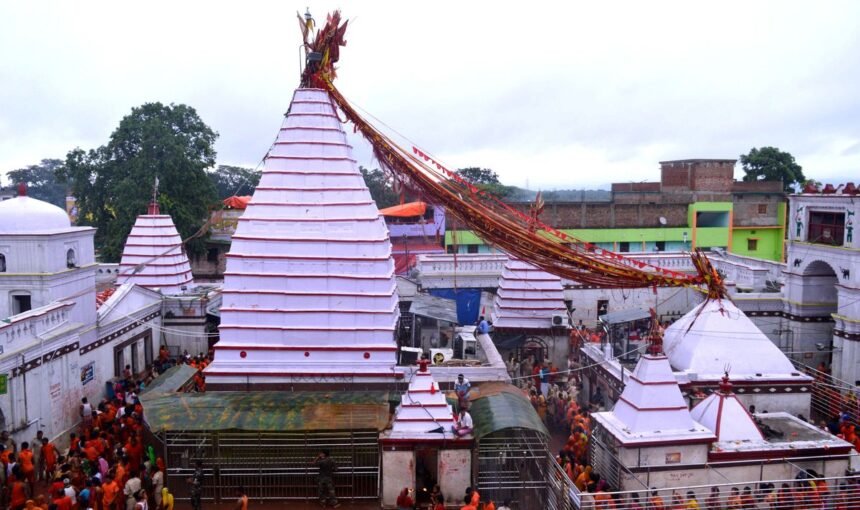
Discover all you need to know about Baba Baidyanath Temple in Deoghar with our comprehensive guide. Designed for pilgrims and tourists alike, this article offers essential information on temple timings, significance, navigation tips, and official resources to help you plan a meaningful and hassle-free visit. Embark on your spiritual journey with confidence, guided by expert insights into one of India’s most revered pilgrimage sites.
Overview of Baba Baidyanath Temple
Introduction to Baba Baidyanath Temple: Significance and Historical Background
Baba Baidyanath Temple, also known as Baidyanath Dham, is one of the most revered temples dedicated to Lord Shiva in India. Located in Deoghar, Jharkhand, this sacred site is renowned for housing the famous Baidyanath Jyotirlinga, one of the twelve Jyotirlingas of Lord Shiva.
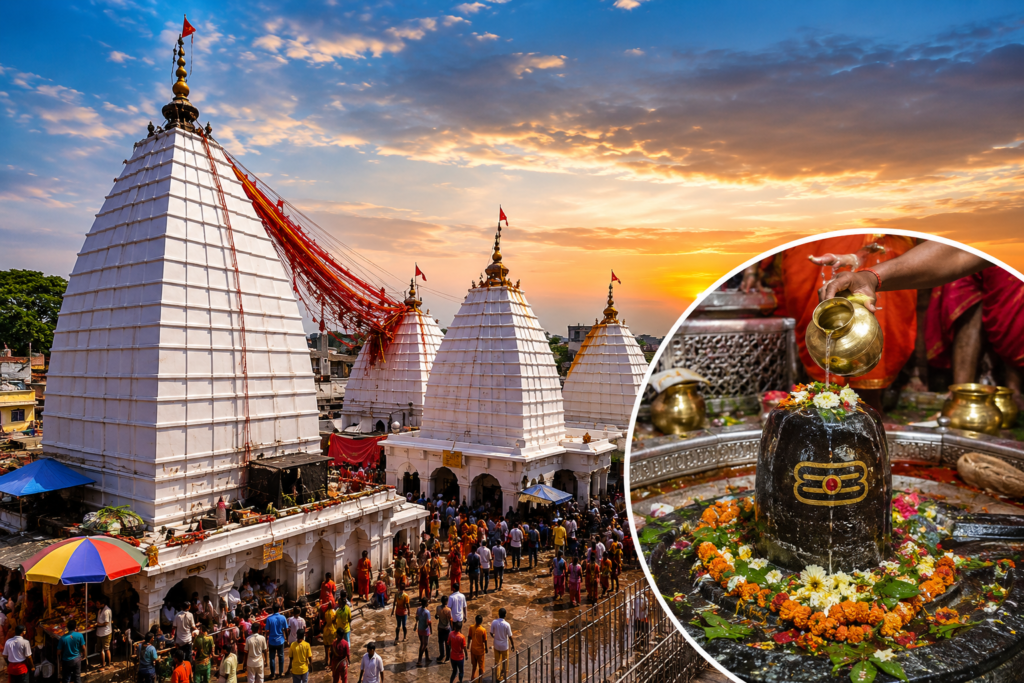
What makes Baidyanath Dham truly rare and sacred in Hindu philosophy is its dual spiritual status: it is simultaneously one of the 12 sacred Jyotirlingas and one of the 51 Shakti Peeths (Hridaya Peeth, where Mother Sati’s heart is believed to have fallen). This rare harmony of Shiva and Shakti in one central complex makes it a supreme pilgrimage destination.
The temple’s origins trace back over a thousand years, with historical references dating to ancient scriptures and inscriptions. Its spiritual significance is rooted in its association with healing and divine power, attracting millions of pilgrims annually from across the country and abroad.
Religious Importance: Why It Is a Major Pilgrimage Destination in India
The Baidyanath temple in Deoghar is a major pilgrimage destination, especially during the Shravan month (July–August), when millions of devotees undertake the sacred Kanwar Yatra. Pilgrims fetch holy water from the River Ganga at Sultanganj (105 km away) and walk barefoot to perform Abhishekam on the sacred Linga.
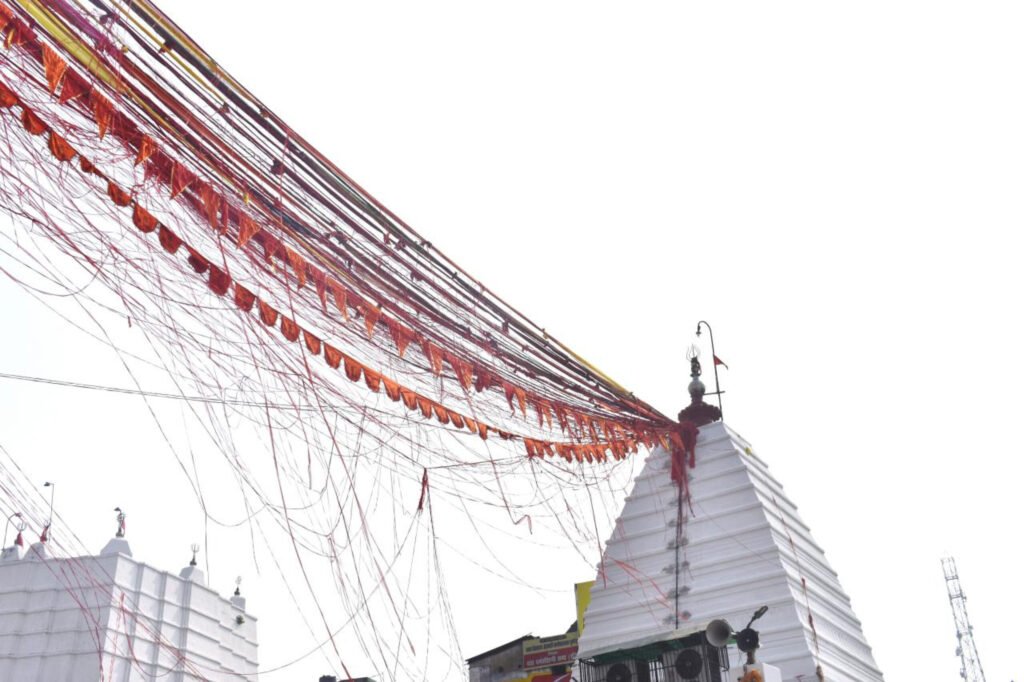
As one of the twelve Jyotirlinga temples, it holds immense religious importance for followers of Lord Shiva. Pilgrims visit to seek blessings, spiritual purification, and healing. A signature devotional ritual here is the tying of red sacred threads—known as Gathbandhan—between the red ribbons connecting the domes of the Baba Baidyanath Temple and the adjoining Mata Parvati Temple, symbolizing eternal matrimonial harmony and devotion. The temple complex embodies faith and cultural heritage, making it a vital site for spiritual seekers and tourists alike.

Baidyanath Jyotirlinga Temple History Baidyanath Jyotirlinga Temple, located in Deoghar, Jharkhand, is one of the twelve sacred Jyotirlingas of Lord…
Architectural Highlights: Key Features and Iconic Structures
The architecture of Baba Baidyanath Temple is a splendid example of traditional North Indian temple design, featuring a towering spire (Shikhara) that rises over 72 feet high. The temple complex houses 21 additional grand shrines dedicated to various deities, including Maa Parvati, Lord Ganesha, and Maa Kali.
The main shrine includes intricate carvings, detailed sculptures, and a sanctum housing the sacred Baidyanath Jyotirlinga, also lovingly called the Kamna Linga (the desire-fulfilling deity). Surrounding courtyards, sacred water bodies, and bustling market pathways reflect a blend of historical craftsmanship and spiritual symbolism, making it an iconic structure in Deoghar.
The Mythology and Legends Surrounding Baba Baidyanath
According to legend, the original Baidyanath Jyotirlinga was established by Ravana, the demon king of Lanka, who was a devout worshipper of Lord Shiva. Ravana performed severe penance to bring Lord Shiva to Lanka. Pleased with his devotion, Shiva granted him a Jyotirlinga on the strict condition that if placed on the ground anywhere en route, it would become permanently fixed there.
Fearful of Ravana’s growing power, the cosmic deities orchestrated a divine intervention through Lord Varuna and Lord Vishnu (disguised as a shepherd named Baiju). Ravana handed the Linga to Baiju to perform his rituals, but the deity placed it on the soil of Deoghar. When Ravana returned, he could not lift it. In frustration, he pressed the Linga down with his thumb, leaving an impression still visible on the sanctum deity today.
The name ‘Baidyanath’ translates to ‘Lord of Physicians’ (Vaidya), reflecting Lord Shiva’s role in curing Ravana’s injuries and granting physical and spiritual health to all devotees seeking cures and blessings.
Visiting Details and Practical Information
Temple Timings and Best Visiting Hours
The Baba Baidyanath temple in Deoghar typically opens early in the morning around 4:00 AM for morning prayers and Kacha Jal offering, and closes around 9:00 PM after the evening Sringaar Aarti.
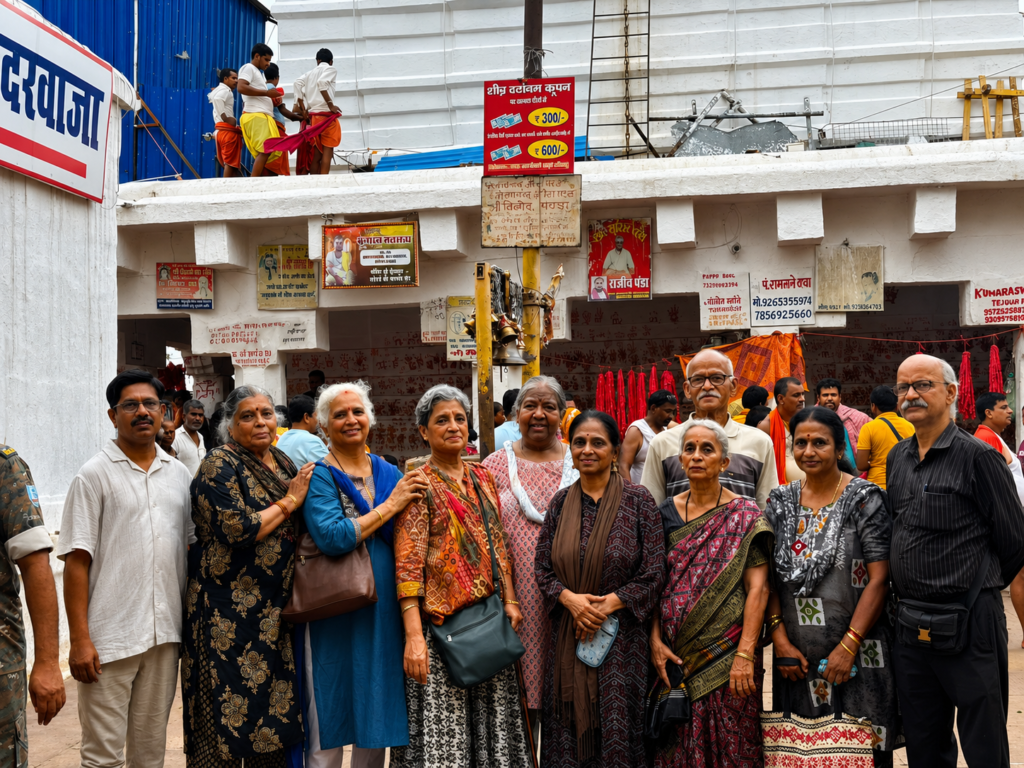
- Morning VIP / General Darshan: 4:00 AM to 3:30 PM
- Evening Temple Hours: 6:00 PM to 9:00 PM
- Best Time to Visit: Early morning hours or late evening to avoid peak crowd surges. Special entry timings are observed during festivals, so checking live updates beforehand is recommended.
How to Reach Baba Baidyanath Temple: Transportation Options
Reaching Baba Baidyanath Temple in Deoghar is highly convenient:

By Air: Deoghar Airport (DGH) is located just 8 to 10 km from the temple complex, offering direct and connecting flights from major cities like Delhi, Kolkata, and Bengaluru. Alternatively, Birsa Munda Airport in Ranchi is about 250 km away.
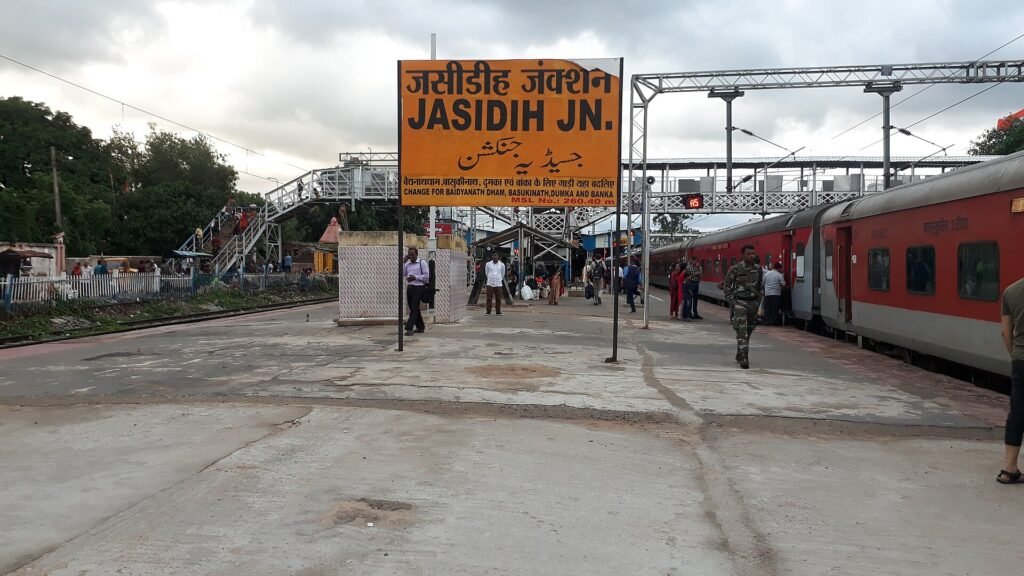
By Rail: The nearest major railway hub is Jasidih Junction (JSME), located just 8 km from Deoghar, which connects directly to Kolkata, Delhi, Patna, and Varanasi. Deoghar Junction (DGHR) also handles local passenger trains.
- By Road: Regular inter-state bus services and private taxis operate smoothly from nearby major cities like Ranchi, Patna, Gaya, and Kolkata.
Navigation Tips: Navigating the Temple Complex and Nearby Facilities
The temple complex is spacious with marked pathways guiding pilgrims through various shrines, bathing ghats, and surrounding markets.
- Use official signage and consult temple volunteers or district helpdesks for queue arrangements.
- Facilities such as shoe stalls, luggage lockers, drinking water, and official Prasad counters are available nearby.
- For a smoother experience, consider using official temple tokens/passes during high-rush months like Shravan.
Important Do’s and Don’ts for Pilgrims and Tourists
- Do dress modestly and respectfully in traditional Indian attire.
- Do deposit leather items (belts, wallets, bags) and footwear at designated counters outside.
- Do carry fresh flowers, Ganga jal, and milk offerings for rituals.
- Don’t bring electronic gadgets, cameras, or mobile phones inside the inner sanctum.
- Don’t carry non-vegetarian food or alcohol anywhere near the temple precinct.
- Do maintain calm, patience, and decorum within crowded queue complexes.
Accommodation and Amenities Near the Temple
Deoghar offers a wide range of accommodation options, from budget guest houses (Dharamshalas) to modern luxury hotels. Amenities such as traditional vegetarian eateries, medical aid counters, passenger auto-stands, and souvenir markets line the roads surrounding the temple.
Planning Your Pilgrimage
Official Resources and Contact Information for Visitors
For official updates on festival schedules, VIP pass bookings, and temple administration notices, visit the official Deoghar District Administration portal or contact the temple trust office locally upon arrival.
Best Seasons and Festivals to Experience at Baba Baidyanath Temple
- Shravan Month (July–August): The legendary Shravani Mela attracts millions of saffron-clad Kanwariyas. The energy and devotion during this month are unmatched.
- Maha Shivratri (February–March): Features grand processions, night-long vigil, and elaborate Sringaar rituals representing the divine marriage of Shiva and Parvati.
- Winter Season (October to March): Offers pleasant, comfortable weather for general pilgrimage and local sightseeing.
Safety Guidelines and Health Precautions During Your Visit
- Carry basic hydration, electrolytes, and personal medications.
- Wear comfortable footwear for walking through queue complexes.
- Secure personal belongings and avoid carrying heavy valuables during peak festival rushes.
Cultural Etiquette and Rituals to Follow
Participate respectfully in rituals, avoid taking unauthorized photographs in restricted sanctum spaces, and follow the guidance of temple priests (Pandas) and security staff. Offer prayers with devotion and follow traditional decorum during sacred offerings.
Local Attractions and Sightseeing Opportunities in Deoghar
Beyond the Baba Baidyanath Temple, explore these prominent local attractions:
- Basukinath Temple: Located ~42 km from Deoghar; pilgrimage to Baidyanath Dham is considered complete only after offering prayers at Basukinath.
- Trikuta Parvat (Trikut Hill): A scenic hill range associated with Ravan’s flight path, featuring trekking trails and panoramic viewpoints.
- Naulakha Mandir: A stunning 146-foot tall temple dedicated to Radha-Krishna, built with architectural similarity to the Belur Math.
- Tapovan & Satsang Ashram: Serene hill caves where sages meditated, alongside major spiritual learning centers.
🛕 Plan Your Hassle-Free Deoghar Pilgrimage with Seven Sands Tourism
Experiencing the divine blessings of Baba Baidyanath Dham and the sacred energy of Deoghar should be a journey of peace, devotion, and comfort. Whether you need seamless airport transfers from Deoghar Airport, premium hotel bookings near the temple, or customized multi-temple tour packages including Basukinath, Kashi, and Ayodhya—we have you covered.
📞 Ready for a seamless spiritual journey? Contact Seven Sands Tourism today to craft your personalized pilgrimage package!
Additional FAQs and Expert Insights
Q1: Is photography allowed inside the Baba Baidyanath Temple?
Answer: Photography and mobile phones are strictly prohibited inside the inner sanctum (Garbhagriha) to preserve sanctity and security. You may take photos in designated outer courtyard areas where permitted.
Q2: How far is Deoghar Airport from the main Baidyanath Temple?
Answer: Deoghar Airport (DGH) is located approximately 8 to 10 kilometers (a 20-minute drive) from the Baba Baidyanath Temple, making air travel the fastest route for pilgrims.
Q3: What is the significance of the red thread tying (Gathbandhan) at Deoghar?
Answer: Gathbandhan involves tying sacred red ropes between the tops of the Shiva and Parvati temples. It symbolizes marital unity, spiritual harmony between Shiva and Shakti, and is performed by devotees seeking blessings for family well-being and long life.
Q4: Can visitors perform special Poojas or Abhishekam at the temple?
Answer: Yes, visitors can perform Jalabhishekam and special poojas. You can coordinate with official temple priests or seek entry tokens managed by temple authorities for ritual access.
Q5: Are there facilities for senior citizens and disabled pilgrims?
Answer: Yes, the temple administration provides designated queue lines, ramps, and volunteer assistance for elderly and differently-abled devotees during non-peak rush hours.
May your spiritual journey to Baba Baidyanath Temple in Deoghar bring health, peace, and divine blessings into your life!