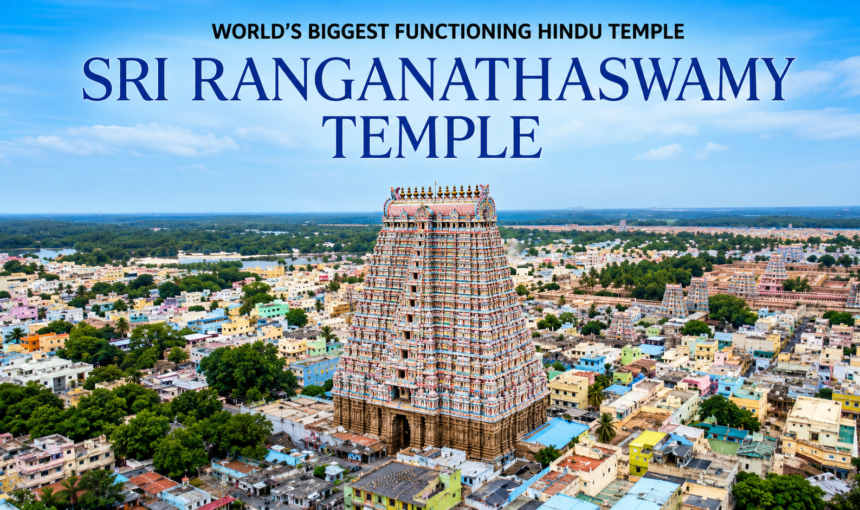
Exploring Sri Ranganathaswamy Temple is a remarkable journey into the spiritual and architectural heritage of India. Located in Srirangam, Tamil Nadu, this magnificent temple is recognized as India’s largest functioning temple and one of the most important pilgrimage destinations dedicated to Lord Vishnu. With its towering gopurams, intricate carvings, vast temple complex, and centuries-old traditions, the temple attracts devotees and travelers from across the world.
Whether you are searching for Sri Ranganathaswamy Temple history, Sri Ranganathaswamy Temple timings, Srirangam Temple architecture, largest Hindu temple in India, Tamil Nadu temple tourism, Lord Ranganatha Temple guide, places to visit in Srirangam, or a complete Sri Ranganathaswamy Temple travel guide, this sacred destination offers an unforgettable spiritual experience. Seven Sands Tourism from Bangalore provides well-planned temple tour packages, comfortable transportation, and expert assistance to help pilgrims and tourists explore this iconic temple with ease and devotion.
Introduction to Sri Ranganathaswamy Temple
The Sri Ranganathaswamy Temple, recognized as India’s largest functioning temple, stands majestically in the town of Srirangam, Tamil Nadu. This ancient temple, dedicated to Lord Ranganatha, a form of Lord Vishnu, is not only significant as a religious site but also as a cultural landmark, drawing millions of devotees and tourists each year.
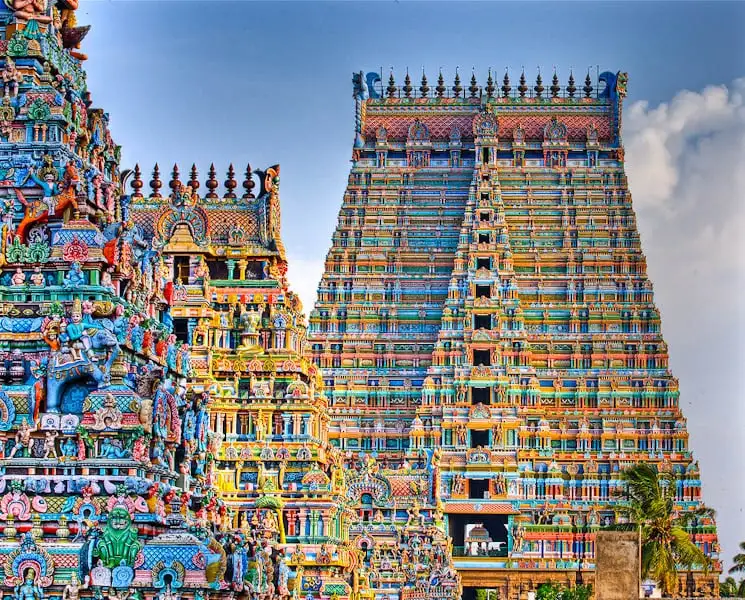
Covering an expansive area, the temple complex is a stunning example of Dravidian architecture, featuring intricate sculptures, soaring gopurams (gateway towers), and an array of vibrant murals that narrate ancient tales. Its vast precincts allow for various religious activities and ceremonies, making it a hub of spiritual vitality in the region. The temple’s architecture is not just an aesthetic marvel but also a testament to the rich history and cultural diversity of India.
Sri Ranganathaswamy Temple is particularly revered among Vaishnavites and is part of the larger tradition of Hindu pilgrimage sites. Devotees believe that visiting this temple blesses them with peace and fulfillment. Throughout the year, numerous festivals are celebrated here, further solidifying its status as a central figure in Hindu worship and tradition. The vibrancy of these occasions attracts attendees from various backgrounds, fostering a sense of community and spirituality.
As one delves deeper into the temple’s history, architecture, and religious importance, it becomes evident why Sri Ranganathaswamy Temple holds the title of ‘Bharat ka sabse bada mandir’. Its majestic presence encapsulates centuries of devotion and artistry, inviting individuals to explore the sacred narratives woven throughout its famed halls.
Historical Background
The Sri Ranganathaswamy Temple holds the esteemed title of being India’s largest functioning temple, with roots deeply embedded in ancient Tamil literature and culture. Its origins can be traced back to the Tamil Nadu region, where references to the temple are found in texts dating back to the 7th century. The temple honors Lord Ranganatha, a reclining form of the God Vishnu, and has served as a significant pilgrimage destination over the centuries.
Throughout its history, the temple has continually evolved, particularly during the reign of various dynasties. The Chola dynasty, known for its patronage of art and architecture, played a critical role in shaping the temple’s structure and surroundings. Significant contributions were made during their rule, as they commissioned various renovations and extensions that enriched the temple’s aesthetics and religious functions.
Throughout its history, the temple has continually evolved, particularly during the reign of various dynasties. The Chola dynasty, known for its patronage of art and architecture, played a critical role in shaping the temple’s structure and surroundings. Significant contributions were made during their rule, as they commissioned various renovations and extensions that enriched the temple’s aesthetics and religious functions.
Similarly, the Pandya dynasty also influenced the growth of the Sri Ranganathaswamy Temple, further embellishing its legacy. The temple flourished under their governance, with architectural innovations reflecting their advancements in temple construction and artistry. The elaborate sculptures and intricate carvings found in the temple complex from this period are indicative of the high level of craftsmanship characteristic of the time.
The most notable expansion occurred during the Vijayanagar Empire, which heralded an era of significant prosperity and cultural growth. The rulers of this empire made substantial contributions to the temple, particularly through the construction of several gopurams (gateway towers) and mandapams (halls). These enhancements not only increased the temple’s grandeur but also solidified its status as a spiritual and cultural hub in the region.
As a result, the Sri Ranganathaswamy Temple has not only withstood the test of time but has also become a monument representing the syncretic traditions and evolving practices of worship in South India. Its historical significance reflects the interplay between faith and artistic expression, marking it as a cornerstone in the cultural heritage narrative of India.
Architectural Marvel
The Sri Ranganathaswamy Temple is renowned not only as India’s largest functioning temple but also as a true testament to the grandeur of Dravidian architecture. This magnificent temple complex is characterized by its towering Gopurams, which are intricately designed entrance towers that serve as the focal points, drawing visitors into the sacred space. Each Gopuram is adorned with elaborate stucco figures and carvings, showcasing the artistic prowess of the craftsmen of that era.
One of the most striking architectural features of the temple is its immense scale. The temple covers an area of 156 acres, making it one of the largest temple complexes in the world. This vast expanse allows for the accommodation of numerous shrines, halls, and courtyards, presenting a unique exploration experience for visitors. The grandeur of the Gopurams, which soar majestically above the surrounding landscape, creates a captivating skyline that is hard to match.
Additionally, the temple is home to a myriad of intricately carved pillars that support its vast halls. Each pillar is a marvel in itself, featuring detailed depictions of mythological figures and floral designs. These columns not only provide structural support but also contribute to the temple’s aesthetic beauty, creating a harmonious blend of functionality and artistry.
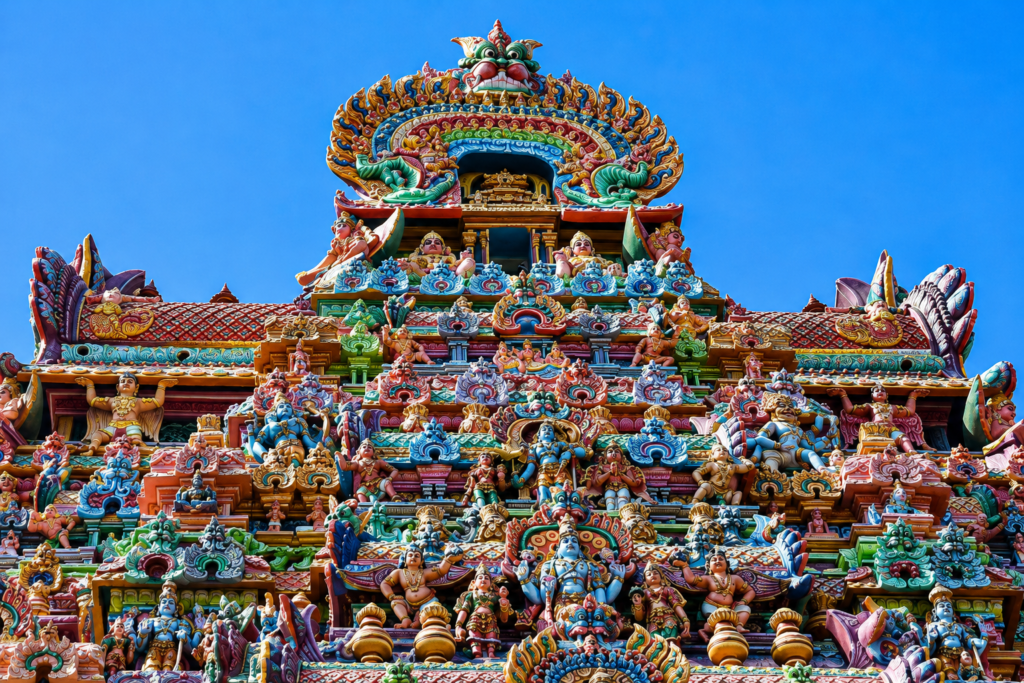
The architectural brilliance of the Sri Ranganathaswamy Temple is further exemplified through its elaborate sculptures and carvings that embellish the walls and ceilings. These intricate designs often tell narratives from Hindu mythology, enhancing the devotional atmosphere. The skill and dedication required to create such detailed craftsmanship highlight the rich heritage and artistic legacy of Dravidian architecture.
Ultimately, the Sri Ranganathaswamy Temple stands as a monumental achievement, celebrating India’s architectural history while serving as a vital place of worship for millions. It is truly a marvel that embodies the spiritual and artistic spirit of the region, making it a must-visit destination for those seeking to appreciate the essence of bharat ka sabse bada mandir.
Size and Structure
The Sri Ranganathaswamy Temple, revered as India’s largest functioning temple, is an architectural marvel located in the town of Srirangam, Tamil Nadu. This temple complex encompasses a sprawling area of approximately 156 acres, making it one of the most extensive temple complexes in the country. Its sheer size contributes significantly to its status, as it accommodates numerous shrines and administrative structures that attract visitors from all over the world.
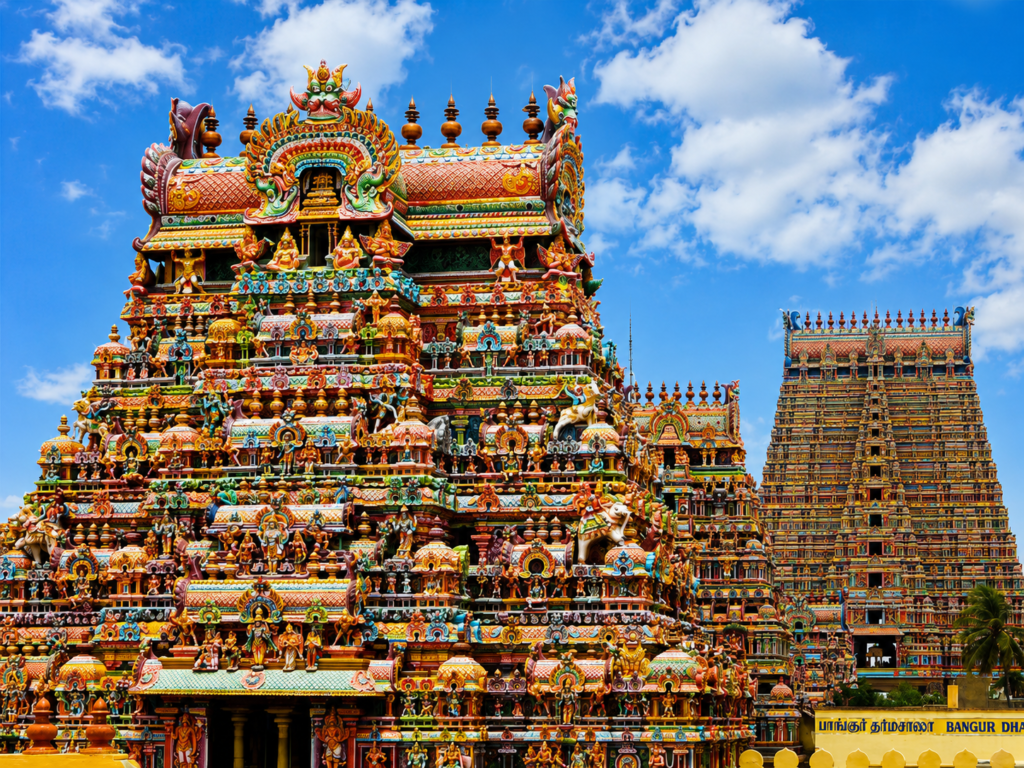
One of the most striking features of the temple is its towering Gopurams, or gateway towers, which soar to impressive heights. The tallest Gopuram stands at around 72 meters (236 feet), offering a magnificent view of the surrounding area. This vertical elevation symbolizes the divine ascent and devotion within the temple and showcases the grandeur of the temple itself.
Within the temple complex, there are more than 50 temples and sanctums dedicated to various deities. The main shrine, which honors Lord Ranganatha, consists of a colossal idol lying in a serpentine posture. Besides the primary deity, pilgrims can find numerous other shrines associated with various forms of worship and tradition, reflecting a rich tapestry of devotion. The intricate carvings and sculptures that adorn the temple structure further enhance its spiritual ambiance.
The significance of Sri Ranganathaswamy Temple is amplified by its architectural grandeur and vastness. Not only does it hold the esteemed title of “bharat ka sabse bada mandir,” but it also represents a significant pilgrimage site for millions of devotees. Through its impressive size and intricate design, the temple stands as a testament to India’s religious heritage and artistic brilliance.
Cultural Significance and Festivals
The Sri Ranganathaswamy Temple, recognized as India’s largest functioning temple, is not merely an architectural marvel; it embodies the essence of cultural and religious devotion for millions of Hindus. Situated in Tamil Nadu, this temple forms a central part of the spiritual landscape and plays a pivotal role in the daily lives of the local population. The temple is dedicated to Lord Ranganatha, a manifestation of Lord Vishnu, and serves as a significant pilgrimage site, drawing devotees from across the globe. Such reverence contributes to its identity as Bharat ka sabse bada mandir, symbolizing the deep-rooted faith and cultural heritage of the region.
One of the most celebrated festivals at the temple is the Vaikunta Ekadasi. This auspicious day signifies spiritual liberation and draws massive crowds as devotees flock to the temple to partake in the rituals and darshan of the deity. The temple is adorned with lights and flowers, creating an enchanting atmosphere. The vibrant festivities include various traditional performances, rituals, and communal feasting, representing the collective spirit of the community around the sacred site.
Throughout the year, various other festivals are celebrated, each contributing to the temple’s festivity-laden calendar, such as the Chitra Pournami and the Panguni Uthiram. These occasions not only reinforce religious devotion but also serve as cultural gatherings, where people of all ages come together to celebrate their shared heritage. The temple’s role transcends spiritual significance; it serves as a cultural hub that nurtures local art forms, cuisine, and traditions. Festivals at Sri Ranganathaswamy Temple epitomize community bonding and the enduring spirit of Tamil culture in the face of modernization.
Pilgrimage Experience
The experience of visiting the Sri Ranganathaswamy Temple, known as India’s largest functioning temple, begins well before one enters its sacred precincts. Pilgrims typically arrive in the early hours of the morning to maximize their time spent in devotion. Upon reaching the temple, visitors follow specific entry procedures, which often include mandatory security checks. This initial step is crucial as it helps maintain the sanctity and safety of this revered site, which holds immense religious significance for millions.
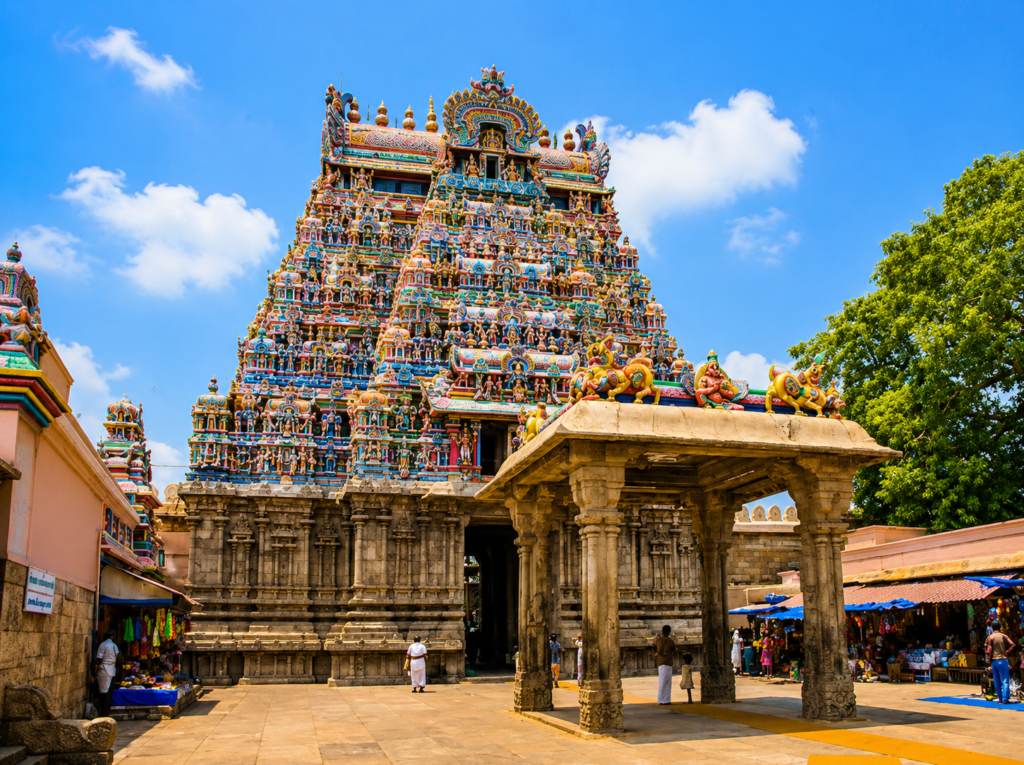
Once inside, devotees are welcomed into an enchanting atmosphere filled with the aroma of incense, the sound of bells, and the vibrant chants of prayers. The grand architecture of the bharat ka sabse bada mandir leaves many awestruck. Pilgrims walk through intricately designed halls adorned with colorful sculptures depicting various deities, reflecting centuries of artistic heritage. The sheer scale of the temple is both humbling and inspiring, drawing visitors into a deep sense of connection with the divine.
Rituals practiced within the temple enhance the pilgrimage experience significantly. The daily puja (worship) routines are meticulously followed, with devotees engaging in offerings of flowers, fruits, and traditional sweets to the deities. The central idol of Lord Ranganatha captivates the hearts of many, as pilgrims partake in special festivals where unique practices are observed, such as Abhishekam – ceremonial bathing of the deity. These rituals foster a profound emotional bond between the devotees and the temple.
The experience is further enriched by the sense of community among those who visit. Many pilgrims share stories of their personal journeys, intertwining them with the rich tapestry of traditions that the Sri Ranganathaswamy Temple embodies. This unique atmosphere makes the pilgrimage not just a religious obligation, but a soul-stirring journey towards enlightenment and fulfillment.
Preservation and Conservation Efforts
The preservation and conservation of Sri Ranganathaswamy Temple, which is renowned as India’s largest functioning temple, are of paramount importance in maintaining its cultural and architectural heritage. A multitude of efforts have been initiated to ensure that the temple remains intact and continues to draw devotees and tourists alike.
Various restoration projects have been undertaken over the years to uphold the original structures of the temple. These projects primarily focus on repairing the intricate carvings, restoring paintings, and ensuring that the stone architecture withstands environmental wear and tear. Engaging local architects and historians, the temple management aims at following traditional techniques in these restoration processes to preserve the temple’s authenticity.
Community involvement plays a crucial role in the conservation efforts of the Bharat ka sabse bada mandir. Numerous local organizations and volunteers participate in regular cleaning drives and awareness campaigns to educate visitors about the significance of the temple and the importance of maintaining its integrity. This collective effort helps foster a sense of ownership and pride among the locals, which is vital in such initiatives. However, the influx of tourists presents challenges that complicate preservation efforts. As the number of visitors to India’s largest functioning temple continues to grow, maintaining cleanliness and protecting fragile structures becomes increasingly difficult.
Moreover, the balance between accommodating a growing number of tourists and preserving the temple’s heritage necessitates thoughtful planning and resource allocation. The temple authorities are continuously exploring innovative solutions, such as visitor management systems and sustainable tourism practices, to address these challenges.
In conclusion, the successful preservation and conservation of Sri Ranganathaswamy Temple demand concerted efforts from both the community and the management. By leveraging these collaborative actions and addressing the challenges posed by tourism, the temple can remain a testament to India’s rich cultural legacy for generations to come.
Sri Ranganathaswamy Temple in Modern Context
The Sri Ranganathaswamy Temple, often referred to as India’s largest functioning temple, embodies a rich tapestry of cultural and religious significance that persists in contemporary society. Situated in Srirangam, Tamil Nadu, this iconic temple serves not only as a spiritual haven for millions but also as a vibrant hub for cultural activities and community engagement. The temple’s relevance is underscored by the continued patronage from devotees and tourists alike, showcasing its adaptability in a rapidly changing world.
In recent years, the temple has seen a significant increase in tourism, which plays a pivotal role in boosting the local economy. Visitors from across the globe flock to witness the grandeur of this sacred site, thereby providing a substantial income stream for nearby businesses, including hotels, restaurants, and local artisans. This influx of tourists enhances the cultural exchange, allowing for the preservation and promotion of local traditions while simultaneously ensuring economic viability for the Srirangam community.
The temple also actively engages with social issues, conducting various community service initiatives that address the needs of the underprivileged. As a result, the Sri Ranganathaswamy Temple stands as more than just a site of worship; it is a symbol of unity, faith, and local empowerment. In conclusion, the temple plays a vital role in modern society, illustrating how India’s largest functioning temple continues to be relevant, thriving, and an integral part of both local and national cultural identity.
Explore India’s Sacred Heritage with Seven Sands Tourism
At Seven Sands Tourism, we specialize in creating memorable spiritual journeys to some of the most revered pilgrimage destinations in India. Whether you wish to visit the Largest Functioning Temple in India, the magnificent Sri Ranganathaswamy Temple in Srirangam, or explore other famous temples in South India, our expertly curated pilgrimage packages ensure a seamless travel experience.
As a renowned Vishnu temple in Tamil Nadu, the Srirangam Temple attracts devotees and heritage enthusiasts from across the world, and our comprehensive Srirangam travel guide helps travelers discover its spiritual and architectural grandeur. From the sacred Lord Ranganatha Temple to other remarkable heritage temples of India, Seven Sands Tourism offers customized tours that combine devotion, culture, comfort, and authentic local experiences, making temple tourism in India truly enriching and unforgettable.
Sri Ranganathaswamy Temple: 10 Amazing Facts About India’s Largest Functioning Temple
Sri Ranganathaswamy Temple in Srirangam, Tamil Nadu, is one of the most sacred and architecturally impressive Hindu temples in India. Dedicated to Lord Ranganatha, a reclining form of Lord Vishnu, this magnificent temple attracts millions of devotees and tourists every year. Known for its vast temple complex, towering gopurams, and rich spiritual heritage, it stands as India’s largest functioning temple. If you are planning a pilgrimage or cultural tour, Seven Sands Tourism from Bangalore offers comfortable and well-organized temple tour packages to Srirangam.
1. India’s Largest Functioning Temple Complex
Sri Ranganathaswamy Temple is recognized as the largest functioning Hindu temple in India. Spread across approximately 156 acres, the temple complex contains multiple shrines, halls, courtyards, and sacred water tanks, making it one of the world’s largest active religious sites.
2. Located on a Sacred River Island
The temple is situated in Srirangam, an island formed between the Kaveri River and the Kollidam River. This unique location enhances its spiritual significance and makes it a major pilgrimage destination for devotees of Lord Vishnu.
3. Dedicated to Lord Ranganatha
The presiding deity is Lord Ranganatha, depicted in a reclining posture on Adishesha, the divine serpent. The temple is considered one of the most important Vaishnavite shrines in India and holds immense religious importance.
4. One of the 108 Divya Desams
Sri Ranganathaswamy Temple is among the sacred 108 Divya Desams revered by the Alvars, the Tamil saint-poets. Pilgrims from across the country visit this holy site to seek blessings and spiritual fulfillment.
5. Home to the World’s Tallest Temple Gopuram
The Rajagopuram of Sri Ranganathaswamy Temple rises to a height of approximately 236 feet, making it one of the tallest temple towers in Asia. Its stunning architecture is a masterpiece of Dravidian temple design.
6. Rich History Spanning More Than 1,000 Years
The temple has a history that dates back over a millennium. Various South Indian dynasties, including the Cholas, Pandyas, Hoysalas, and Vijayanagara rulers, contributed to its expansion and grandeur.
7. Seven Concentric Prakaras
A unique feature of the temple is its seven concentric enclosures or prakaras. These walls symbolize spiritual progression and surround the sanctum, creating a sacred city-like structure within the temple complex.
8. Famous Vaikunta Ekadasi Festival
The annual Vaikunta Ekadasi celebration attracts lakhs of devotees from around the world. During this grand festival, devotees pass through the sacred Paramapada Vasal, believed to symbolize the gateway to heaven.
9. Extraordinary Dravidian Architecture
The temple showcases intricate carvings, majestic mandapams, beautiful sculptures, and colorful gopurams. Every corner of the temple reflects the artistic excellence of ancient South Indian craftsmanship.
10. A Must-Visit Spiritual Destination
Sri Ranganathaswamy Temple offers a perfect blend of spirituality, history, culture, and architecture. Whether you are a devotee, history enthusiast, or traveler, this sacred destination provides an unforgettable experience. Seven Sands Tourism from Bangalore helps pilgrims and tourists explore this iconic temple comfortably with customized South India temple tour packages.
Conclusion and Visitor Information
In conclusion, the Sri Ranganathaswamy Temple, recognized as India’s largest functioning temple, serves as not only a spiritual haven but also a vital historical and cultural landmark. This magnificent structure is dedicated to Lord Ranganatha, an incarnation of Lord Vishnu, and its intricate architecture, extensive carvings, and vibrant festivals attract devotees and tourists alike, highlighting its significance over centuries. The temple complex is not only a place of worship but also a reflection of the rich heritage and traditions of Indian culture, making it an essential stop for anyone seeking to understand the depths of India’s religious practices.
For visitors planning to explore this impressive site, the best time to visit the Sri Ranganathaswamy Temple is during the cooler months, from October to March, when the weather is milder and more conducive to sightseeing. Visitors should take note of important festival dates, such as the annual festivals of Vaikunta Ekadashi, during which the temple sees an influx of devotees and vibrant celebrations.
Accommodations near the temple cater to various budgets, including guesthouses, budget hotels, and luxury resorts, ensuring comfort for all visitors. It is advisable to book accommodation in advance, especially during peak seasons or major festivals.
To fully appreciate the grandeur of the Sri Ranganathaswamy Temple, visitors should take their time to explore its vast corridors, intricate sculptures, and peaceful surroundings. Hiring a local guide can enhance the experience by providing insights into the temple’s history and significance. Additionally, tourists are encouraged to remain respectful of the temple’s customs, dress modestly, and participate in rituals if they desire. Experiencing this majestic temple is not just a visit; it is a journey into the spiritual heart of India, where faith and history beautifully intertwine.
Table of Contents
Frequently Asked Questions (FAQs)
Which is the largest functioning temple in India?
The Sri Ranganathaswamy Temple in Srirangam is widely recognized as the largest functioning temple in India. Spread across approximately 156 acres, this massive temple complex remains an active place of worship and is one of the most important pilgrimage centers dedicated to Lord Vishnu. Seven Sands Tourism offers customized pilgrimage tours to help travelers experience this architectural and spiritual marvel.
Why is Sri Ranganathaswamy Temple famous?
The Sri Ranganathaswamy Temple is famous for its vast size, stunning Dravidian architecture, towering gopurams, and deep religious significance in Vaishnavism. It is also one of the 108 Divya Desams and attracts millions of devotees and tourists every year. Through Seven Sands Tourism, visitors can explore the temple’s history, architecture, and spiritual traditions with well-planned travel arrangements.
Where is the Sri Ranganathaswamy Temple located?
The temple is located in Srirangam, an island town near Tiruchirappalli in Tamil Nadu. It is well connected by road, rail, and air, making it easily accessible for pilgrims and tourists from across India. Seven Sands Tourism can assist with complete travel planning, accommodation, and local sightseeing.
What is the best time to visit Srirangam Temple?
The ideal time to visit Srirangam Temple is between October and March when the weather is pleasant for temple visits and sightseeing. Major festivals such as Vaikunta Ekadasi and Panguni Uthiram also draw large numbers of devotees during this period. Seven Sands Tourism recommends booking pilgrimage packages in advance during festival seasons.
Which deity is worshipped at Sri Ranganathaswamy Temple?
The temple is dedicated to Lord Vishnu in his reclining form known as Lord Ranganatha. Devotees visit from all over the world seeking blessings for prosperity, peace, and spiritual growth. As one of the most sacred Vishnu temples in India, it holds immense importance among Vaishnavite followers.
How many gopurams are there in the Srirangam Temple complex?
The Srirangam Temple complex features 21 gopurams (ornamental temple towers), including the impressive Rajagopuram, which is among the tallest temple towers in Asia. These architectural masterpieces showcase the artistic excellence of South Indian temple construction and are a major attraction for visitors exploring heritage temples of India.
What are the main attractions inside the Sri Ranganathaswamy Temple?
Visitors can explore the Rajagopuram, sanctum of Lord Ranganatha, Thousand Pillar Hall, sacred shrines, temple tanks, and intricately carved mandapams. The temple’s vast layout and rich cultural heritage make it one of the most rewarding spiritual destinations in South India. Seven Sands Tourism includes these highlights in its guided pilgrimage itineraries.
Can tourists visit Sri Ranganathaswamy Temple even if they are not devotees?
Yes, tourists, history enthusiasts, architecture lovers, and cultural travelers can visit the temple to admire its heritage and architectural grandeur. While visitors should follow temple rules and dress codes, the complex offers a unique opportunity to experience one of the world’s largest active religious sites. Seven Sands Tourism welcomes both pilgrims and cultural travelers seeking an enriching visit to Srirangam.