India is a country that carries its history on its chest — proudly, beautifully, and timelessly. Every stone, every arch, and every carved wall tells a story that goes back hundreds and sometimes thousands of years. If you have ever wondered what it feels like to stand in front of a structure that witnessed empires rise and fall, Famous Historical Monuments of India with Pictures will give you that feeling like nothing else can.
At Seven Sands Tourism, we have helped thousands of families, senior citizens, and travel enthusiasts from Bangalore explore the rich heritage of India. From the misty mornings at the Taj Mahal to the golden sunsets at Hampi, we know how deeply these monuments move people. This guide is our way of bringing that experience closer to you — with pictures, stories, travel tips, and everything you need to plan your perfect heritage tour.
1. Why India’s Monuments Are Worth Visiting
India is home to some of the world’s most breathtaking monuments of India that reflect centuries of art, culture, religion, and power. These are not just old buildings — they are living chapters of history that continue to inspire millions of visitors every year.
Famous landmarks in India like the Taj Mahal, Red Fort, and Qutub Minar attract travelers from every corner of the world. But beyond the well-known names, India has hundreds of lesser-known historical places in India that are equally stunning and often far less crowded.
Whether you are a history enthusiast, a spiritual seeker, a curious student, or a family looking for a meaningful vacation, India’s monuments offer an experience that stays with you long after you return home. And with Seven Sands Tourism by your side, every detail of your heritage journey is handled with care and expertise.
2. What Are Historical Monuments?
Before we dive into the list, let us understand what historical monuments actually are and why they matter so deeply.
Historical monuments are structures, buildings, or sites that hold significant cultural, architectural, religious, or historical value. They are preserved and protected because they represent a civilization’s identity and achievements. What are historical monuments in simple words? They are the physical memory of a nation.
India has many different types of monuments — forts that once protected kingdoms, palaces that housed royalty, temples that served as centers of faith, mausoleums built out of love and grief, and ancient ruins that remind us how advanced our ancestors truly were.
Monuments and buildings from India’s past are not just tourist spots. They are classrooms without walls, museums without glass cases, and stories without pages. When you visit them, you do not just see history — you feel it.
3. How Many Monuments Are There in India?
This is one of the most common questions travelers ask — and the answer is truly impressive.
How many monuments are in India? According to the Archaeological Survey of India, there are over 3,693 centrally protected monuments and archaeological sites spread across the country. Out of these, 42 are recognized as UNESCO World Heritage Sites — one of the highest counts in the world.
Heritage monuments of India range from grand Mughal structures in the north to ancient Dravidian temples in the south, from Buddhist stupas in the east to Rajput forts in the west. Important monuments of India are spread across nearly every state, making India one of the richest heritage destinations on the planet.
This also means that no matter where you are traveling in India, there is always a piece of history waiting to be discovered nearby.
4. Top 5 Famous Monuments of India with Pictures and Names
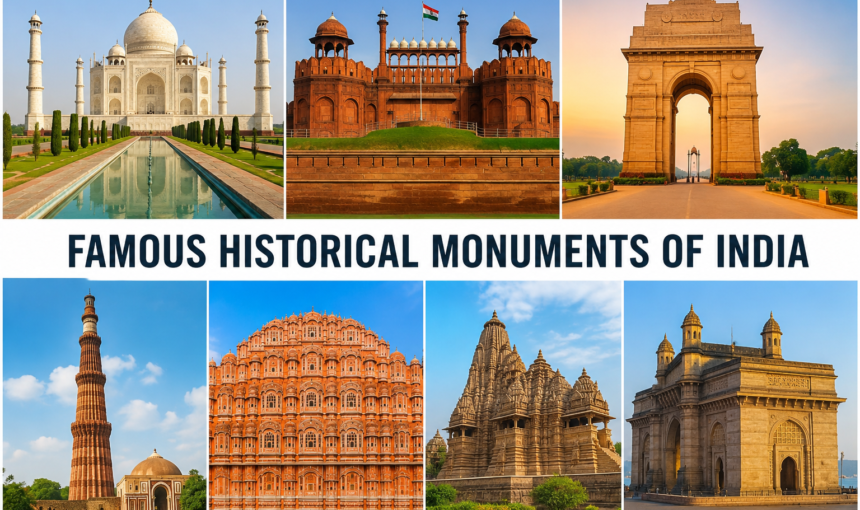
When people search for 5 monuments of India with pictures, they are usually looking for the absolute icons — the ones that define India’s identity on the world stage. Here are the five most famous monuments of India with names that every traveler must visit at least once.
4.1 Taj Mahal — Agra, Uttar Pradesh
There is no monument in India more recognized, more photographed, or more emotionally powerful than the Taj Mahal. Built by Mughal Emperor Shah Jahan in memory of his beloved wife Mumtaz Mahal, this white marble masterpiece took over 20,000 workers and 22 years to complete.
Standing before the Taj Mahal at sunrise, when the sky turns golden and the marble glows pink, is an experience that words simply cannot do justice. It is one of the Seven Wonders of the World and India’s most iconic UNESCO World Heritage Site.
Indian monuments pictures with names are incomplete without the Taj Mahal leading the list. Seven Sands Tourism offers comfortable Agra tour packages from Bangalore that include hotel stays, guided visits, and everything in between — so you can focus entirely on soaking in the magic.
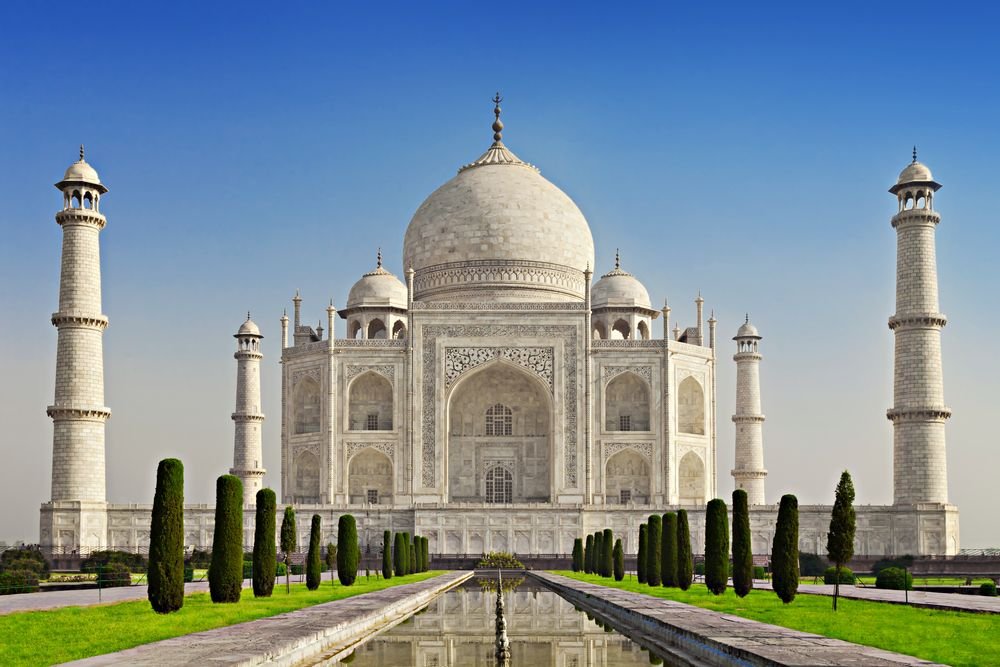
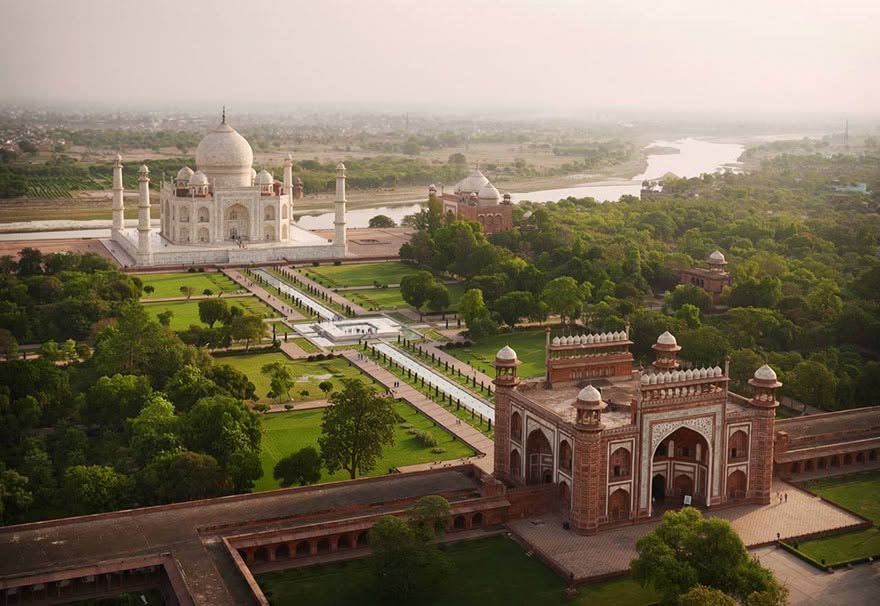
Best Time to Visit: October to March Entry Fee: INR 50 for Indians, USD 15 for foreigners Seven Sands Tip: Visit at sunrise for the most breathtaking view and fewer crowds
4.2 Red Fort — Delhi
Standing tall on the banks of the Yamuna River in Delhi, the Red Fort is one of the most powerful symbols of India’s Mughal history and its journey to independence. Built by Emperor Shah Jahan in 1638, this magnificent red sandstone fort served as the main residence of Mughal emperors for nearly 200 years.
Every year on Independence Day, the Prime Minister of India hoists the national flag from the ramparts of the Red Fort — making it not just a historical monument but a living symbol of national pride.
Monuments of India with names and pictures always feature the Red Fort prominently. Its massive walls, beautiful gardens, and stunning palaces inside make it a full-day experience for families and history lovers alike.
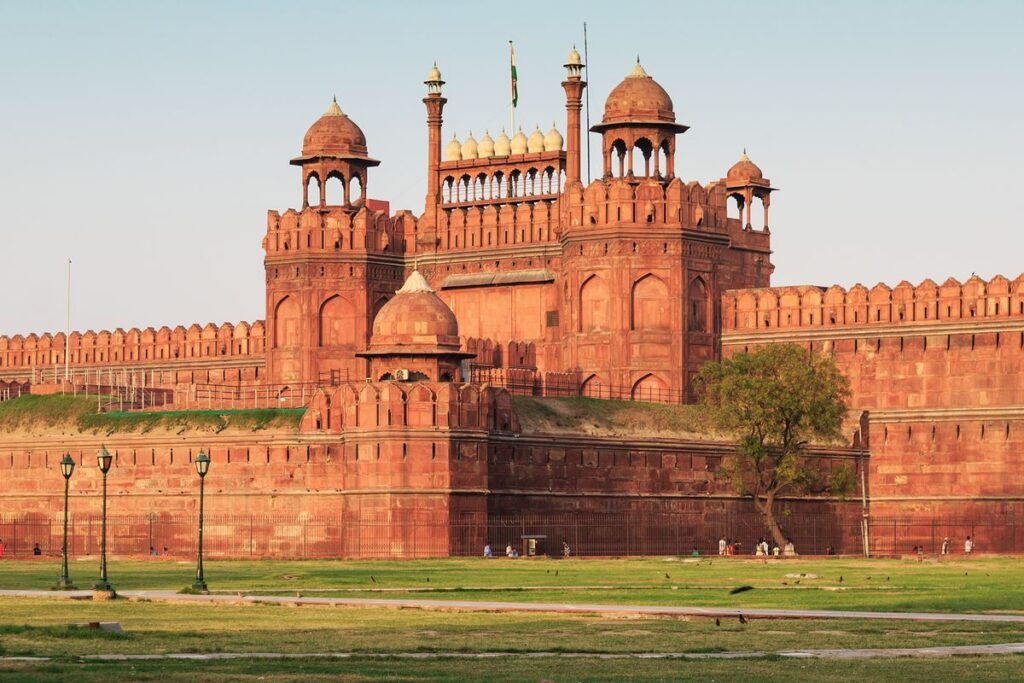
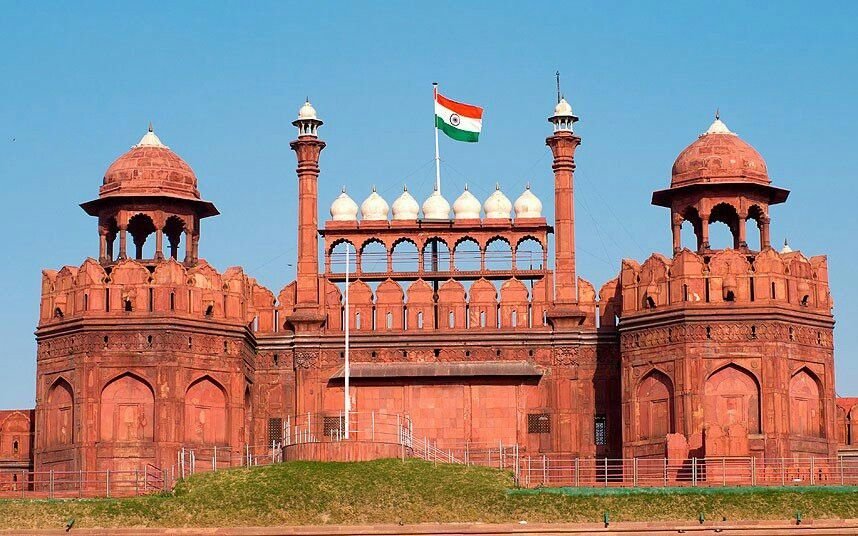
Best Time to Visit: October to February Seven Sands Tip: Catch the evening light and sound show for a dramatic retelling of India’s history
4.3 Qutub Minar — Delhi
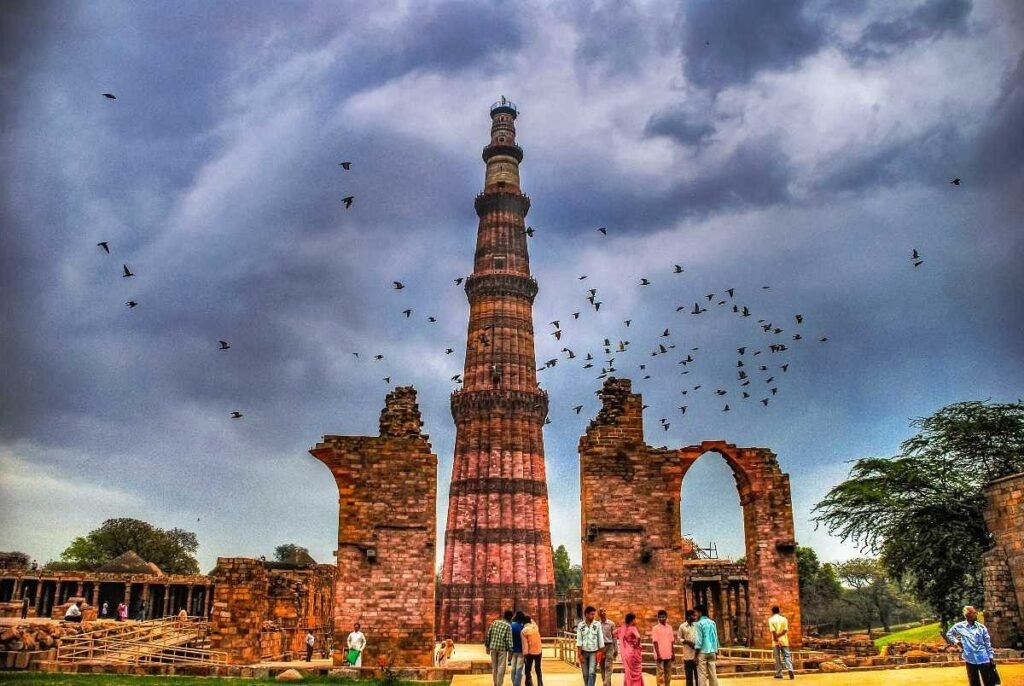
Rising 73 meters into the Delhi sky, the Qutub Minar is the tallest brick minaret in the world and one of India’s earliest examples of Indo-Islamic architecture. Built in the 12th century by Qutb ud-Din Aibak, the founder of the Delhi Sultanate, this UNESCO World Heritage Site continues to awe visitors with its intricate carvings and sheer scale.
The Qutub complex surrounding the minaret includes ancient mosques, iron pillars, and ruins that date back over a thousand years. It is a fascinating place for curious minds of all ages.
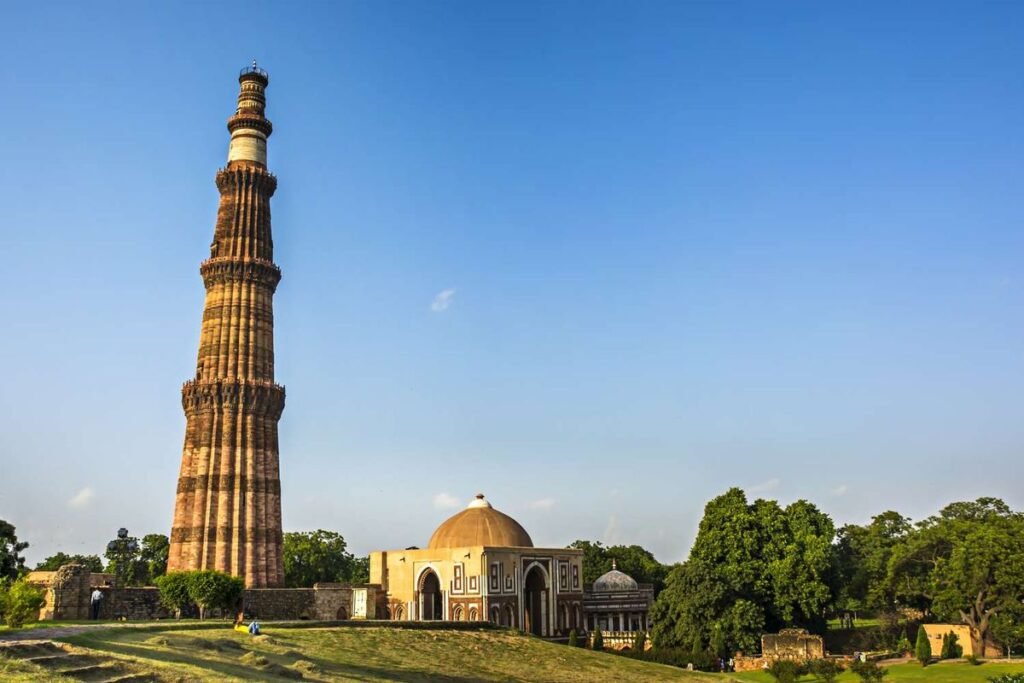
Best Time to Visit: November to February Seven Sands Tip: Combine your Qutub Minar visit with the Red Fort and India Gate for a complete Delhi heritage day tour
4.4 Hawa Mahal — Jaipur, Rajasthan
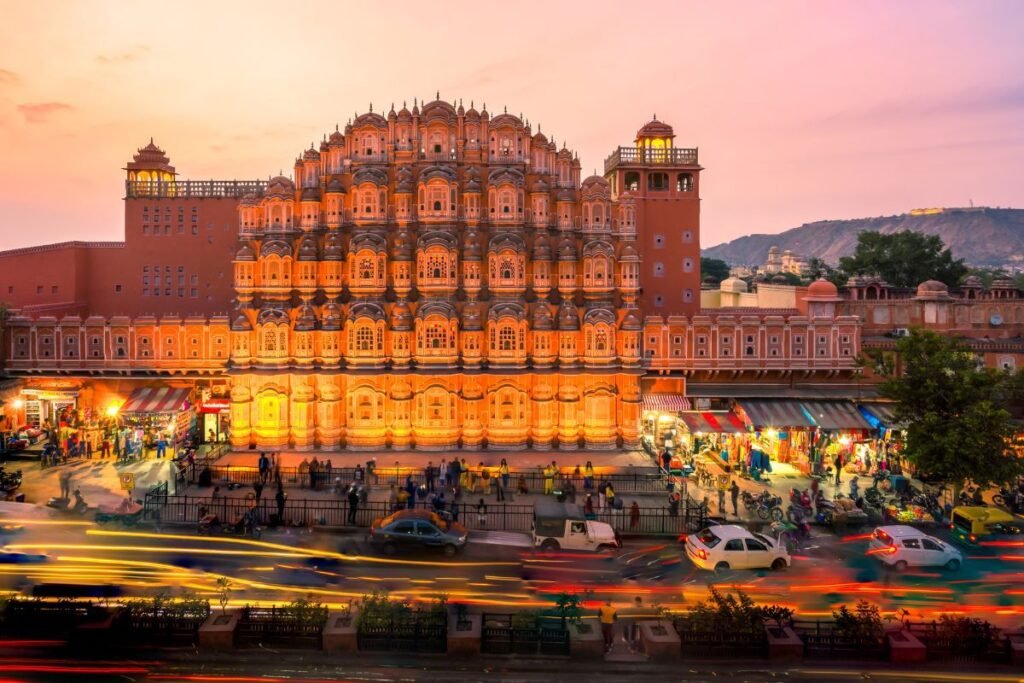
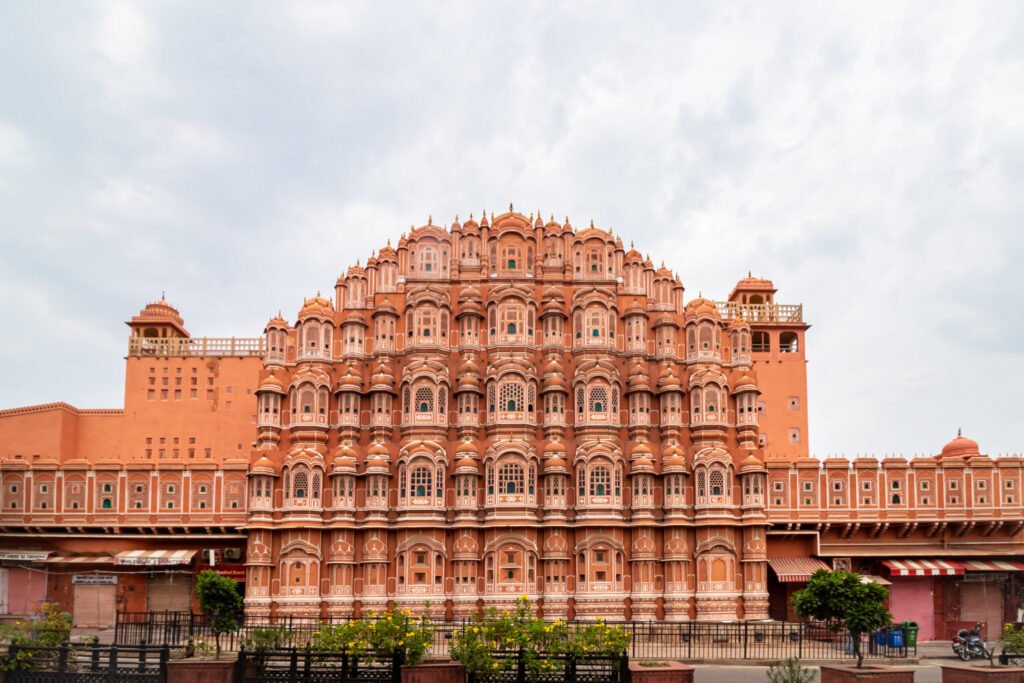
Known as the Palace of Winds, the Hawa Mahal is one of the most unique and instantly recognizable monuments in India. Built in 1799 by Maharaja Sawai Pratap Singh, this stunning pink sandstone structure features 953 small windows designed to allow royal ladies to observe street festivals while remaining unseen.
The facade of Hawa Mahal is shaped like the crown of Lord Krishna and is one of the most photographed structures in Rajasthan. It perfectly represents the grandeur and artistry of Rajput architecture.
Seven Sands Tourism offers Rajasthan family tour packages from Bangalore that cover Jaipur, Jodhpur, and Udaipur — giving your family a complete royal experience of India’s most colorful state.
Best Time to Visit: October to February Seven Sands Tip: Visit early morning when the rising sun lights up the pink facade beautifully
4.5 Gateway of India — Mumbai, Maharashtra
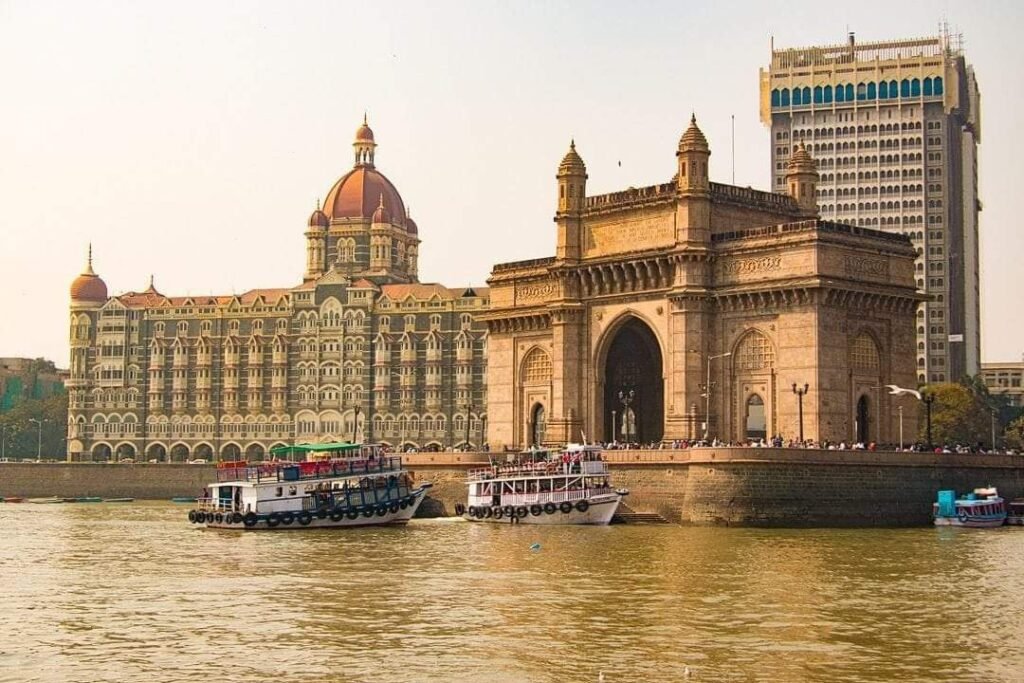
Built in 1924 to commemorate the visit of King George V and Queen Mary to India, the Gateway of India stands proudly at the waterfront of Mumbai overlooking the Arabian Sea. This iconic arch monument is the first thing most visitors see when they arrive in Mumbai by sea.
The Gateway of India is surrounded by the energy of one of India’s most vibrant cities. Nearby attractions include the Taj Mahal Palace Hotel, Elephanta Caves, and the bustling streets of Colaba.
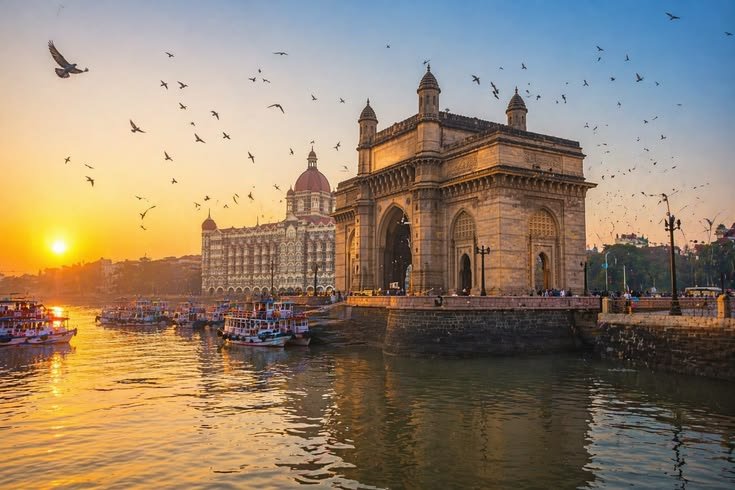
Best Time to Visit: November to February Seven Sands Tip: Take an early morning ferry to Elephanta Caves from the Gateway for a complete heritage experience
5. Five Historical Monuments of India You Must Visit Once
Beyond the famous five, India has countless hidden and lesser-known five historical monuments of India that deserve equal attention. These are places where history feels raw, real, and deeply personal.
5.1 Konark Sun Temple — Odisha
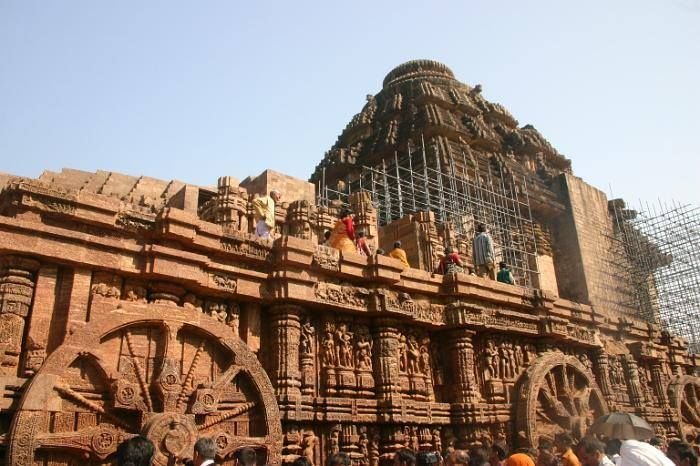
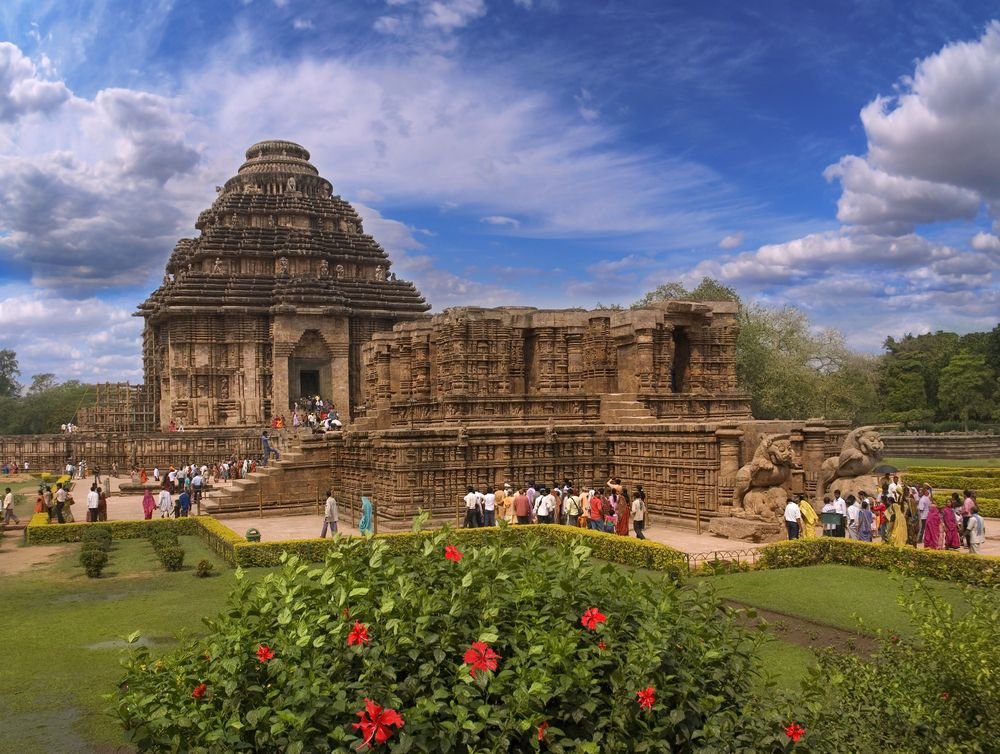
Built in the 13th century by King Narasimhadeva I, the Konark Sun Temple is a UNESCO World Heritage Site designed in the shape of a massive chariot with 24 intricately carved wheels. Every wheel acts as a sundial that can tell accurate time — a testament to the genius of ancient Indian engineering.
The temple is dedicated to the Sun God Surya and is one of the most breathtaking examples of Kalinga architecture in India. Five historical places like Konark are a must for travelers who want to go beyond the usual tourist trail.
5.2 Hampi Ruins — Karnataka
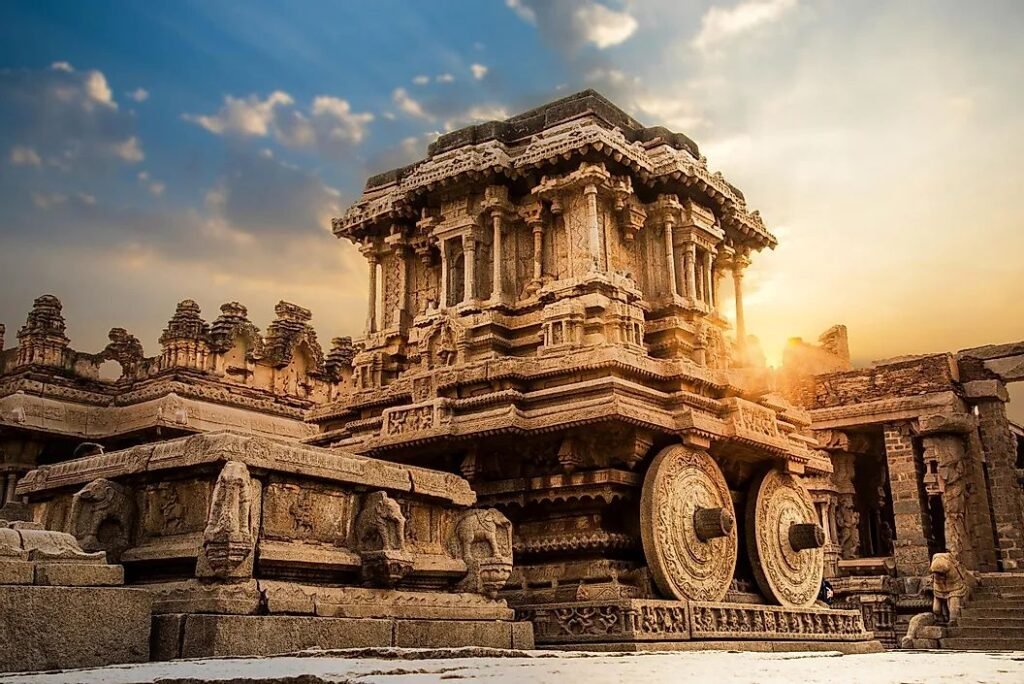
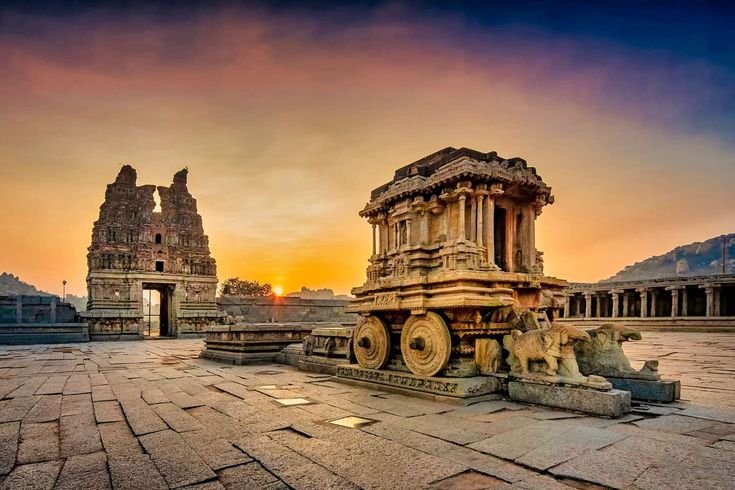
Just a few hours from Bangalore lies one of India’s most magical heritage destinations — Hampi. The ruins of the Vijayanagara Empire spread across a dramatic landscape of giant boulders, ancient temples, royal enclosures, and sacred tanks.
Hampi is a UNESCO World Heritage Site and one of the largest open-air museums in the world. For Bangalore travelers, it is the closest connection to a truly ancient world. Seven Sands Tourism offers weekend heritage tours to Hampi that are perfect for families and history enthusiasts.
5.3 Charminar — Hyderabad, Telangana
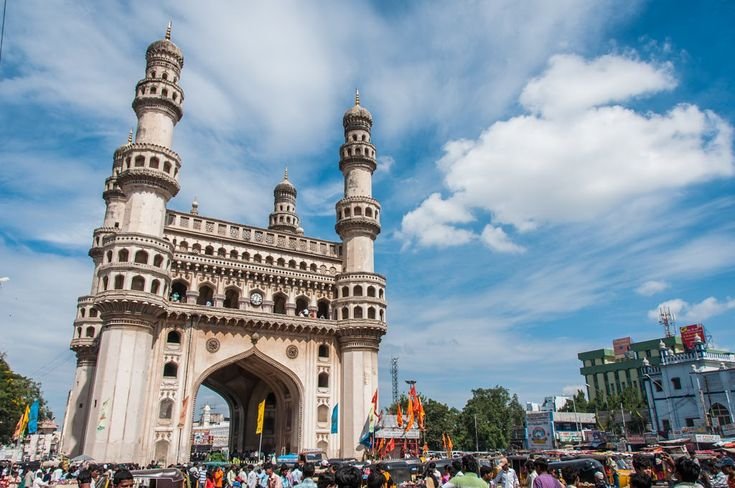
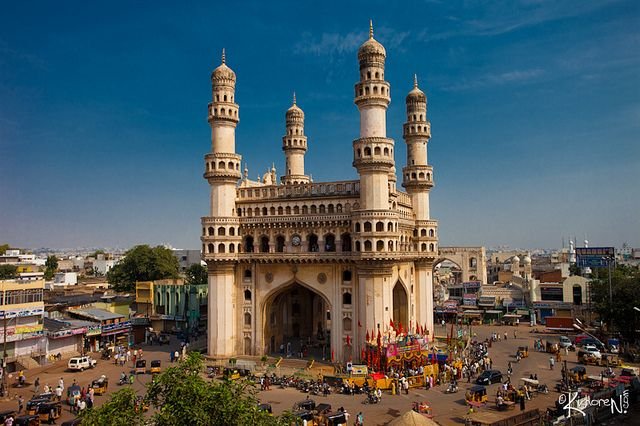
Built in 1591 by Sultan Muhammad Quli Qutb Shah, the Charminar is the heart and soul of Hyderabad. This magnificent four-minaret structure was built to commemorate the end of a deadly plague and has since become the defining symbol of the city.
The bustling Laad Bazaar surrounding the Charminar is famous for bangles, pearls, and traditional Hyderabadi crafts — making it a wonderful experience for families who love history and shopping together.
5.4 Victoria Memorial — Kolkata, West Bengal
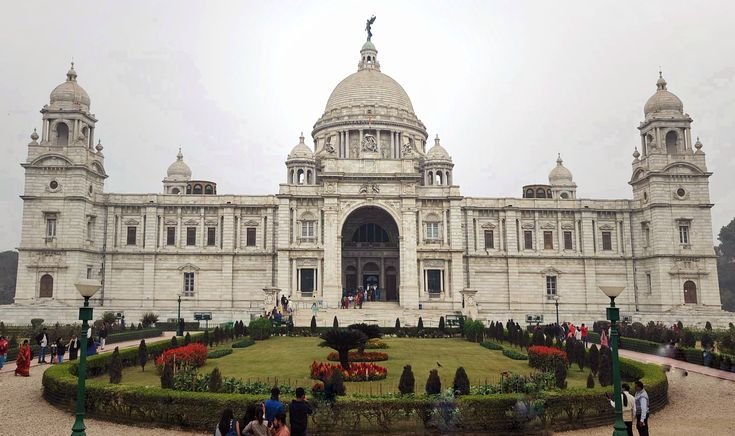
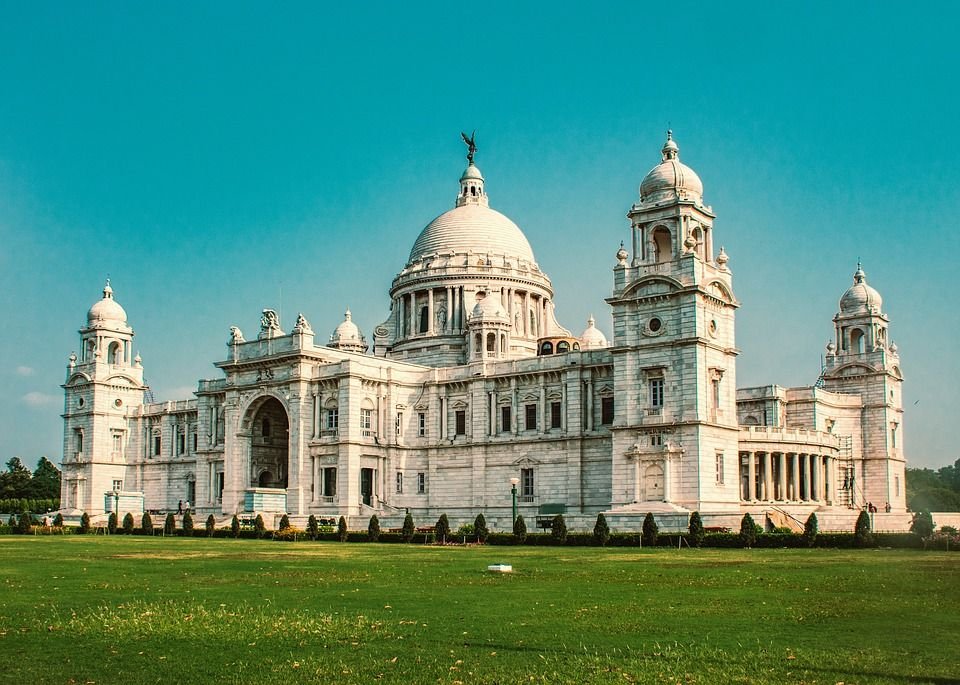
A stunning blend of British and Mughal architectural styles, the Victoria Memorial in Kolkata was built between 1906 and 1921 in memory of Queen Victoria. Its gleaming white marble exterior, lush gardens, and impressive museum make it one of the most beautiful colonial-era structures in India.
Five famous monuments of India are often listed without the Victoria Memorial — but anyone who has visited Kolkata knows this grand building deserves its place among India’s finest.
5.5 Mysore Palace — Karnataka
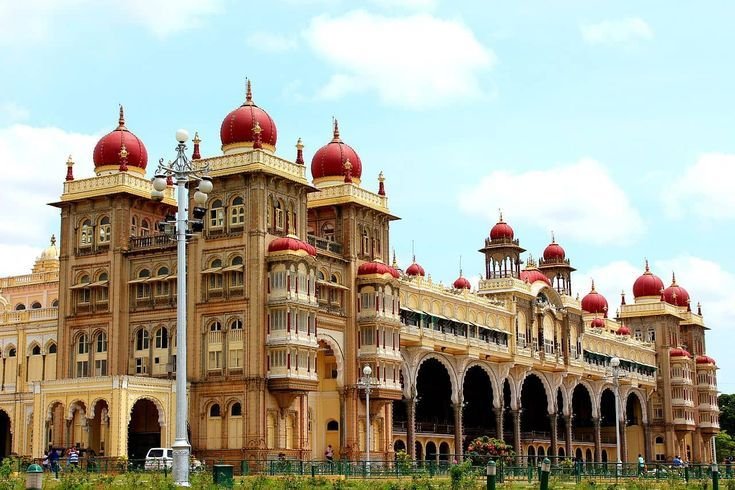
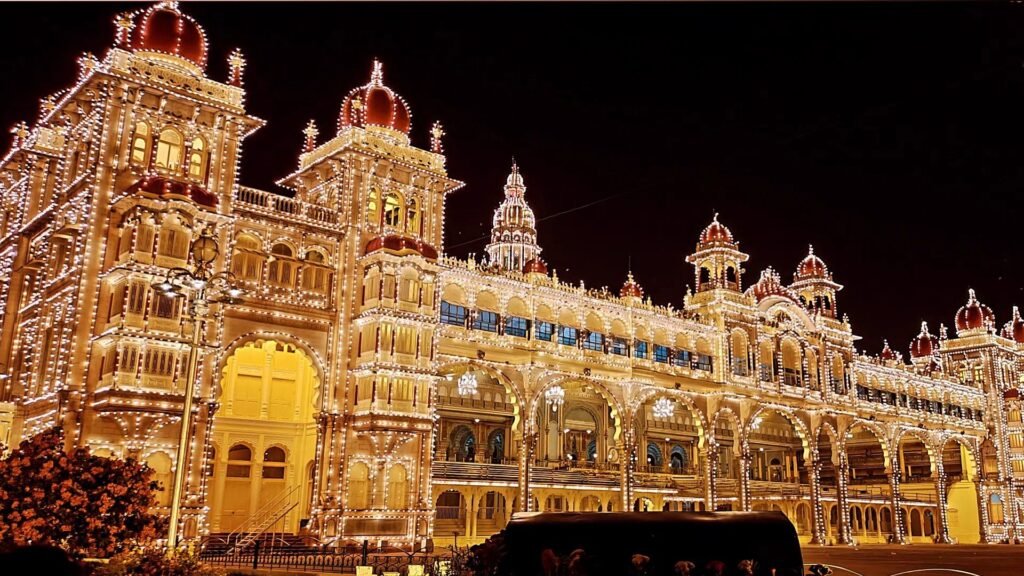
One of the most visited monuments in India after the Taj Mahal, the Mysore Palace is a breathtaking Indo-Saracenic masterpiece that glows with thousands of lights every Sunday evening and during the Dasara festival.
For families from Bangalore, Mysore Palace is the perfect weekend heritage destination — close, affordable, and absolutely spectacular. Seven Sands Tourism offers Mysore day tours and overnight packages that let you experience the palace in all its royal glory.
6. Important Historical Monuments of India and Their Importance
The importance of monuments of India goes far beyond tourism and travel. These structures play a vital role in preserving national identity, educating future generations, and keeping alive the stories of the people who built them.
Important historical monuments of India serve as cultural anchors. They remind us where we came from, what our ancestors valued, and how human creativity can triumph over time itself. A child who visits the Taj Mahal or Hampi does not just learn history — they experience it with their own eyes.
Historical monuments with names like the Red Fort, Qutub Minar, and Konark Sun Temple also drive enormous economic activity. They create jobs for local communities, support small businesses, and bring in valuable tourism revenue that helps fund conservation efforts.
At Seven Sands Tourism, we believe that every heritage trip is also an act of cultural preservation. When you visit these monuments, you are not just a tourist — you are a guardian of history.
7. Heritage Monuments of India — UNESCO World Heritage Sites
India is home to an extraordinary collection of heritage monuments of India that have received the highest international recognition. Here is a complete table of India’s most significant UNESCO World Heritage Sites:
| Monument Name | Location | Year of UNESCO Recognition |
|---|---|---|
| Taj Mahal | Agra, UP | 1983 |
| Red Fort Complex | Delhi | 2007 |
| Qutub Minar | Delhi | 1993 |
| Hampi | Karnataka | 1986 |
| Konark Sun Temple | Odisha | 1984 |
| Ajanta Caves | Maharashtra | 1983 |
| Ellora Caves | Maharashtra | 1983 |
| Fatehpur Sikri | Agra, UP | 1986 |
| Mahabodhi Temple | Bodh Gaya, Bihar | 2002 |
| Khajuraho Temples | Madhya Pradesh | 1986 |
| Sun Temple Modhera | Gujarat | — |
| Chola Temples | Tamil Nadu | 1987 |
Famous historical places in India recognized by UNESCO represent the absolute best of Indian architecture, art, and civilization. Historical places in India with names like Ajanta, Ellora, and Hampi are on every serious traveler’s bucket list.
Seven Sands Tourism can help you plan customized UNESCO heritage tours from Bangalore covering multiple sites in a single well-organized trip — saving you time, money, and the stress of planning.
8. Historical Buildings in India — Architectural Wonders
India’s historical buildings in India represent a stunning diversity of architectural traditions that evolved over thousands of years across different regions and dynasties. Here are the major architectural styles you will encounter on a heritage tour:
- Mughal Architecture Characterized by white marble, inlaid precious stones, symmetrical gardens, and grand domes. Famous structures in India like the Taj Mahal and Red Fort represent this style at its finest.
- Dravidian Architecture Found predominantly in South India, this style features towering gopurams (gateway towers), massive temple complexes, and intricate stone carvings. The Brihadeeswarar Temple in Thanjavur is its greatest example.
- Rajput Architecture Known for massive forts, ornate palaces, and delicate lattice screens called jharokhas. Old monuments of India like Amber Fort and Mehrangarh Fort showcase this style brilliantly.
- Buddhist Architecture Stupas, viharas, and cave temples carved into living rock. Pictures of old monuments from Ajanta and Ellora reveal the extraordinary skill of ancient Buddhist craftsmen.
- Colonial Architecture Left behind by British, French, and Portuguese rulers — gateway arches, churches, bungalows, and railway stations that blend European styles with Indian craftsmanship.
9. Pictures of Historical Places in India — A Visual Journey
A journey through India’s monuments is as much a visual experience as it is an emotional one. Here is what you can expect to see and capture at some of India’s most photogenic heritage destinations:
- Taj Mahal at Sunrise The white marble turns soft shades of pink and gold as the first light of day touches its surface. This is one of the most photographed monuments images in the world — and rightfully so.
- Red Fort Illuminated at Night The red sandstone walls glow warmly under the evening lights during the sound and light show, creating one of the most atmospheric pictures of monuments anywhere in India.
- Hampi Ruins Landscape Giant granite boulders frame ancient temples and royal pavilions in a landscape that looks almost otherworldly. Historical places in India images from Hampi are unlike anything else in the country.
- Mysore Palace During Dasara Over 100,000 light bulbs illuminate the palace every Sunday evening and throughout the Dasara festival — creating one of the most spectacular India monuments images you will ever witness.
- Hawa Mahal at Golden Hour The 953 windows of the Hawa Mahal catch the morning light in a way that makes it look like it is glowing from within. Photos of monuments of India rarely get more beautiful than this.
When you travel with `Seven Sands Tourism, our expert guides take you to the best photography spots and the most peaceful times to visit — so you come home with memories and monuments of India photos that will last a lifetime.
10. Collage of Historical Monuments of India
One of the most beautiful things about India is how different every region looks and feels. A collage of monuments of India captures this diversity perfectly — from the snow-white Taj Mahal in the north to the dark granite temples of Tamil Nadu in the south, from the pink sandstone forts of Rajasthan in the west to the ancient Buddhist caves of the east.
An Indian monuments collage tells the story of a civilization that was never one thing — it was always many things at once. Many architectural styles, many religions, many dynasties, many visions of beauty — all coexisting on one incredible subcontinent.
A collage of historical monuments of India is not just a collection of pretty images. It is a reminder of how much this country has created, preserved, and shared with the world. Every piece of a monuments of India collage deserves its own journey, its own story, and its own visit.
11. Top 5 Historical Places in India for Family Tours
Choosing the right heritage destination for a family trip requires balancing education, entertainment, accessibility, and comfort. Here are the top 5 historical places in India that work beautifully for family tours — especially when planned through Seven Sands Tourism:
| Destination | Best For | Distance from Bangalore | Seven Sands Package |
|---|---|---|---|
| Mysore Palace | All age groups | 150 km | Day tour and overnight |
| Hampi Ruins | History lovers | 340 km | Weekend heritage tour |
| Agra Taj Mahal | Families and couples | By flight | North India package |
| Jaipur Forts and Palaces | Adventure families | By flight | Rajasthan family tour |
| Delhi Red Fort | History and culture | By flight | Delhi heritage tour |
Famous historical places are most meaningful when experienced with the right guidance and the right company. India historical palace destinations like Mysore, Jaipur, and Agra offer guided experiences specifically designed for families — with child-friendly explanations, senior-accessible pathways, and flexible itineraries.
India landmarks like these are not just sightseeing stops. They are experiences that bring families closer together and give children a sense of pride in their country’s incredible past.
12. Popular Monuments in India for Pilgrimage and Heritage Tours
Many of India’s most popular monuments in India carry both historical significance and deep spiritual meaning. These are places where history and devotion come together — creating a travel experience that touches the soul.
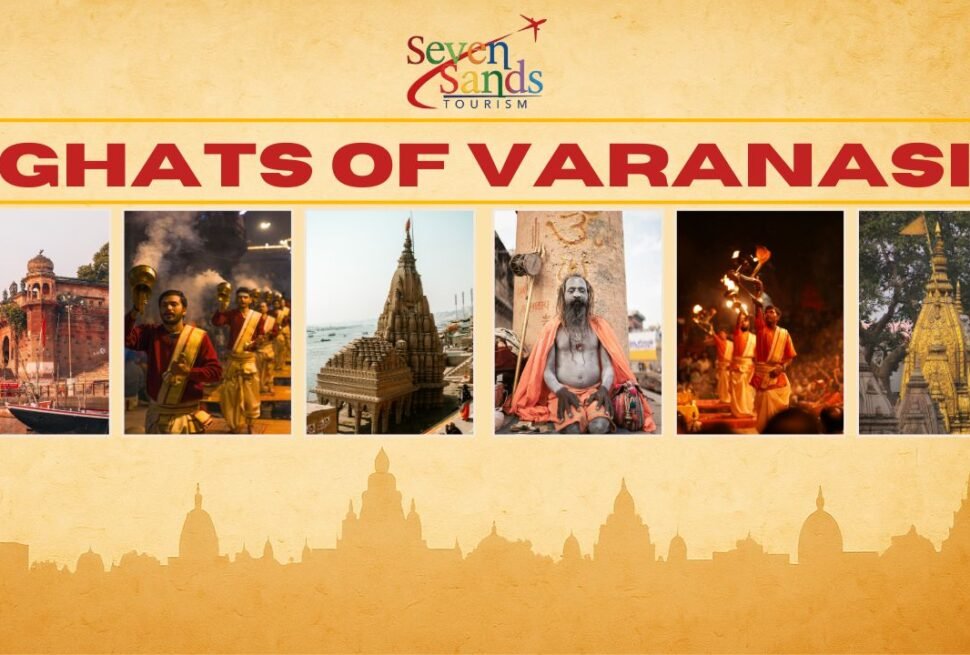
- Varanasi Ghats — Uttar Pradesh The ghats of Varanasi are some of the oldest continuously inhabited places on Earth. The Ganga Aarti held every evening at Dashashwamedh Ghat is a deeply moving spiritual experience that no traveler forgets.
- Bodh Gaya — Bihar The place where Gautama Buddha attained enlightenment under the Bodhi Tree. The Mahabodhi Temple complex here is a UNESCO World Heritage Site and one of the most sacred monument places in the world for Buddhist pilgrims.
- Ajmer Sharif Dargah — Rajasthan The dargah of Sufi saint Moinuddin Chishti is one of the most visited famous monuments of shrines in India — welcoming people of all faiths who come seeking peace and blessings.
- Golden Temple — Amritsar, Punjab The holiest shrine of the Sikh faith, the Golden Temple is a breathtaking combination of spiritual beauty and architectural magnificence. Its reflection in the surrounding Amrit Sarovar lake creates one of the most peaceful images in all of India.
- Tirupati Balaji Temple — Andhra Pradesh One of the most visited religious sites in the world, the Tirupati temple complex is a magnificent monument to faith, devotion, and architectural grandeur.
Seven Sands Tourism specializes in pilgrimage and heritage tour packages from Bangalore that cover all these sacred and historic destinations with comfort, care, and complete logistical support.
13. A Detailed Look at Two of India’s Greatest Historical Monuments
Taj Mahal — The Symbol of Eternal Love
The story of the Taj Mahal begins with grief. In 1631, Mughal Emperor Shah Jahan lost his beloved wife Mumtaz Mahal during childbirth. Devastated, he vowed to build her a tomb so magnificent that the world would never forget her name.
Construction began in 1632 and involved over 20,000 artisans, craftsmen, and laborers from across India, Persia, and Central Asia. Precious stones were brought from Afghanistan, turquoise from Tibet, and marble from Makrana in Rajasthan. The result, completed in 1653, was the most perfect building in the world — or so many architects believe to this day.
The Taj Mahal is perfectly symmetrical from every angle. Its central dome rises 73 meters into the sky. Four minarets frame the main structure. Intricate floral patterns made from semi-precious stones decorate every surface. And a long reflecting pool runs from the main gateway to the tomb — doubling the monument’s beauty in its still water.
Historical monuments of India with names are many, but the Taj Mahal stands alone at the top. It is not just a building. It is a love letter written in marble — and it still moves people to tears more than 370 years after it was completed.
Seven Sands Tourism offers Agra and North India heritage packages from Bangalore that make visiting the Taj Mahal comfortable, memorable, and completely stress-free.
Red Fort — The Pride of Delhi
If the Taj Mahal represents love, the Red Fort represents power. Built by the same emperor — Shah Jahan — between 1638 and 1648, the Red Fort served as the seat of Mughal power in India for over 200 years.
The fort gets its name from the massive red sandstone walls that surround it — stretching 2.5 kilometers and rising up to 33 meters in height. Inside these walls lies an entire city of palaces, gardens, mosques, pavilions, and halls that once buzzed with the activity of the most powerful empire in the world.
The Diwan-i-Aam (Hall of Public Audience) is where the emperor met ordinary citizens. The Diwan-i-Khas (Hall of Private Audience) housed the legendary Peacock Throne — one of the most valuable thrones ever made, later taken by Persian invader Nadir Shah.
On August 15, 1947, India’s first Prime Minister Jawaharlal Nehru hoisted the national flag from the Red Fort’s ramparts — making it the birthplace of independent India’s spirit. Every Independence Day since then, the tradition continues.
Historical monuments and places like the Red Fort deserve at least a full day of exploration. Seven Sands Tourism’s Delhi heritage tours include comfortable accommodation, expert guides, and seamless transport — so you experience every corner of this magnificent fort without any rush.
14. Best Monuments in India to Visit in 2026
Planning your heritage travel for 2026? Here are the best monuments in India that should be at the top of your travel list — along with practical tips for each:
| Monument | Location | Best Season | Why Visit in 2026 |
|---|---|---|---|
| Taj Mahal | Agra | Oct — Mar | New visitor management system makes it more peaceful |
| Hampi | Karnataka | Nov — Feb | New light and sound show launched |
| Konark Sun Temple | Odisha | Nov — Feb | Konark Dance Festival in December |
| Mysore Palace | Karnataka | Year round | Dasara festival experience in October |
| Red Fort | Delhi | Oct — Mar | Upgraded museum galleries |
| Victoria Memorial | Kolkata | Nov — Feb | New digital heritage experience |
| Charminar | Hyderabad | Oct — Feb | Old City heritage walk tours available |
Famous monuments across India are seeing exciting upgrades in visitor facilities, digital experiences, and accessibility features in 2026 — making this one of the best years to plan your heritage tour. Famous landmarks in India are more welcoming than ever to senior citizens and families with young children.
15. Plan Your Heritage Monument Tour from Bangalore with Seven Sands Tourism
If you are based in Bangalore and have been dreaming of exploring India’s incredible historical monuments, Seven Sands Tourism is your ideal travel partner.
We have been helping Bangalore families, senior citizens, and travel groups discover India’s heritage for years — and we know exactly how to make these journeys comfortable, affordable, and deeply meaningful.
What we offer for heritage monument tours:
- Fully customized itineraries built around your interests and schedule
- Senior citizen friendly packages with slower pace and special facilities
- Group tour discounts for families and corporate travel groups
- Comfortable AC transport throughout the journey
- Expert heritage guides at every monument
- Hand-picked hotels near heritage sites
- Complete visa assistance for international heritage destinations
- Transparent pricing with absolutely no hidden charges
- 24/7 customer support before, during, and after your trip
- 4.9 star rating backed by hundreds of happy travelers
Whether you want a quick weekend trip to Hampi, a week-long North India heritage circuit covering Delhi, Agra, and Jaipur, or a complete South India temple trail — Seven Sands Tourism has a package that fits your needs and your budget perfectly.
Discover India’s Glorious Heritage with Seven Sands Tourism
India’s historical monuments are not just places to visit — they are experiences that change the way you see the world. They remind you that human beings are capable of extraordinary things when driven by love, faith, ambition, and artistry.
From the perfect symmetry of the Taj Mahal to the raw ancient power of Hampi’s ruins, from the spiritual energy of Varanasi’s ghats to the royal splendor of Mysore Palace — every monument in India has a story that deserves to be heard, felt, and remembered.
At Seven Sands Tourism, we are passionate about making these stories accessible to every traveler — whether you are a family with young children, a couple celebrating an anniversary, a group of friends on an adventure, or a senior citizen fulfilling a lifelong dream.
We handle every detail so you can focus entirely on the experience. No stress, no hidden costs, no missed moments. Just you, your loved ones, and the timeless beauty of India’s greatest monuments.
Ready to explore India’s heritage? Contact Seven Sands Tourism today and let us plan the perfect monument tour for you.
Table of Contents
Frequently Asked Questions (FAQs)
What are the 5 most famous monuments of India?
The 5 most famous monuments of India are the Taj Mahal in Agra, Red Fort in Delhi, Qutub Minar in Delhi, Hawa Mahal in Jaipur, and the Gateway of India in Mumbai. Each represents a unique era and architectural style of Indian history.
How many historical monuments are there in India?
The Archaeological Survey of India protects over 3,693 centrally protected monuments across the country. India also has 42 UNESCO World Heritage Sites — one of the highest numbers in the world.
Which is the most visited monument in India?
The Taj Mahal in Agra is the most visited monument in India, attracting over 7 to 8 million visitors every year from across the world.
What are UNESCO World Heritage monuments in India?
India has 42 UNESCO World Heritage Sites including the Taj Mahal, Red Fort, Qutub Minar, Hampi, Konark Sun Temple, Ajanta Caves, Ellora Caves, and many more.
Which historical monuments can I visit from Bangalore?
From Bangalore you can easily visit Hampi, Mysore Palace, Belur and Halebidu temples, Badami caves, and Bijapur monuments by road. For longer trips, Seven Sands Tourism offers packages to Delhi, Agra, Jaipur, Varanasi, and other heritage destinations.
Does Seven Sands Tourism offer heritage monument tours?
Yes. Seven Sands Tourism offers a wide range of heritage and historical monument tour packages from Bangalore covering both domestic and international destinations. All packages include expert guides, comfortable transport, hotel stays, and 24/7 support.
What is the best time to visit historical monuments in India?
The best time to visit most historical monuments in India is between October and March when the weather is cool and pleasant. Summer months can be extremely hot, especially at open-air monuments like Hampi and Agra.
Are there senior citizen friendly monument tours from Bangalore?
Absolutely. Seven Sands Tourism specializes in senior citizen friendly heritage tours from Bangalore with slow-paced itineraries, wheelchair accessible transport, comfortable hotels, and dedicated escort support throughout the journey.