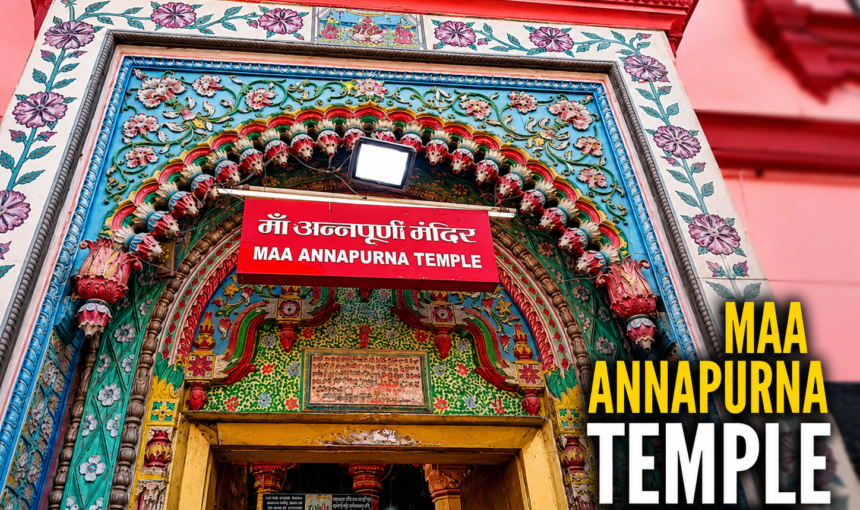
Introduction to Annapurna Temple
Situated in the sacred city of Varanasi, the Annapurna Temple is a significant religious site dedicated to Goddess Annapurna, the deity of nourishment and food. This temple holds a prominent spot in the cultural and spiritual landscape of India, making it a vital place of worship for devotees and a point of interest for tourists. The temple’s location, close to the Kashi Vishwanath Temple, enhances its accessibility and significance, drawing both pilgrims and visitors seeking to immerse themselves in the rich tapestry of Varanasi’s spiritual heritage.
The Goddess Annapurna is revered in Hinduism as the symbol of abundance and sustenance. She is widely believed to ensure that her devotees are provided with adequate food and nourishment, embodying the nurturing aspect of life. The temple not only serves as a place for devotees to express their reverence but also stands as a testament to the importance of food in daily life and spirituality. The sacred atmosphere of the Annapurna Temple offers a deep sense of peace and community, fostering an environment where both spiritual reflection and cultural appreciation can flourish.
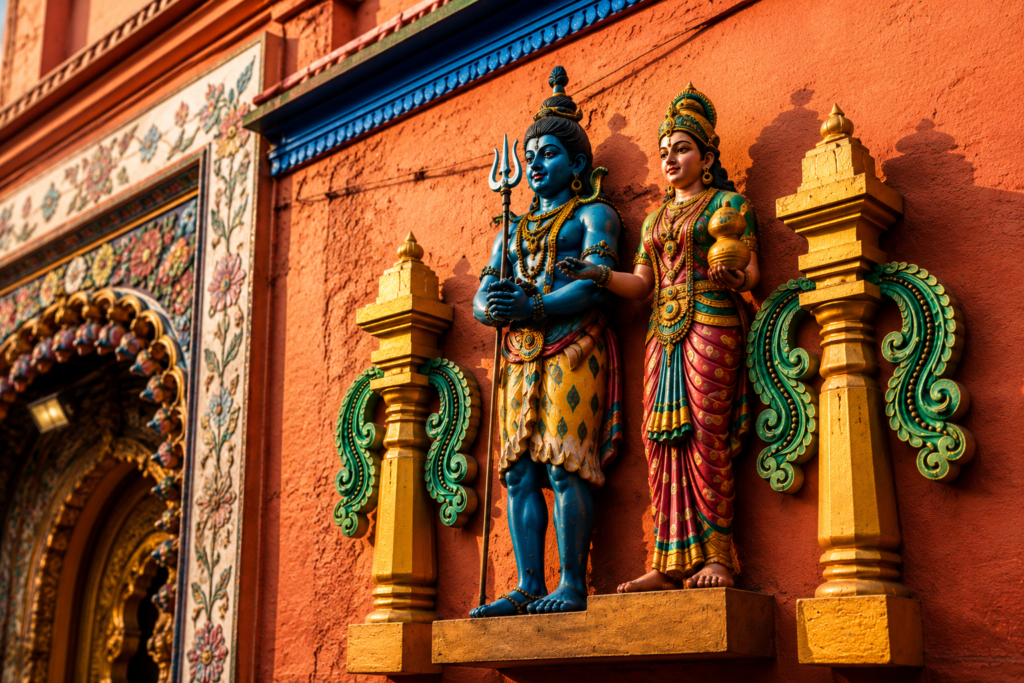
Furthermore, the temple attracts a diverse mix of visitors who come to witness its intricate architecture and partake in the rituals performed therein. The elegant structure, adorned with beautiful carvings and statues, provides a remarkable visual experience. For many tourists, the Annapurna Temple is an integral part of their exploration of Varanasi, often mentioned alongside other historic sites. Whether one seeks spiritual solace or cultural insight, this temple showcases the enduring relevance of faith in daily life, rendering it a must-visit landmark in Varanasi.
Historical Significance of Annapurna Temple
The Annapurna Temple, located in the sacred city of Varanasi, is steeped in a rich historical narrative that reflects the cultural and spiritual evolution of the area. This temple is dedicated to Goddess Annapurna, the goddess of food and nourishment, representing one of the key deities in Hindu worship. The origins of the temple date back to the 18th century, as it was constructed under the patronage of the Maratha ruler, Balaji Baji Rao of the Peshwa dynasty. This period marked a significant shift in the region’s architectural landscape, incorporating elements of Mughal and Hindu styles, showcasing a vibrant confluence of cultures.
Historically, the temple gained prominence during the late 19th century when it became a center for various social and religious activities. It was here that many influential figures contributed to the religious discourse in India. The temple not only served as a spiritual hub but also played a critical role in the preservation of cultural heritage during a time of colonial challenge. Subsequently, various rituals and ceremonies were established, solidifying its status in the local community.
Over the centuries, the Annapurna Temple has undergone multiple renovations, yet it retains its original charm and significance. The intricate carvings and stunning architecture draw visitors from around the world, symbolizing resilience and devotion. In contemporary times, its relevance continues as it stands as a symbol of sustenance and abundance, reinforcing faith among devotees. The temple is not just a place of worship; it is a living testament to the rich historical tapestry that Varanasi weaves, integrating spirituality, culture, and community together.
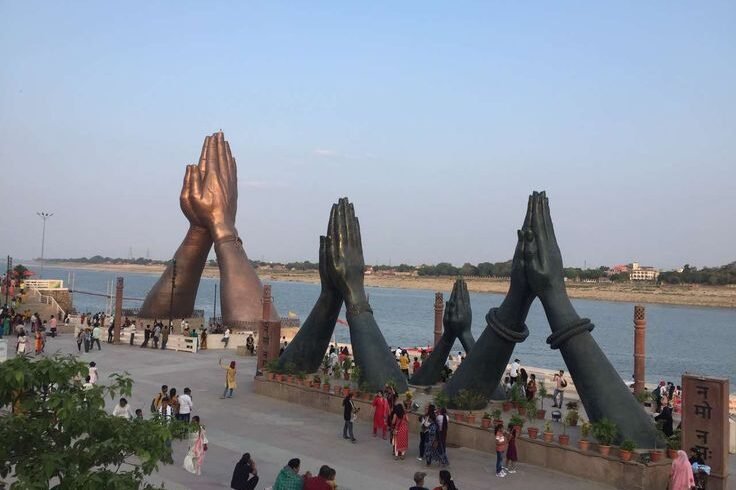
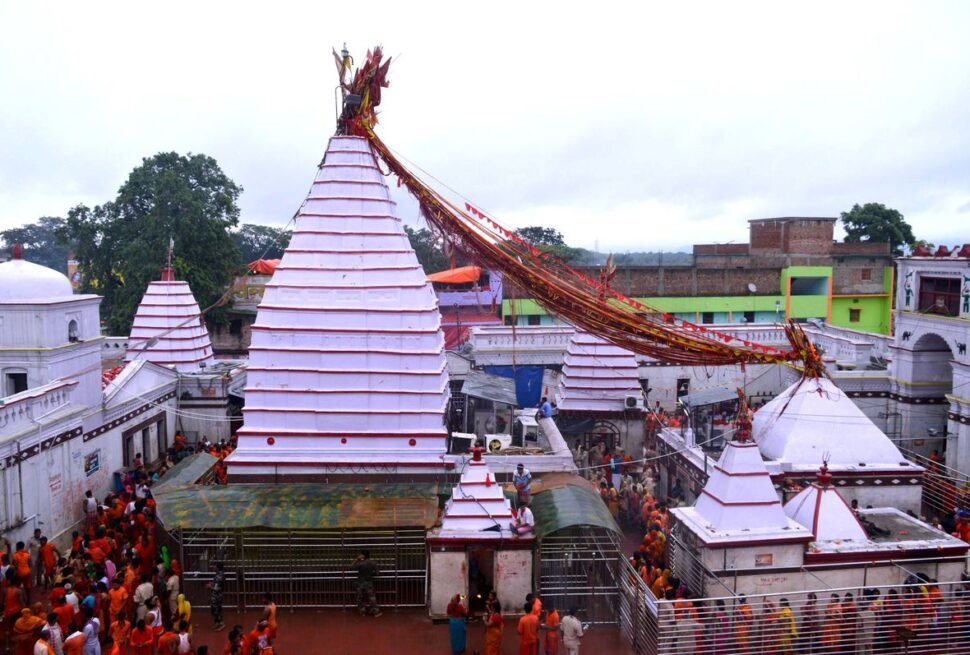
Divine Kashi & Ayodhya Tour from Bangalore – 4 Days Spiritual Journey with Seven Sands Tourism India is a land…
Experience divine bliss with our Kashi Ayodhya Tour Package from Bangalore 4N/5D, designed by Seven Sands Tourism for devotees seeking…
Cultural Significance and Festivals
The Annapurna Temple in Varanasi holds immense cultural significance within the broader context of Hinduism, showcasing the deep-rooted traditions and spiritual practices of the region. Dedicated to Goddess Annapurna, the deity of nourishment and sustenance, the temple is a symbol of maternal care and fertility, reflecting the belief that abundance in life is a divine blessing. It stands as a testament to the connection between spirituality and daily living, showcasing how the residents of Varanasi integrate their faith into everyday life.
Throughout the year, the temple becomes a centerpiece for significant celebrations, drawing both local devotees and pilgrims from far and wide. One of the major festivals associated with the temple is Navratri, an important Hindu festival that spans nine nights and is dedicated to the worship of the divine feminine. During this period, the Annapurna Temple witnesses a surge in visitors as devotees partake in prayers, rituals, and offerings to the goddess. The vibrant decorations, elaborate rituals, and fervent devotion create an atmosphere that is both celebratory and spiritually uplifting.
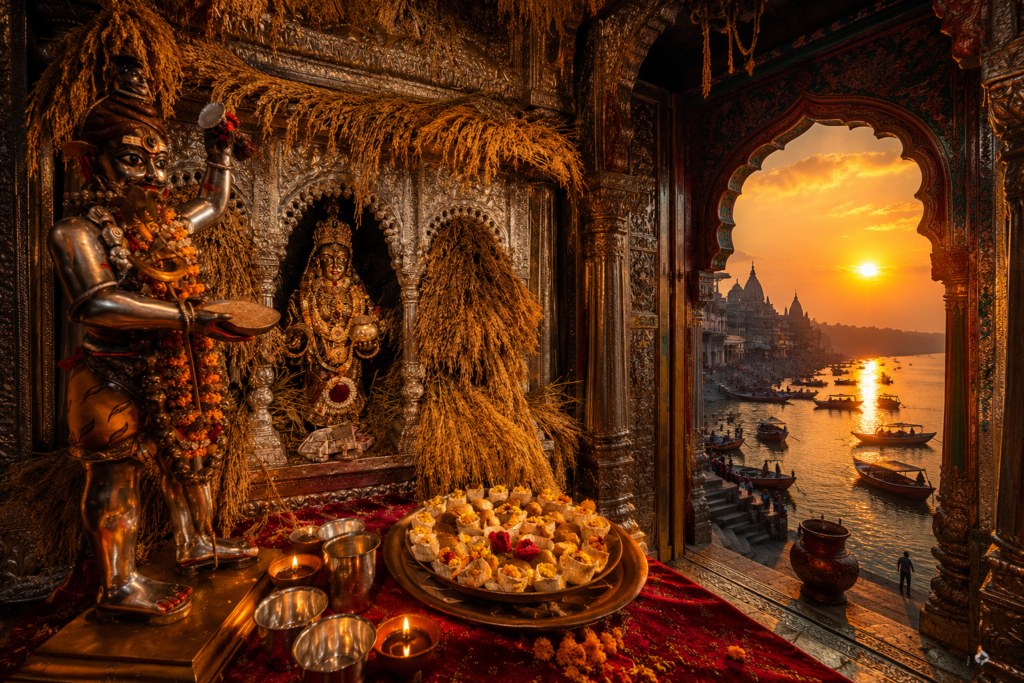
Additionally, the temple hosts various other celebrations that signify the changing seasons and agricultural cycles, further emphasizing the importance of harmonious living with nature, as reflected in Varanasi’s cultural identity. Among these, the festivals mark the onset of harvest and the plenteous seasons, reinforcing gratitude towards the goddess for providing sustenance. The unique blend of ritualistic worship and festive activities not only enhances the temple’s significance but also fosters community spirit.
In conclusion, the Annapurna Temple serves as an important cultural and religious hub in Varanasi, encapsulating local beliefs, practices, and the enduring relationship between faith and daily existence through its various festivals and observances.
Darshan Timings and Rituals
The Annapurna Temple in Varanasi, known for its divine ambiance and rich heritage, observes specific darshan timings that cater to both devotees and tourists alike. Generally, the temple opens its doors at 5:00 AM and remains accessible until 12:00 PM for the morning session. After a brief closure, the temple reopens at 4:00 PM and closes again at 9:00 PM, allowing visitors to enjoy its spiritual offerings at various times throughout the day. It is essential to note that these timings may vary on special occasions, such as festivals or significant religious observances, when the temple often extends its hours to accommodate the influx of devotees.
During a typical day, several rituals are performed at the temple, deeply enriching the visitors’ spiritual experience. The day begins with the “Mangala Aarti”, a morning prayer ritual that occurs around 5:30 AM. This ceremony involves the offering of light to the deity of Goddess Annapurna, who symbolizes nourishment and abundance. Following the morning aarti, the devotees can participate in offerings and seek blessings. Another notable ritual is the “Shingar”, which is a form of beautiful adornment of the idol, showcasing the temple’s commitment to aesthetic devotion.
In addition to these rituals, devotees are encouraged to partake in moments of personal prayer and meditation throughout the day, especially during puja sessions at 12:00 PM and 8:00 PM. Engaging in these practices not only enhances spirituality but also fosters a sense of community among the visitors. The evening rituals often see a larger gathering, culminating in a peaceful ambiance where one can truly connect with the divine presence of the Goddess. Visitors should also respect the temple’s decorum by adhering to the prescribed dress code and maintaining silence during rituals.
Visitor Guide: How to Reach Annapurna Temple
Reaching Annapurna Temple, a significant pilgrimage site in Varanasi, is more convenient than one might expect. Located near the bustling lanes of the city, this revered temple is accessible through various modes of transportation, ensuring that visitors can plan their journey with ease.
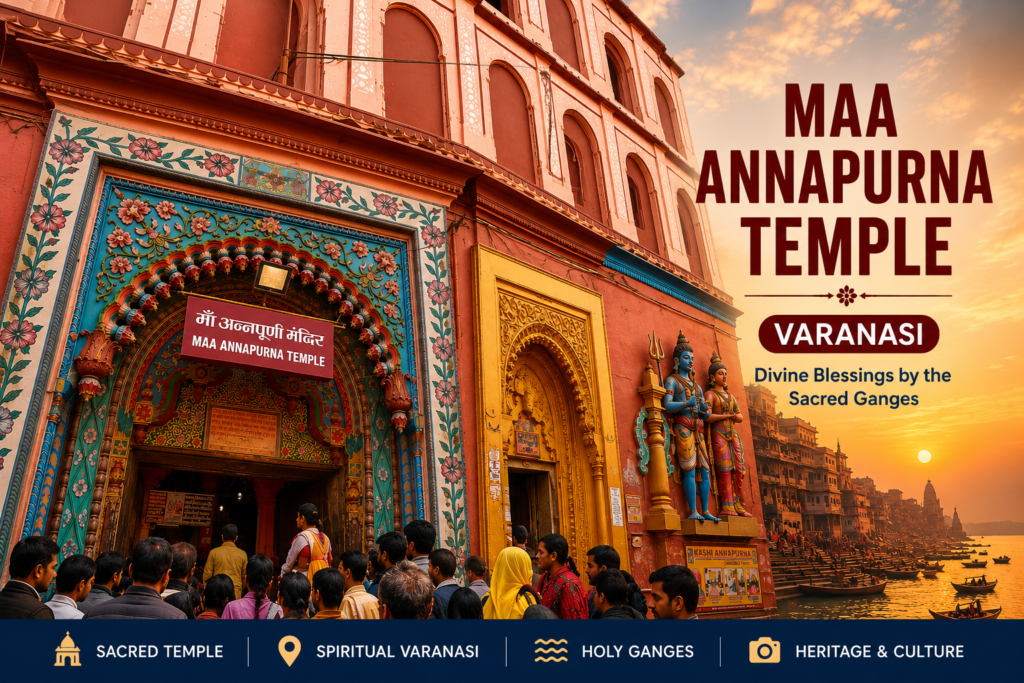
The most convenient way to reach the temple is by utilizing local auto-rickshaws or cycle rickshaws, which are abundant in the city. These are affordable and provide a hassle-free way to navigate through Varanasi’s intricate streets, especially considering the heavy foot traffic in the area. Additionally, Varanasi has a well-connected network of local buses that can also serve as an economical option for reaching the temple.
For those traveling from further away, the Varanasi Junction railway station and the Lal Bahadur Shastri International Airport offer excellent connectivity. From the railway station, one can hire a taxi or auto-rickshaw to get to the temple directly. Similarly, taxis and pre-arranged vehicles from the airport also make the temple accessible for incoming travelers.
Once in the vicinity, landmarks such as the famous Manikarnika Ghat or the Kashi Vishwanath Temple serve as excellent reference points for finding the Annapurna Temple. Both sites are well-known among locals and regularly frequented by tourists, making them ideal stops for directional assistance.
For those seeking to experience a less crowded ambiance, it is advisable to plan the visit early in the morning or on weekdays. Visiting during these times allows for a more serene darshan experience and the opportunity to explore the temple’s intricate architecture without the throngs of devotees. Furthermore, for a seamless travel experience, consider utilizing the services of Seven Sands Tourism, which offers tailored travel options and can enhance your visit with expert local guidance.
Facilities and Amenities for Visitors
The Annapurna Temple in Varanasi stands as a cherished pilgrimage site, welcoming thousands of devotees and tourists every year. To enhance the experience of these visitors, the temple offers a variety of facilities and amenities designed to provide comfort and convenience during their stay.
One of the key amenities available is the provision of clean restrooms, strategically placed around the temple complex. This is crucial for maintaining hygiene standards, particularly in a sacred area that attracts a large crowd. These restrooms are regularly maintained, ensuring that all visitors can access them without discomfort.
Another significant aspect of the visitor experience at Annapurna Temple is the availability of dining options. A range of local eateries and food stalls are present near the temple, offering traditional meals, snacks, and refreshments. This enables pilgrims and tourists alike to enjoy the rich culinary culture of Varanasi, enhancing their overall experience. Many visitors take the opportunity to try local specialties, contributing to an immersive cultural experience.
In addition to restrooms and dining options, there are various shops located near the temple area. These shops offer a variety of items, from religious artifacts and souvenirs to local handicrafts and textiles. Shoppers can find meaningful mementoes to commemorate their visit or gifts for friends and family, thus supporting local artisans and businesses.
All of these facilities contribute significantly to the overall satisfaction of visitors at Annapurna Temple. By addressing the basic needs of pilgrims and tourists, the temple management ensures that visitors can focus on their spiritual journey without the distraction of logistical concerns. Together, these amenities facilitate a more enjoyable and respectful experience for all who come to this important spiritual site.
Tips for a Spiritual Experience
Visiting the Annapurna Temple in Varanasi offers a profound opportunity to immerse oneself in the spiritual culture of India. To fully experience the divine ambiance of the temple, visitors can engage in several enriching practices that resonate with local traditions and rituals.
First and foremost, it is advisable to participate in the daily prayers and offerings known as pujas. By joining these rituals, visitors not only observe the spiritual fervor but also become part of the vibrant tapestry of devotion that characterizes the temple. Engaging in puja allows one to offer flowers, fruits, or incense to the deity, facilitating a personal connection with the divine.
Furthermore, it is beneficial to learn about the customs and the significance of the various rituals performed at the temple. Speaking with local priests or guides can deepen your understanding of the spiritual practices, enabling a more meaningful experience. Observing the rituals can be mesmerizing, and taking the time to simply witness the devotion of local worshippers can foster a sense of peace and reflection.
Visitors are also encouraged to interact with the local community. Sharing in conversations and stories with temple-goers can offer valuable insights into the cultural significance of the Annapurna Temple and its role in the lives of the people in Varanasi. It is through these interactions that one may discover the temple’s sacredness extends beyond its physical presence.
Lastly, meditative practices can significantly enhance your visit. After exploring the temple grounds, find a quiet corner to sit in meditation, reflecting on your experiences. Consider dedicating this time to gratitude or introspection, as this can lead to a deeper appreciation for the spiritual journey undertaken during your visit to the Annapurna Temple.
Exploring Surrounding Attractions
After visiting the Annapurna Temple in Varanasi, there are several nearby attractions that enrich the cultural experience and allow for a deeper understanding of this ancient city. Each site offers unique insights into the historical and spiritual significance of Varanasi, making them worthwhile additions to your itinerary.
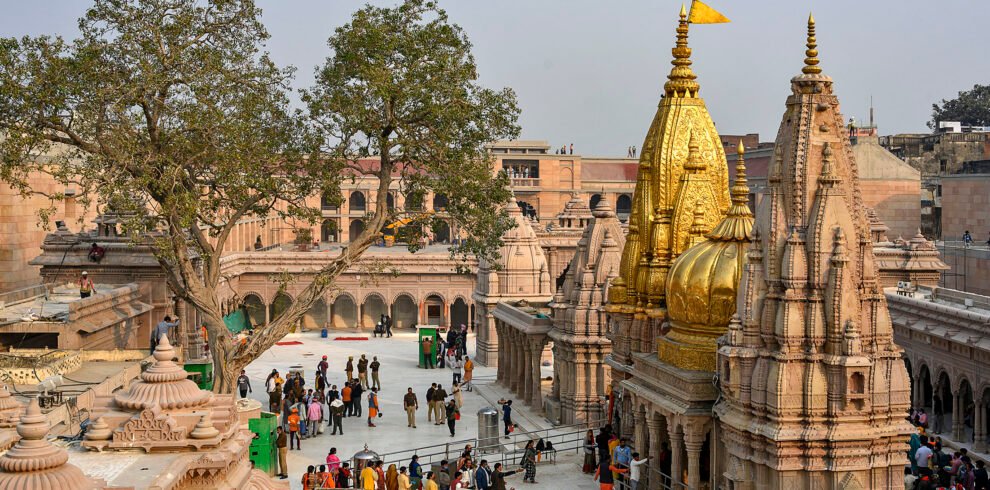
One prominent site is the Kashi Vishwanath Temple, located just a short distance from the Annapurna Temple. This temple is dedicated to Lord Shiva and is one of the most revered Shiva temples in India. The architectural beauty and spiritual ambiance make it a must-visit site. It draws countless pilgrims and tourists alike, enhancing the overall spiritual journey one experiences while in Varanasi.
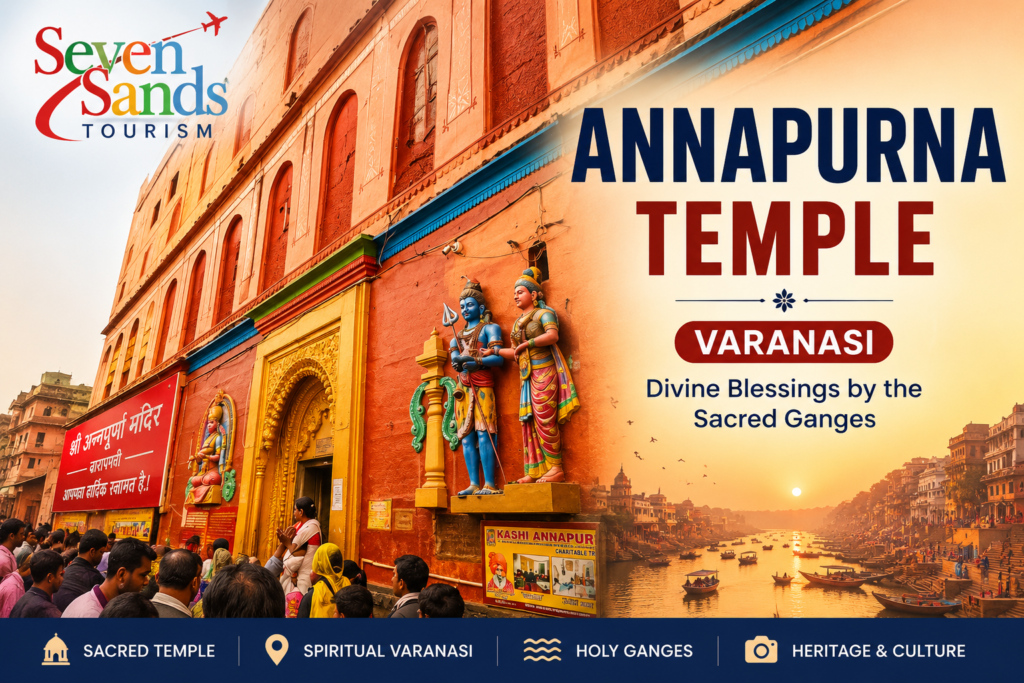
Another noteworthy attraction is the Ghats along the Ganges River, particularly Dashashwamedh Ghat, which is famous for its evening Aarti ceremony. Here, visitors can witness a spectacular ritual where priests perform ceremonial offerings to the river, creating a mesmerizing atmosphere filled with devotion and spirituality. This experience not only complements the visit to the Annapurna Temple but also aligns with Varanasi’s reputation as a sacred city.
Nearby, the Manikarnika Ghat serves as an important site for Hindu cremation rituals, further epitomizing the city’s connection to life and death. Observing the rituals at this ghat offers a profound understanding of Hindu beliefs regarding mortality and spirituality. Visitors are encouraged to approach this site with respect and sensitivity.
Additionally, the Sarnath archaeological site, located a short drive from Varanasi, is also worth exploring. It is the place where Lord Buddha delivered his first sermon after attaining enlightenment. Sarnath is home to several ancient stupas, monasteries, and the Dhamek Stupa, enriching visitors’ cultural experiences as they delve into Buddhism’s roots.
In conclusion, the surrounding attractions of Annapurna Temple not only add depth to the visit but also highlight the rich tapestry of cultural and spiritual heritage that Varanasi has to offer. Each site provides a piece of the complex narrative that defines this ancient city, making it a holistic travel experience.
Conclusion: Embracing the Essence of Annapurna Temple
The Annapurna Temple in Varanasi stands as a remarkable testament to the city’s rich spiritual heritage. This sacred site not only serves as a place of worship but also embodies the cultural and historical essence of the region. For locals and visitors alike, the temple offers a unique opportunity to engage with the divine, fostering a deep sense of spirituality and connection to the traditions that have flourished in this ancient city. With its striking architecture and vibrant atmosphere, Annapurna Temple invites all who enter its premises to reflect on the significance of devotion and the nurturing aspect of the goddess.
Visitors to the temple are encouraged to immerse themselves in the experience, taking the time to participate in prayers and witness daily rituals that have been performed for centuries. The aroma of offerings, the sound of bells ringing, and the presence of fervent devotees contribute to a profound ambience. By embracing the spiritual richness of the Annapurna Temple, one can gain insight into the values and beliefs that permeate the lives of the people in Varanasi.
It is advisable for potential visitors to plan their trips thoughtfully, considering darshan timings and local customs to maximize their experience. Engaging with temple priests or participating in guided tours can enhance understanding and appreciation of the temple’s significance. Whether one is seeking spiritual solace, cultural enrichment, or a deeper understanding of Hindu traditions, a visit to Annapurna Temple promises to be an unforgettable journey.
In conclusion, the Annapurna Temple is not just a site of pilgrimage; it is a living testament to the enduring spirit of devotion. We encourage readers to embrace this opportunity, explore its depths, and discover the beauty that lies within its hallowed walls.
Table of Contents
Frequently Asked Questions (FAQs)
What is the significance of Annapurna Temple Varanasi?
Annapurna Temple Varanasi is dedicated to Goddess Annapurna, the Hindu deity of food and nourishment. Devotees believe that worshipping Maa Annapurna brings prosperity, abundance, and freedom from hunger. The temple is one of the most important spiritual destinations in Kashi and attracts pilgrims throughout the year.
Where is Annapurna Temple located in Varanasi?
Annapurna Temple is situated near Kashi Vishwanath Temple in the heart of Varanasi, Uttar Pradesh. Its central location makes it easy for devotees to visit during their Kashi pilgrimage. Seven Sands Tourism offers customized Varanasi temple tours covering both sacred sites.
What are the darshan timings of Annapurna Temple Varanasi?
The temple generally opens early in the morning and remains accessible until evening, with breaks during specific rituals. Devotees are advised to visit during morning hours for a peaceful darshan and spiritual experience.
Why is Annapurna Temple famous among devotees?
Annapurna Temple is famous because Goddess Annapurna is regarded as the provider of food, wealth, and blessings. Many pilgrims visit the temple seeking prosperity, happiness, and fulfillment of their wishes during their Varanasi pilgrimage.
What is the best time to visit Annapurna Temple Varanasi?
The best time to visit Annapurna Temple Varanasi is between October and March when the weather is pleasant for temple visits and sightseeing. Major festivals also attract thousands of devotees during this period.
Which festivals are celebrated at Annapurna Temple Varanasi?
Annapurna Jayanti, Navratri, Deepavali, and other Hindu festivals are celebrated with great devotion at the temple. During these occasions, special pujas, aartis, and religious ceremonies are organized for devotees.
Can Annapurna Temple be visited along with Kashi Vishwanath Temple?
Yes, most pilgrims visit Annapurna Temple and Kashi Vishwanath Temple together because they are located close to each other. This combined darshan is considered highly auspicious and forms an important part of the Kashi Yatra.
How can Seven Sands Tourism help with an Annapurna Temple Varanasi tour?
Seven Sands Tourism provides customized Varanasi pilgrimage packages, temple darshan assistance, local sightseeing, transportation, and family-friendly tour planning. These services help devotees enjoy a comfortable and spiritually fulfilling visit to Annapurna Temple Varanasi.