

Introduction to Char Dham: The Abodes of the Gods
The Char Dham, translating to “Four Abodes,” is a revered pilgrimage circuit in the Indian Himalayas, consisting of four sacred shrines: Yamunotri, Gangotri, Kedarnath, and Badrinath. Located in the northern state of Uttarakhand, this pilgrimage route holds immense spiritual significance for millions of Hindu devotees, providing a path to not only physical destinations but also spiritual enlightenment.
Yamunotri, the westernmost shrine, is dedicated to the goddess Yamuna and is considered the source of the river that nourishes countless lives. Pilgrims visit the beautiful thermal springs and the holy Yamunotri Glacier, where rituals are conducted to honor the goddess. Moving eastward, Gangotri serves as the origin of the Ganges River and is named after Goddess Ganga, symbolizing purity and divinity. The Gangotri Temple, situated against a backdrop of mesmerizing mountain peaks, attracts devotees seeking blessings for spiritual redemption.
Kedarnath, one of the twelve Jyotirlingas dedicated to Lord Shiva, holds significant importance for followers. Nestled amidst the majestic Garhwal range, the Kedarnath Temple’s architecture and its stunning surroundings elevate the pilgrimage experience. Finally, Badrinath, dedicated to Lord Vishnu, is considered the most sacred site among the four. The Badrinath Temple, situated along the banks of the Alaknanda River, stands as a testament to thousands of years of devotion and reverence.
Collectively, these shrines form a vital part of Hindu culture, symbolizing the importance of pilgrimage in seeking divine blessings and fulfilling spiritual aspirations. The Char Dham Yatra, or pilgrimage, becomes not only a journey through profound landscapes but also an inward journey towards self-realization and devotion.
Historical Overview of Char Dham
The Char Dham, comprising Yamunotri, Gangotri, Kedarnath, and Badrinath, holds significant historical and spiritual value, often regarded as a pivotal pilgrimage circuit in Hindu tradition. Its origins trace back to ancient texts, including the Puranas, which detail the lore surrounding these revered sites. Major scriptures such as the Skanda Purana highlight their importance, attributing the establishment of these shrines to the divine and emphasizing their role in offering salvation.
The pilgrimage practice in India has evolved over centuries, with Char Dham emerging as an integral part of this evolution. The practice of embarking on pilgrimages to sacred sites dates back to the Vedic period, and the significance of pilgrimage has been extolled by various philosophers and saints throughout Indian history. The Char Dham circuit gained prominence during the early medieval period, in part due to the efforts of saints like Adi Shankaracharya, who played a vital role in revitalizing Hindu spirituality. Adi Shankaracharya is credited with consolidating the worship practices at these sacred locations, and his teachings significantly contributed to the popularity of Char Dham among devotees.
Throughout history, Char Dham has attracted pilgrims from all walks of life. The reverence for these sites is not limited to their spiritual dimensions; they also encapsulate the cultural heritage of India. Consequently, many dynasties endeavored to protect and promote these pilgrimage sites, further enriching their historical landscape. The combination of divine lore and historical lineage has facilitated the growth of Char Dham into a pilgrimage destination that transcends time and continues to inspire devotion among millions. The evolving nature of practices, influenced by historical narratives, illustrates the dynamic character of Hindu pilgrimage traditions.
The Legend of Yamunotri: The Source of the Sacred River
Yamunotri, the revered first stop of the Char Dham pilgrimage, holds immense spiritual significance in Hinduism as the source of the sacred river, Yamuna. According to ancient scriptures, the river Yamuna is not merely a body of water but a divine entity whose cosmic origins align closely with Hindu mythology. It is believed that Yamuna is the daughter of the Sun God, Surya, and his consort, Sangya. This affiliation bestows upon the river a unique spiritual stature, wherein its waters are perceived as purifying, capable of washing away the sins of those who bathe in them.

The legends surrounding Yamunotri are rich and layered. One of the most celebrated tales narrates the story of Lord Krishna, who is famously known for his playful antics with the Gopis, or cowherd maidens. The bond he shared with the Yamuna is depicted as profound; hence, the river is often looked upon as not just a watercourse but as a nurturing figure in Krishna’s life. As pilgrims approach the sacred shrine at Yamunotri, they often reflect on these tales, deepening their spiritual connection to the site.
Historically, the shrine of Yamunotri has been a popular pilgrimage destination for centuries, attracting devotees from various regions. Historical records indicate that the temple has undergone several transformations over the ages, influenced by natural calamities and cultural shifts. Nonetheless, the essence of the pilgrimage remains intact, drawing thousands of worshippers seeking solace and spiritual growth. The breathtaking surroundings of the Garhwal Himalayas enhance the experience for visitors, making their journey not just a religious endeavor but a rejuvenating affair amidst nature’s magnificence.
Gangotri: The Birthplace of the Ganges River
Gangotri holds a significant place in Hindu tradition as the origin of the Ganges River, a river revered not only for its spiritual purity but also as a lifeline for millions. The legend associated with the Ganges tells the tale of Goddess Ganga, who descended to Earth in response to the prayers of King Bhagirath. It is this descent that transformed Gangotri into a sacred site, symbolizing the intertwining of divine grace and earthly existence.
According to the ancient scriptures, the Ganges was initially in the heavenly realm, running through the folds of the universe. King Bhagirath undertook immense penance to bring the river down to Earth, allowing her waters to purify the ashes of his ancestors. The point where the river touches the earth is marked by the holy temple located at Gangotri, a focal point for Hindu pilgrimage. This temple, built in the 18th century, is dedicated to Goddess Ganga and attracts millions of devotees each year, especially during the auspicious Chardham Yatra.
Historically, Gangotri has been a center of worship and devotion, witnessing numerous rituals and festivals dedicated to the river and the deity. Pilgrims not only come to seek blessings and spiritual fulfillment but also to witness the breathtaking natural beauty that surrounds this sacred site. The serenity and the ethereal environment foster an ambiance of spirituality that resonates deeply with visitors. Moreover, Gangotri serves as a starting point for treks to Tapovan and the Base Camp of Mt. Shivling, further establishing its importance in the regional geography.
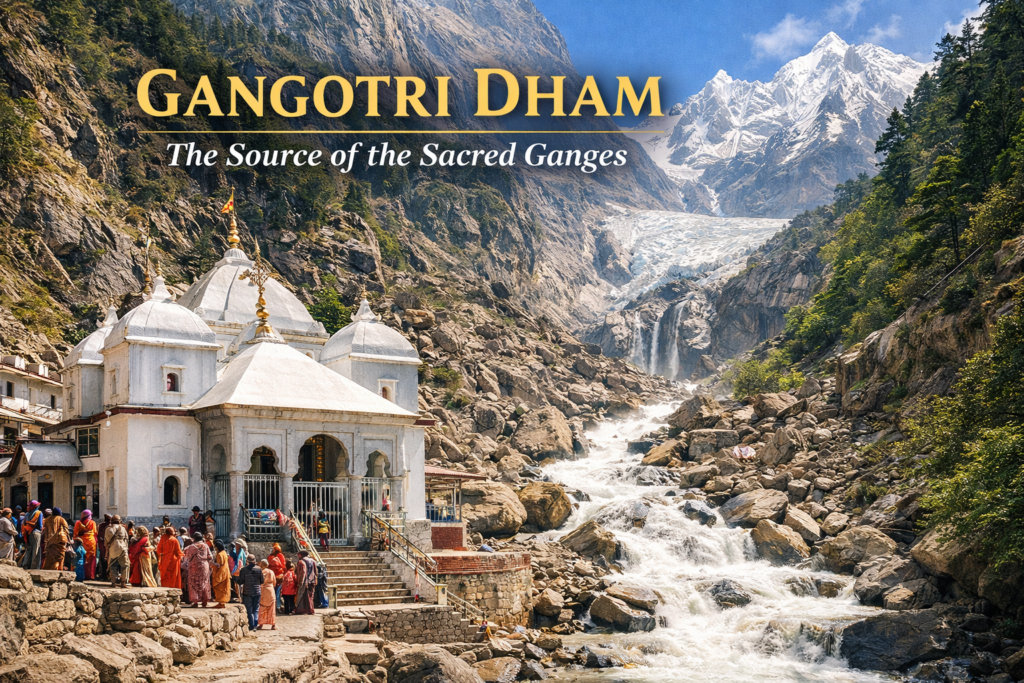
The impact of Gangotri extends beyond its geographical confines; it represents a spiritual journey for devotees. The quest to attain salvation and a purer existence is embodied in the act of visiting Gangotri. This pilgrimage is often seen as a cathartic process, facilitating a deeper connection to the divine and emphasizing the continuing relevance of the Ganges River in contemporary spiritual practices.
The Sanctity of Kedarnath: Lord Shiva’s Abode
Kedarnath, nestled in the majestic Himalayas, holds a revered position as one of the four sacred sites in the Char Dham pilgrimage and is known as one of the twelve Jyotirlingas dedicated to Lord Shiva. This ancient temple, perched at an altitude of approximately 3,583 meters, has been a focal point for countless devotees seeking solace and spiritual enlightenment. The rich history of Kedarnath is intertwined with various mythological narratives that trace back to the epic Mahabharata, where it is believed that the Pandavas sought Lord Shiva’s blessings to atone for their sins.
According to local legends, the temple’s formation is said to be connected with a great tumultuous event during the time of the Kauravas and Pandavas. It is believed that after the Kurukshetra War, Lord Shiva disguised himself as a bull to evade the Pandavas’ search but ultimately allowed his holy body parts to manifest across different locations, with Kedarnath being home to his mystic form. Moreover, Kedarnath is not only significant for its religious implications but also features prominently in various historical texts, including the Skanda Purana, which emphasizes the enduring importance of this sacred site.
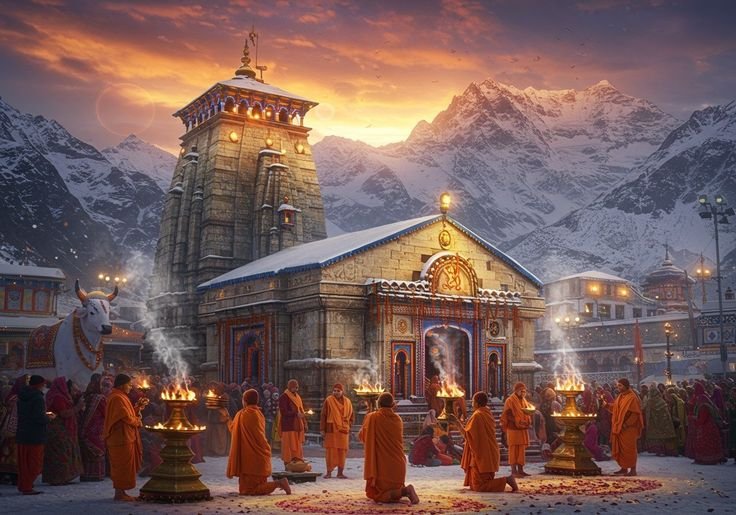
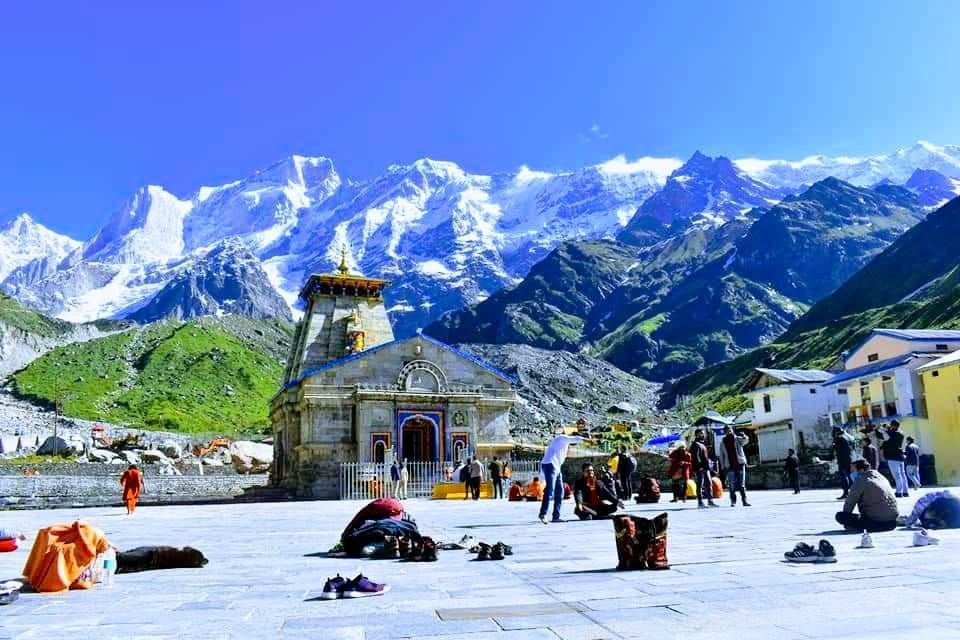
The temple itself, rebuilt numerous times over centuries, stands as a testament to the indomitable faith of Hindus. Its architecture reflects the influence of the local culture, further enriching its historical tapestry. Kedarnath continues to play a vital role in contemporary Hindu practices, drawing thousands of pilgrims each year who come to offer their prayers and partake in collective rituals. The site serves to bridge the past with the present, ensuring that the legacy of the temple endures while its spirit continues to inspire devotion among adherents of Hinduism.
Badrinath: The Eternal Reside of Lord Vishnu
Badrinath is one of the most revered pilgrimage sites in India, serving as an eternal abode of Lord Vishnu. Located in the picturesque Garhwal region of Uttarakhand, this temple holds a prominent place among the Char Dham, attracting devotees from across the globe. The historical significance of Badrinath can be traced back to ancient scriptures, particularly the Puranas, where Lord Vishnu is depicted as having meditated in a serene environment, enveloped by the majestic mountains.
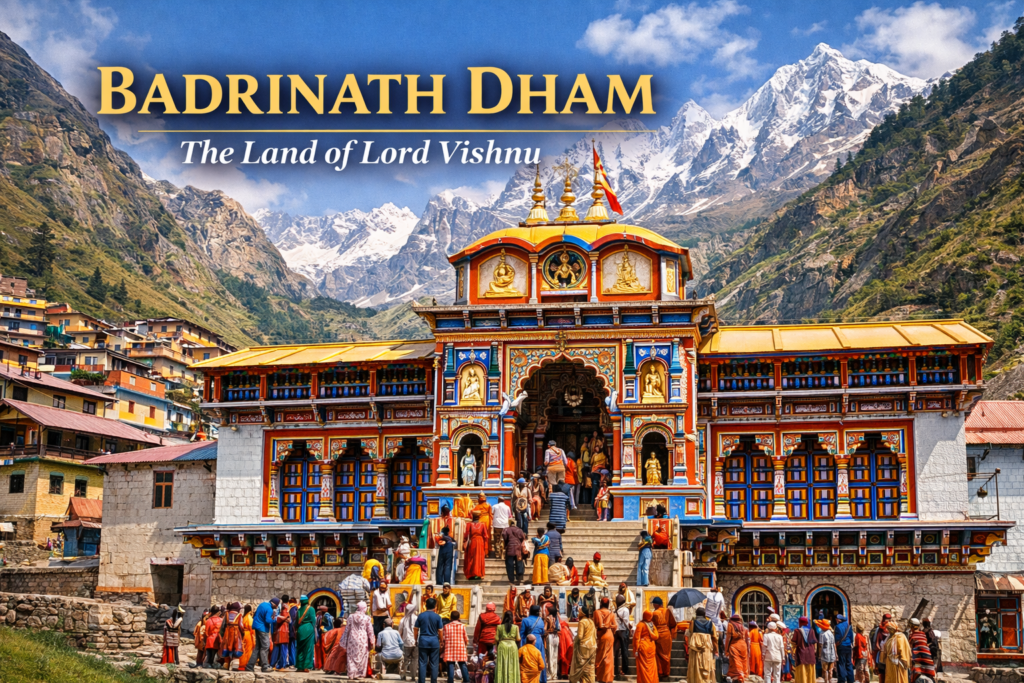
According to Hindu mythology, it is believed that the idol of Lord Vishnu in Badrinath was discovered by the legendary sage Adi Shankaracharya in the 8th century. This eminent philosopher and saint played a pivotal role in reviving the significance of this sacred site, establishing the temple as a prominent place of worship.
The architecture of the temple itself is noteworthy, showcasing exquisite craftsmanship reflective of ancient Indian temple designs. The temple is adorned with intricate carvings and sculptures that depict various deities and scenes from mythology, making it a marvel of artistic expression.
The unique blend of historical events and religious traditions surrounding Badrinath enhances its spiritual aura, making it a timeless destination for pilgrims. The importance of Badrinath extends beyond its physical existence, representing a divine space where followers experience a profound connection with the eternal presence of Lord Vishnu and the transformative power of spirituality.
The Pilgrimage Experience: Journeying through Char Dham
Embarking on the pilgrimage to Char Dham is a profound spiritual endeavor undertaken by countless devotees each year. Char Dham, which translates to “four abodes,” consists of the sacred sites of Yamunotri, Gangotri, Kedarnath, and Badrinath. This journey typically begins in the town of Haridwar, a significant starting point for many pilgrims. From Haridwar, pilgrims travel to Yamunotri, the first of the four shrines, which is dedicated to the goddess Yamuna.
The path to each shrine is dotted with breathtaking landscapes, challenging terrains, and the spiritual fervor of fellow pilgrims. The journey often involves long treks through the majestic Himalayas, which can present numerous challenges such as steep ascents and unpredictable weather. Pilgrims must prepare adequately, both physically and mentally, to navigate these demanding conditions. Many choose to travel in groups, fostering a sense of community and support that is essential during difficult stretches of the journey.
At each shrine, traditional rituals and practices are integral to the pilgrimage experience. For instance, at Yamunotri, pilgrims perform the ritual of taking a holy dip in the river, seeking purification and blessings. Similarly, at Gangotri, devotees pay homage by offering prayers and performing ceremonial ablutions in the waters of the Ganges. The Kedarnath temple, set against stunning backdrops, is known for its nightly aarti, a divine ritual involving the chanting of hymns and the offering of lights to Lord Shiva. Lastly, at Badrinath, the culmination of the journey, pilgrims often engage in rituals reflecting devotion and reverence to Lord Vishnu.
This sacred quest embodies much more than reaching the physical destinations; it encapsulates a spiritual awakening that strengthens one’s faith. Each step taken on this journey reflects dedication to the divine and highlights the communal spirit that unites all who partake in this revered pilgrimage.
Spiritual Significance: Discovering Divine Connection
The Char Dham pilgrimage, encompassing the revered sites of Badrinath, Kedarnath, Gangotri, and Yamunotri, holds immense spiritual significance for devotees. Each location is imbued with profound energy that connects pilgrims to the transcendent. Visiting these sacred shrines is not merely a physical journey; it is a transformative experience that facilitates deep self-discovery and personal growth.
At the heart of this pilgrimage is the pursuit of moksha, or liberation from the cycle of birth and death. Hindus believe that undertaking this sacred journey can absolve one of sins and grant eternal peace. By engaging with the divine in these serene environments, pilgrims often find clarity in their lives, allowing for the release of worldly attachments. The rituals performed at each site, such as bathing in the holy rivers or participating in prayers, serve as methods of purifying the mind and enhancing one’s spiritual awareness.
The elements of nature surrounding Char Dham further amplify its significance, with the majestic mountains and flowing rivers representing the divine essence of creation. This communion with nature fosters a sense of inner tranquility and connection to a higher power. Consequently, the pilgrimage acts as a catalyst for individuals seeking enlightenment, enabling them to reflect on their life’s purpose and achieve a deeper understanding of their existence.
Moreover, the Char Dham experience is communal, bringing together diverse groups from various backgrounds. This shared devotion strengthens bonds among participants, fostering a collective spiritual journey that deepens the understanding of faith. The act of pilgrimage, therefore, is not solely for individual attainment but is also a shared endeavor, creating a tapestry of collective spirituality, centuries-old traditions, and cultural unity.
Exploring the Char Dhams of India: A Guide to Bada Char Dham and Chota Char Dham
The term “Char Dham” translates to “four abodes” and holds immense significance in Hindu culture. It is a pilgrimage concept characterized by the worship of four sacred places, which attract millions of devotees seeking spiritual enlightenment and divine blessings. The Char Dham primarily comprises two groups: Bada Char Dham and Chota Char Dham, each encompassing distinct pilgrimage sites with rich historical and religious narratives.
Bada Char Dham consists of four renowned pilgrimage sites, including Yamunotri, Gangotri, Kedarnath, and Badrinath. These locations, nestled in the majestic Himalayas of Uttarakhand, are believed to embody the manifestation of gods within nature. Pilgrims often commence their journey at Yamunotri, dedicated to Goddess Yamuna, followed by Gangotri, where the river Ganges originates. The pilgrimage continues to Kedarnath, which houses one of the twelve Jyotirlingas of Lord Shiva, and concludes at Badrinath, dedicated to Lord Vishnu. Each of these sites offers not only spiritual solace but also breathtaking natural beauty, contributing to their sacred status.
In contrast, Chota Char Dham, which also belongs to Uttarakhand, features four important shrines: Yamunotri, Gangotri, Kedarnath, and Badrinath. Although it shares the same names as the Bada Char Dham sites, the term “Chota” indicates their relatively smaller pilgrimage circuit. These Dhams serve as vital pilgrimage sites due to their accessibility and are often frequented by devotees who may have logistical constraints for visiting the larger Bada Char Dham circuit.
Across India, the significance of Char Dhams extends beyond the locales within Uttarakhand, as numerous other temples and locations are revered in similar contexts. This extensive network of pilgrimage sites underscores the profound spirituality and diverse cultural landscape emblematic of Hindu traditions.
Location and Best Time to Visit the Char Dhams
The Char Dhams of India, comprising Yamunotri, Gangotri, Kedarnath, and Badrinath in the larger Bada Char Dham pilgrimage, and Yamunotri, Gangotri, Kedarnath, and Badrinath, are not only of immense religious significance but also boast picturesque locations. Nestled in the majestic Himalayas, these sites offer breathtaking views and a unique travel experience.
Yamunotri, located in Uttarkashi district, is the westernmost Dham and the source of the Yamuna River. It can be accessed via a 13 km trek from the nearest motorable road at Janki Chatti. Gangotri, situated a further 24 km upstream from Yamunotri, serves as the origin of the sacred Ganges River, and the nearest road head is at Gangotri itself. Travel from Rishikesh or Uttarkashi is common, with Rishikesh being about 250 km away from Gangotri.
Kedarnath, lying at an altitude of 3,583 meters, is accessible from Gaurikund by a trek of approximately 16 km, with road connectivity available from Rishikesh. The Kedarnath Temple, dedicated to Lord Shiva, sees a lot of pilgrims throughout the year. Badrinath, the final Dham, is approximately 45 km from Kedarnath and is also accessible via road from Joshimath.
The best time to visit these Char Dhams generally spans from late April to early November. The pilgrimage season sees the temples open in May and close around the time of Diwali, making this period the peak time for devotees. Weather conditions can vary; thus, it is advisable to plan travel considering the heavy rains during the monsoon, especially in July and August, which can cause landslides in the region. Festivals during this time, such as Janmashtami and Navratri, also attract a significant number of visitors, enhancing the sacred atmosphere of the journey.
The Distinction Between Bada Char Dham and Chota Char Dham
India’s Char Dham pilgrimage is an integral part of the spiritual journey for millions, comprising the Bada Char Dham and the Chota Char Dham. Each of these sets of sacred sites has distinctive features that cater to different spiritual experiences and levels of adventure. Understanding the key differences between Bada Char Dham and Chota Char Dham is essential for travelers seeking a fulfilling pilgrimage.
Bada Char Dham includes the four revered shrines of Yamunotri, Gangotri, Kedarnath, and Badrinath. Nestled in the Garhwal region of Uttarakhand, these sites hold historical and mythological significance. Pilgrims visit Bada Char Dham to seek blessings from the deities, partake in elaborate rituals, and experience the natural beauty of the Himalayas. The trek to Kedarnath, for instance, is famous among adventure enthusiasts, while Badrinath is recognized for its spiritual ambiance and cultural heritage.
On the other hand, Chota Char Dham consists of Yamunotri, Gangotri, Kedarnath, and Badrinath as well; however, it is often considered more accessible and manageable for pilgrims. While both Dhams share the same principal sites, Chota Char Dham is tailored for those who may have time constraints or seek a shorter pilgrimage experience. It emphasizes convenience without sacrificing the spiritual essence that each shrine encapsulates. The routes to Chota Char Dham are sometimes less challenging, making it a suitable option for families and elderly pilgrims.
In conclusion, the choice between Bada Char Dham and Chota Char Dham ultimately depends on individual pilgrimage goals. Whether seeking an adventurous trek or a condensed spiritual journey, each provides a unique experience, guiding pilgrims on their spiritual endeavors in the heart of the Himalayas.
Which Char Dham to Visit First?
Choosing between Bada Char Dham and Chota Char Dham can be a deciding factor in planning an enriching spiritual journey in India. Factors such as travel duration, physical fitness levels, personal beliefs, and accessibility should all play a crucial role in this decision-making process.
Bada Char Dham, which encompasses Kedarnath, Badrinath, Gangotri, and Yamunotri, tends to offer a more extensive pilgrimage experience characterized by its significant spiritual heritage. However, the terrain can be challenging, requiring a good level of physical fitness. For those who are looking for a more rugged and adventurous pilgrimage, starting with the Bada Char Dham is suitable, as it tends to take longer to complete due to travel times and the physical demands of reaching each site.
On the other hand, Chota Char Dham, which consists of Yamunotri, Gangotri, Kedarnath, and Badrinath, is often recommended for travelers looking for a shorter trip. The routes to these temples are relatively more accessible, making it an excellent option for families, elderly travelers, or those with limited time. If you are exploring spiritual significance but wish to do so in a more manageable way, then perhaps starting with the Chota Char Dham would be preferable.
Ultimately, the choice hinges on personal preferences, including one’s physical capability and spiritual motivations. Pilgrims seeking adventure and a more rigorous pilgrimage might opt for Bada Char Dham. In contrast, those desiring a less strenuous journey that still encapsulates spiritual significance might favor Chota Char Dham. Regardless of where you choose to begin, each Dham offers a unique experience, rich in culture and spirituality, making any choice worthwhile.
Table of Contents
Conclusion: The Enduring Legacy of Char Dham
The Char Dham pilgrimage, comprising Yamunotri, Gangotri, Kedarnath, and Badrinath, holds profound historical and spiritual significance within the context of Hinduism. These sacred sites are not merely destinations but revered places where millions have embarked on a quest for spiritual enlightenment and divine connection. Each site narrates unique legends and embodies core tenets of Hindu philosophy, illustrating their long-standing importance in the religious landscape of India.
The Char Dham’s historical roots can be traced back to various ancient scriptures and texts, reaffirming its stature as a vital pilgrimage route. Pilgrims travel here to seek blessings, reflect on their spiritual journeys, and cleanse their souls, a practice steeped in tradition. The rich heritage of these sites extends to the artisanship seen in their temples and the natural beauty surrounding them, which together create an atmosphere conducive to spiritual reflection and reverence.
As a pilgrimage, Char Dham inspires countless devotees every year, weaving a tapestry of faith, devotion, and personal transformation. The journey undertaken by pilgrims symbolizes the transition from the material to the spiritual realm, which is integral to Hindu practices. Furthermore, the growing interest in these sites among international visitors highlights their universal appeal, bridging cultures and fostering a deeper understanding of Hindu spirituality.
In conclusion, the enduring legacy of Char Dham is characterized by its capacity to inspire and transform lives through spiritual pursuits. With a profound historical context and continued relevance in the lives of devotees, these sacred sites will likely withstand the test of time, remaining pivotal in the collective spiritual journey of countless individuals seeking connection with the divine.