

Amarnath Yatra is one of the most sacred Hindu pilgrimages, attracting thousands of devotees who seek the blessings of Lord Shiva at the holy Amarnath Cave in Jammu and Kashmir. Nestled at an altitude of about 3,888 meters, the cave is famous for its naturally formed ice Shivling, which holds immense spiritual significance. This complete Amarnath Yatra 2026 guide by Seven Sands Tourism covers everything pilgrims need to know, including registration, helicopter booking, Baltal and Pahalgam routes, travel costs, accommodation, health tips, weather conditions, and essential packing advice. Whether you are a first-time pilgrim or a returning devotee, this guide will help you plan a safe, comfortable, and spiritually enriching journey to one of India’s most revered pilgrimage destinations.
Introduction to Amarnath Yatra
The Amarnath Yatra is an annual pilgrimage that draws millions of devotees from across the globe to the revered Amarnath cave, located in the Indian state of Jammu and Kashmir. This journey holds immense spiritual significance as it is believed to be the abode of Lord Shiva, where he revealed the secret of immortality to his consort, Parvati. The Amarnath cave houses an ice Shiva Linga, which is formed naturally by the freezing of water, making it a remarkable natural phenomenon that captivates the hearts of pilgrims.
Every summer, usually from July to August, devotees undertake this arduous trek to experience the divine atmosphere and seek blessings, making it one of the most celebrated pilgrimages in Hinduism. The Yatra typically lasts for about 40 days and involves two main trekking routes: the traditional route from Pahalgam and the shorter, but steep, route from Sonamarg. Both routes offer breathtaking views of the majestic Himalayas, adding to the overall pilgrimage experience.
The significance of the Amarnath Yatra cannot be overstated; for many, it represents a journey of faith, devotion, and self-discovery. Pilgrims engage in various rituals during this time, including chanting mantras, offering prayers, and participating in community service, which fosters a sense of unity among participants. Moreover, the pilgrimage serves not only as a spiritual journey but also as an opportunity for individuals to connect with nature and embrace the serenity of the mountainous landscape. As the Yatra approaches in 2026, this guide will delve deeper into the history, requirements, and transformative experiences that await participants on this iconic spiritual expedition.

Complete Travel Guide by Seven Sands Tourism Kashmir is not just a destination; it is a divine experience that touches…
Historical and Spiritual Significance
The Amarnath Yatra is not merely a pilgrimage; it is a journey steeped in rich historical and spiritual significance that traces back centuries. This revered pilgrimage is believed to be one of the oldest in Hindu tradition, with roots embedded deep within Hindu mythology. According to popular belief, it is said that the cave housing the ice Shiva Lingam was discovered by a shepherd named Buta Malik in the 19th century. The legend narrates that he found a bag of coins and upon returning it to a mysterious figure, he was guided to this sacred site, thus marking the beginning of the pilgrimage’s prominence.
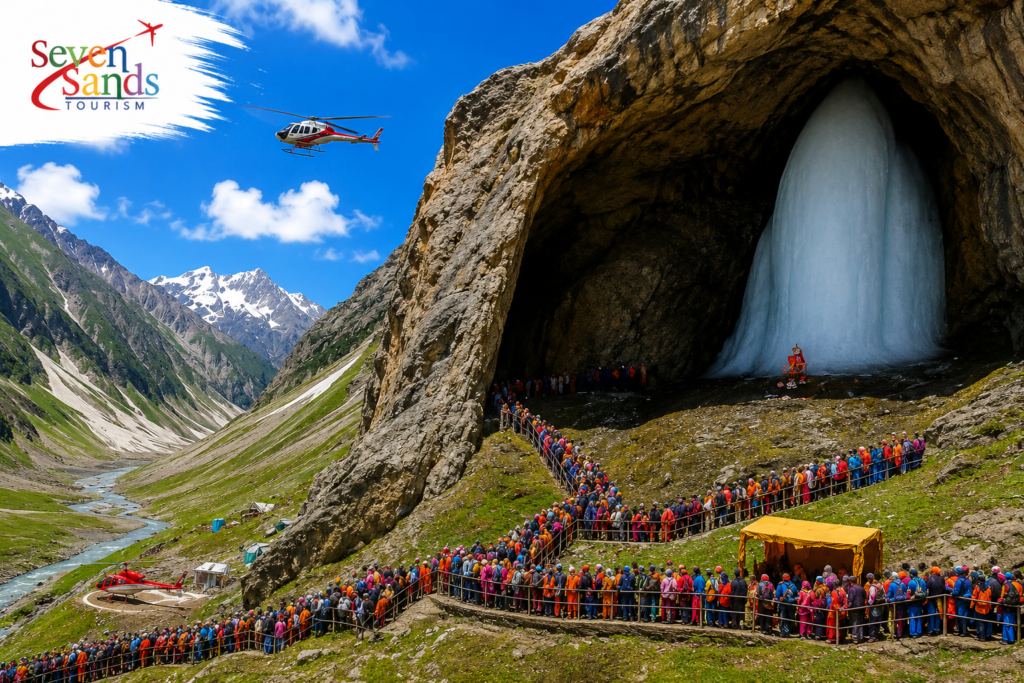
The pilgrimage is intricately tied to the mythology surrounding Lord Shiva, one of the principal deities in Hinduism. Devotees believe that the Amarnath cave, situated at an altitude of approximately 3,888 meters in Jammu and Kashmir, serves as the sacred site where Lord Shiva imparted the secrets of immortality to Goddess Parvati. This compelling narrative amplifies the emotional and spiritual connection that pilgrims feel as they embark on the journey, viewing it as not only a physical trek but as an endeavor to deepen their ties with the divine.
At the heart of the Amarnath Yatra is the ice Shiva Lingam that forms naturally every year. This majestic ice formation, which signifies the presence of Lord Shiva, attracts thousands of devotees who undertake the pilgrimage to pay homage. The ice Lingam symbolizes purity, spirituality, and the eternal bond between humanity and the divine. The yearly appearance of this extraordinary phenomenon fuels the spiritual fervor and brings together devotees from all over the globe, reinforcing the Yatra’s significance as one of the most crucial spiritual endeavors in Hindu practice.
Mythology of the Amarnath Cave
The Amarnath Cave, revered as a significant pilgrimage site, is steeped in ancient mythology that deeply resonates with devotees of Lord Shiva. This sacred location is intrinsically linked to a captivating legend involving Lord Shiva and His consort, Goddess Parvati. According to the narrative, the cave is the very site where Lord Shiva disclosed the secrets of immortality to Goddess Parvati, thus outlining the essence of life and the universe. This revelation is said to have taken place in this serene and secluded cave, shielded from the world, symbolizing the privacy of divine wisdom.
As the story unfolds, it is believed that the ice Shiva Lingam, which is the focal point of worship within the Amarnath Cave, signifies Lord Shiva’s energy and presence. The formation of this natural ice Shiva Lingam is thought to be a consequence of the cave’s unique climatic conditions, wherein water drips from the ceiling, freezing and creating this magnificent representation of Shiva. This natural phenomenon occurs annually and enhances the spiritual ambiance surrounding the cave, drawing thousands of pilgrims each year.
The significance of the Amarnath Cave transcends mere physical existence; it plays a vital role in the spiritual landscape of Hindu beliefs. The pilgrimage is not solely an act of devotion but is viewed as a quest for self-realization and enlightenment. It serves as a reminder of the transient nature of life and the quest for eternal truth. The tales of Lord Shiva revealing the path to immortality encourage devotees to embark on this arduous pilgrimage, seeking divine blessings and the profound teachings associated with the cave’s sacred lore. This intertwining of mythology and spirituality is what makes the Amarnath Yatra a cherished and revered pilgrimage.
Details of Amarnath Yatra 2026
The Amarnath Yatra in 2026 is scheduled to take place from June 30 to August 12. This annual pilgrimage attracts thousands of devotees to the Amarnath cave, which is renowned for its naturally occurring ice Shiva Lingam. The cave is situated in the picturesque Himalayas of Jammu and Kashmir, approximately 46 kilometers from the town of Pahalgam, making it accessible through two primary trekking routes: Pahalgam and Baltal.
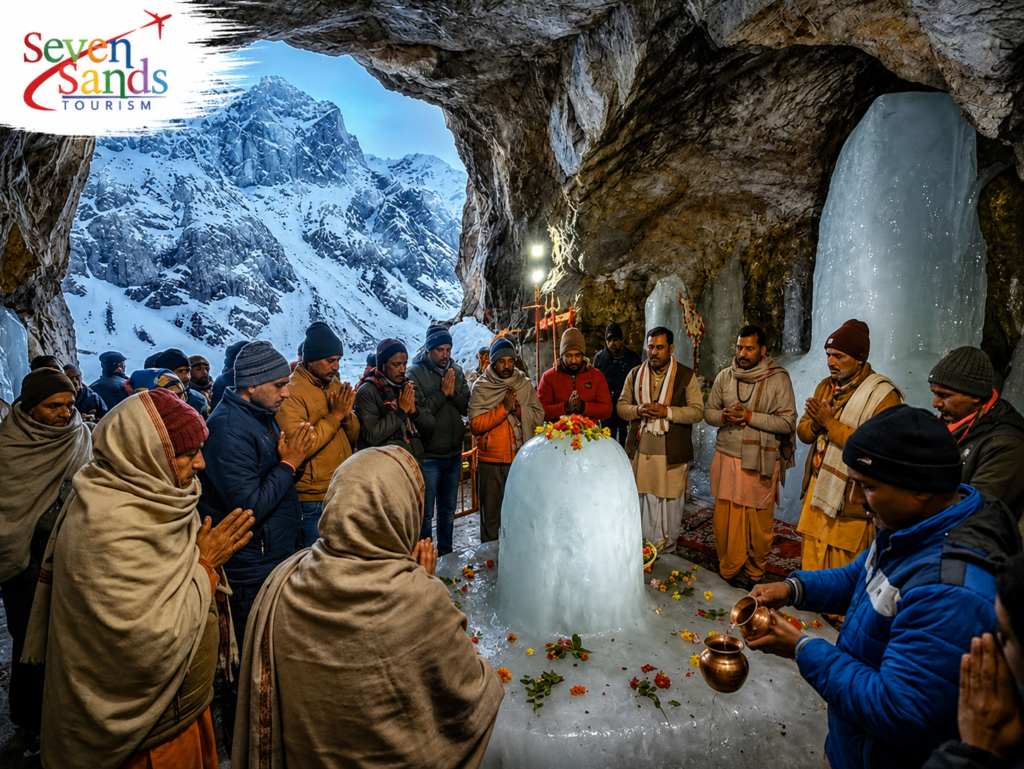
The Amarnath cave itself is located at an altitude of about 3,888 meters (12,726 feet) above sea level. This elevation contributes to the spectacular views but also implies the need for trekkers to be cautious about altitude sickness. It is advisable for pilgrims to acclimatize properly before embarking on the trek. Furthermore, the physical demands of the journey necessitate adequate preparation, including proper gear and physical fitness.
Weather conditions during the Yatra can be unpredictable. Typically, temperatures during the daytime range between 10°C to 20°C, while nights can be considerably cooler, often dipping below 5°C. Visitors should be prepared for occasional rainfall, particularly in July. The best time to undertake the Yatra is during the peak summer months of July and early August when weather conditions are relatively stable. However, it is essential to monitor weather updates before and during the pilgrimage.
Travelers planning their visit should also consider local accommodations and the best travel routes well in advance. Due to the popularity of the Yatra, booking arrangements early is advisable. Participation in the Amarnath Yatra not only offers spiritual enrichment but also provides a chance to witness breathtaking natural beauty, making it a memorable experience for devotees and tourists alike.
Registration and Medical Requirements
The Amarnath Yatra is a revered pilgrimage that attracts thousands each year. Registration for this important journey is a crucial step for all pilgrims. The process for registration can be done online, providing a seamless approach for devotees. To initiate the registration, pilgrims must first visit the official website designated for the Yatra. Essential documents required include a valid ID proof, such as an Aadhar card, Voter ID, or Passport, alongside two passport-sized photographs. Additionally, pilgrims must complete the registration form, which requires personal details and contact information.
It is essential for pilgrims to adhere to important deadlines set by the authorities. Typically, the registration process opens several weeks prior to the commencement of the Yatra and closes days before the pilgrimage begins. Therefore, prospective pilgrims are advised to register promptly to secure their participation. The authorities may also set limits on the number of pilgrims allowed each day, emphasizing the need for timely registration.
Beyond registration, there are significant medical requirements that must be met to ensure the safety and health of all participants. Pilgrims are recommended to undergo a thorough medical check-up ahead of time, including evaluations for pre-existing medical conditions such as heart diseases, asthma, or other ailments. This health check is vital given the strenuous nature of the Yatra, which involves trekking at high altitudes.
Moreover, the authorities advise that pilgrims carry necessary medications for pre-existing conditions and should be fully aware of potential altitude sickness symptoms. Staying hydrated and maintaining physical preparedness is emphasized to ensure a safe and enjoyable pilgrimage. By complying with these registration and medical guidelines, pilgrims can enhance their experience and pay their respects at the sacred Amarnath Cave safely.

Trekking Routes: Pahalgam vs Baltal
The Amarnath Yatra is a revered pilgrimage that draws thousands of devotees each year. Two main trekking routes lead to the sacred Amarnath cave: Pahalgam and Baltal. Each route offers unique challenges and breathtaking scenery, making it essential for pilgrims to choose the route that best suits their preferences.
The Pahalgam route is considered the traditional approach to the Amarnath cave and spans approximately 45 kilometers. This path provides trekkers with varied landscapes, including enchanting forests, meadows, and crystal-clear rivers. Additionally, pilgrims are treated to stunning views of the surrounding mountains, which adds to the spiritual experience. However, the route can be challenging, particularly in certain stretches, and it generally takes three days to complete. Pilgrims should be prepared for steep inclines and varying weather conditions. Proper trekking gear, including sturdy shoes, suitable clothing, and essential supplies such as water and snacks, is crucial for a successful journey.
In contrast, the Baltal route is shorter, at around 14 kilometers, and is known for its steep ascent. Although it takes a single day to reach the Amarnath cave from Baltal, the trek is more physically demanding. Pilgrims opting for this route can enjoy picturesque views of the lush valley and snow-capped peaks; however, they should anticipate a more strenuous trek that requires good physical fitness. As this route is more direct, it attracts those who may have limited time or prefer a quicker pilgrimage experience.
Ultimately, the decision between Pahalgam and Baltal depends on personal preferences, physical condition, and time availability. Both routes offer unique experiences that enhance the overall pilgrimage, and pilgrims are encouraged to plan accordingly to ensure a fulfilling journey towards the Amarnath cave.
Accommodation and Transportation Options
The Amarnath Yatra attracts thousands of pilgrims each year, necessitating a diverse array of accommodation options for those embarking on this sacred journey. Base camps, primarily in Jammu and near the trek starting points like Pahalgam and Sonamarg, offer comfortable lodging ranging from tents to guesthouses. Pilgrims can choose from various facilities, including shared and private accommodations, ensuring that options are available for different budgets. In addition to the base camps, some hotels and lodges in Pahalgam and Sonamarg provide additional amenities and proximity to the lush valleys and scenic landscapes of the region.
Transportation to the Amarnath Yatra is crucial for a smooth pilgrimage. The nearest major airport is in Jammu, where travelers can find taxis and buses connecting them to various towns such as Pahalgam and Sonamarg. From these towns, dedicated transport services are available to take pilgrims to the trek’s starting point. Additionally, many tour operators offer complete packages that include transportation arrangements, simplifying the travel process. It is vital to book transportation ahead of time, especially during peak pilgrimage seasons, to avoid last-minute hassles.
Given the challenging terrain and unpredictable weather conditions, planning ahead is crucial for a successful pilgrimage. Pilgrims are recommended to check with reliable travel agencies, such as Seven Sands Tourism, which specialize in arranging both travel and accommodation for the Yatra. Proper arrangements not only ensure convenience but also enhance the overall experience of the Amarnath Yatra, allowing pilgrims to focus on their spiritual journey without the stress of logistical issues.
Nearby Attractions and Tourist Information
Visitors embarking on the Amarnath Yatra are typically drawn to the breathtaking landscapes and rich cultural heritage of the region surrounding the pilgrimage site. Among the must-visit attractions is Srinagar, the summer capital of Jammu and Kashmir. Famous for its picturesque gardens and the enchanting Dal Lake, Srinagar offers travelers a unique experience with its houseboats and Shikara rides. Pilgrims can explore the vibrant local markets, where they can find traditional handicrafts and Kashmiri cuisine.
Another gem in close proximity to Amarnath is Sonmarg, often referred to as the “Meadow of Gold.” This stunning valley is renowned for its lush green meadows, towering mountains, and the Sarbal River, which adds to its natural charm. Adventurers can also partake in trekking and horse riding activities to explore the Thajiwas Glacier, making it an ideal destination for those seeking outdoor experiences.
The Shankaracharya Temple is another significant attraction located atop the Shankaracharya hill in Srinagar. It is dedicated to Lord Shiva and offers panoramic views of the city and Dal Lake. The temple’s ancient architecture and serene ambiance provide a spiritual retreat for visitors.
No visit to the region would be complete without wandering through the famous Mughal Gardens, namely Shalimar Bagh, Nishat Bagh, and Chashme Shahi. These historical gardens are known for their exquisite layout, terraced lawns, and vibrant landscapes. Each garden reflects the grandeur of Mughal architecture and is an ideal spot for relaxation amid the natural beauty of Kashmir.
In conclusion, the attractions surrounding Amarnath not only enhance the pilgrimage experience but also provide invaluable insights into the cultural and historical richness of Kashmir. Pilgrims and tourists alike can find ample opportunities for exploration and reflection in this captivating region.
Health, Safety Tips, and Packing Checklist
The Amarnath Yatra is a significant pilgrimage for many, requiring careful preparation for health and safety to ensure a smooth journey. As pilgrims set out on this challenging trek, it is crucial to prioritize their well-being.
Firstly, maintaining physical fitness prior to the yatra is essential. A condition that supports stamina and reduces the risk of altitude sickness should be achieved through regular exercise, including walking and hiking. It is advisable for pilgrims with health issues to consult with a healthcare provider before the trip and getting periodic health check-ups during the preparation phase.

To mitigate the risk of altitude sickness, acclimatization is vital. Pilgrims need to take breaks, stay hydrated, and consume nutritious meals to support their energy levels. It is also advisable to carry medications such as altitude sickness tablets and pain relievers, as acclimatization can vary. Basic first aid kits can provide necessary support for minor injuries or ailments.
Safety should also be a priority during the trek. Travelers are encouraged to follow designated trails and avoid wandering into risky areas, particularly those prone to landslides. Night trekking is discouraged, and pilgrims should plan their daily routes to ensure return to base camps by sunset. Furthermore, pilgrims are reminded to travel in groups, as there’s safety in numbers.
It is just as essential to pack wisely for this demanding pilgrimage. A comprehensive packing checklist includes:
- Comfortable hiking shoes
- Warm clothing layers (thermal wear, jackets)
- Rain gear (ponchos or waterproof jackets)
- Personal toiletries and sanitation supplies
- Reusable water bottle
- Snacks like energy bars and fruits
- Basic first-aid kit
- Sun protection (sunglasses, sunscreen)
- Portable power banks for charging devices
By adhering to these health and safety tips and using the checklist, pilgrims can prepare for an enriched and fulfilling experience during the Amarnath Yatra.
Conclusion and Call to Action
The Amarnath Yatra represents a profound spiritual journey that transcends mere pilgrimage. The experience of visiting the sacred Amarnath Cave, coupled with the opportunity to reflect on one’s beliefs amidst the stunning natural beauty of Jammu and Kashmir, fosters a deep sense of connection to one’s spirituality. For many devotees, the Yatra is not just a physical endeavor; it is a transformation of the soul, allowing individuals to gain insights, explore their faith, and rejuvenate their spirits.
As the Amarnath Yatra approaches in 2026, it is essential for pilgrims to prepare adequately for this incredible journey. Planning ahead can significantly enhance your experience, ensuring that you make the most out of this spiritual expedition. Seven Sands Tourism offers a variety of pilgrimage packages tailored to meet the diverse needs of devotees. Their expert team facilitates a hassle-free journey, providing services such as guided tours, accommodation arrangements, and transportation, which are crucial for navigating the demanding routes of the Yatra.
Booking with Seven Sands Tourism not only ensures you have a well-organized travel plan but also allows you to focus on the spiritual significance of the Amarnath Yatra without the added stress of planning logistically. They strive to ensure every aspect of your journey is taken care of, from the moment you book your package to the completion of your pilgrimage. Do not miss the opportunity to embark on this life-changing adventure. Consider reserving your spot with Seven Sands Tourism today and embrace the spiritual awakening that awaits you at Amarnath.
Table of Contents
Frequently Asked Questions (FAQs)
What is the best time to visit Amarnath Cave in 2026?
The best time to visit Amarnath Cave in 2026 is during the official Amarnath Yatra season, usually from June to August. During this period, the weather is comparatively favorable, and pilgrims can comfortably undertake the sacred journey. Seven Sands Tourism offers well-planned Amarnath Yatra packages during the pilgrimage season.
How can I register for Amarnath Yatra 2026?
Pilgrims can register for Amarnath Yatra 2026 through authorized bank branches or the official registration portal after obtaining a compulsory health certificate. Seven Sands Tourism can assist travelers with guidance on registration procedures and travel planning.
Which route is better for Amarnath Yatra: Baltal or Pahalgam?
The Baltal route is shorter and suitable for pilgrims seeking a quicker trek, while the Pahalgam route is longer but offers scenic views and a gradual ascent. Seven Sands Tourism helps pilgrims choose the most suitable route based on their fitness level and travel preferences.
Is helicopter service available for Amarnath Yatra 2026?
Yes, helicopter services are available from Baltal and Pahalgam sectors during the Amarnath Yatra season. These services are especially helpful for senior citizens and pilgrims with limited trekking ability. Seven Sands Tourism can help travelers plan their pilgrimage itinerary efficiently.
What documents are required for Amarnath Yatra registration?
Pilgrims generally need a valid photo ID, passport-size photographs, and a compulsory health certificate issued by an authorized medical practitioner. Seven Sands Tourism recommends completing all documentation well in advance of the journey.
How much does an Amarnath Yatra package cost in 2026?
The cost of an Amarnath Yatra package in 2026 depends on transportation, accommodation, helicopter services, and itinerary inclusions. Seven Sands Tourism offers customized pilgrimage packages designed for families, groups, and senior citizens.
What should pilgrims pack for the Amarnath Yatra?
Pilgrims should carry warm clothing, waterproof jackets, trekking shoes, personal medicines, identity documents, rain protection, and essential travel accessories. Seven Sands Tourism provides detailed packing guidance to ensure a safe and comfortable pilgrimage experience.
Why choose Seven Sands Tourism for Amarnath Yatra 2026?
Seven Sands Tourism offers complete pilgrimage support, including flight bookings, accommodation arrangements, transportation, itinerary planning, and dedicated customer assistance. Their professionally managed packages help pilgrims enjoy a hassle-free and spiritually fulfilling Amarnath Yatra experience.