

The sacred city of Puri in Odisha stands as one of the four cardinal pilgrimage sites (Char Dham) of Hinduism. Home to the legendary 12th-century shrine of Mahaprabhu Jagannath, Balabhadra, and Devi Subhadra, the Shree Jagannath Temple (Srimandir) commands unmatched devotion.
The Shree Jagannath Temple Administration (SJTA) enforces a strict puri jagannath temple dress code to preserve the spiritual sanctity, ancient rituals, and traditional atmosphere of the complex. Devotees failing to comply are turned away at the gates by police personnel and temple servitors (Pratiharis).
Planning a visit to Srimandir or exploring regional sanctuaries like the puri jagannath temple hyd (Banjara Hills, Hyderabad) requires understanding the exact attire guidelines, banned materials, security checkpoints, and seasonal wear.
What is the official Puri Jagannath Temple dress code?
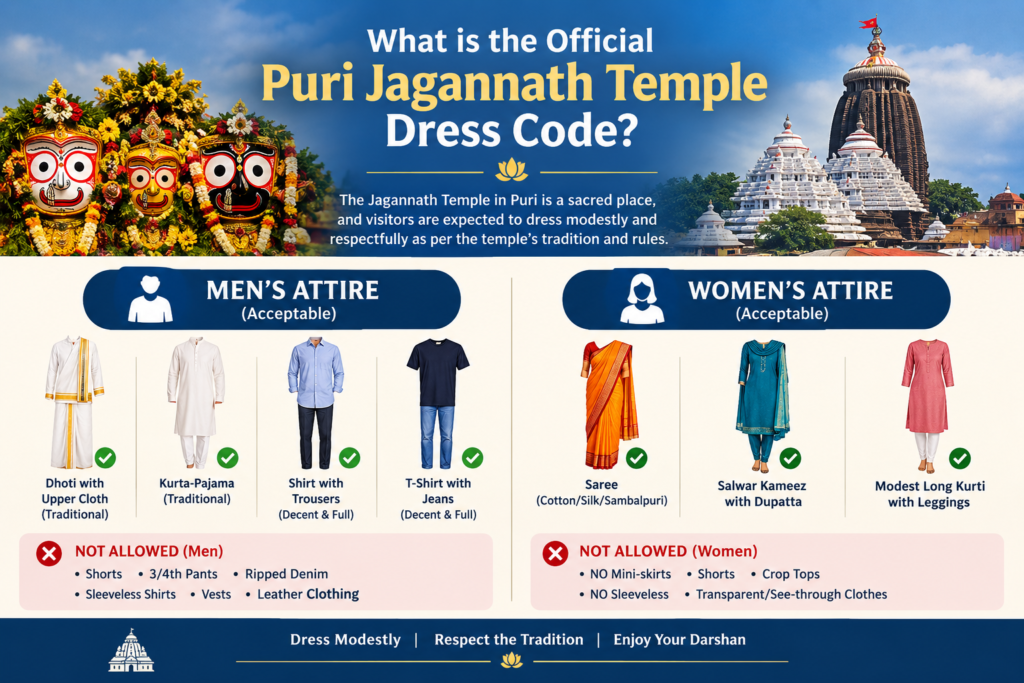
Snippet Layer: The official puri jagannath temple dress code mandates modest, traditional Indian attire. Men must wear dhotis, kurtas with pyjamas, or formal trousers with shirts. Women must wear sarees, salwar kameez with dupattas, or modest traditional wear. Shorts, ripped jeans, sleeveless tops, mini-skirts, and leather items are strictly prohibited.
The dress regulations at Puri Srimandir eliminate modern, casual Western wear that conflicts with the centuries-old ethos of traditional temple worship.
                  ┌─────────────────────────────────────────┐
                  │    SRIMANDIR ENTRY CLOTHING CHECK       │
                  └────────────────────┬────────────────────┘
                                       │
            ┌──────────────────────────┴──────────────────────────┐
            ▼                                                     ▼
     [ MEN'S ATTIRE ]                                     [ WOMEN'S ATTIRE ]
  • Dhoti-Kurta / Kurta-Pyjama                         • Saree (Cotton/Silk/Sambalpuri)
  • Formal Trousers + Shirt                            • Salwar Kameez with Dupatta
  • Angavastram / Uttariya                             • Modest Long Kurti with Leggings
  ❌ NO Shorts / 3/4ths / Ripped Denim                 ❌ NO Mini-skirts / Shorts / Crops
  ❌ NO Sleeveless / Vests / Leather                   ❌ NO Sleeveless / Transparent Fits
Detailed Dress Code for Men
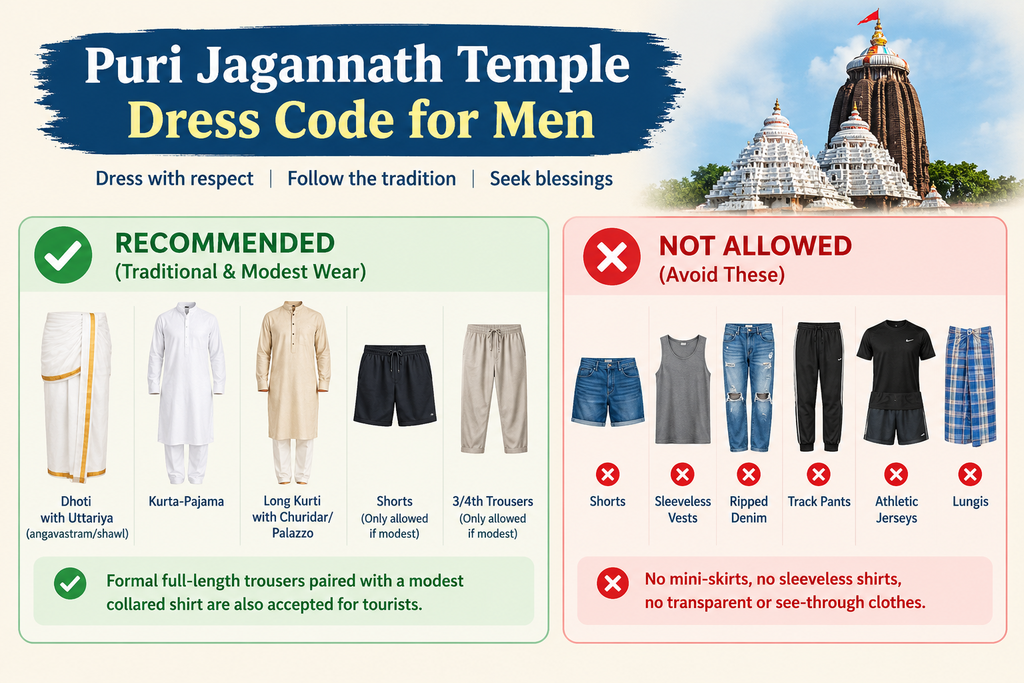
- Recommended: Traditional cotton or silk dhoti paired with a kurta or an uttariya (angavastram/shawl). Standard kurta-pyjama sets in breathable cotton are also permitted. Formal full-length trousers paired with a modest collared shirt are accepted for tourists, though traditional ethnic wear is preferred.
- Prohibited: Shorts, Bermudas, capris, 3/4th trousers, ripped or distress denim, track pants, athletic jerseys, lungis, and sleeveless undershirts.
Detailed Dress Code for Women
- Recommended: Traditional sarees (cotton, Sambalpuri, Bomkai, or silk), salwar kameez sets, and long ethnic tunics (kurtis) worn with full-length leggings, palazzos, or churidars. A dupatta or upper drape is mandatory to keep the chest and shoulders fully covered.
- Prohibited: Mini-skirts, short dresses, crop tops, deep-neck blouses, off-shoulder/sleeveless tops, ripped denim, body-hugging spandex gym wear, sheer or semi-transparent fabrics, and capris.

What are the complete clothing and entry rules at Srimandir?
| Category | Permitted / Recommended Attire | Strictly Prohibited Items & Styles |
| Men’s Attire | Dhoti-Kurta, Kurta-Pyjama, Full Trousers with Plain Shirt | Shorts, Cargo Pants, Bermudas, Ripped Jeans, Sleeveless Tops, Lungis |
| Women’s Attire | Traditional Sarees, Salwar Suits with Dupatta, Anarkalis | Short Skirts, Crop Tops, Sleeveless Tops, Torn/Low-waist Jeans, Ripped Jeans |
| Children’s Attire | Traditional ethnic wear, full-length pants, modest cotton sets | Western shorts, swimsuits, graphic sleeveless t-shirts |
| Accessories | Fabric pouches for prasad, cotton masks, prescription glasses | Leather belts, leather wallets, smartwatches, metal chains |
| Footwear | Barefoot inside; leave shoes at outer shoe stands (Juta Stand) | Any shoes, sandals, flip-flops, or socks beyond outer gates |
| Prohibited Gadgets | None (All electronic hardware strictly forbidden inside) | Smartphones, smart bands, cameras, earphones, power banks |
| Banned Substances | Pure temple offerings bought inside (Ananda Bazar Mahaprasad) | Gutkha, pan, tobacco, bidi, cigarettes, plastic carry bags, outside food |
How does the dress code at Puri Jagannath Temple HYD (Hyderabad) compare?
Many pilgrims in Southern India first encounter the puri jagannath temple hyd (located in Banjara Hills, Hyderabad) before visiting the original Mula Peetha in Puri. Designed as a replica of Srimandir with red sandstone architecture, the Hyderabad shrine maintains similar principles:
- Traditional Decorum: While urban visitors at the Hyderabad shrine often wear casual semi-formals on weekdays, traditional attire (kurtas, sarees, churidars) remains mandatory on festival days like Rath Yatra, Snana Purnima, and Janmashtami.
- Modesty Enforced: Shorts, short skirts, cut-offs, and gym apparel are denied entry at the Hyderabad complex just as they are in Puri.
- Footwear & Leather: Footwear must be deposited at the outer counter. Leather items such as belts and purses are heavily discouraged in Hyderabad and banned outright at Puri Srimandir.
What security checkpoints and gates should you navigate at Puri?
Entering Srimandir requires passing through regulated gates on Grand Road (Bada Danda). Understanding the four historic entry gates (Dwaras) helps visitors navigate security without delays:
                                  NORTH
                               Hasti Dwara
                             (Elephant Gate)
                                    ▲
                                    │
       WEST                         │                         EAST
    Vyaghra Dwara ◄────────── [ SRIMANDIR ] ──────────►    Singha Dwara
     (Tiger Gate)              GARBHA GRIHA               (Lion Gate / Main)
                                    │
                                    │
                                    ▼
                               Aswa Dwara
                              (Horse Gate)
                                  SOUTH
- Singha Dwara (Lion Gate – East): The primary and most famous ceremonial entrance. Devotees access this gate through the air-conditioned tensile queue complex, leading past the Aruna Stambha (Sun Pillar) and up the 22 holy steps (Baisi Pahacha).
- Aswa Dwara (Horse Gate – South): Commonly used by departing devotees and servitors; offers direct access toward the south-side shrines.
- Vyaghra Dwara (Tiger Gate – West): Frequently designated for local town residents, specific servitor passes, and controlled general lines.
- Hasti Dwara (Elephant Gate – North): Provides access toward the Annapurna temple area and access points leading to the inner precincts.
Security Screening Procedures
- Shoe Depository Stand: Footwear must be deposited at the authorized shoe counters along the Srimandir Parikrama corridor before entering the queue.
- Electronics Locker Check: Hand in smartphones, digital watches, fitness trackers, and cameras. Security personnel perform metal detector scans and manual bag checks at every gate.
- Attire Screening: Temple police (JTP – Jagannath Temple Police) and Pratihari servitors monitor the entrance. Devotees in violation of the puri temple dress code are redirected outside the barricades.
How should you dress for Odisha’s weather and seasonal rituals?
Odisha features a coastal tropical climate. Selecting appropriate fabrics makes waiting in temple queues comfortable while adhering to tradition:
- Summer (March to June): High humidity and temperatures reaching 40°C. Choose lightweight, unbleached, natural cotton dhotis and handloom Sambalpuri cotton sarees. Keep drapes loose to stay cool.
- Monsoon (July to September): Rainy conditions coincide with the Rath Yatra and Niladri Bije. Wear quick-drying cotton-blend ethnic wear cut to ankle level to prevent fabric from dragging on wet stone pathways.
- Winter (October to February): Cool mornings and evenings along the Bay of Bengal coast (14°C–20°C). Layer with a traditional woolen shawl, uttariya, or plain Nehru jacket over your kurta. Avoid Western hoodies, tracksuits, or jackets bearing large graphic logos.
What is a recommended pilgrimage itinerary for Puri, Konark, and Bhubaneswar?
For travelers planning a complete spiritual journey through coastal Odisha, this 4-Day Golden Triangle itinerary balances temple darshans, coastal heritage, and regional handlooms:
| Day | Destination & Key Sites | Darshan / Activity Focus | Recommended Attire |
| Day 1 | Bhubaneswar to Puri | Arrival, Srimandir Parikrama, Evening Aarti | Dhoti-Kurta / Cotton Sambalpuri Saree |
| Day 2 | Puri Srimandir & Local Mathas | Morning Abhisheka Darshan, Ananda Bazar Mahaprasad | Strict Traditional Ethnic Attire |
| Day 3 | Konark & Chandrabhaga Beach | Sun Temple Exploration, Light & Sound Show | Modest Smart-Casual / Cotton Kurtis |
| Day 4 | Pipili & Bhubaneswar | Lingaraj Temple Darshan, Handloom Souvenir Shopping | Traditional Dress (Lingaraj Dress Norms) |
Essential Srimandir Darshan Checklist
- [ ] Pure cotton or silk traditional Indian attire ready for early morning darshan
- [ ] Dupatta or shoulder scarf (Uttariya) packed
- [ ] Valuables, leather items, and electronic gadgets safely stored at the hotel
- [ ] Small cash bills carried in a fabric cloth pouch for temple donations and Mahaprasad
- [ ] Footwear removed at official counters along the Heritage Corridor
- [ ] Familiarity with daily ritual timings (Mangala Alati, Abhisheka, Sandhya Alati)
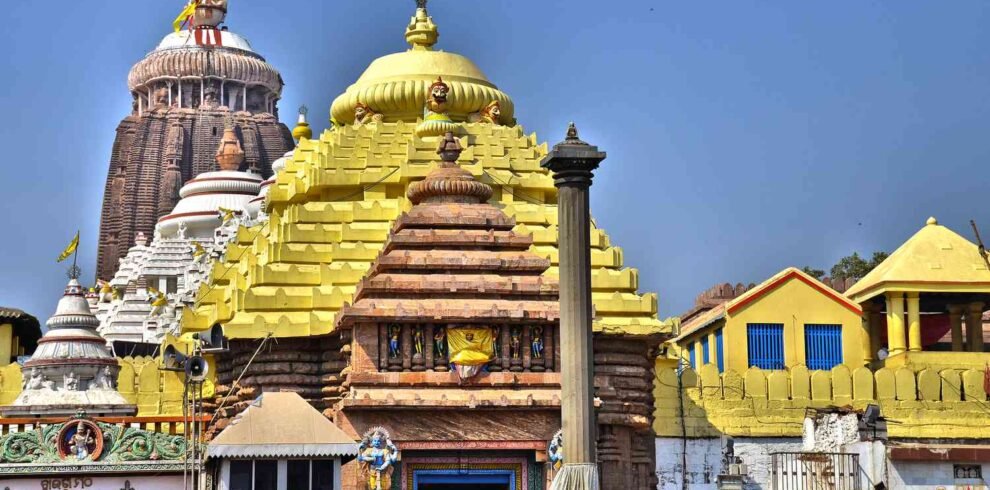
Jagannath Puri Tour Packages from Bangalore by Seven Sands Tourism are thoughtfully created for travelers seeking a peaceful spiritual journey…
Why Book Your Odisha Pilgrimage with Seven Sands Tourism?
Navigating temple rules, queue permits, and cultural nuances in Puri can be overwhelming. Seven Sands Tourism designs bespoke spiritual itineraries and pilgrimage packages across India’s sacred destinations.
From specialized queue guidance and vetted local servitor support to comfortable air-conditioned ground transfers and heritage handloom tours, our team ensures a seamless devotional journey.
Whether visiting the coastal sanctum of Puri or arranging multi-city Char Dham journeys, let Seven Sands Tourism handle logistics, accommodations, and itinerary planning. Contact our pilgrimage specialists to book your personalized temple tour package.
Jagannath Temple Dress Code: Key Highlights
- Statutory Framework: Enforced under the administrative authority of the Shree Jagannath Temple Administration (SJTA) and fortified by recommendations from the Odisha State Law Commission to formalize dress regulations across all four entry gates (Dwaras).
- Restrictions on Western Attire: Complete restriction on torn or distressed denim, western shorts, Bermudas, capris, cargo trousers, graphic casual tees, sleeveless cuts, and body-contouring activewear.
- Prescribed Ensembles for Women: Saree (traditional handloom Sambalpuri, Bomkai, or cotton weaves preferred), traditional salwar-kameez sets, and long ankle-length kurtis paired with matching dupattas that ensure complete shoulder and chest modesty.
- Mandatory Norms for Men: Dhoti-kurta combinations, stitched traditional dhotis with an uttariya (gamcha/angavastram), or tailored Indian kurta-pyjamas. Formal, full-length plain trousers with modest collared shirts are permitted for transit pilgrims under specific discretion.
- Sevaks & Temple Staff Protocol: On-duty servitors (Nijogas), priests, and temple functionaries must wear consecrated hand-spun traditional attire without modern tailoring modifications.
- Zero-Tolerance Prohibitions: Animal-derived leather articles (belts, wallets, watchbands), shoes, mobile phones, cameras, and plastic containers are denied entry past the security perimeters.
Dress Code Rules & Legal Proposal
The legal architecture surrounding visitor attire at Srimandir is transitioning from informal guidelines into a codified statutory mandate. A high-level state panel led by Justice Biswanath Rath (former judge of the Orissa High Court and head of the supervisory committee overseeing Srimandir affairs) recommended introducing definitive amendments to the Shri Jagannath Temple Act, 1955.
The Statutory Scope of the Proposed Amendments
The legislative proposal aims to eliminate ambiguities at the checkpoints by establishing an enforceable legal definition of “modest Hindu temple attire”. While the SJTA enforced basic restrictions against shorts and ripped denim, the new framework expands statutory enforcement across several distinct visitor categories:
- Women Devotees (Ages 10 and Above): The panel recommends prohibiting jeans, trousers, western shirts, t-shirts, and short dresses for all female visitors above ten years of age. The officially sanctioned garments include traditional sarees, mekhela chadors, and salwar-kameez sets with properly draped dupattas. Young girls under the age of 10 may wear age-appropriate Indian dresses, long frocks, or full-length gowns.
- Male Devotees: The legal framework prioritizes two-piece unstitched or traditional garments—predominantly the dhoti matched with a cotton kurta or traditional shoulder drape (uttariya/gamcha). While full-length trousers paired with simple shirts are currently allowed to accommodate out-of-state and corporate travelers, casual denim, printed slogan apparel, and loungewear are excluded.
- Temple Servitors (Sevaks) and Priests: The amendments establish formal disciplinary accountability for all temple servitors on duty. Sevaks, pandas, and temple police (JTP) must wear strictly regulated ethnic attire aligned with their respective ancestral roles (Nijogas), prohibiting any commercialized western fusion wear within the Bada Deula (sanctum sanctorum).
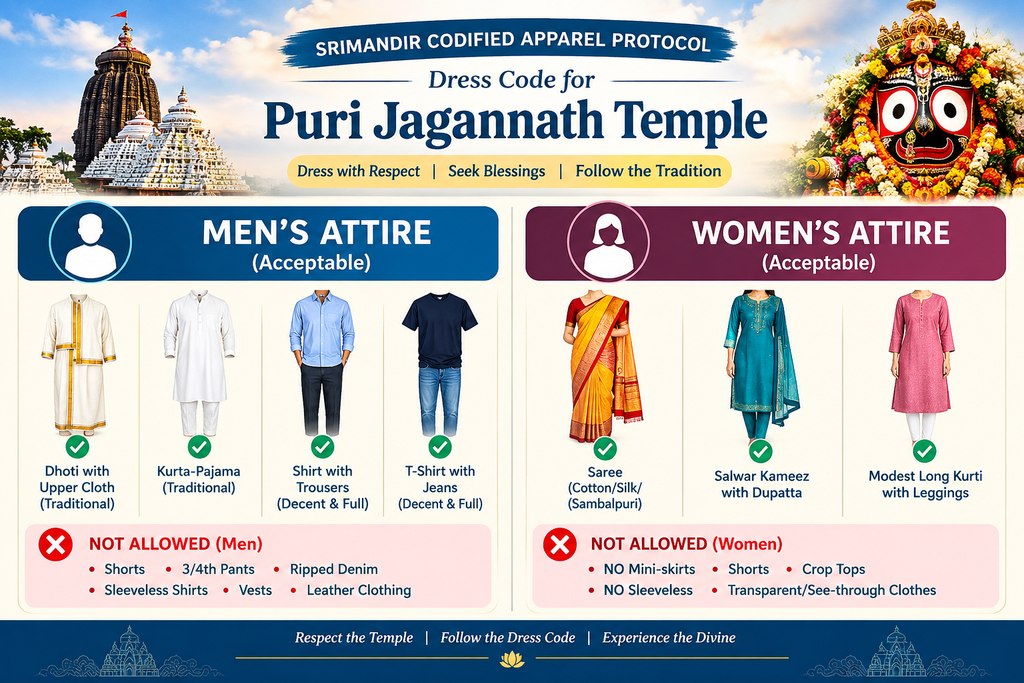
                     SRIMANDIR CODIFIED APPAREL PROTOCOL
                                      │
         ┌────────────────────────────┴────────────────────────────┐
         ▼                                                         ▼
   [ WOMEN (10+ YRS) ]                                     [ MALE PILGRIMS ]
 • Sarees (Cotton/Handloom/Silk)                         • Dhoti + Kurta
 • Salwar-Kameez + Full Dupatta                          • Kurta-Pyjama
 • Long Kurti + Churidars/Palazzo                        • Plain Trousers + Collared Shirt
 ❌ NO Western Jeans, Pants, Tops                         • Shoulder Gamcha / Uttariya
 ❌ NO Sleeveless / Crop Cuts / Skirts                   ❌ NO Ripped Jeans, Shorts, 3/4ths
                                                         ❌ NO Sleeveless Tees, Cargo Pants
Why This Dress Code Matters
Preserving the ancient sanctity of Puri Srimandir requires maintaining a focused devotional environment free from the distractions of fast-fashion trends and commercial aesthetics. The implementation of a standardized dress code serves several foundational purposes:
1. Upholding Sacred Ambience and Spiritual Discipline
Lord Jagannath’s sanctum operates on centuries-old Tantric and Vaishnavite temple rituals rooted in the Vaikhanasa and Pancharatra traditions. Casual modern street-wear disrupts the austere visual harmony required within the temple’s energetic core. Modest clothing fosters personal humility and an attitude of total surrender (Sharanagati) before the Lord of the Universe.
2. Alignment with Southern and Pan-Indian Temple Precedents
The movement to codify temple dress rules reflects standards already established across India’s premier pilgrimage centers. Landmark shrines such as Guruvayur Temple (Kerala), Sri Padmanabhaswamy Temple (Thiruvananthapuram), Meenakshi Amman Temple (Madurai), and Sri Venkateswara Swamy Temple (Tirupati) have maintained dress codes for generations. Puri’s statutory modernization aligns Odisha’s foremost shrine with these national standards.
3. Promoting Regional Handlooms and Weaving Heritage
Odisha is renowned for its handloom heritage, including Sambalpuri Ikats, Khandua pata, Bomkai, and Kotpad weaves. The emphasis on indigenous ethnic wear supports local master weavers and cottage industries, reinforcing the socio-economic connection between the deity and the artisan communities who craft the sacred cloth used in temple rituals.
4. Pragmatic Transition: Balancing Discipline with Devotee Diversity
A key priority during this legal modernization is balancing strict traditional discipline with practical hospitality for pilgrims traveling from across India and abroad. Rather than turning away unprepared devotees, current plans focus on establishing changing facilities, rental cloakrooms, and affordable ethnic-wrap counters outside Singha Dwara to ensure every pilgrim can fulfill the guidelines respectfully before entering the queue.
Experience Seamless Puri Darshan with Seven Sands Tourism
Planning a pilgrimage to Puri Srimandir requires careful coordination of queue timing, attire rules, and local guidelines. Seven Sands Tourism manages these details directly for travelers.
Our specialized spiritual itineraries handle logistics end-to-end, including:
- Customized Pre-Darshan Briefings: Expert guidance on seasonal clothing, local temple protocols, and changing facility access.
- Heritage Handloom Sourcing: Guided visits to authentic weaver cooperatives in Pipili and Raghurajpur for temple-ready traditional wear.
- Complete Travel Arrangements: Verified servitor assistance, premium accommodations, airport pickups from Bhubaneswar, and coordinated excursions to the Konark Sun Temple and Chilika Lake.
Book your sacred journey through our dedicated pilgrimage desk at Seven Sands Tourism for a comfortable and spiritually uplifting darshan experience.
The Ultimate Travel Guide to Jagannath Puri Temple: Discover Tours and Rich History , Places to Visit in Puri Jagannath: 10 Famous Tourist Places , Odisha Tour Packages from Bangalore – 5 Days Best Puri Jagannath Trip.
Table of Contents
Frequently Asked Questions (FAQs)
Can female devotees wear jeans, jeggings, or western trousers inside Puri Jagannath Temple?
Western-style pants, tight jeggings, cargo trousers, and casual jeans are not permitted for women inside Srimandir. Female devotees must wear traditional Indian attire, such as a saree, salwar-kameez, or a modest knee-length kurti paired with full-length leggings or churidars. A matching dupatta to drape across the shoulders and chest is mandatory.
What is the mandatory dress code for men at Srimandir?
Men should wear traditional two-piece unstitched or ethnic Indian wear: a cotton or silk dhoti paired with a kurta or an uttariya (gamcha/angavastram), or a standard kurta-pyjama set. While formal full-length trousers with a plain, tucked collared shirt are accommodated for transit pilgrims, western shorts, 3/4th Bermudas, cargo pants, lungis, and torn jeans are strictly turned away at the gates.
What is the children’s dress code for Puri Jagannath Temple?
Young girls above ten years of age must adhere to the adult modesty rules by wearing traditional salwar suits, long kurtis with dupattas, or traditional ethnic dresses. Children under 10 may wear full-length frocks, gowns, or traditional ethnic sets. Western beachwear, graphic sleeveless t-shirts, and short play-shorts are not permitted for children inside the sanctum.
Are leather belts, wallets, or shoes allowed inside the temple premises?
All animal-derived leather products—including belts, wallets, wristbands, and handbags—are strictly prohibited inside the temple complex due to ritual purity norms. Devotees must leave all leather goods and footwear at the designated luggage and shoe counters along the outer Heritage Corridor (Srimandir Parikrama) before queueing. Essentials like cash and IDs should be carried in a small cotton or jute pouch.
Can foreign nationals or non-Hindus enter the inner precincts of Puri Jagannath Temple?
By centuries-old temple custom, only practicing Hindus are allowed beyond the Singha Dwara into the main Srimandir complex. Non-Hindu and foreign visitors can view the architectural exterior, the sacred Neelachakra, and the fluttering Patitapabana Bana flag from the Grand Road or elevated viewing points such as the Raghunandan Library terrace. Non-Hindus can also receive direct darshan of the holy triad during the annual outdoor Rath Yatra.
Are smartphones, smartwatches, and digital cameras permitted inside?
No electronic devices of any kind are allowed past security. Smartphones, fitness trackers, smartwatches, digital cameras, and power banks are confiscated at the metal-detector checkpoints. Devotees must deposit all gadgets at the authorized temple electronic lockers outside the entry gates before stepping onto the sacred 22 steps (Baisi Pahacha).
Where can unprepared pilgrims rent or purchase traditional temple attire near Srimandir?
Devotees arriving in non-compliant attire (such as shorts or casual western outfits) can purchase traditional cotton dhotis, gamchas, and readymade sarees directly along the Bada Danda (Grand Road) market right outside Singha Dwara. Public washrooms and changing cloakrooms within the Srimandir Parikrama complex are available for changing into approved ethnic wear before entering the darshan queue.
How does Seven Sands Tourism assist travelers with temple dress code compliance and darshan logistics?
Seven Sands Tourism provides dedicated pre-darshan orientations, ensuring every pilgrim knows the exact seasonal attire, gate protocols, and banned item lists before reaching Puri. The agency coordinates luggage and electronics storage, arranges vetted local servitor assistance for smooth queue navigation, and organizes authentic handloom shopping excursions for traditional Odishan temple wear.