
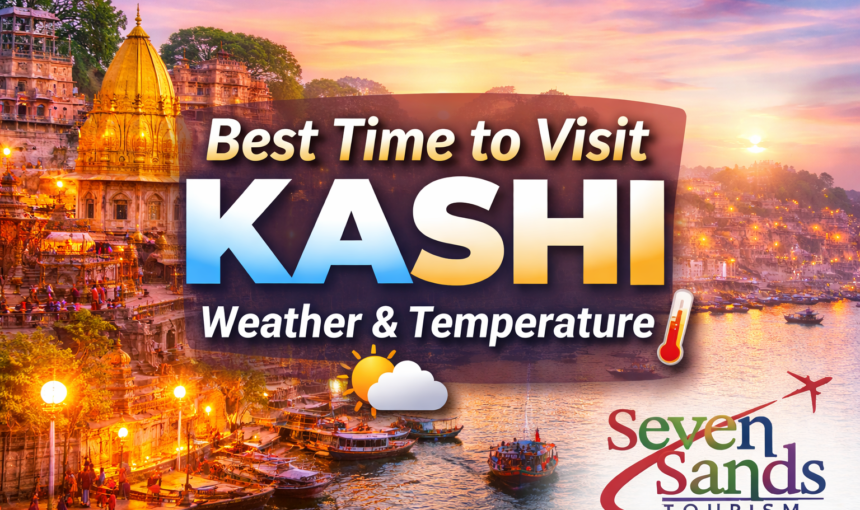
Planning a spiritual journey becomes easier with this complete Kashi travel guide covering the best time to visit Kashi along with accurate Kashi weather and temperature insights. The ideal months to explore Varanasi are from October to March, when the climate remains pleasant for temple visits, Ganga Aarti, and sightseeing. Summers can be extremely hot, while monsoon brings humidity and occasional travel disruptions, making winter the most comfortable season.
Understanding seasonal temperature variations helps travelers plan darshan timings and avoid heavy crowds. With proper planning and expert support from Seven Sands Tourism, visitors can enjoy a smooth, peaceful, and spiritually enriching experience in one of India’s most sacred destinations.
Introduction to Kashi
Kashi, which is also known as Varanasi, is one of the oldest inhabited cities in the world and holds a pivotal place in Indian culture and spirituality. This city, located on the banks of the holy river Ganges, is revered as a significant pilgrimage site for Hindus and attracts countless visitors each year who come to experience its unique blend of history, spirituality, and vibrant culture.
The significance of Kashi is rooted deeply in ancient Hindu texts, which proclaim it as a place of divine worship and enlightenment. It is often referred to as “The City of Light,” symbolizing its historical role as a center for knowledge and spirituality. Kashi has been a hub for scholars, philosophers, and saints, and its ancient heritage continues to attract people from all over the globe seeking to explore its profound cultural richness.
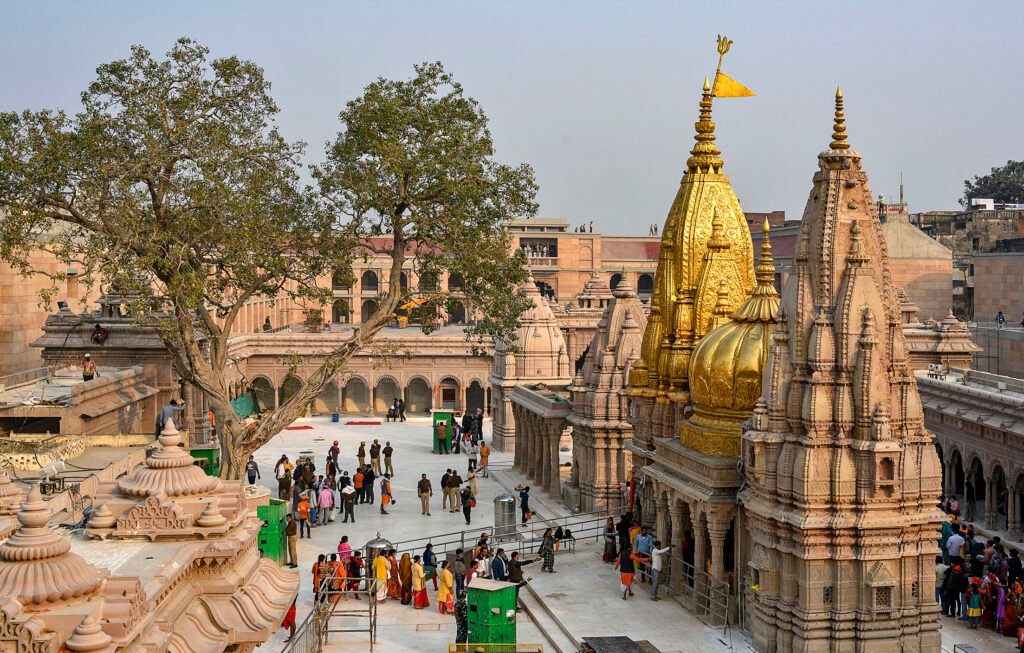
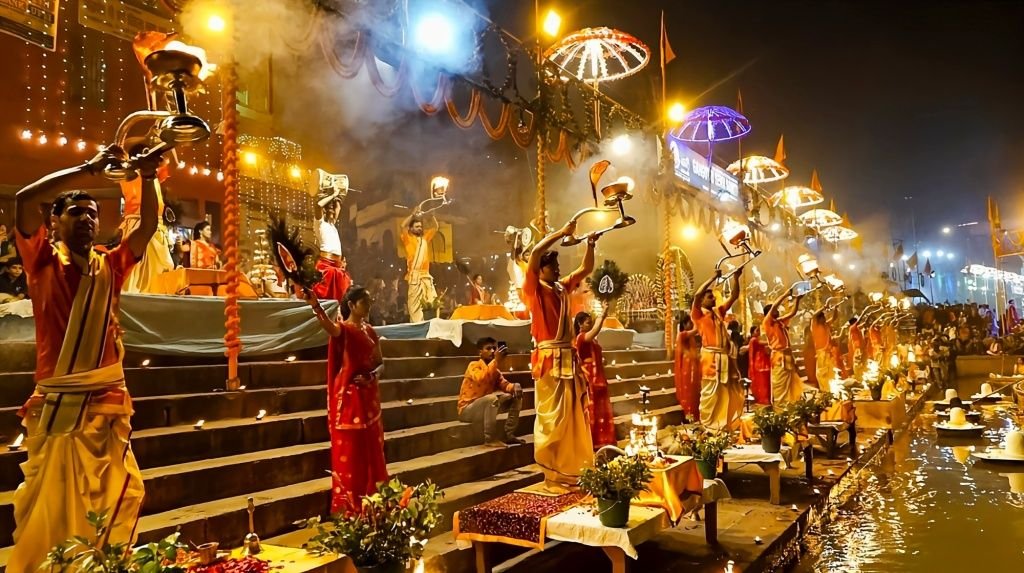
When visiting Kashi, tourists can indulge in a plethora of experiences. The iconic Ghats along the Ganges, such as Dasaswamedh Ghat and Assi Ghat, serve as both scenic spots and spiritual hubs where rituals and ceremonies are frequently performed. Notable temples, including the Kashi Vishwanath Temple, dedicate to Lord Shiva, showcase exquisite architecture and draw thousands of pilgrims eager to offer their prayers.
In addition to its religious prominence, Varanasi’s bustling bazaars and vibrant street life add to its unique character. These markets offer visitors a chance to explore traditional handicrafts, silk textiles, and local cuisines, making the experience not just a spiritual journey but also a cultural exploration. Furthermore, the annual festivals like Dev Deepawali enhance the city’s allure, making Kashi a spectacle of lights and celebrations.
In essence, Kashi stands as a testament to the enduring power of faith and cultural heritage, making it an essential destination for anyone looking to witness the spiritual heart of India.
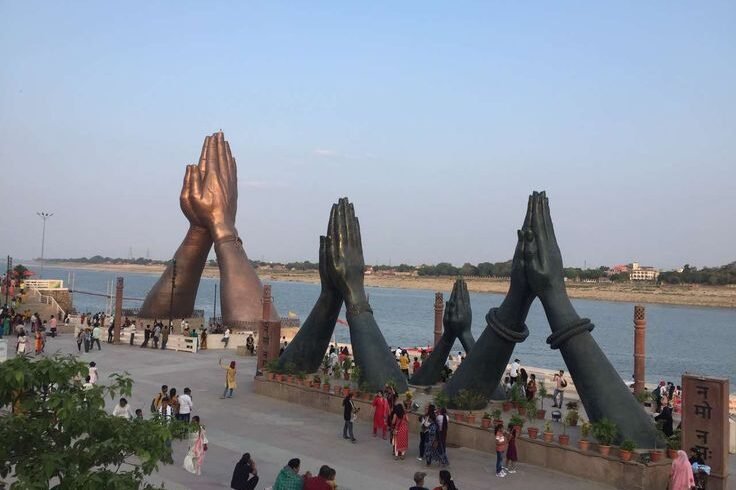
Divine Kashi & Ayodhya Tour from Bangalore – 4 Days Spiritual Journey with Seven Sands Tourism India is a land…
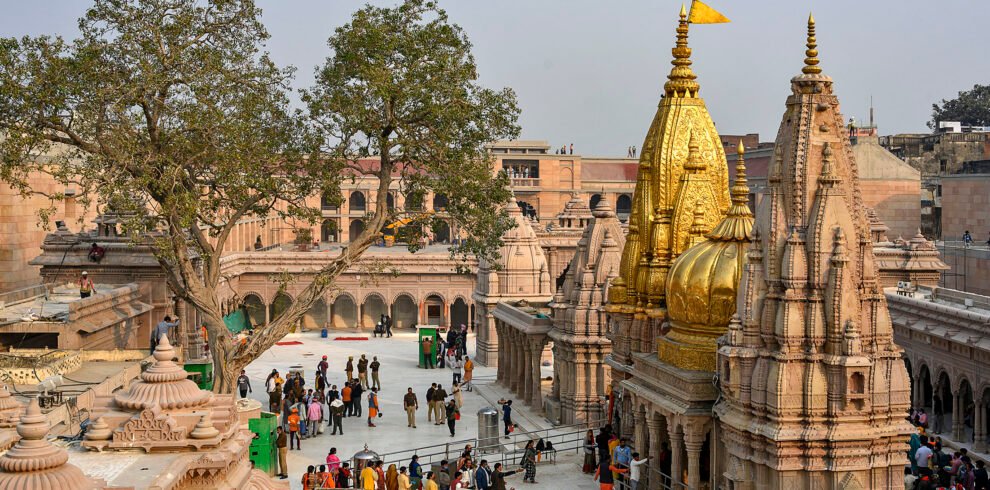
Experience divine bliss with our Kashi Ayodhya Tour Package from Bangalore 4N/5D, designed by Seven Sands Tourism for devotees seeking…
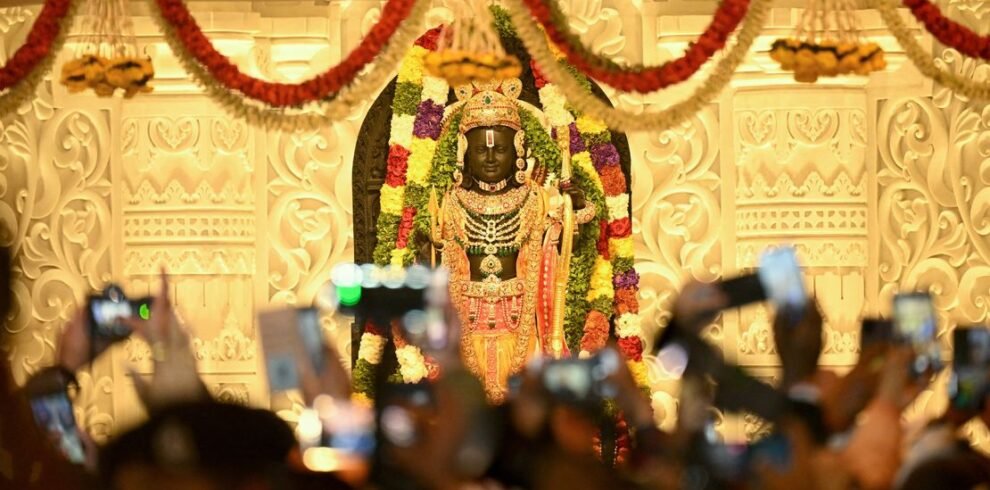
Embark on a soulful journey with our Kashi Ayodhya Tour Package 3 Nights 4 Days from Bangalore, specially crafted for…
Planning your spiritual journey? The best time to visit Kashi is from October to March when the weather patterns are pleasant and the overall climate supports comfortable temple visits and Ganga Aarti experiences. During this period, Seven Sands Tourism recommends early morning darshan at Kashi Vishwanath Temple as the best time to visit Kashi due to less crowd and peaceful surroundings.
The weather patterns in winter make it ideal for senior citizens and families, as temperatures remain cool and enjoyable throughout the day. If you are searching for the best time to visit Kashi, avoiding peak summer is important because harsh weather patterns can make travel tiring. With expert planning by Seven Sands Tourism, you can explore Kashi comfortably while understanding seasonal weather patterns and choosing the best time to visit Kashi for a divine and hassle-free experience.
Understanding Kashi’s Climate
Kashi, also known as Varanasi, experiences a unique climatic phenomenon characterized primarily by its tropical wet and dry climate. This classification significantly influences the weather patterns visitors can expect throughout the year. Kashi’s climate is marked by three distinct seasons: summer, monsoon, and winter, each offering a different experience for travelers.
During the summer months, typically from March to June, Kashi faces soaring temperatures that can reach upwards of 40°C (104°F). The heat can be intense, and the humidity levels tend to rise, making it crucial for travelers to stay hydrated and take necessary precautions against heat exhaustion. Although summer days can be quite oppressive, evenings are often more pleasant, allowing visitors to explore the city’s vibrant culture and heritage.
The monsoon season, generally occurring from late June to September, brings much-needed rainfall to the region. This season helps to lower the temperature, typically ranging from 25°C to 35°C (77°F to 95°F). However, visitors should be mindful of potential flooding and plan their activities accordingly, as heavy rains might disrupt travel plans. The lush greenery and replenished rivers during this time create an enchanting backdrop for sightseeing and cultural experiences.
Finally, the winter months, from October to February, present a stark contrast to the preceding season. With temperatures dropping to around 10°C to 20°C (50°F to 68°F), Kashi experiences pleasant weather, making it an ideal time for tourists. The cool air allows for comfortable exploration of landmarks, markets, and spiritual sites. Layered clothing is advisable during this season, particularly in the early morning and late evening hours when temperatures are at their lowest.
Understanding the climate and seasonal variations in Kashi can greatly enhance a traveler’s experience, allowing for better planning and expectations for their visit. Knowledge of these weather patterns enables individuals to pack appropriate clothing and schedule activities according to optimal weather conditions.
Seasonal Breakdown of Weather in Kashi
Kashi, also known as Varanasi, experiences a diverse range of weather conditions throughout the year, divided into four distinct seasons: winter, summer, monsoon, and post-monsoon. Each season brings unique temperatures and weather patterns that influence the experience of visitors.
Winter (December to February): This is the most favorable time to visit kashi vishwanath temple. Winter temperatures typically range from 5°C to 15°C. The weather is cool and pleasant, making it ideal for outdoor activities and exploration. Visitors can expect clear skies during the day, although nights can be quite chilly. Dressing in layers is advisable as the temperature can dip significantly after sunset.
Summer (March to June): The summer months in Kashi can be quite intense, with temperatures soaring between 25°C and 45°C. April and May are often considered the hottest months, presenting visitors with sweltering conditions. Humidity levels also rise, further amplifying discomfort. It is essential for travelers to stay hydrated, wear light clothing, and plan outdoor activities for early mornings or late evenings to avoid the heat.
Monsoon (July to September): Kashi sees considerable rainfall during the monsoon season, with average temperatures ranging from 25°C to 35°C. While the rain brings relief from the summer heat, it can also lead to localized flooding and disrupt travel plans. Visitors should prepare for wet conditions and be cautious while navigating the city. Beautiful greenery and vibrant landscapes characterize this season, offering a unique perspective on Kashi.
Post-Monsoon (October to November): This season witnesses a gradual transition towards cooler weather, with temperatures stabilizing between 15°C and 30°C. The humidity decreases, and the climate becomes more comfortable. It is a great time for tourists to visit temples and partake in local festivals. The pleasant weather enhances travel experiences, making it one of the best seasons for tourism in Kashi.


Best time to visit kashi vishwanath temple with family
When planning a trip to Kashi, it is essential to consider the weather conditions, as they significantly impact the overall experience. Kashi, also known as Varanasi, has a diverse climate characterized by three primary seasons: winter, summer, and the monsoon. Each of these seasons offers a unique experience for visitors, making it critical to determine the best time to visit kashi vishwanath temple based on your preferences.
Winter, from November to February, is considered the best time to explore Kashi. The weather during these months is pleasantly cool, with daytime temperatures ranging from 10°C to 25°C (50°F to 77°F). It is an ideal time for sightseeing and participating in the multitude of cultural events that the city hosts. Additionally, this period attracts many pilgrims and tourists, allowing visitors to connect with others.
In contrast, summer, lasting from March to June, can be quite harsh in Kashi. Temperatures can soar above 40°C (104°F), making outdoor activities challenging. However, summer is also the season for some local festivals, which might be of interest to certain travelers. If you choose to visit during this time, it’s advisable to plan activities early in the morning or later in the evening to avoid the peak heat.
The monsoon season, from July to September, introduces a different aspect of Kashi. While the landscape flourishes with greenery, heavy rainfall can lead to disruptions in travel plans. Temperatures during this season remain moderate, but the increased humidity and occasional flooding may not be suitable for all visitors. Nonetheless, some may find charm in experiencing Kashi during this serene yet vibrant time.
Best Time to Visit Kashi with Senior Citizens
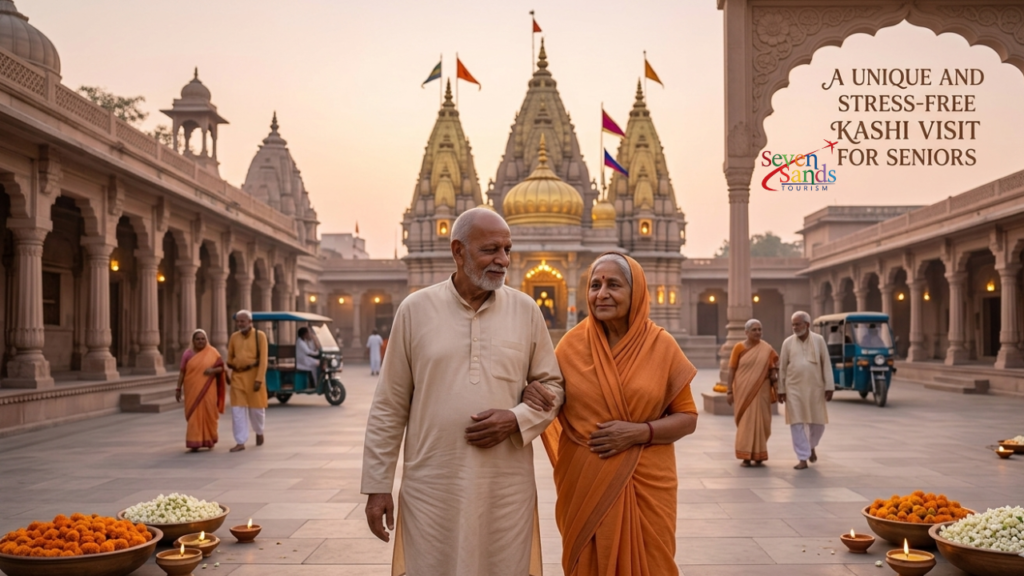
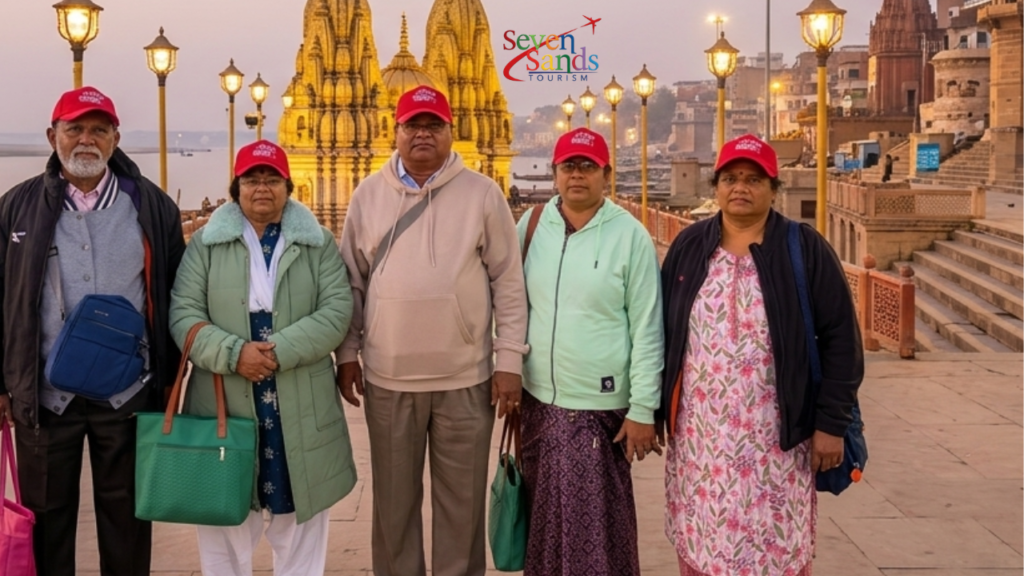
The best time to visit Kashi with senior citizens is from October to March, when the weather remains cool, pleasant, and comfortable for temple visits and sightseeing. During these winter months, temperatures usually range between 10°C to 25°C, making it easier for elderly travelers to walk, attend Ganga Aarti, and enjoy darshan at Kashi Vishwanath Temple without exhaustion.
Summers (April–June) should be avoided due to extreme heat, while monsoon (July–September) can bring humidity and slippery ghats, which may not be ideal for seniors. Planning your trip in the early morning or evening hours further ensures a peaceful experience with less crowd. With well-organized arrangements by Seven Sands Tourism, senior citizens can enjoy a safe, आरामदायक, and spiritually fulfilling Kashi यात्रा without stress.
Ultimately, the best time to visit kashi vishwanath temple largely depends on individual preferences toward Varanasi weather conditions, cultural experiences, and crowd levels. Understanding these seasonal variations will assist potential travelers in planning a fulfilling trip to this historic city.
Packing Essentials for Kashi
When planning a trip to Kashi, also known as Varanasi, it is crucial to pack wisely, considering the region’s unique climate and cultural elements. The weather in Kashi can vary significantly between seasons, meaning that appropriate clothing and essentials are a necessity to ensure a comfortable visit.
During the winter months, from November to February, temperatures can drop significantly, often reaching lows around 5°C (41°F) at night while the daytime can remain pleasantly warm. Layering is key; packing lightweight sweaters, long-sleeve shirts, and a warm jacket will help you cope with the chill. Don’t forget to include a scarf and gloves, as they can be useful during cooler evenings.
In contrast, the summer months from March to June can be quite hot, with temperatures soaring up to 45°C (113°F). Lightweight, breathable clothing is essential to stay comfortable during the heat. Opt for loose-fitting cotton or linen garments that help wick away sweat. A wide-brimmed hat and sunglasses are also important for protection against the sun.
Monsoon season runs from July to October, accompanying high humidity and heavy rainfall. It becomes necessary to pack waterproof items, such as a rain jacket or poncho, and a sturdy umbrella. Quick-drying clothes are advisable during this period as they enhance comfort when dealing with unexpected showers.
Footwear is another important aspect to consider. Comfortable walking shoes or sandals with a good grip are recommended due to the cobblestone streets and ghats. If you plan to explore temples, modest footwear that is easy to remove will also be optimal. Don’t forget to pack a reusable water bottle to stay hydrated and snacks for on-the-go, especially during sightseeing excursions.
Weather-Related Activities to Enjoy in Kashi
Kashi, also known as Varanasi, experiences a diverse range of weather conditions throughout the year, providing visitors with unique activities that align with each season. Understanding the climate can significantly enhance your travel experience in this ancient city.
During the cooler months, from November to February, the weather in Kashi is pleasant and ideal for outdoor exploration. This is an excellent time for river boating on the sacred Ganges, allowing tourists to witness the mesmerizing sunrise and sunset over the water. The less humid atmosphere also makes it perfect for visiting the city’s renowned temples, such as Kashi Vishwanath Temple and Sankat Mochan Hanuman Temple. Guided tours can be arranged, providing insights into the rich history and spiritual significance of these sites.
As the temperatures rise in March and April, the festive spirit in Kashi is palpable. Spring heralds numerous cultural events and festivals, including Holi, which is celebrated with vibrant colors and joy. Participating in these festivities is a delightful way to engage with the local culture and create lasting memories. Additionally, as the heat increases, exploring local markets in the early morning or late evening is a recommended activity, allowing visitors to sample local delicacies and shop for handcrafted items without the intense midday sun.
In the summer months of May and June, temperatures can soar; however, travelers can still enjoy Kashi by visiting shaded temples and participating in evening aartis along the ghats. Nighttime in Kashi is cooler and presents an opportunity to attend cultural performances that showcase traditional music and dance.
In the monsoon season, from July to September, the rainfall transforms Kashi into a lush landscape. While some outdoor activities may be limited, this is a great time to experience the city’s spiritual atmosphere, with fewer tourists and a more serene environment. Indoor attractions, such as visiting museums or enjoying traditional cuisine in local eateries, become more appealing during this time.
Local Weather Patterns and Their Impact on Travel
Traveling to Kashi, also known as Varanasi, offers an enriching experience steeped in culture and history. However, local weather patterns in this region significantly affect travel plans, particularly during monsoon and summer seasons. Understanding these weather dynamics is crucial for planning an enjoyable trip.
Kashi experiences distinctive weather patterns, characterized by a hot semi-arid climate. Summers, which extend from March to June, can be extremely hot, with temperatures often soaring above 40°C (104°F). Such harsh conditions can lead to travel disruptions, especially for those not acclimatized to high temperatures. Travelers are advised to schedule outdoor activities during the cooler parts of the day, such as early morning or late evening, to avoid the peak heat.
On the other hand, the monsoon season, which lasts from June to September, brings significant rainfall, often resulting in flooding and transportation delays. Heavy rains can affect sightseeing plans as well as local infrastructure. It is essential for visitors to stay updated on weather forecasts during this period. Smart travelers might consider traveling with flexible itineraries to accommodate sudden weather changes, ensuring they can still experience Kashi’s rich offerings.
To navigate the challenges posed by temperature variations and precipitation, packing appropriate clothing is essential. Lightweight, breathable clothing is ideal for hot summers, while waterproof jackets and sturdy footwear should be included if visiting during the rainy season. Staying hydrated and maintaining a vigilant awareness of changing weather conditions can further enhance the travel experience.
In conclusion, being aware of Kashi’s local weather patterns helps travelers prepare adequately, enabling them to adapt their plans and fully immerse themselves in this vibrant destination.
Cultural Considerations Related to Weather
The weather in Kashi, also known as Varanasi, plays an integral role in shaping the cultural landscape of the city. The city’s ancient roots are deeply entwined with its climatic patterns, influencing local traditions, festivals, and daily rituals. For instance, during the sweltering summer months, residents adjust their daily activities to avoid the intense heat, often engaging in communal gatherings and evening rituals at the ghats when temperatures drop to a more manageable level.
One notable impact of the weather is seen during the monsoon season, which typically lasts from June to September. This period is often celebrated with various festivals, such as the renowned Ganga Dussehra, where locals pay homage to the Ganges River. The rising water levels during monsoon renew spiritual fervor, with many people performing rituals to seek blessings for prosperity and health. Thus, the monsoon not only nourishes the land but also invigorates the spiritual practices that are central to Kashi’s cultural identity.
Moreover, the winter months, characterized by cooler temperatures, provide an auspicious time for various cultural and religious festivities. Events like Dev Deepawali attract thousands of visitors who come to witness the breathtaking sight of thousands of diyas (lamps) illuminating the ghats. Consequently, these seasonal observations bring communities together, reflecting collective identities shaped by the changing weather.
Daily life in Kashi is also influenced by the fluctuating seasons. For example, traditional clothing varies with the weather, where lighter fabrics are preferred in the heat, while heavier garments become customary in the cooler months. Such adaptations demonstrate not only resilience but also a unique harmony between people and their environment, enriching Kashi’s vibrant culture.
Benefits of Visiting Kashi Vishwanath Temple – Spiritual Power & Inner Peace
Visiting Kashi Vishwanath Temple offers profound spiritual and emotional benefits, making it one of the most sacred experiences in India. Devotees believe that seeking blessings of Lord Shiva here helps in attaining moksha (liberation), cleansing past karma, and bringing inner peace. The divine atmosphere of Varanasi, combined with the holy Ganga snan and mesmerizing Ganga Aarti, enhances spiritual awakening and mental clarity.
Pilgrims often experience a deep sense of positivity, reduced stress, and renewed life purpose after darshan. With well-organized travel support from Seven Sands Tourism, your journey becomes smooth, allowing you to fully immerse yourself in devotion, culture, and the timeless energy of Kashi.
Kashi Vishwanath Live Darshan – Watch Divine Blessings Anytime
Kashi Vishwanath live darshan allows devotees to experience the divine presence of Lord Shiva from anywhere in the world without physically visiting Varanasi. Through official online streaming, भक्त can watch daily aartis, special rituals, and real-time temple activities, making it especially helpful for elderly pilgrims and those unable to travel.
This virtual darshan maintains a strong spiritual connection, offering peace, devotion, and positivity right from home. It also helps travelers plan their visit better by understanding temple timings and crowd flow in advance. With proper guidance from Seven Sands Tourism, you can combine live darshan insights with a well-planned trip for a seamless and spiritually fulfilling Kashi experience.
Kashi Vishwanath Live Darshan is a highly beneficial option for senior citizens who wish to stay spiritually connected without the physical strain of travel or long queues. Through official online streaming, elderly devotees can watch real-time aartis, temple rituals, and divine darshan of Lord Shiva from the comfort of their home, ensuring convenience and safety.
It is especially useful for those with health concerns, mobility issues, or tight schedules, while still offering a peaceful and भक्तिमय experience. Additionally, live darshan helps seniors plan their future visit by understanding temple timings and crowd patterns in advance. With proper guidance from Seven Sands Tourism, senior citizens can combine virtual darshan with a well-planned, comfortable pilgrimage for a complete and stress-free Kashi experience.
Conclusion and Final Tips
As we conclude our Kashi Travel Guide, it is essential to reiterate the importance of weather and temperature when planning your visit to this enchanting destination. Kashi, also known as Varanasi, features a diverse climate that varies significantly throughout the year, impacting not only the experience but also the accessibility of certain attractions.
The best time to explore Kashi is typically between October and March when the weather is most favorable, offering mild temperatures that are conducive for sightseeing. During these months, visitors can appreciate the city’s rich history, cultural landmarks, and the famous Ganges river in a comfortable environment. Travelers should be aware that the monsoon season, from June to September, brings heavy rainfall which can affect travel plans and outdoor activities.
For a memorable experience in Kashi, it is advisable to dress appropriately for the seasons, stay hydrated, and plan your itinerary around the local festivals and events. Engaging in local customs and participating in traditional rituals at the ghats can enhance your visit, but remember to be respectful of the cultural significance of these practices.
Moreover, while planning your daily excursions, factor in the heat during the summer months and schedule visits to outdoor sites in the cooler parts of the day, such as early morning or late afternoon. Utilizing local transportation and guided tours can also maximize your time while providing deeper insights into the rich cultural tapestry of Kashi.
In summary, by understanding the weather patterns and preparing accordingly, travelers can ensure a fulfilling journey through the timeless streets of Kashi. With these final tips, you are now equipped to embrace the beauty and spirituality of one of India’s oldest cities, making the most out of your travel experience.