
Introduction to Dakshineswar Kali Temple
The Dakshineswar Kali Temple is a notable religious site located in the Hooghly district of West Bengal, India. Founded in the 19th century by Rani Rashmoni, the temple is dedicated to the worship of goddess Kali, a powerful figure in Hindu mythology. Its historical significance is underscored by the association with Sri Ramakrishna Paramahamsa, a revered saint and spiritual leader, who spent a considerable part of his life here, facilitating a blend of devotion and spirituality within its walls.
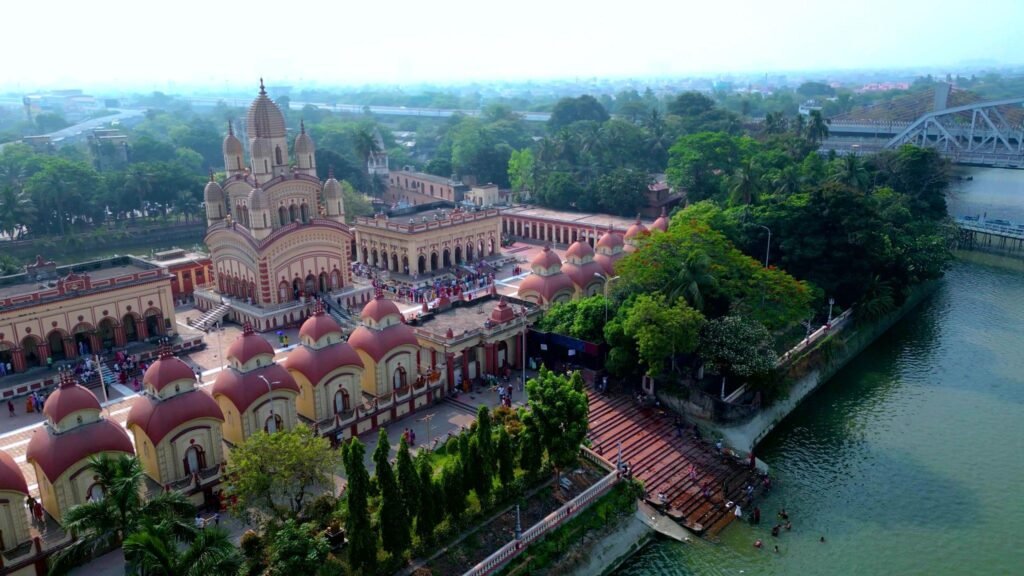
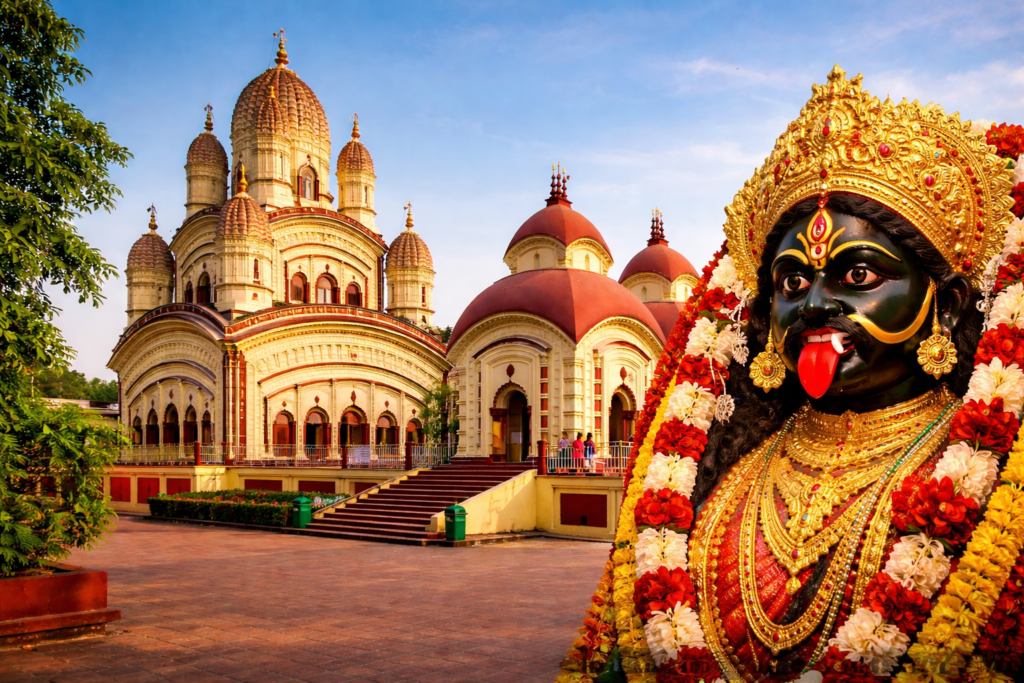
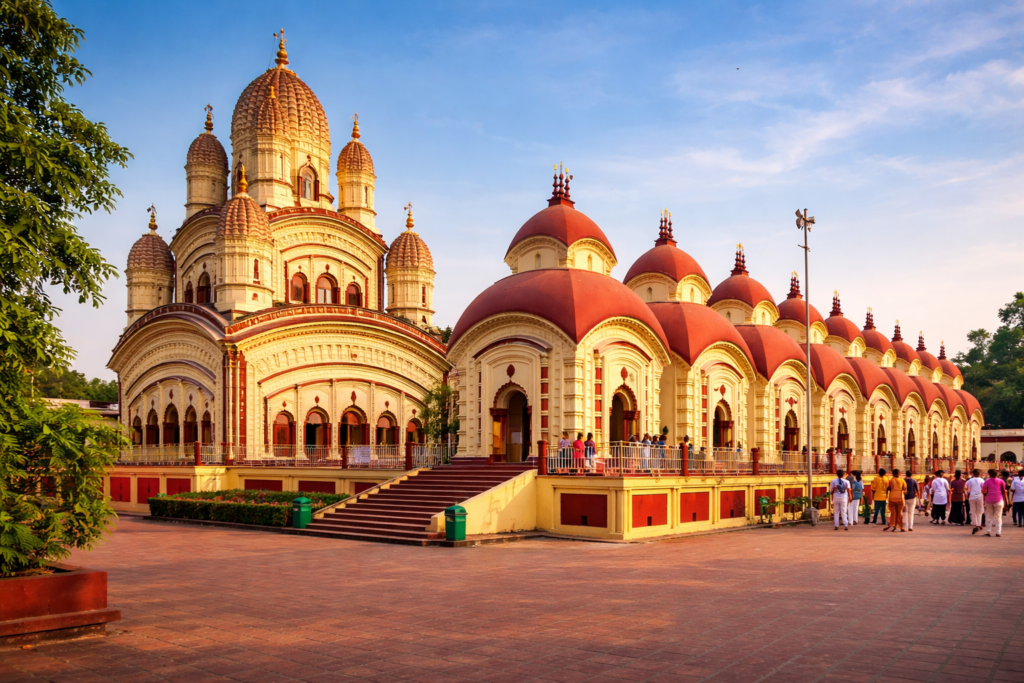
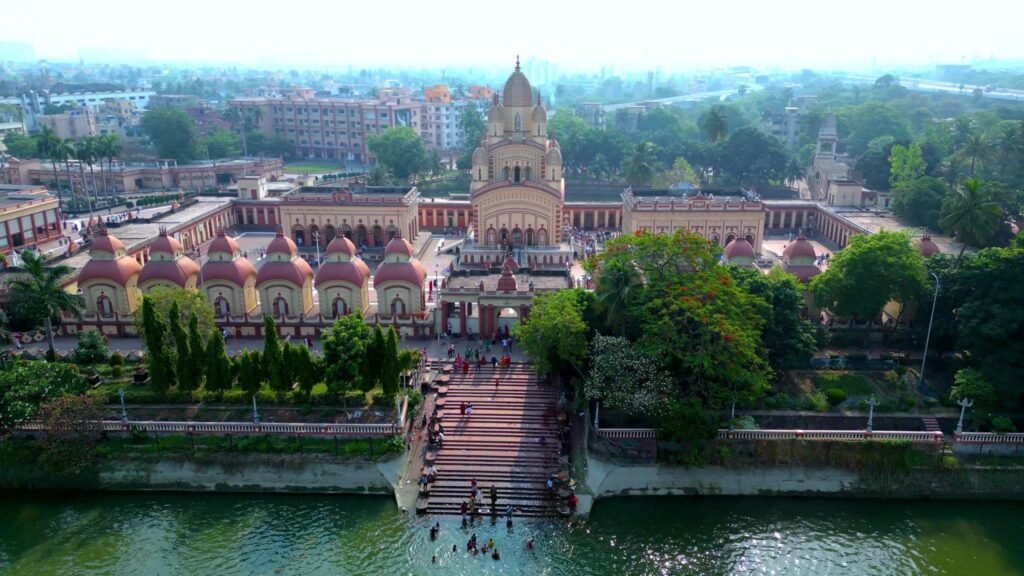
The architectural grandeur of the Dakshineswar Kali Temple merits attention. Built in the traditional Bengali style, its impressive structure features a series of intricate designs and a striking white and red color scheme. The main temple, or “Mandir,” stands majestically with its towering spires, while 12 additional shrines are dedicated to various deities, reflecting the diverse aspects of Hindu worship. This architectural beauty, combined with its serene surroundings by the banks of the Hooghly River, creates a spiritually charged atmosphere that attracts numerous visitors.
As a major pilgrimage site, the Dakshineswar Kali Temple sees a significant influx of devotees and tourists alike throughout the year. The temple not only serves as a place of worship but also plays a crucial role in the cultural and religious tourism of the region. Many pilgrims seek the blessings of Maa Kali, believing that visiting this sacred site can transform their lives. The annual festivities and rituals held here add to the temple’s relevance, offering visitors a glimpse into the rich tapestry of Hindu traditions. Thus, the Dakshineswar Kali Temple stands as a monumental emblem of faith, history, and architecture, drawing countless individuals to its hallowed grounds.
Significance of Dakshineswar Kali Temple
The Dakshineswar Kali Temple, located on the banks of the Hooghly River in West Bengal, India, holds profound spiritual and cultural significance for devotees and visitors alike. Dedicated to the goddess Kali, this temple is not only an architectural marvel but also a vital center of religious activity and devotion in Hinduism. It is deeply intertwined with the spiritual life of many, serving as a prominent pilgrimage site where thousands come to pay their respects and seek blessings.
One of the primary reasons for the temple’s revered status lies in its association with the renowned saint Ramakrishna Paramahamsa. He spent a significant part of his life in Dakshineswar, meditating and worshiping the goddess Kali, and his teachings continue to influence devotees. The temple thus symbolizes a place where worship, meditation, and the pursuit of spiritual enlightenment converge, attracting a diverse range of followers.
Rituals and festivals associated with the Dakshineswar Kali Temple are integral to its cultural landscape. Notably, the Navaratri festival draws large crowds who come to participate in elaborate rites and celebrate the divine feminine. Another key event is Kali Puja, which takes place on the new moon night in the month of Kartik, showcasing the fervor and devotion of attendees. During these occasions, elaborate decorations, devotional singing, and the collective recitation of hymns transform the temple into a lively arena of devotion.
Furthermore, the temple’s customs, such as the offering of floral garlands and the ceremonial lighting of lamps, reflect the rich traditions that have been passed down through generations. These rituals are not only acts of devotion but also serve to strengthen community bonds among the devotees. In recognition of its spiritual and cultural importance, the Dakshineswar Kali Temple stands as a testament to the enduring legacy of Hindu worship and a must-visit location for those seeking to understand and experience the depth of faith and devotion in this sacred space.
Dakshineswar Kali Temple Timings
The Dakshineswar Kali Temple, a prominent spiritual site located in West Bengal, follows a structured schedule that ensures devotees can visit and partake in the sacred rituals. The temple typically opens its doors to the public at 5:00 AM and remains accessible until 12:30 PM. After a brief interlude, it reopens at 3:00 PM and closes for the day at 8:30 PM. This arrangement provides ample opportunity for various darshans throughout the day, thereby accommodating thousands of visitors.
On special occasions and religious festivals, the temple timings may vary significantly. For instance, during major festivals like Durga Puja, Kali Puja, and Navaratri, the temple may extend its hours to accommodate the surge of devotees. These special darshan hours are often announced in advance, allowing devotees to plan their visits accordingly. The importance of checking the specific timings ahead of a visit cannot be overstated, especially during peak festival seasons when attendance increases dramatically.
Moreover, the temple management recommends that visitors arrive early in the day or during off-peak hours to avoid lengthy queues and enjoy a more serene experience. With the first darshan often the most spiritually uplifting, many devotees prefer to make their visit at dawn.
In an effort to enhance accessibility, the Dakshineswar Kali Temple also conducts regular maintenance of its facilities to ensure they are visitor-friendly. Whether you are a local resident or a tourist, being aware of the Dakshineswar Kali Temple timings will help maximize your spiritual experience and ensure your visit is both fulfilling and memorable.
Dakshineswar Temple Time Table
The Dakshineswar Kali Temple operates on a well-structured schedule that allows devotees and visitors to fully participate in the various events and rituals conducted throughout the day. Understanding the temple’s timings is crucial for pilgrims wishing to experience its spiritual ambiance, especially during important ceremonies and darshan.
Morning rituals typically commence early, with the temple opening at 5:00 AM. This time is favored by many for darshan, as the serenity of dawn envelops the temple grounds. From 5:00 AM to 12:30 PM, devotees can partake in various offerings and witness the morning aarti, which is held at approximately 5:30 AM.
Following the morning session, the temple closes briefly from 12:30 PM to 3:00 PM for the midday rituals and to allow the priests to perform necessary pujas. The temple reopens at 3:00 PM and remains accessible until 8:30 PM. During this evening span, visitors can engage in the afternoon darshan and participate in the second aarti, occurring around 6:30 PM.
In addition to the daily aartis, special rituals are conducted on specific days of the week, making it advisable for devotees to familiarize themselves with the temple’s schedule in advance. For instance, offerings during the auspicious days of Durga Puja and Kali Puja see an influx of devotees, necessitating special timings and arrangements.
Overall, the Dakshineswar Temple time table is designed to help visitors maximize their spiritual experiences while ensuring that they can engage in darshan and ceremonial activities. By planning a visit in accordance with the schedule, devotees can fully appreciate the temple’s divine atmosphere, making for a truly enriching excursion.
Best Times to Visit Dakshineswar Kali Temple
When planning a visit to the Dakshineswar Kali Temple, selecting the right time can significantly enhance the experience. The temple is a revered site, attracting numerous devotees and tourists. Therefore, understanding the best times to visit can help in navigating the crowd and enjoying a serene darshan.
Seasonally, the ideal months to visit are between October and March, when the weather is favorable. The winter months bring cooler temperatures, making it comfortable for visitors to explore the temple grounds and participate in rituals. During this time, there are also numerous festivals, including Durga Puja, that draw large crowds, making the atmosphere lively and spiritually enriching. However, if you prefer a quieter experience, visiting on weekdays, particularly during the early hours, can be ideal.
Moreover, the timing of daily rituals and special religious observances plays a crucial role in the temple’s ambience. The morning aarti, held at around 5:00 AM, draws early risers seeking a peaceful atmosphere to connect with the divine. Visiting during this time not only allows for a more intimate experience but also provides an opportunity to witness the stunning morning rituals. Similarly, the evening aarti around 7:00 PM is equally captivating, with the temple illuminated and the chants resonating through the air. On weekends and public holidays, the crowd tends to swell; therefore, adjusting your visit to avoid peak hours can enhance your spiritual experience.
In summary, whether it’s the season, day, or time of the daily rituals, being mindful of these factors can lead to a more fulfilling visit to the Dakshineswar Kali Temple. Understanding the dynamics of crowd levels, weather conditions, and special events will ensure that visitors enjoy a peaceful darshan, allowing them to fully immerse themselves in the spiritual atmosphere of this historic site.
Getting to Dakshineswar Kali Temple
Reaching the prestigious Dakshineswar Kali Temple, located on the banks of the Hooghly River in West Bengal, can be conveniently accomplished through various modes of transport. For travelers opting for the train, the nearest major railway station is Howrah Junction, which is well-connected to various parts of India. From Howrah, one can take a local train towards Dankuni, which stops at Dakshineswar Station. This station is just a short walk from the temple, making it a preferable choice for pilgrims.
If traveling by bus, Kolkata offers numerous services that head towards Dakshineswar. Buses from various terminals in the city, such as Esplanade and Howrah, frequently run to the Dakshineswar area. Once you arrive in Dakshineswar, the temple is easily accessible by following signposts or asking locals for directions.
For those who prefer a personal vehicle, Dakshineswar is situated approximately 12 kilometers from the center of Kolkata. The most common route involves taking the Barrackpore Trunk Road (BT Road), which leads directly to the temple. Parking facilities are available for those arriving by car, although it is advisable to arrive early, especially during festivals or weekends when visitor numbers swell.
Landmarks that can help travelers find the temple include the iconic Vivekananda Bridge, which spans the Hooghly River, making it a prominent navigation point. Additionally, nearby locations such as the Dakshineswar GSFC and the Belur Math can serve as useful reference points for first-time visitors. Overall, the accessibility of Dakshineswar Kali Temple through various transit options makes it an achievable destination for devotees and tourists alike.
Accommodation Options near Dakshineswar Kali Temple
Visitors to the Dakshineswar Kali Temple have a variety of accommodation options available in close proximity to ensure a comfortable stay during their spiritual journey. The location’s diverse offerings cater to different budgets and preferences, making it easier for devotees and tourists alike to find suitable lodging.
One of the most popular choices is the Hotel Dreamland, which is situated just a short distance from the temple. This hotel offers modern amenities including complimentary breakfast, Wi-Fi, and air-conditioned rooms. Guests can expect room rates ranging from INR 1,500 to INR 3,000 per night, depending on the season and room type.
Another well-rated option is Panchavati Express Hotel, located roughly 2 kilometers from the Dakshineswar Kali Temple. This hotel features a restaurant, room service, and spacious accommodations. Prices at Panchavati Express typically start from INR 1,200, with upscale rooms available for around INR 2,500. Travelers can enjoy its convenient access to local landmarks in addition to the temple.
For budget-conscious visitors, Shree Durga Lodge presents an affordable solution. Situated approximately 1.5 kilometers away from the temple, this lodge offers simple, no-frills accommodations. Rates are quite economical, with basic rooms available from INR 800 per night. While amenities are limited, its close proximity to the temple makes it a popular choice among pilgrims.
Last but not least, Regent Hotel offers a mid-range option with more upscale amenities. Located around 3 kilometers from the temple, this hotel provides a comfortable environment with features such as a fitness center, restaurant, and business center. Room prices at Regent Hotel typically range from INR 3,000 to INR 5,000, appealing to those seeking a higher standard of comfort during their stay.
Visitor Tips for Dakshineswar Kali Temple
Visiting the Dakshineswar Kali Temple is a profound spiritual experience, and ensuring that your trip is seamless can enhance this journey. Here are some useful tips for your visit to this revered site.
When visiting the temple, it is essential to adhere to a suitable dress code. Visitors are recommended to wear modest clothing as a sign of respect when entering the sacred premises. For both men and women, lightweight, loose-fitting garments are preferred to accommodate the weather, particularly during the hot months. Additionally, wearing comfortable footwear is advisable since the temple complex entails considerable walking.
Behavior inside the temple is strictly guided by decorum. It is crucial to maintain a respectful demeanor, as many devotees are engaged in prayer and meditation. Speaking softly helps maintain the tranquility of the environment. Photography is permitted in certain areas, but it is best to ask for permission first, especially if locals are involved.
When interacting with locals, visitors should approach them with warmth and kindness. Many individuals are more than willing to share their experiences or provide guidance about the temple and its significance. Learning a few basic phrases in Bengali, like greetings and expressions of gratitude, can go a long way in fostering a friendly rapport.
Lastly, consider bringing a few essentials to enhance your spiritual experience. Offerings such as small amounts of fruits, flowers, or sweets are often appreciated in the context of worship. Hydration is also vital, so carrying a water bottle is recommended. Ensuring you have these essentials can contribute positively to your visit, allowing you to fully immerse yourself in the divine atmosphere of the Dakshineswar Kali Temple.
Conclusion and Encouragement to Visit
Visiting the Dakshineswar Kali Temple is not just about witnessing architectural beauty; it encompasses a profound spiritual experience that resonates with countless devotees and visitors alike. This temple, dedicated to Goddess Kali, serves as a haven for those seeking solace, strength, and divine connection. The rich cultural heritage of the temple, combined with its scenic surroundings along the banks of the Hooghly River, provides a serene environment conducive to meditation and reflection.
As you navigate the timings of your visit, it is essential to consider the temple’s daily rituals, which offer unique insights into the worship practices and the spiritual significance of this sacred site. From the early morning Aarti to the evening prayers, each moment spent at Dakshineswar holds the potential for personal transformation and renewal. The vibrant atmosphere during festivals further enhances the experience, drawing both locals and tourists into its rich tapestry of faith, music, and art.
We encourage you to immerse yourself in this cultural gem and experience the plethora of spiritual offerings it provides. Engaging with fellow pilgrims, participating in various ceremonies, and exploring the temple grounds can enrich your understanding of Hindu traditions and the significance of Goddess Kali in the lives of many. To further assist in your journey, links to related resources such as guided tours, articles about the temple’s history, and travel blogs can be found to help you plan your visit effectively.
In essence, the Dakshineswar Kali Temple stands as a beacon of devotion and worship. Your visit here promises to be both enlightening and invigorating, encouraging a deeper connection with spirituality and community. Embrace the opportunity to witness the divine and partake in the vibrant legacy that this temple embodies.
Table of Contents
Frequently Asked Questions (FAQs)
What are the Dakshineswar Kali Temple timings today?
Dakshineswar Kali Temple usually opens early morning around 5:00 AM and closes at night around 8:30 PM, with a break in the afternoon. Timings may vary on festivals and special occasions, so it is recommended to check the latest schedule before visiting. Seven Sands Tourism provides updated timing details with every tour package for a hassle-free experience.
Is Dakshineswar Temple open today for darshan?
Yes, Dakshineswar Kali Temple is open daily for devotees, including weekends. However, entry timings and crowd flow may change during festivals or special पूजा days. To avoid long queues, Seven Sands Tourism helps travelers plan visits during less crowded hours.
What is the best time to visit Dakshineswar Kali Temple?
The best time to visit is early morning during Mangala Aarti or in the evening for Sandhya Aarti. Weekdays are less crowded compared to weekends. For a peaceful darshan experience, Seven Sands Tourism recommends early morning visits.
Are there good hotels near Dakshineswar Kali Temple?
Yes, there are several budget, mid-range, and premium hotels available near the temple. Many accommodations offer easy access to the temple and basic amenities. Seven Sands Tourism can help you find the best hotel options based on your budget and travel preferences.
How can I reach Dakshineswar Kali Temple easily?
Dakshineswar Kali Temple is well-connected by metro, train, and road. The nearest metro station is Dakshineswar, making it very convenient for travelers. Seven Sands Tourism also offers guided transport and tour packages for a smooth journey.
What is the complete Dakshineswar Temple time table?
The temple follows a daily schedule including morning opening, पूजा timings, afternoon closing, and evening reopening. Aarti timings are key highlights for visitors. For the most accurate and updated timetable, Seven Sands Tourism provides complete travel assistance.
Is there any entry fee for Dakshineswar Kali Temple?
No, there is no entry fee to visit Dakshineswar Kali Temple. It is open to all devotees free of cost. However, special पूजा or offerings may have separate charges. Seven Sands Tourism guides visitors on optional पूजा arrangements.
What are the important travel tips for visiting Dakshineswar Temple?
Visitors should wear modest clothing, avoid peak rush hours, and keep personal belongings safe. Early morning visits are ideal for a peaceful darshan. Booking your trip with Seven Sands Tourism ensures proper planning, guided support, and a comfortable temple visit experience.