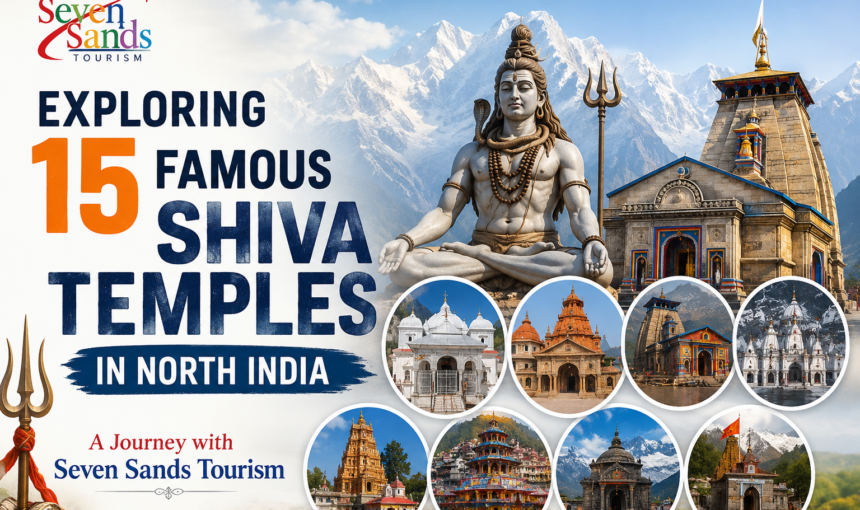
Introduction to Shiva Temples in North India
The significance of Shiva temples in North India extends beyond mere places of worship; they embody a deep cultural and spiritual heritage rooted in the ancient traditions of Hinduism. Lord Shiva, revered as one of the principal deities, symbolizes transformation, destruction, and regeneration. This multifaceted nature of Shiva fosters a rich tapestry of beliefs and practices that have evolved over millennia, drawing millions of devotees and tourists alike.
These temples not only serve as places for individual devotion but also as key pilgrimage sites during various festivals and auspicious occasions. The most famous among them, such as the Kashi Vishwanath Temple in Varanasi and the Kedarnath Temple in the Himalayas, attract pilgrims from all corners of the country and even the world. The traditions associated with these pilgrimage practices reflect the profound devotion many have for Shiva and illustrate the integral role religion plays in the lives of countless followers.
The architectural styles of Shiva temples in North India are remarkably diverse and echo the historical influences of the regions they inhabit. From the ornate carvings of the Nagar style in the temples of Madhya Pradesh to the striking Dravidian architecture found in some northern temples, each structure tells its own story. This diversity not only showcases the artistic prowess of ancient builders but also signifies the local customs and regional faith practices, accentuating the syncretic nature of Indian spirituality.
In essence, exploring Shiva temples in North India offers a glimpse into the heart of Hindu culture and highlights the enduring devotion to Lord Shiva. As one embarks on this journey, the exploration will reveal not just architectural marvels but also a deeper understanding of the rituals, beliefs, and the profound influence of Shiva in the lives of his devotees.
The Spiritual Journey: Booking a Tour with Seven Sands Tourism
Embarking on a spiritual journey through North India’s famous Shiva temples can be a transformative experience. Seven Sands Tourism offers a range of carefully curated tour packages designed to enhance your exploration of these divine sites. Each package is constructed with flexibility in mind, allowing travelers to tailor their itineraries according to personal preferences and schedules. This customization ensures that visitors can spend more time at the sites that resonate with them most, while also discovering hidden gems along the way.
One of the standout features of touring with Seven Sands Tourism is the inclusion of knowledgeable guides who accompany each group. These guides not only provide valuable historical and cultural insights about the temples but also share personal anecdotes and local legends that enrich the travel experience. Each guide is well-versed in the religious significance of each temple, helping visitors to grasp the spiritual essence of their surroundings and enhancing their overall connection to the journey.
Moreover, Seven Sands Tourism prioritizes convenience for travelers. From transportation logistics to hotel accommodations, every aspect of the tour is meticulously planned. Travelers can rest assured knowing that their journey will be smooth and hassle-free, allowing them to focus on the spiritual aspects of their pilgrimage. Additionally, the agency frequently updates its packages to include special events, local festivals, and seasonal practices unique to the specific temples being visited.
Divine Kashi & Ayodhya Tour from Bangalore – 4 Days Spiritual Journey with Seven Sands Tourism India is a land…

Complete Travel Guide by Seven Sands Tourism Kashmir is not just a destination; it is a divine experience that touches…
Embark on a divine spiritual journey to the holy town of Shirdi with Seven Sands Tourism, your trusted travel companion…
In this digital age, booking a tour with Seven Sands Tourism can be accomplished easily through their user-friendly website, ensuring that one can begin their spiritual journey without complications. Furthermore, the team at Seven Sands Tourism is readily available to assist with any inquiries, making the booking process seamless and user-oriented. Overall, a spiritual journey through the famed Shiva temples of North India with Seven Sands Tourism is designed to leave transformative impressions, creating lasting memories for all travelers.
Kashi Vishwanath Temple, Varanasi
The Kashi Vishwanath Temple, located in the sacred city of Varanasi, Uttar Pradesh, is one of the most significant Shiva temples in India. This temple, which is dedicated to Lord Shiva in his form as Vishwanath, translates to “Lord of the Universe.” Its historical and spiritual importance dates back to ancient times, establishing it as a pivotal pilgrimage site for millions of devotees who visit to invoke the blessings of Lord Shiv.
Situated on the western bank of the Ganges River, the temple is renowned for its exquisite architecture, primarily constructed in the Indo-Aryan style. The temple complex houses the famous Jyotirlinga, which is believed to be one of the twelve Jyotirlingas scattered across India. Devotees often seek solace and liberation through worship, as Varanasi is considered a city of spiritual significance. Each year, during the auspicious festival of Mahashivaratri, the temple comes alive with throngs of worshippers who celebrate with great fervor.
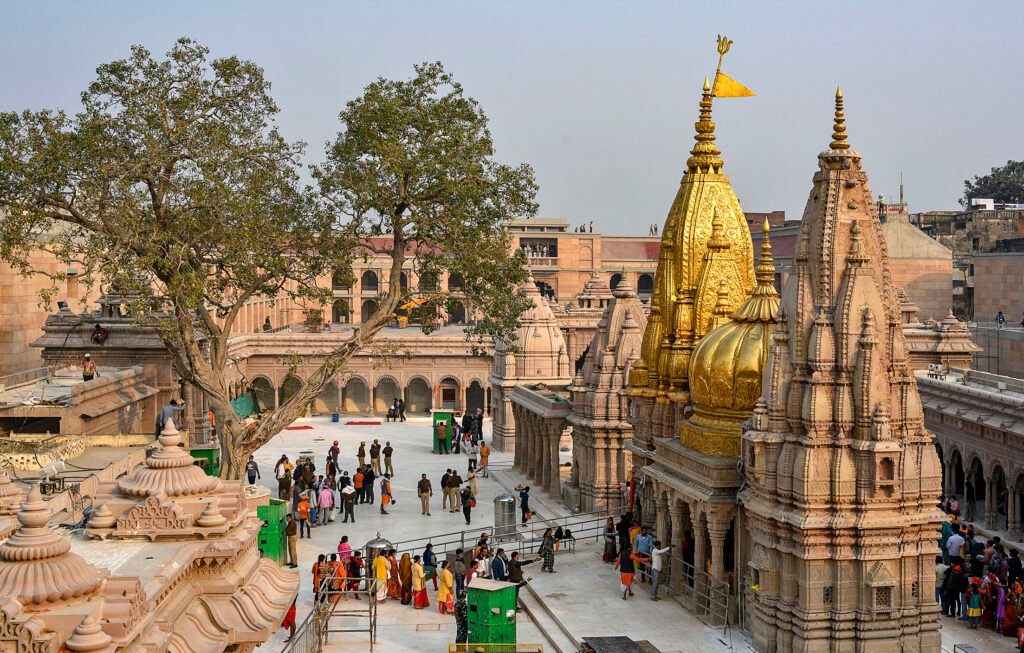
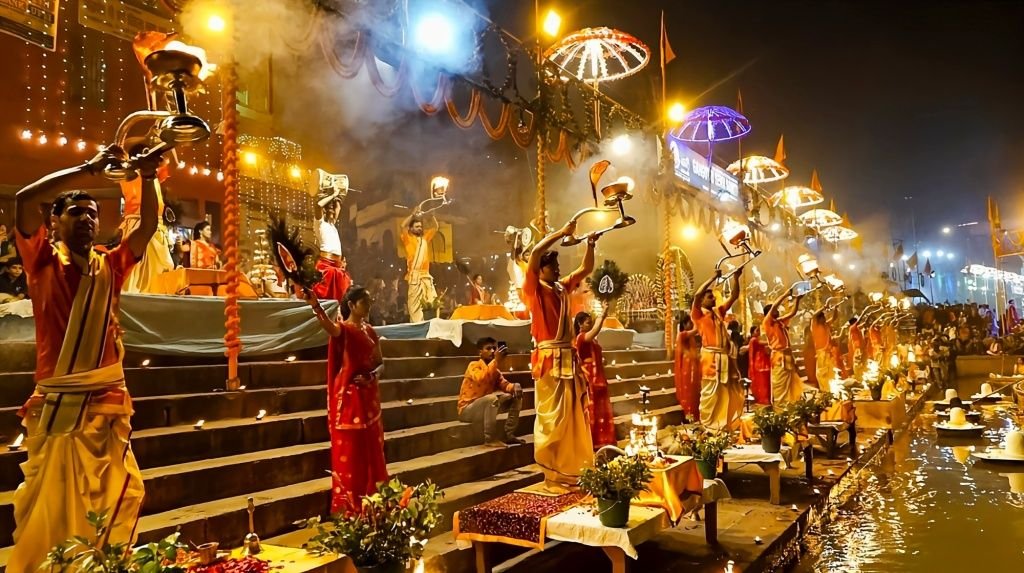
Unique features of the Kashi Vishwanath Temple include its golden dome and spire, which glisten in the sunlight and serve as a beacon for pilgrims. The temple is also home to numerous smaller shrines dedicated to various deities, with intricate carvings that reflect India’s rich cultural heritage. Devotees commonly perform rituals such as offering milk, honey, and flowers to the Shiva linga, signifying devotion and surrender.
The temple’s location within the bustling lanes of Varanasi adds to its allure, allowing visitors to witness the vibrant culture and traditions of the city. The Kashi Vishwanath Temple not only represents a place of worship but also symbolizes the intersection of faith, history, and the relentless quest for spiritual enlightenment among its devotees. Its significance in the context of Indian spirituality cannot be overstated, marking it as a must-visit destination for anyone embarking on a spiritual journey in North India.
Kedarnath Temple, Uttarakhand
The Kedarnath Temple is one of the holiest shrines dedicated to Lord Shiva, situated in the Kedarnath mountain range of Uttarakhand, India. Nestled at an elevation of approximately 3,583 meters (11,755 feet) above sea level, it is accessible only for a few months each year due to harsh winter conditions. This high-altitude location adds a unique allure to the temple, attracting thousands of devotees and adventure seekers who embark on this pilgrimage.
The origin of the Kedarnath Temple is steeped in mythological significance. It is said to be one of the twelve Jyotirlingas, which are sacred to Lord Shiva. According to Hindu mythology, the Pandavas, the central characters in the epic Mahabharata, sought Lord Shiva’s blessings to atone for their sins committed during the Kurukshetra War. The legend states that Lord Shiva evaded them, hiding in the form of a bull. Eventually, he reappeared at Kedarnath, establishing the sanctity of this site.
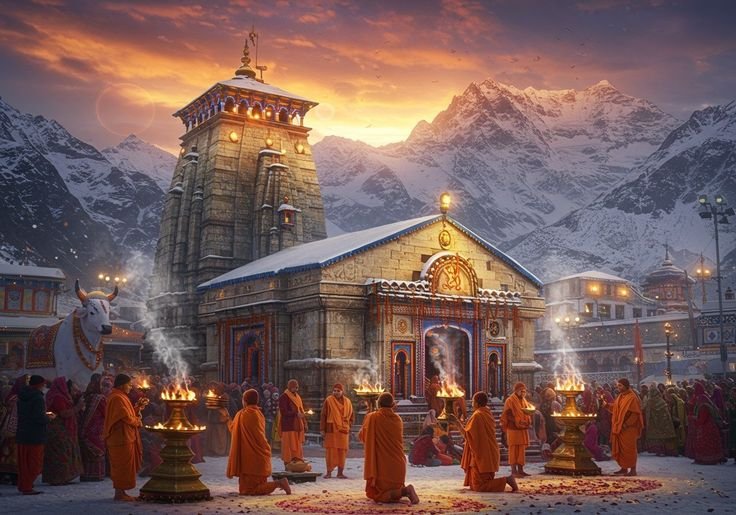
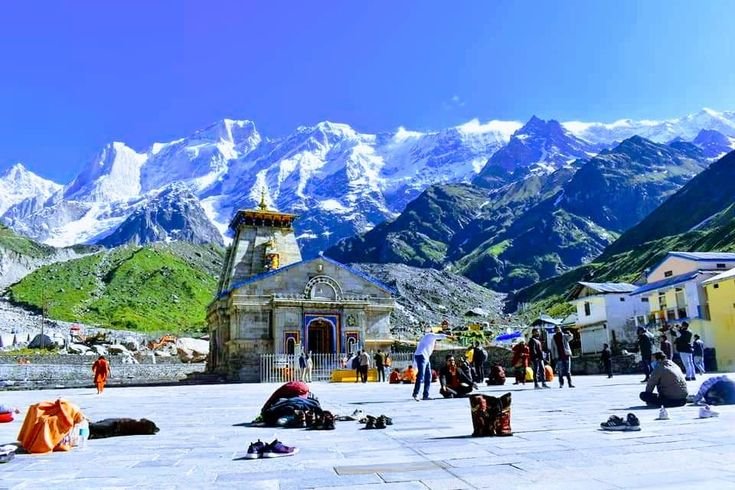
The journey to Kedarnath begins from Gaurikund, where pilgrims have the option of trekking approximately 16 kilometers (10 miles) or taking a pony or palanquin to reach the temple. This pilgrimage offers breathtaking views of the majestic Himalayas, ancient trees, and the serene ambiance of the mountains, making the arduous trek not just a spiritual journey, but also a memorable experience. Pilgrims often express a profound sense of peace and reverence upon reaching the temple, where they can participate in various rituals and seek the divine blessings of Lord Shiva.
Every year, the Kedarnath Temple serves as a beacon of faith for millions, standing proudly as a testament to the spiritual heritage of India. The combination of its high-altitude location, rich mythology, and the captivating journey it offers makes Kedarnath a must-visit for anyone interested in exploring the profound spirituality of the region.
Pashupatinath Temple, Kathmandu
The Pashupatinath Temple, located on the banks of the Bagmati River in Kathmandu, Nepal, is one of the most sacred Hindu temples and holds immense significance for Indian pilgrims. Renowned as a UNESCO World Heritage Site, its architectural grandeur and rich cultural heritage attract thousands of visitors from diverse backgrounds every year. The temple complex, dedicated to Lord Shiva in his Pashupati form, showcases intricate wooden carvings and ornate structures that reflect the artistry of ancient Nepalese craftsmanship.
As a pilgrimage site, the Pashupatinath Temple serves as an essential destination for Hindus, particularly those from the Indian subcontinent. Devotees often flock here to perform rituals associated with birth and death, seeking blessings and spiritual solace. The temple’s ghats, where cremation ceremonies are held, carry profound religious significance. Witnessing these rituals provides pilgrims with insights into Hindu beliefs surrounding life, death, and rebirth, reinforcing the temple’s status as a vital part of the Hindu spiritual journey.

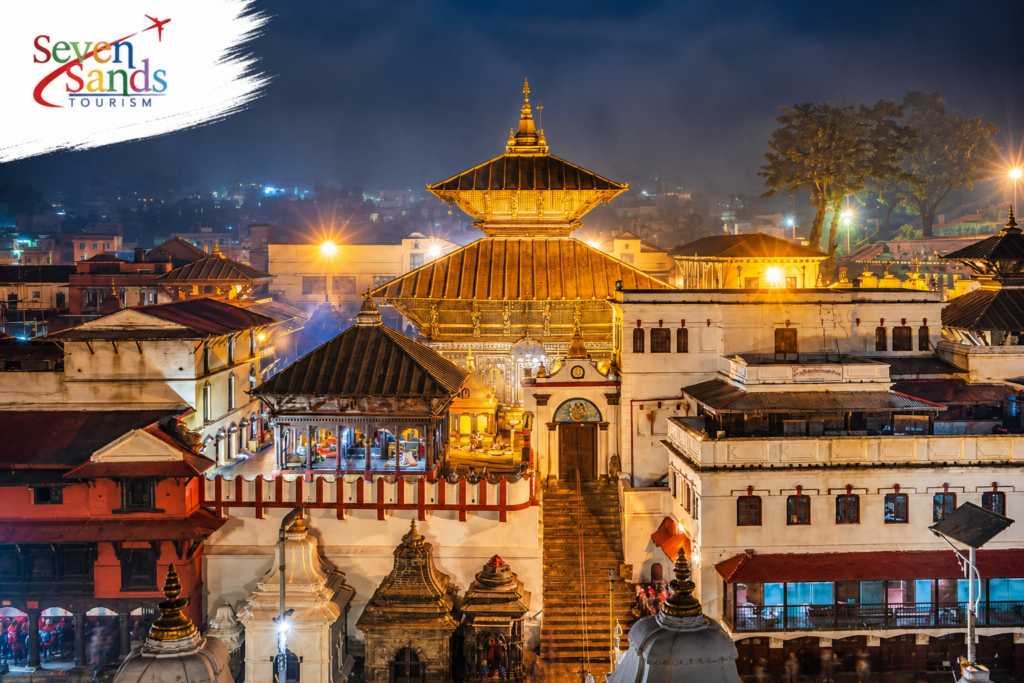
The temple complex features numerous smaller shrines dedicated to various deities and manifestations of Lord Shiva. Among these, the two-tiered pagoda-style structure of the main temple is particularly noteworthy, as it houses a linga representing Lord Shiva. Rituals and festivals here, such as Maha Shivaratri, attract devotees who engage in night-long vigils, chanting, and prayer. The atmosphere during these periods pulsates with devotion, making it a vibrant cultural experience.
Not only does Pashupatinath serve as a religious landmark, but it also embodies the blend of cultural traditions between Nepal and India, fostering a shared spiritual heritage. This remarkable temple continues to be a beacon of faith, inspiring reverence among millions who visit.
Amarnath Cave Temple, Jammu & Kashmir
The Amarnath Cave Temple stands as one of the most revered shrines dedicated to Lord Shiva in North India, located in the breathtaking landscapes of Jammu & Kashmir. According to Hindu mythology, this sacred site is believed to be the place where Lord Shiva revealed the secrets of immortality to Goddess Parvati. The legend narrates that after a journey fraught with numerous challenges, Lord Shiva and his consort reached this hidden cave, where he created an ice Shiva Lingam, a natural formation formed by the freezing water dripping down the cave’s walls. This unique phenomenon draws countless pilgrims every year.
The pilgrimage, known as the Amarnath Yatra, is not only a spiritual journey but also a test of endurance, as devotees trek through rugged mountain paths and often face torrential weather conditions. The journey begins from Pahalgam or Baltal, with both routes presenting their own challenges, thereby making the experience both taxing and rewarding. Pilgrims typically walk or ride ponies through these treacherous trails, highlighting the dedication and commitment to pay homage to Lord Shiva.
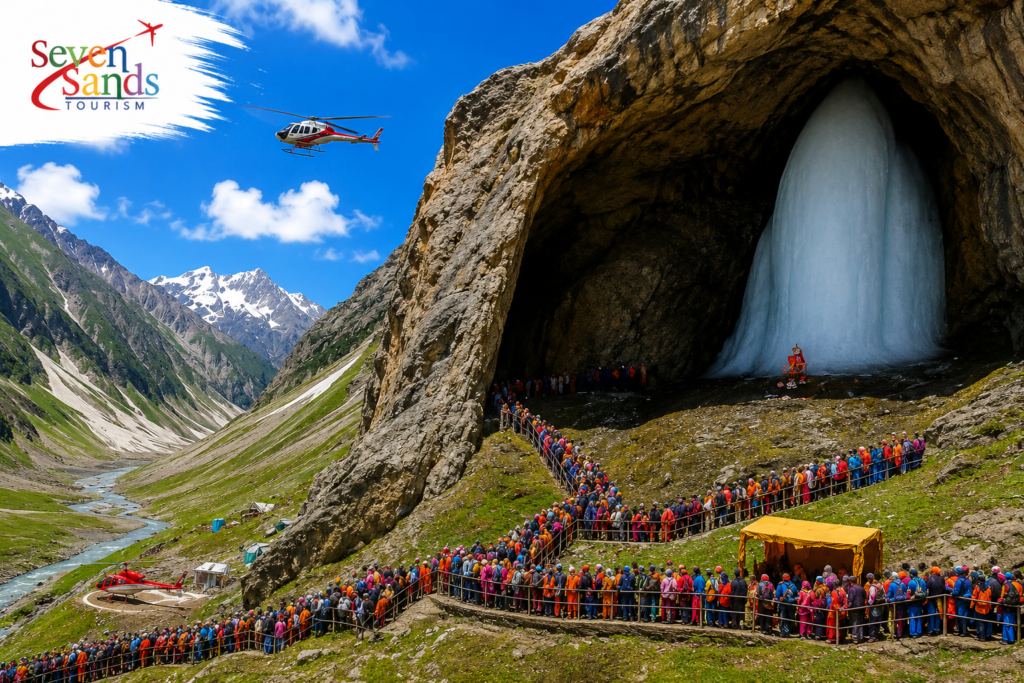
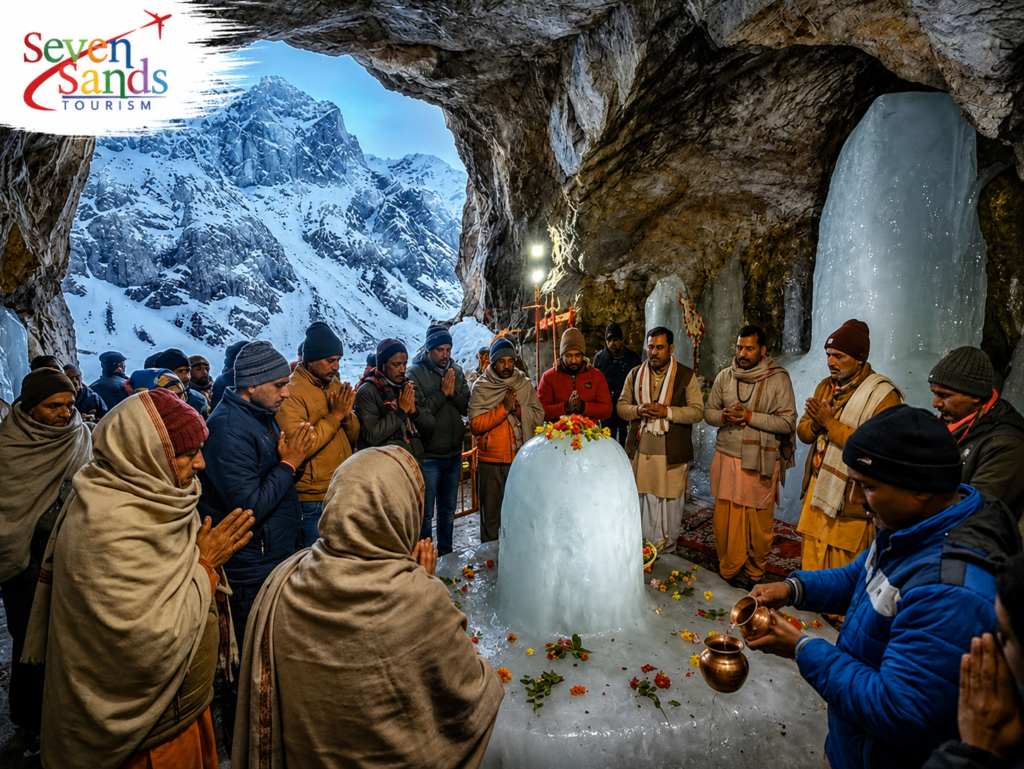
The Amarnath Cave Temple is opened during a specific period each year, traditionally starting in late June and concluding in early August, coinciding with the Hindu month of Shravan. During this period, the cave attracts thousands of devotees from various parts of India, who come to witness the divine Shiva Lingam and participate in the rituals and offerings held in the temple premises. The processions, prayers, and the overall atmosphere during the Yatra significantly enhance the spiritual connection and reverence toward Lord Shiva.
In essence, the Amarnath Cave Temple is not just a pilgrimage site; it is a symbol of faith and perseverance. The legends surrounding this cave, combined with the physical challenges faced by pilgrims, culminate in a rich tapestry of devotion that continues to inspire many, making it a significant part of the spiritual landscape of North India.
Bhimashankar Temple, Maharashtra
The Bhimashankar Temple, dedicated to Lord Shiva, is a revered pilgrimage site located in the Pune district of Maharashtra. This ancient temple is believed to date back to the 13th century, showcasing intricate carvings and a blend of architectural styles that reflect the evolving design sensibilities of the period. The temple is primarily built in the Nagara style, characterized by its towering shikhara (spire) and elaborately adorned entrances. Its intricate sculptures depict various deities, a testament to the skilled craftsmanship of the artisans who worked on the temple.
Nestled in the Western Ghats, the Bhimashankar Temple is not only a significant religious site but also part of a breathtaking natural landscape. The surrounding lush forest is home to the Bhimashankar Wildlife Sanctuary, which is recognized for its rich biodiversity. This area is a habitat for numerous endemic species, including the elusive Indian Giant Squirrel, making it a popular destination for nature enthusiasts and wildlife photographers. The sanctuary features several trekking trails that allow visitors to immerse themselves in the serene environment while observing the unique flora and fauna endemic to this region.
The sacred Bhima River, which originates near the temple, adds to the spiritual aura of the location. It is believed that taking a dip in the river purifies one’s soul and brings blessings from Lord Shiva. Devotees flock to the temple, particularly during the festival of Mahashivaratri, to partake in various religious ceremonies and rituals, enhancing the temple’s vibrant atmosphere.
Baidyanath Temple, Jharkhand
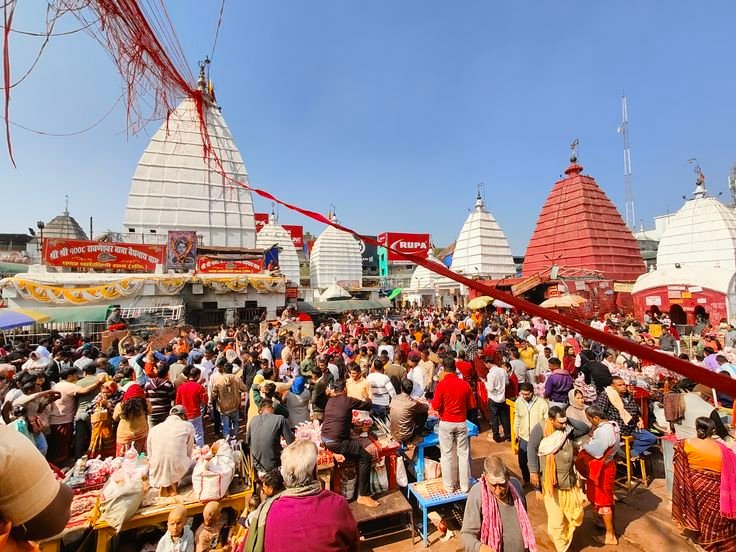
The Baidyanath Temple, revered as one of the twelve Jyotirlingas in India, stands as a significant spiritual and cultural landmark in Jharkhand. This temple, dedicated to Lord Shiva, attracts countless devotees each year, who visit to seek blessings and partake in the sacred rituals that define the essence of this holy site. The historical significance of Baidyanath Temple is vast, with many legends interwoven into its narrative, illustrating its revered status in Hindu mythology.
One of the most prominent myths associated with the Baidyanath Temple tells the story of Lord Shiva, who took the form of a physician to cure his beloved Parvati after she was afflicted with a severe ailment. It is believed that the temple marks the spot where Shiva, in his guise as the healer, revealed himself as a manifestation of the divine. This tale not only enhances the spiritual allure of the temple but also solidifies its importance in the broader context of Hindu traditions and beliefs.
Each year, the temple witnesses a significant influx of pilgrims, particularly during theShravan month, when devotees from far and wide undertake arduous journeys to pay their respects. The pilgrimage often involves rituals that are steeped in tradition and are aimed at invoking the blessings of Lord Shiva. Visitors engage in the practice of offering water, milk, and flowers to the Jyotirlinga, a representation of Shiva, as an eternal flame dedicated to the deity is housed in its sanctum. This annual pilgrimage season transforms the temple into a vibrant hub of spirituality and communal faith.
In essence, Baidyanath Temple serves as a major beacon of devotion for the followers of Hinduism, blending historical reverence with mythological depth, making it a must-visit destination for those exploring the famed Shiva temples of North India.
Bholenath Temple, Himachal Pradesh
Nestled amidst the majestic mountains of Himachal Pradesh, the Bholenath Temple is a revered site dedicated to Lord Shiva. Its picturesque location, surrounded by dense deodar trees and the serene flowing waters of the river, offers a tranquil escape for both pilgrims and tourists. The temple lies in a region that is well-known for its natural beauty, making it a significant spiritual and travel destination.
The temple is deeply embedded in local folklore, with numerous legends contributing to its mystical aura. One prominent story tells of a sage who was blessed by Lord Shiva after years of penance in the surrounding forest. In gratitude, the sage established the Bholenath Temple to commemorate this sacred encounter. Such stories are often narrated by the locals, enriching the visitors’ experience and providing insights into the region’s spiritual heritage.
Festivals at Bholenath Temple attract devotees from far and wide, enhancing its status as a significant spiritual hub. The most notable festival celebrated here is Maha Shivaratri, which honors Lord Shiva and attracts thousands of worshippers who come to offer prayers and participate in the various rituals. During this time, the temple is adorned with flowers, lights, and vibrant decorations, creating a festive atmosphere that is both reverent and exhilarating. Devotees often observe fasting and engage in night-long prayers, invoking blessings from Bholenath.
Additionally, the temple celebrates other festivals related to the lunar calendar, drawing crowds to partake in the communal celebrations, music, and dance. The combination of natural beauty, rich legends, and vibrant festivities makes Bholenath Temple a must-visit destination for those exploring the spiritual landscape of North India.
Conclusion: The Allure of Shiva Temples and Spiritual Tourism
Visiting Shiva temples in North India represents more than just a pilgrimage; it is a profound journey toward spiritual growth and self-discovery. These sacred sites, deeply woven into the cultural fabric of the region, attract millions of devotees and tourists alike. The temples are not merely structures of stone and artistry; they stand as symbols of divine energy and human aspiration. Each temple, with its unique architectural features and rich history, offers a distinct experience that resonates with travelers on various levels.
The act of visiting these revered places fosters a sense of connection to something greater than oneself. As pilgrims embark on this journey, they encounter not only the physical beauty of these temples but also the tranquility that often accompanies spiritual exploration. The serene environments of the temples allow visitors to reflect, meditate, and immerse themselves in the teachings associated with Lord Shiva. This sacred exploration can lead to significant personal transformations and a heightened sense of awareness.
Seven Sands Tourism plays a pivotal role in facilitating these transformative experiences. By providing comprehensive travel packages that include guided tours, accommodations, and cultural insights, they enable travelers to engage more deeply with their spiritual endeavors. Their commitment to enhancing the pilgrimage experience ensures that visitors can focus on personal growth and spiritual connection without the distraction of logistical concerns. Through innovative travel itineraries and expert guidance, Seven Sands Tourism champions the unique stories and legacies behind each temple, fostering a greater appreciation of the profound spiritual experiences they offer.
In summary, the allure of visiting the famous Shiva temples in North India lies in their ability to cultivate inner peace, inspire self-reflection, and awaken spiritual consciousness. By embarking on this journey with Seven Sands Tourism, individuals can discover not only the magnificence of these sacred sites but also embark on a path of significant personal growth and enlightenment.
Table of Contents
Frequently Asked Questions (FAQs)
Which are the most famous Shiva temples in North India that every devotee must visit?
North India’s top Shiva temples include Kashi Vishwanath (Varanasi), Kedarnath (Uttarakhand), Tungnath (world’s highest Shiva temple), Triyuginarayan, Bhootnath Temple (Manali), Neelakanth Mahadev (Rishikesh), Jageshwar Dham (Almora), and Eklingji (Rajasthan). Seven Sands Tourism covers all 15 iconic shrines across UP, Uttarakhand, Himachal Pradesh, and Rajasthan in one curated yatra package.
What is the best time to visit Shiva temples in North India?
- Varanasi & UP temples — Open year-round; best from October to March.
- Kedarnath & Uttarakhand temples — Open May to November only.
- Manali Shiva temples — Best in April–June and September–October.
- Maha Shivaratri (Feb–March) — Best festival time across all North India temples.
Avoid July–August for high-altitude shrines due to landslides and heavy rain.
How do I reach Kedarnath Temple from Delhi?
- By Air: Delhi → Dehradun airport → Sonprayag by road → Gaurikund → 16 km trek or helicopter.
- By Train: Delhi → Haridwar/Rishikesh → Sonprayag by road → Gaurikund.
- By Road: Delhi → Rishikesh → Rudraprayag → Sonprayag (approx. 450 km, 10–12 hrs).
- Helicopter: Available from Phata, Sirsi, or Guptkashi helipads.
Seven Sands Tourism arranges end-to-end transfers, helicopter booking, and porter services.
Is Kashi Vishwanath Temple in Varanasi accessible for senior citizens?
Yes. After the 2021 Kashi Vishwanath Corridor upgrade, the temple is fully senior-friendly. It has wheelchair ramps, dedicated lanes, locker facilities, digital queue management, and clean restrooms. Best visiting hours for seniors are early morning (4–6 AM) or evening aarti (7–8 PM). Seven Sands pre-books VIP darshan to avoid long queues.
What are the Panch Kedar temples in Uttarakhand?
The Panch Kedar are five ancient Shiva shrines in Uttarakhand:
- Kedarnath — 3,583 m, main Jyotirlinga
- Tungnath — 3,680 m, world’s highest Shiva temple
- Rudranath — face of Shiva, accessible by trek
- Madhyamaheshwar — navel of Shiva, alpine meadows
- Kalpeshwar — hair of Shiva, open year-round
The full Panch Kedar Yatra takes 15–18 days. Seven Sands handles guides, stays, and emergency support throughout.
How much does a Shiva temple tour package cost with Seven Sands Tourism?
| Package | Duration | Price (Per Person) |
|---|---|---|
| Varanasi + UP Temples | 3–4 nights | ₹31,000–₹34,000 |
| Varanasi + Kedarnath | 12–13 nights | ₹68,000–₹78,000 |
| Panch Kedar Yatra | Custom | On Request |
| All 15 Temples Grand Tour | Custom | On Request |
Includes stay, sattvic meals, transport, guide, and puja arrangements. Group discounts available for 5+ persons.
What dress code and rules should I follow at North India Shiva temples?
- Dress: Traditional Indian attire preferred. No shorts, sleeveless tops, or leather items inside.
- Documents: Valid govt. ID (Aadhaar/Passport) mandatory for Kedarnath and all Uttarakhand shrines.
- Prohibited: Mobile phones restricted in many sanctums. No non-veg food, alcohol, or tobacco near temple zones.
- Health: Basic fitness required for Kedarnath. Consult a doctor if you have heart or altitude issues.
Seven Sands provides a complete pre-departure checklist and handles Devasthanam registration.
Which are the best offbeat Shiva temples in North India beyond Kedarnath and Varanasi?
- Jageshwar Dham, Almora — 124 ancient temples in a deodar forest, older than Kedarnath.
- Baijnath Temple, Himachal Pradesh — 13th-century shrine with rare Parvati idol.
- Eklingji Temple, Rajasthan — stunning white marble, patron deity of Mewar dynasty.
- Neelakanth Mahadev, Rishikesh — legendary spot at 1,675 m where Shiva drank the Halahala poison.
- Bijli Mahadev, Kullu — famous for its lightning-struck Shivalinga rebuilt with butter every year.
Seven Sands offers an exclusive 10-day Offbeat Shiva Temples Tour covering 6 hidden shrines — ideal for repeat pilgrims.