Introduction to Harishchandra Ghat
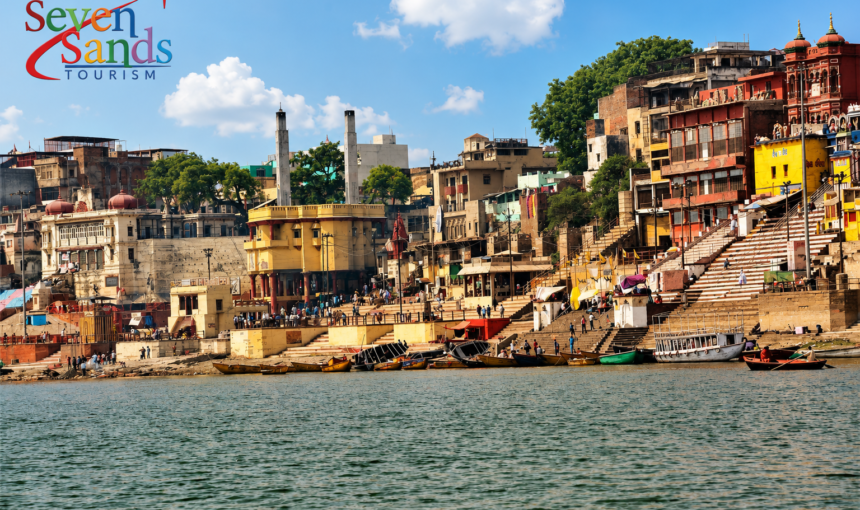
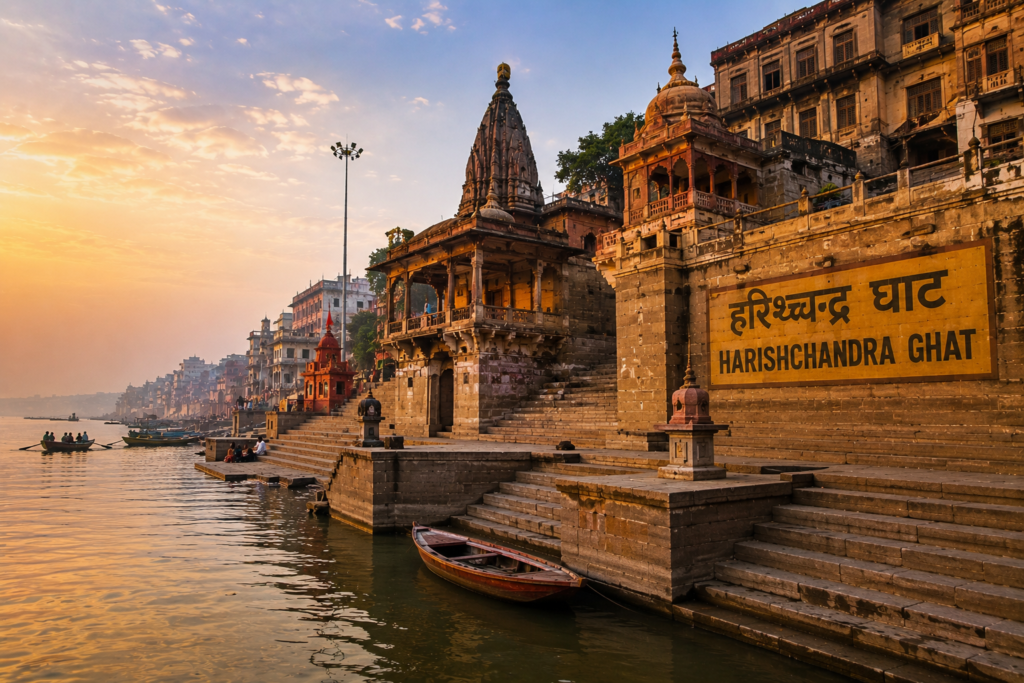
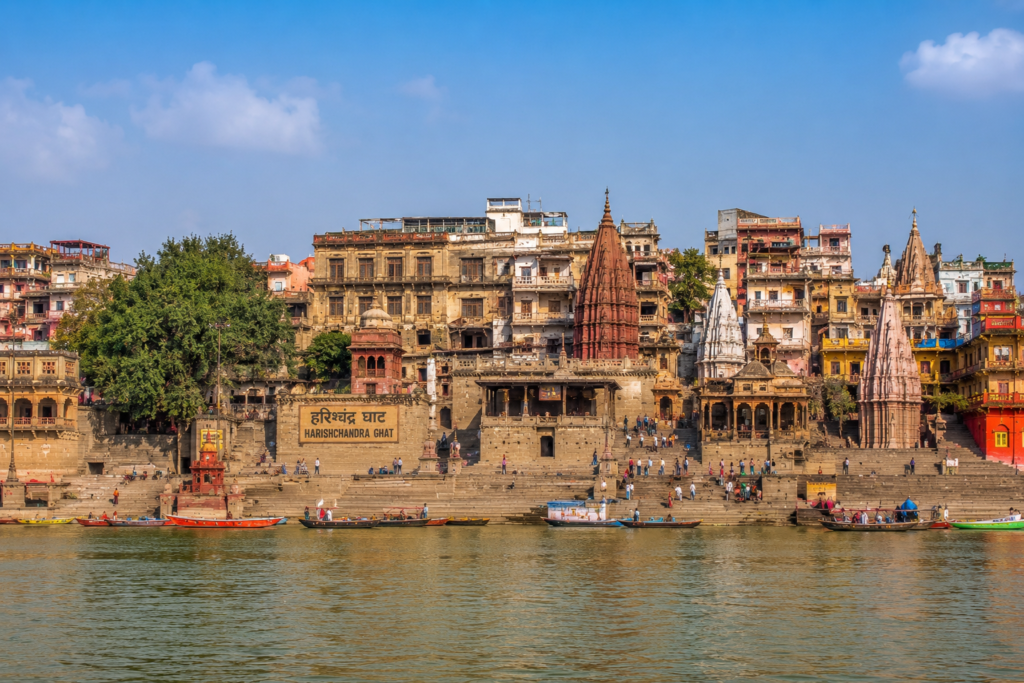
Harishchandra Ghat, situated along the sacred banks of the Ganges River in Varanasi, holds profound significance in the realm of Hindu funerary practices. It is predominantly recognized as a major cremation ghat, where the last rites are performed, and the departed souls are bid farewell to ensure a transition towards the afterlife. This ghat is reverently named after King Harishchandra, a figure celebrated in Hindu mythology for his unwavering commitment to truth and righteousness, making it a vital part of Varanasi’s spiritual fabric.
The geographical location of Harishchandra Ghat enhances its spiritual allure. Nestled in the vicinity of the bustling city of Varanasi, it is readily accessible to devotees and visitors alike, drawing individuals who seek to honor their loved ones or pay respects to the deceased. Its role as a cremation site is deeply intertwined with local beliefs, as many Hindus believe that being cremated here helps attain Moksha, or liberation from the cycle of birth and rebirth. This underscores the ghat’s importance not only as a physical location but also as a spiritual landmark that supports the beliefs of countless individuals.
Moreover, Harishchandra Ghat serves as an insightful reflection of Varanasi’s rich cultural heritage and historical background. It embodies the intersection of life, death, and the sacred journey of the soul in the context of Hindu traditions. Beyond its primary function, the ghat is often described as a witness to the timeless rituals and spiritual engagements that define Varanasi, a city renowned for its sanctity and deep-rooted connection to emotional and spiritual practices. Consequently, Harishchandra Ghat remains an essential part of the narrative around Varanasi’s enduring cultural and spiritual landscape.
Historical Background of Harishchandra Ghat
Harishchandra Ghat, one of the most significant cremation sites in Varanasi, carries a rich history intertwined with mythology and spirituality. Its origins are deeply rooted in the ancient tales of King Harishchandra, a ruler known for his unwavering commitment to truth and righteousness. According to popular legends, the king sacrificed everything he held dear—including his kingdom and family—to keep a promise he made regarding truthfulness. The poignant tale of his sacrifice resonates with visitors who seek to pay their respects at this sacred site.
The significance of Harishchandra Ghat transcends its role as a cremation ground. It serves as a symbol of the eternal cycle of life and death, reinforcing the belief in the soul’s immortality. Over centuries, this ghat has become a focal point for those who seek spiritual solace, as it is believed that performing last rites here can liberate the soul from the cycles of rebirth.
Through historical accounts, numerous events have contributed to the evolving identity of Harishchandra Ghat. The ghat was a center for various spiritual activities and religious gatherings, drawing pilgrims from across the country who wish to pay homage to the spirits of their ancestors. British colonial influence in the 19th century also marked a transformative period for this site, leading to restoration efforts and a greater emphasis on its spiritual and cultural importance.
In contemporary times, Harishchandra Ghat remains a critical element of Varanasi’s identity, reflecting its adaptability and the enduring nature of its historical narratives. The ghat continues to attract tourists and spiritual seekers alike, testament to its lasting significance in the rich tapestry of Indian culture and beliefs. Understanding this ghat’s history provides valuable insights into its revered status, making it a must-visit destination for those traveling to Varanasi.
Spiritual Significance of Harishchandra Ghat
Harishchandra Ghat is one of the most revered cremation grounds in Varanasi, holding profound spiritual significance within the Hindu religious framework. It is believed that the rituals performed here greatly aid in the process of moksha, or liberation from the cycle of birth and death. According to Hindu belief, attaining moksha is the ultimate goal of life, and Harishchandra Ghat is considered a sacred portal to this liberation, particularly due to its proximity to the Ganges River, which is recognized for its purifying properties.
The ghat derives its name from King Harishchandra, who is celebrated in Hindu mythology for his unwavering adherence to truth and righteousness. According to legends, this location was where the king himself performed the rites for his deceased son, epitomizing the acceptance of mortality. The poignant tales of sacrifice, love, and the pursuit of truth associated with Harishchandra underline its spiritual essence, attracting countless pilgrims seeking solace and enlightenment.
At Harishchandra Ghat, the traditional practices that unfold hold extreme importance. The rituals involved, ranging from the washing of the mortal remains in the Ganges to the final cremation rites, are believed to facilitate a smooth transition for the departed soul. Visitors often engage in various purifying ceremonies, seeking blessings for themselves and their loved ones. This ghat serves not only as a cremation site but also as a space for reflection, where the transient nature of life is acknowledged, prompting individuals to embrace their own spiritual journeys.
Furthermore, the presence of numerous sadhus (holy men) and spiritual practitioners around the ghat amplifies its significance. They often impart knowledge and spiritual guidance to those who come to seek answers about life, death, and the afterlife. Consequently, Harishchandra Ghat stands as a fulcrum of spiritual energy, fostering a deep connection between the material and the spiritual realms, making it a vital pilgrimage destination for many Hindu devotees.
Rituals and Traditions at Harishchandra Ghat
Harishchandra Ghat, one of the most revered cremation sites in Varanasi, showcases a myriad of rituals and traditions that hold profound spiritual significance. This ghat is primarily known for its cremation practices, where the deceased are respectfully cremated in accordance with Hindu customs. The process begins with the gathering of family members and friends, who bring the body wrapped in cloth to the ghat, accompanied by the chanting of sacred hymns. The rituals emphasize the belief in the cycle of life and death, symbolizing the belief that the soul transcends to a higher plane after the cremation, which is viewed as a sacred act of release.
In addition to cremation, daily rituals performed at Harishchandra Ghat include the offering of prayers and lighting of diyas (lamps). These rituals are not only significant for the families mourning their loved ones but also serve the broader community by reinforcing the concepts of duty towards the departed and unity among the living. Every evening, devotees participate in the Ganga Aarti, an intricate ceremony that involves the worship of the River Ganges, where offerings of flowers and light are made. This ceremony highlights the spiritual connection between the river and the divine, drawing many visitors and spiritual seekers to the ghat.
Specific ceremonies are also observed during festivals, such as Makar Sankranti and Ekadashi, where rituals become community events celebrated with great fervor. On these occasions, thousands gather to partake in collective prayers and rituals, strengthening the bond within the community. The continuous tradition of performing these rituals at Harishchandra Ghat underscores its importance not only as a place of cremation but also as a vibrant center of spiritual life, renewal, and remembrance in Varanasi.
Other Famous Ghats in Varanasi
Varanasi, known for its spiritual essence, is home to numerous ghats, each offering unique experiences and cultural significance. Among these, Dashashwamedh Ghat, Assi Ghat, and Manikarnika Ghat stand out for their historical import and vibrant atmosphere.
Dashashwamedh Ghat is one of the most prominent ghats in Varanasi, renowned for its ceremonial Ganga Aarti that draws thousands of visitors daily. This ghat has a rich historical background, believed to be the site where Lord Brahma performed a ritual to welcome Lord Shiva. The evening Aarti, with its enchanting chants and visual splendor of lamps being offered to the river, creates an unforgettable experience, accentuating the deep spiritual fabric of this ancient city.
Assi Ghat, located at the southern end of Varanasi, is favored for its serene ambiance and scenic beauty. This ghat is often visited by tourists and locals alike, offering a perfect spot for relaxation and meditation. It holds a special place during the festival of Ganga Dussehra, where devotees participate in various rituals and cultural activities. The ghat’s proximity to the Assi River adds to its charm, making it a wonderful location for leisurely boat rides and evening strolls along the riverside.
Manikarnika Ghat, in contrast, serves as the primary cremation ghat of Varanasi and is steeped in profound spiritual relevance. It is believed that those who are cremated here achieve moksha (liberation from the cycle of life and death). The continuous processions, along with the accompanying rituals, offer visitors a gaze into the sacred customs that define Varanasi. Observing the activities at Manikarnika provides insight into the profound beliefs surrounding life and death in Hindu culture.
In conclusion, exploring the various ghats of Varanasi reveals a microcosm of spiritual life, showcasing the city’s rich heritage and communal practices. Each ghat offers a distinctive slice of Varanasi’s cultural tapestry, inviting visitors to engage with the timeless traditions that have thrived for centuries.
Travel Guide to Harishchandra Ghat
Harishchandra Ghat, one of the most revered cremation grounds located in Varanasi, carries both historical and spiritual significance. As a visitor, it’s essential to understand the best times to explore this unique site. The ideal months to visit are from October to March when the weather is pleasantly cool, allowing for a more comfortable experience while engaging with the surroundings.
The ghat is accessible throughout the day, with peak hours usually occurring during the early morning and late evening. It is during these times that many assist their loved ones in cremation rituals, making these hours spiritually intense and deeply moving. As a visitor, you should be respectful and observant of the ceremonies taking place.
Travel tips for visiting Harishchandra Ghat include ensuring that you dress conservatively, keeping in mind the cultural sensitivities associated with the site. Photographers should also be aware of the local regulations regarding photography, especially during rituals. It is advisable to seek permission when capturing images of ceremonies or individuals involved in grief.
Planning your visit requires consideration of local transport options. Hiring a cycle rickshaw or taxi is recommended to reach the ghat conveniently. However, as the surroundings can be quite crowded, walking along the bustling streets of Varanasi can also offer a truly authentic experience.
When at the ghat, be prepared for profound moments and reflections on life, death, and spirituality. Observing the rites can be a moving experience, but it’s important to maintain a respectful distance from the grieving families. Additionally, visitors should remain mindful of the sacred nature of the site, ensuring that their activities do not disrupt the solemnity of the environment.
Places to Visit Near Harishchandra Ghat
Harishchandra Ghat, renowned for its spiritual significance, is surrounded by various attractions that encapsulate the rich cultural heritage of Varanasi. One of the must-visit places is the Manikarnika Ghat, which is often considered the principal cremation ground and holds immense religious importance for Hindus. Similarly, Dashashwamedh Ghat is nearby, famous for its evening Ganga Aarti ceremony, where pilgrims gather to witness the stunning ritual, creating a mesmerizing atmosphere filled with devotional fervor.
In addition to the ghats, you can explore numerous ancient temples including the Kashi Vishwanath Temple, one of the most revered religious sites in India. This temple is dedicated to Lord Shiva and attracts visitors worldwide, making it essential for any traveler in Varanasi. Another significant temple is the Tulsi Manas Mandir, celebrated for its unique architecture and poignant inscriptions of the Ramcharitmanas.
For those interested in markets, the Godowlia Market is a bustling hub just a stone’s throw away. It offers a wide array of local handicrafts, textiles, and traditional souvenirs that capture the spirit of Varanasi. Culinary enthusiasts can enjoy local delicacies at nearby eateries where traditional Indian cuisine is served, providing a true taste of the region.
When considering accommodation, options abound ranging from budget-friendly hostels to luxurious hotels. Several hotels offer stunning views of the Ganges, allowing for an unmatched experience during your stay. Whether you seek a religious pilgrimage or a cultural exploration, the surroundings of Harishchandra Ghat provide a multitude of enriching experiences that cater to all travelers.
Kashi Pilgrimage Tour and Spiritual Tourism in Banaras
The city of Varanasi, often referred to as Kashi, holds immense significance for pilgrims seeking spiritual solace. As one of the oldest living cities in the world, it attracts numerous visitors looking to engage in spiritual tourism. The pilgrimage experience in Varanasi is unique, as it offers an array of rituals, traditions, and sacred sites that resonate with cultural and spiritual depth.
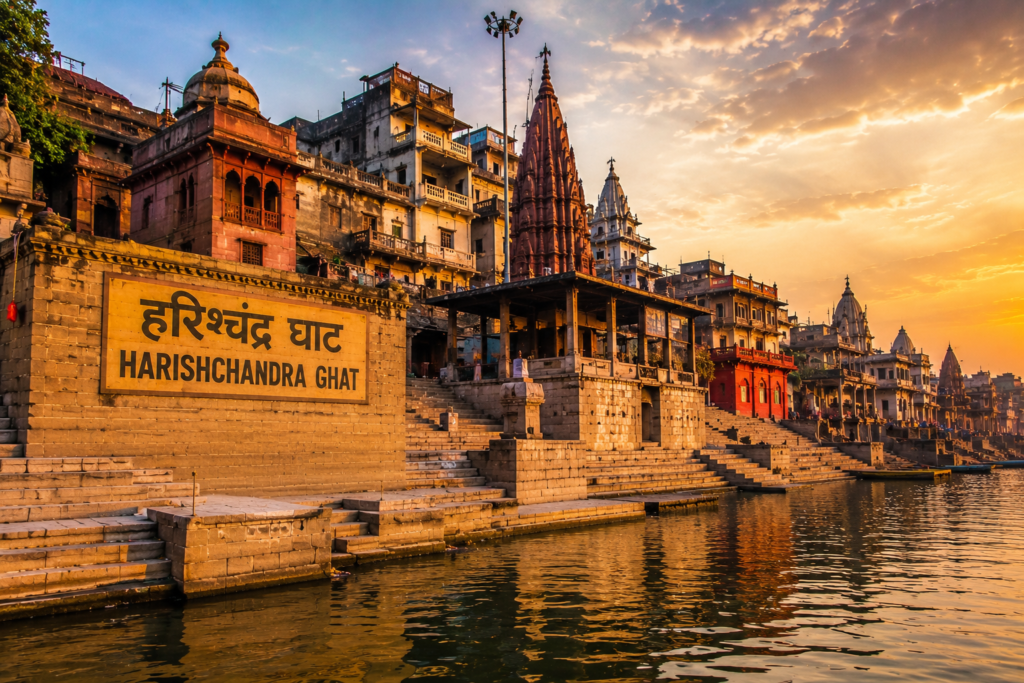
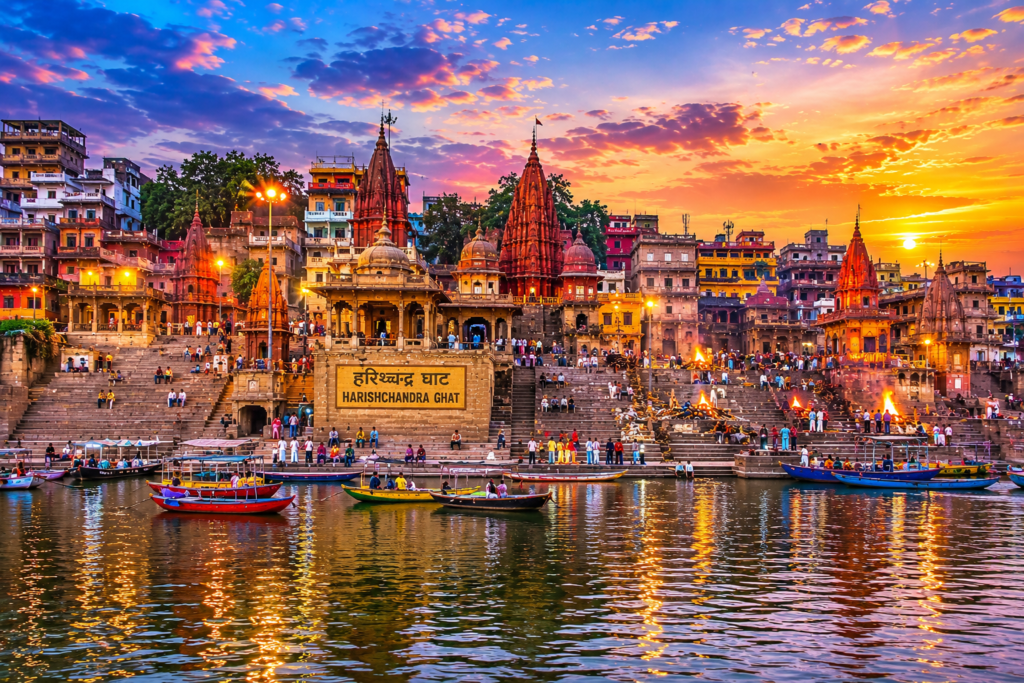
At the heart of Kashi’s spiritual tourism are the famed ghats along the Ganges River. Each ghat has its own unique story and significance, offering pilgrims a profound connection to their spiritual journey. The Harishchandra Ghat, among the most important, is dedicated to the performance of last rites, underscoring the belief in the cycle of life and death, which is central to Hindu philosophy. Pilgrims believe that visiting these ghats can grant them spiritual merit, making it an essential part of their pilgrimage tour.
Organized tours focusing on Kashi pilgrimage offer comprehensive itineraries that allow visitors to explore multiple ghats and temples. These tours often include guided experiences that provide historical and cultural context, enriching the visitor’s understanding of Varanasi’s spiritual landscape. In addition to visiting ghats, attendees partake in rituals such as Ganga Aarti, a spectacular evening ceremony that showcases devotion and reverence towards the river, further enhancing the overall experience.
Spiritual seekers find that their visit to Varanasi transcends mere sightseeing. It becomes a transformative experience marked by introspection, meditation, and connection with others on similar spiritual paths. The convergence of age-old traditions and modern spirituality fosters a profound sense of belonging, making Kashi a centerpiece for spiritual tourism in India. Through its historical roots and spiritual ambiance, Varanasi continues to be a beacon for those embarking on their pilgrimage journeys.
Conclusion and Visitor Tips
Harishchandra Ghat is a poignant symbol of the rich cultural and spiritual tapestry that defines Varanasi. As one of the oldest ghats on the banks of the Ganges, it holds significant historical value and continues to play an integral role in the lives of countless pilgrims and visitors. The site is not only a place for the final rites of the deceased but also a hub for deeply spiritual experiences, offering travelers a unique glimpse into the rituals and traditions that shape Hindu beliefs surrounding death and rebirth.
To enhance your visit to Harishchandra Ghat, it is crucial to approach the site with a sense of respect and awareness of cultural sensitivities. Visitors should dress modestly, avoiding overly casual or revealing attire to honor the solemn nature of the location. It is advisable to engage quietly with the environment, observing rituals from a respectful distance without interrupting mourners or ritual practitioners.
Travelers seeking to deepen their understanding of the site’s significance may consider hiring local guides who can provide insights into the history and customs associated with Harishchandra Ghat. This not only enriches the experience but also supports the local economy. When photographing at the ghat, always ask for permission, especially when photographing individuals engaged in rituals.
It is also recommended to plan visits during early mornings or late afternoons when the ghat is less crowded, allowing for a more contemplative atmosphere. Furthermore, exploring nearby attractions, such as the various temples and markets in the area, can round out the experience, offering a full appreciation of Varanasi’s vibrancy.
Ultimately, a visit to Harishchandra Ghat can be a profound experience, blending historical, spiritual, and cultural elements into a unique journey for every traveler. By adopting a respectful approach and being mindful of local customs, visitors can ensure their experience is both meaningful and memorable.
Table of Contents
Frequently Asked Questions (FAQs)
Why is Harishchandra Ghat considered more spiritually powerful than other ghats in Varanasi?
Harishchandra Ghat is one of the oldest and most sacred cremation ghats in the world. It is believed that being cremated here grants moksha — freeing the soul from the endless cycle of rebirth. It is named after the legendary King Harishchandra, who worked at this very cremation ground to uphold his promise of truth and sacrifice. Unlike other ghats, this place carries both mythological depth and living ritual. If you’re planning a spiritual visit to Varanasi, Seven Sands Tourism offers guided Kashi Yatra packages that include a meaningful evening visit to Harishchandra Ghat.
Is Harishchandra Ghat open 24 hours, and can tourists visit at night?
Yes, cremation ceremonies at Harishchandra Ghat happen continuously, and it is estimated that over 50 bodies are cremated here every day. Tourists can visit at any time, but early morning and evening are spiritually most rewarding. The ghats are most rewarding in the early morning and late afternoon to evening. Seven Sands Tourism recommends an early morning boat ride combined with a ghat walk so you can experience Harishchandra Ghat peacefully — without the crowd pressure of peak hours.
What is the difference between Harishchandra Ghat and Manikarnika Ghat — which one should I visit?
Both are cremation ghats, but they offer different experiences. Harishchandra Ghat is the oldest cremation ghat, named after the legendary King Harishchandra who worked here as a servant to pay his debts — it is quieter than Manikarnika. Manikarnika is larger, busier, and more widely known. For first-time visitors who want a deeper, more contemplative experience without overwhelming crowds, Seven Sands Tourism suggests visiting Harishchandra Ghat first — it gives you time to absorb the spiritual atmosphere with more peace and less tourist rush.
Can non-Hindu tourists attend cremation rituals at Harishchandra Ghat — what are the rules?
Yes, visitors of all faiths are welcome to observe respectfully from a distance. However, photography is strictly prohibited at cremation ghats including Harishchandra, and this rule is firmly enforced by locals and must be respected. Do not engage with anyone who approaches you claiming to collect donations for “wood for the poor” — this is a well-known scam. Seven Sands Tourism provides an experienced local guide with every Varanasi tour package who briefs visitors beforehand on ghat etiquette, so you never accidentally disrespect the rituals or fall for scams.
What is the best time of year to visit Harishchandra Ghat in 2026?
The best time to visit Varanasi is from October to March — the weather is cool and dry, making it perfect for walking along the ghats and comfortably enjoying the city’s spiritual atmosphere. Avoid April to June when temperatures soar to 40–45°C. Seven Sands Tourism runs special Kashi Ayodhya tour packages from Bangalore during the October–March season with comfortable stays, guided ghat walks, and Ganga Aarti arrangements — all planned to match the best visiting windows.
How do I reach Harishchandra Ghat from Varanasi Railway Station or Airport?
Harishchandra Ghat is located approximately 2 km from Assi Ghat and 6 km from Varanasi Junction, making it accessible from major points in the city. You can take an auto-rickshaw, e-rickshaw, or cab to reach near the ghat, and then walk through the narrow lanes (galis) to the riverside steps. Seven Sands Tourism handles all airport/railway pickup, local transfers, and ghat navigation as part of their Varanasi tour package — so you never have to worry about transport or getting lost in the old city lanes.
What unique festival is celebrated at Harishchandra Ghat that most tourists miss?
Masan Holi — also called Smashan Holi or Bhasma Holi — is celebrated at Harishchandra Ghat and Manikarnika Ghat, where the ashes of the deceased are used to play Holi, the festival of colours. It is a festival of truth — a stark reminder of mortality, detachment, and the eternal cycle of creation and destruction ruled by Lord Shiva. Most tourists are unaware of this rare spiritual event. Seven Sands Tourism can help you plan a perfectly-timed Varanasi visit to witness this once-in-a-lifetime experience safely and respectfully.
Does Harishchandra Ghat have modern facilities, or is it a purely traditional space?
Today, both traditional wood pyres and an electric crematorium operate at Harishchandra Ghat. Recent redevelopment has added modern amenities such as registration desks, waiting areas, toilets, and a stepped ghat for easy public access to the river — improving comfort for mourners and visitors while preserving the sacred rituals. The ghat beautifully blends ancient tradition with practical facilities. Seven Sands Tourism ensures all their Varanasi guests stay in well-located hotels close to the ghats, so reaching Harishchandra Ghat for early morning rituals or evening aarti is always easy and stress-free.