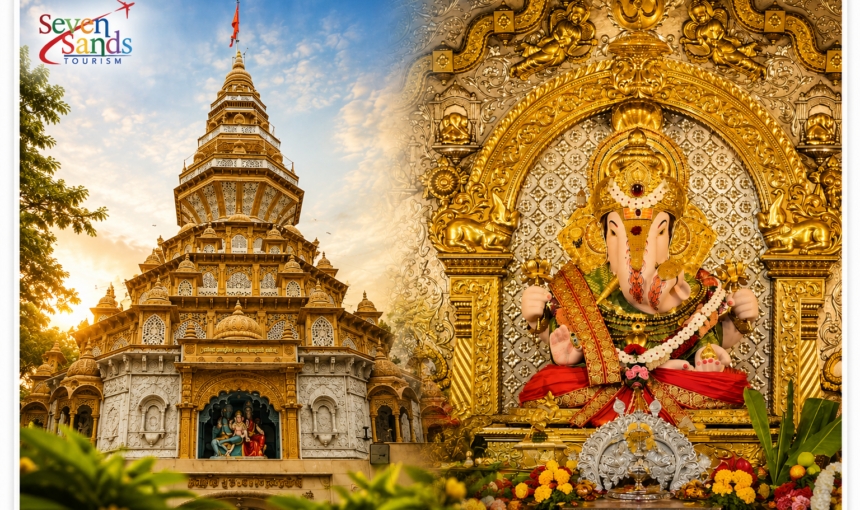
Shrimant Dagdusheth Halwai Ganpati Mandir is one of the most revered Hindu temples in Pune and a major spiritual attraction for devotees visiting Maharashtra. Located near Shaniwar Wada, the temple is famous for its magnificent Lord Ganesha idol adorned with gold ornaments and its rich cultural heritage. Travelers staying in Sangamwadi can easily reach the temple for darshan within a short drive. The peaceful atmosphere, daily aartis, and grand Ganesh festival celebrations make Dagdusheth Ganpati Mandir a must-visit religious destination in Pune.
Temple Timings
- Opening Time: 5:00 AM
- Closing Time: 10:30 PM
- Mahamangal Aarti: 8:00 PM – 9:00 PM
- Suprabhatam Aarti: 7:30 AM – 7:45 AM
For devotees and tourists exploring Pune, a visit to Shrimant Dagdusheth Halwai Ganpati Mandir offers a memorable spiritual experience and a glimpse into the city’s rich religious traditions.
Introduction Shrimant Dagdusheth Halwai Ganpati Mandir
The journey from Sangamwadi to Shrimant Dagdusheth Halwai Ganpati Mandir is not merely a physical traversal; it is deeply rooted in the cultural and spiritual fabric of Pune. This pilgrimage signifies more than just reaching a destination—it represents devotion, faith, and a profound connection to Lord Ganesha, who is revered across India. Devotees undertake this sacred journey, often viewing it as a form of penance or a method to seek blessings in times of need.
Sangamwadi, known for its serene environment and accessibility, serves as a starting point for many pilgrims. The route to Shrimant Dagdusheth Halwai Ganpati Mandir winds its way through enchanting locales, presenting an opportunity for devotees to reflect and immerse themselves in spirituality. The temple itself, with its rich history dating back to the 19th century, stands as a testament to the devotion of its founder, Shri Dagdusheth Halwai. The construction of the temple was prompted by the founder’s own personal tragedies, his desire to honor Lord Ganesha by creating a shrine that would become a central point of worship for many.
As one of Pune’s most cherished landmarks, Shrimant Dagdusheth Halwai Ganpati Mandir draws thousands of visitors and devotees each year. The intricate architecture, glorious idol of Lord Ganesha adorned with decorations, and an atmosphere reverberating with chants and prayers create a deeply immersive experience. This temple is not only a place of worship but also a cultural hub, fostering community spirit and shared religious practices. Its significance extends beyond the religious realm, as it plays a pivotal role in numerous cultural events and festivals in Pune, most notably during Ganesh Chaturthi.
The Route from Sangamwadi to Shrimant Dagdusheth Halwai Ganpati Mandir
Reaching the revered Shrimant Dagdusheth Halwai Ganpati Mandir from Sangamwadi offers various routes, allowing pilgrims to choose based on their preferences and convenience. The temple is located approximately 5 kilometers away and is accessible through several transportation options, including local buses, auto-rickshaws, and even walking paths for those seeking a more immersive experience.
One of the most popular and cost-effective means of transportation is the local bus service. The Pune Mahanagar Parivahan Mahamandal Limited (PMPML) operates several bus routes that connect Sangamwadi to prominent locations near the temple. Buses such as number 63 and 129 frequently run throughout the day, making stops at various landmarks. Passengers can enjoy the scenic views of the city as they travel, an experience that adds a spiritual dimension to their journey.
Auto-rickshaws provide a more personal travel experience and are readily available in Sangamwadi. As they offer door-to-door service, they are a great option for those traveling with family or larger groups, eliminating the need for walking long distances. The fare is generally reasonable, making this a popular choice for devotees eager to reach the temple comfortably.
For those who prefer a more leisurely pace, walking towards the temple is certainly an option. The route is dotted with several notable landmarks, including local markets and small eateries where one can enjoy traditional snacks. This path not only allows for physical movement but also offers an opportunity for introspection and connection with fellow devotees.
Overall, whether one opts for public transport, auto-rickshaws, or enjoys a walk, the journey from Sangamwadi to Shrimant Dagdusheth Halwai Ganpati Mandir is set against the vibrant backdrop of Pune, promising a fulfilling spiritual experience.
Historical Background of Shrimant Dagdusheth Halwai Ganpati Mandir
The Shrimant Dagdusheth Halwai Ganpati Mandir, one of the most revered temples in Pune, has a rich historical background that dates back to the mid-19th century. Established in 1893 by Dagdusheth Halwai, a renowned sweet maker, the temple was founded as a tribute to Lord Ganesh after a series of personal tragedies struck the Halwai family. Regarded as a symbol of hope and gratitude, the temple’s establishment signified a turning point, transforming familial sorrow into a beacon of devotion.
The legend surrounding the inception of the temple is intricately linked to Dagdusheth’s deep devotion to Lord Ganesh. According to local folklore, after the tragic loss of his son, he sought solace in spirituality and dedicated his life to serving the divine. It is said that Dagdusheth Halwai brought the idol of Ganesh from a place called Kalyan, granting his family new purpose and rekindling their faith. The temple rapidly grew in stature, attracting devotees from all corners, strengthening the rich cultural fabric of Pune.
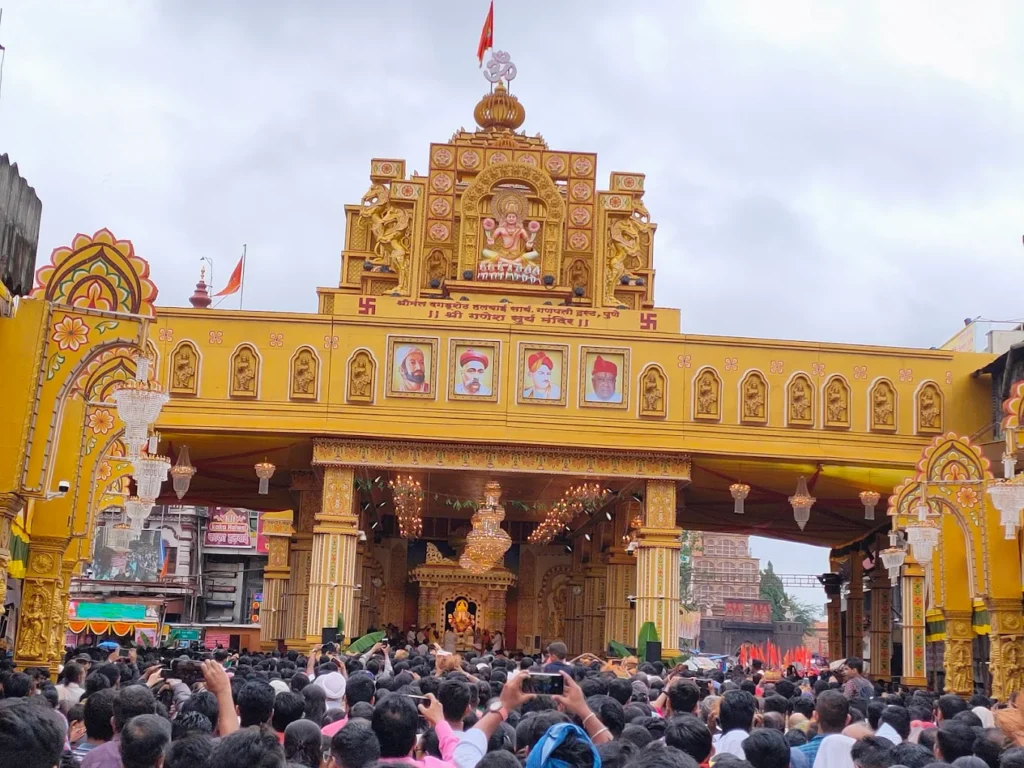
Over the years, Shrimant Dagdusheth Halwai Ganpati Mandir has evolved from a modest structure to an architectural marvel, drawing thousands of visitors annually. The temple’s breathtaking wooden carvings and intricate designs highlight the craftsmanship of that era, captivating the hearts of many. Additionally, it has become a hub for various religious and cultural festivities, most notably the Ganesh Chaturthi celebration, where the idol is ceremoniously installed and worshipped. This temple not only serves as a religious landmark but also as a historical testament to Pune’s ever-evolving spiritual landscape.
Cultural Significance of Ganesh Chaturthi at the Mandir
The festival of Ganesh Chaturthi is not only a religious observance but also a significant cultural event that brings together communities in Pune and beyond. At the Shrimant Dagdusheth Halwai Ganpati Mandir, participatory rituals and events are meticulously organized, attracting thousands of devotees each year. This festival commemorates the arrival of Lord Ganesh, symbolizing new beginnings, the removal of obstacles, and the ushering in of prosperity.
Rituals during Ganesh Chaturthi include a series of elaborate ceremonies, starting with the installation of the Ganesh idol, or murti, in homes and public spaces. The grandeur of the mandir’s idol, often adorned with exquisite decorations, serves as a focal point for many devotees who gather to pay homage. The rituals involve offerings of flowers, sweets, and prayers, contributing to an atmosphere charged with devotion and communal spirit.
Furthermore, the festival sees vibrant processions known as ‘Ganesh Visarjan’, where devotees carry the idol to water bodies for immersion, symbolizing the cycle of creation and dissolution. These processions are characterized by music, dance, and art, reflecting the rich cultural tapestry of the region. Events such as cultural programs, poetry readings, and competitions are also held, fostering a sense of community and shared joy.
The Ganesh Chaturthi celebrations at Shrimant Dagdusheth Halwai Ganpati Mandir not only serve as a spiritual experience but also highlight local traditions and artistry. As families and communities come together, the festival strengthens bonds, promotes inclusivity, and showcases the profound cultural heritage that intertwines with the worship of Lord Ganesh. This annual gathering signifies the essence of collective reverence and artistic expression, marking it as a pivotal occasion in Pune’s cultural calendar.
Architectural Features of the Mandir
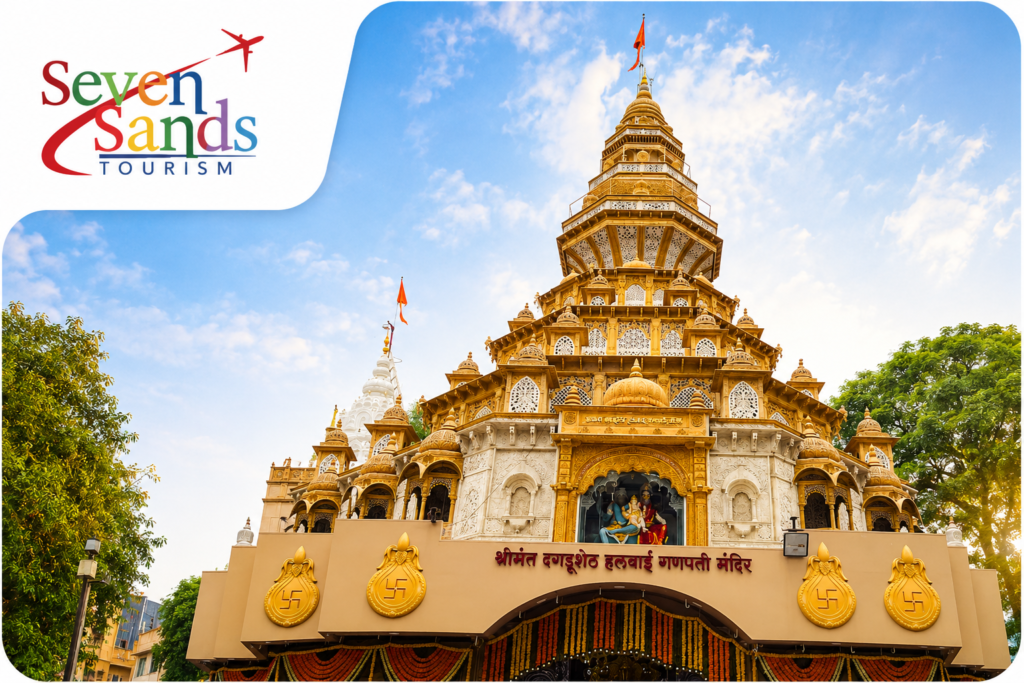
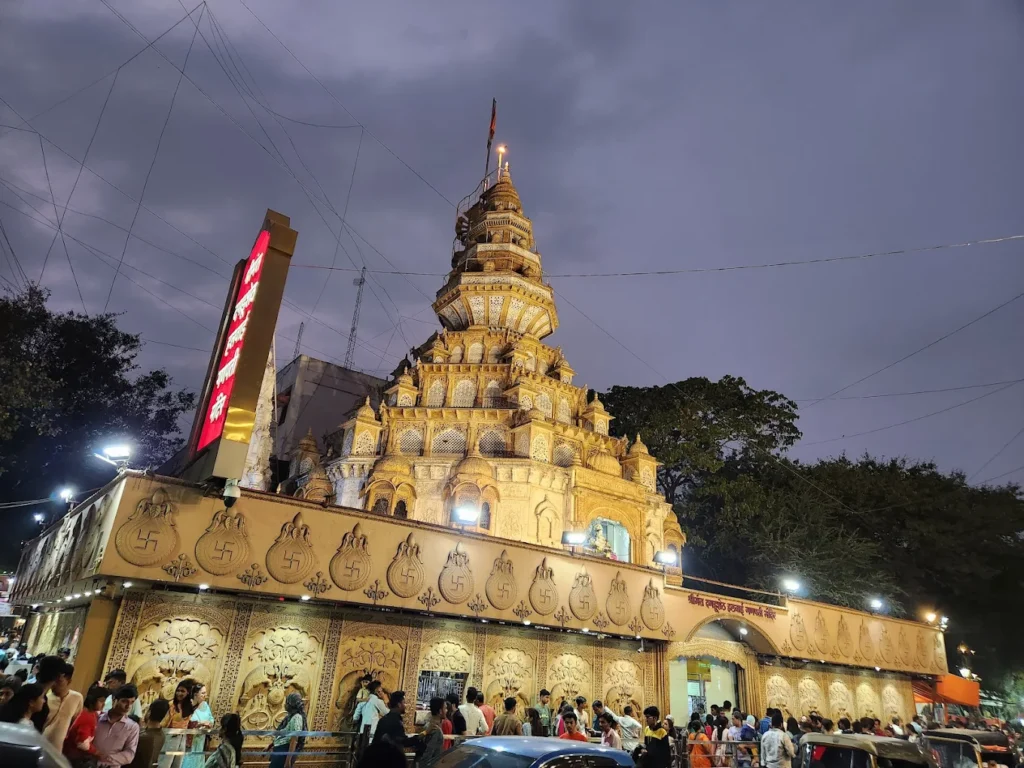
The Shrimant Dagdusheth Halwai Ganpati Mandir, a renowned spiritual site in Pune, is celebrated not only for its religious significance but also for its remarkable architectural design. The temple showcases a blend of traditional and contemporary architecture, making it an iconic symbol of the city. The entrance to the mandir is characterized by an intricately carved wooden door that draws visitors into a space filled with artistic expression.
One of the most striking features of the mandir is its towering gold-plated dome, which is adorned with stunning sculptures that depict various deities and mythological tales. This grand dome serves as the focal point of the temple, capturing the devotion and grandeur synonymous with Ganesh worship. In addition to the dome, the temple’s facade is embellished with ornate carvings that reveal the craftsmanship of skilled artisans. Each detail tells a story, reflecting the rich cultural heritage of Maharashtra.
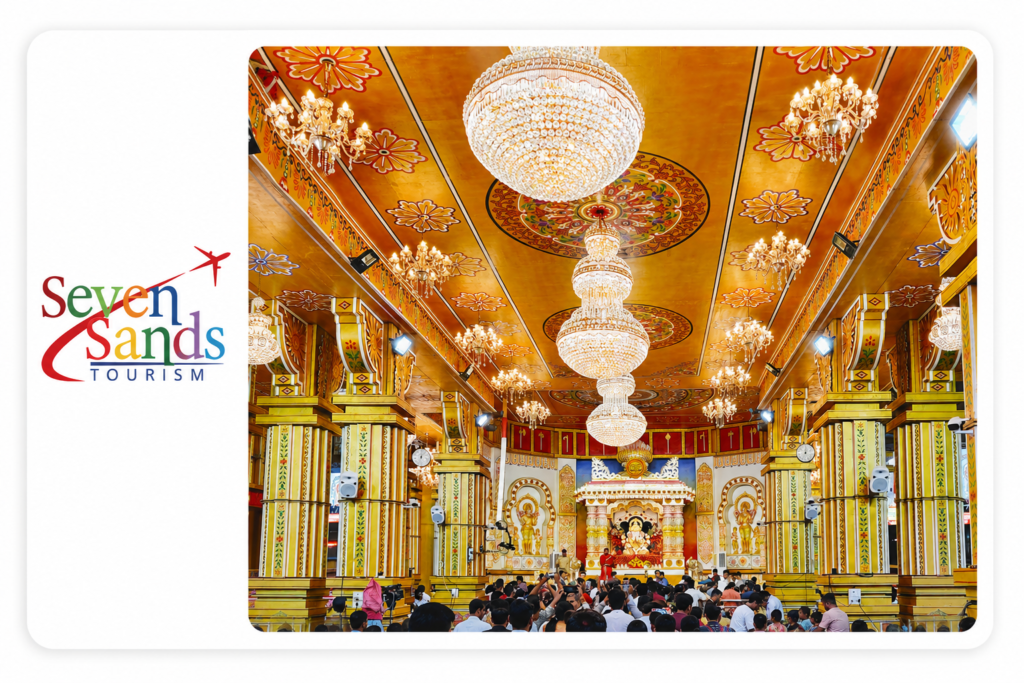
Inside the mandir, devotees are greeted by an exquisitely crafted idol of Lord Ganesha, which is made of pure gold and is the centerpiece of the shrine. The mesmerizing idol is surrounded by intricate designs and murals that depict various incidents from Hindu mythology. The vibrant colors and fine details of the artwork enhance the spiritual ambiance of the place, making it a feast for both the eyes and the soul.
Moreover, the temple complex features beautifully landscaped gardens, which add an element of tranquility amidst the bustling city. The architectural layout of the mandir also provides ample space for devotees to gather, ensuring that the spiritual experience is both intimate and communal. As one explores the various aspects of the Shrimant Dagdusheth Halwai Ganpati Mandir, it becomes evident that its architectural brilliance serves to elevate the overall spiritual experience it offers to all visitors.
Devotional Practices at the Mandir
Visitors to the Shrimant Dagdusheth Halwai Ganpati Mandir engage in a variety of devotional practices that embody the spiritual essence of this revered temple. Among the most common rituals is the process of offering prayers. Devotees often arrive with specific intentions, seeking blessings from Lord Ganesha, who is venerated as the remover of obstacles and the god of wisdom and prosperity.
Upon entering the temple, worshipers typically begin by bowing to the deity, displaying their reverence and respect. The act of performing puja involves various offerings, including flowers, fruits, and sweets, signifying devotion and gratitude towards Lord Ganesha. The temple atmosphere is charged with spirituality, as devotees immerse themselves in prayer, hoping for divine intervention in their lives.
Participating in the aarti is another integral aspect of the devotional experience at the temple. The aarti, a devotional song sung in praise of Lord Ganesha, is performed multiple times a day. Devotees gather around the idol, holding small oil lamps while singing in unison, energizing the collective spirit of worship. This moment fosters a sense of community, as individuals come together to celebrate their faith and devotion.
In addition to prayers and aarti, individuals often express their devotion through various offerings. Many visitors contribute to the temple fund or donate food for the less fortunate, reflecting the teachings of Lord Ganesha about selflessness and compassion. The act of making offerings, whether material or through charity, amplifies the spiritual journey and deepens the connection with the divine.
The Shrimant Dagdusheth Halwai Ganpati Mandir not only serves as a place for worship but also as a sanctuary where devotees can engage in meaningful practices that foster spiritual growth. The rituals observed by visitors are a testament to the enduring faith and the vibrant devotional culture that thrives within the temple.
Tips for First-Time Visitors – Seven Sands Tourism
Visiting the Shrimant Dagdusheth Halwai Ganpati Mandir for the first time can be a profound experience, enriched by the temple’s history, architecture, and spiritual ambiance. Here are some practical tips to ensure a smooth visit.
First and foremost, it is advisable to plan your visit during off-peak hours to avoid large crowds. Early mornings, especially on weekdays, offer a more serene atmosphere, allowing for thoughtful meditation and reflection in the temple. Visiting during festival times, while vibrant and lively, can be overwhelming for newcomers, so try to choose a quieter day for your first experience.
Regarding attire, modest clothing is essential when visiting temples in India, including the Shrimant Dagdusheth Halwai Ganpati Mandir. Both men and women should aim to wear attire that covers the shoulders and knees. For women, wearing a saree or a long skirt is often considered appropriate, while men may choose traditional kurta-pajamas. Comfortable footwear is also recommended, as you will need to remove your shoes upon entering the temple grounds.
Navigating the temple complex can be straightforward, but it is important to familiarize yourself with the layout. Follow signage and observe the flow of traffic, especially as many devotees come to engage in prayer and offerings. Don’t hesitate to seek help from temple staff or experienced pilgrims if you find yourself unsure of the next steps in the temple tour.
Etiquette is crucial in a temple setting. Always be respectful to the deities and the worshippers around you. Speak softly, refrain from taking photographs in restricted areas, and ensure that your actions align with the sacredness of the space. Engaging in prayer or simply sitting quietly in the mandir can greatly enhance your spiritual experience.
Local Attractions Near the Temple
After immersing oneself in the spiritual ambiance of Shrimant Dagdusheth Halwai Ganpati Mandir, visitors to Pune may find delight in exploring several local attractions that encapsulate the essence of the city. One of the foremost sites nearby is the historic Parvati Hill, which houses a stunning temple dedicated to the goddess Parvati. The hill offers panoramic views of Pune and serves as a serene escape from the bustling city life. This site not only enhances the spiritual experience but also provides an opportunity for light trekking amid lush greenery.
Another notable site is the Aga Khan Palace, which holds immense historical significance. This majestic structure was built in 1892 and is notable for its beautiful architecture and vast gardens. It served as a place of detention for Mahatma Gandhi and his associates during the Indian freedom struggle, making it an essential visit for those interested in India’s rich history. The palace also houses a museum that showcases Gandhiji’s life and work.
For those looking to engage with the local culture, the bustling Pune Teerth market is a must-visit. Here, one can explore a variety of local handicrafts, textiles, and street food that reflect Pune’s vibrant culture. This market offers a chance to interact with local artisans and relish traditional delicacies, which can provide a fulfilling experience following a peaceful visit to the Ganpati Mandir.
Moreover, the charming Saras Baug nearby provides a blissful retreat for families and individuals alike, with its sprawling gardens, playgrounds, and traditional eateries. After visiting the temple, these local attractions help to further enrich the visitor’s understanding and appreciation of Pune’s unique blend of spirituality, history, and culture.
Conclusion: The Spiritual Journey
The journey from Sangamwadi to Shrimant Dagdusheth Halwai Ganpati Mandir is not merely a physical traversal but a profound spiritual experience laden with significance. As devotees embark on this pilgrimage, they are greeted by a tapestry of sights, sounds, and scents that serve to enhance the spiritual atmosphere. The vibrant streets of Pune, alive with eager worshippers, offer a glimpse into the deep-rooted cultural practices surrounding the Ganesh festival, allowing individuals to feel the collective devotion of the community.
The Shrimant Dagdusheth Halwai Ganpati Mandir itself stands as a beacon of faith and tradition. The intricate architecture and elaborate decorations provide a serene backdrop for reflection and prayer. For many devotees, visiting this mandir represents a personal journey of hope and supplication, as they seek the blessings of Lord Ganesha. The temple, known for its rich history and spiritual significance, becomes a sanctuary where individuals can connect with their faith and experience the omnipresence of divinity.
Furthermore, the journey is often viewed as a rite of passage, one that not only fulfills spiritual desires but also cultivates a deep sense of community among devotees. Sharing this path with others fosters camaraderie, transcending individual aspirations as participants become part of something larger than themselves. The discussions, reflections, and shared devotion throughout the journey collectively contribute to heightening the spiritual experience.
In conclusion, the pilgrimage from Sangamwadi to Shrimant Dagdusheth Halwai Ganpati Mandir encapsulates the essence of spiritual sojourn. It brings together the transient nature of life and the enduring quest for divine connection, leaving a lasting impact on the hearts of all who partake in this sacred journey.