Discover the profound significance of Lord Shiva through this comprehensive exploration that delves into his mythological origins, spiritual symbolism, and cultural influence. This article offers readers a balanced and detailed perspective, blending historical insights with practical understanding to deepen appreciation and devotion. Whether new to or familiar with Shiva, readers will find valuable knowledge that enriches their connection to this revered deity.
Understanding Lord Shiva
The Mythological Roots of Lord Shiva
Lord Shiva, one of the principal deities in Hinduism, embodies the complex interplay of creation, preservation, and destruction. According to mythological narratives, Shiva’s origins are diverse and layered. Some stories trace his roots to the earliest cosmic forces, portraying him as a primordial being who existed before the universe’s creation. The Shiva story also involves his role as the destroyer who clears the way for renewal, symbolizing the cyclical nature of existence.
Shiva in Ancient Texts and Scriptures (Vedas, Puranas, Upanishads)
Shiva’s presence is documented across various ancient texts. While the Vedas mention Rudra—a fierce deity associated with storms and winds—later scriptures like the Puranas and Upanishads elaborate on Shiva’s attributes and mythology. The Linga Purana and Shiva Purana describe his cosmic functions, his family, and his divine acts. The Upanishads explore philosophical aspects, emphasizing Shiva’s role as the ultimate consciousness (Brahman), embodying the supreme reality beyond form.
Evolution of Shiva Worship Through History
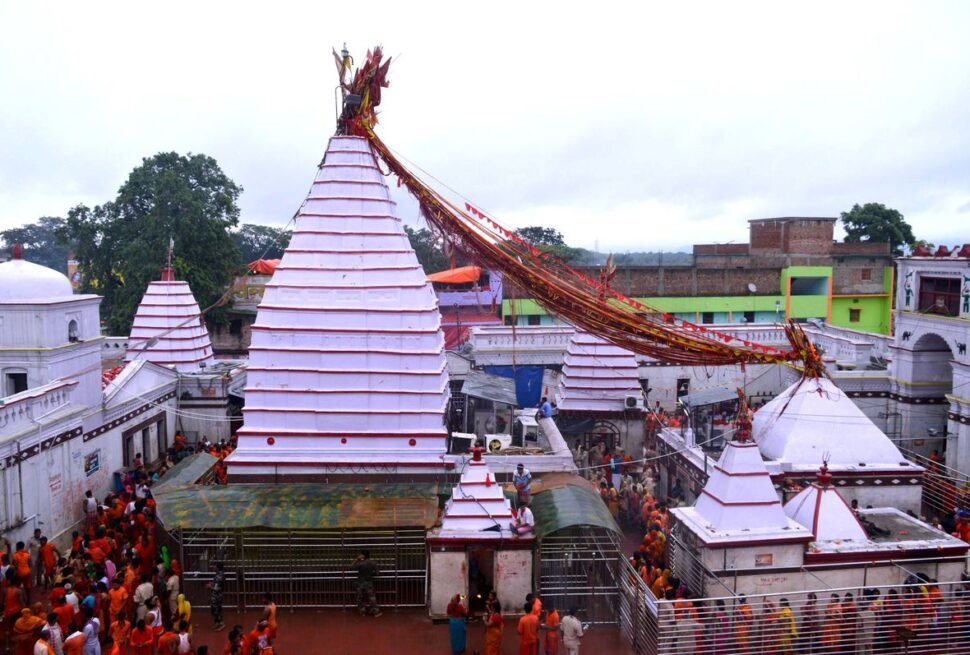
Historically, Shiva’s worship evolved from tribal and folk traditions to a prominent aspect of mainstream Hinduism. Early worship practices involved natural elements like mountains and rivers, especially the Ganges, which is mythologically linked to Shiva. Over centuries, temples dedicated to Shiva, such as the famous Kedarnath and Kashi Vishwanath, became centers of pilgrimage and spiritual activity, reflecting the deity’s growing significance in cultural and religious life.
Iconography and Symbols Associated with Lord Shiva
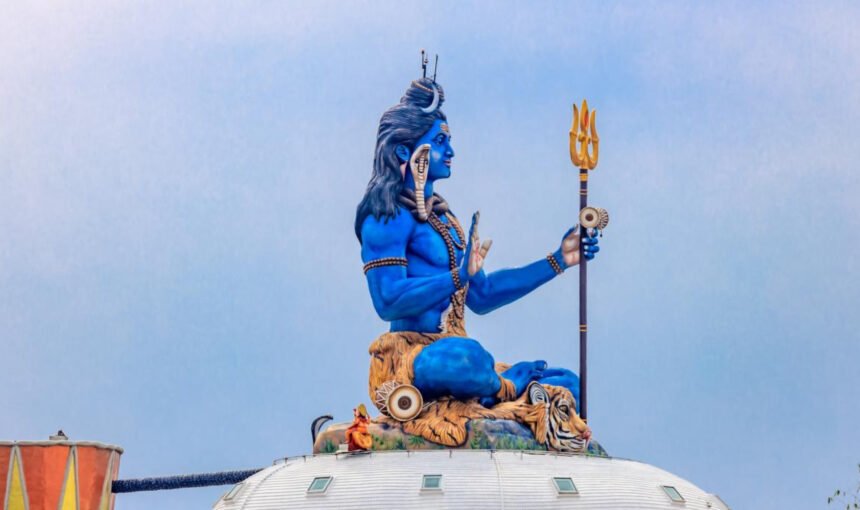
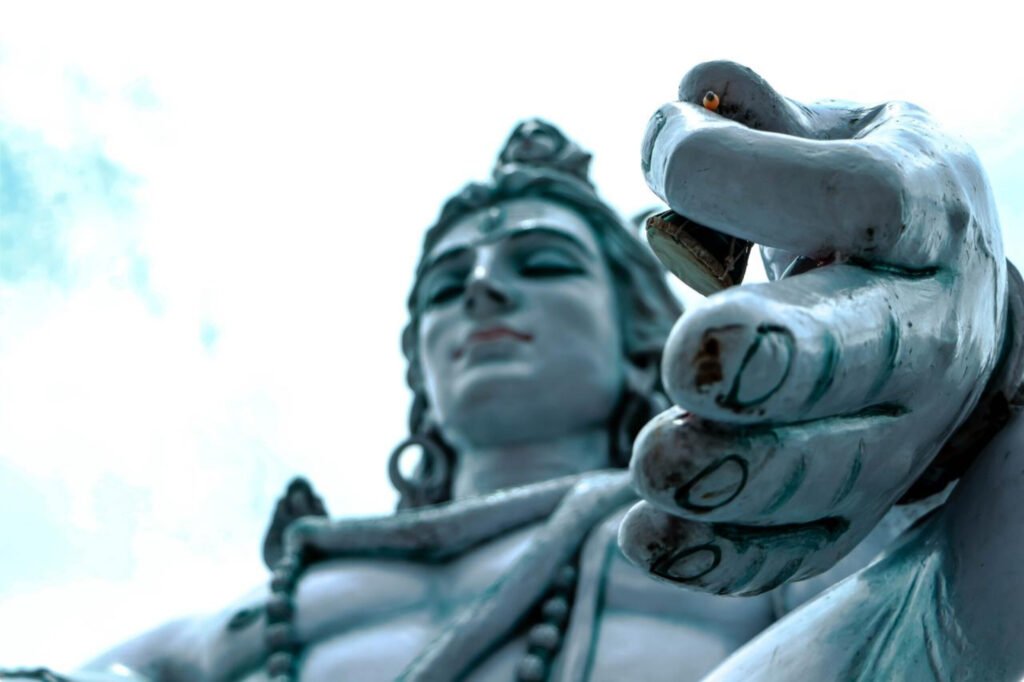
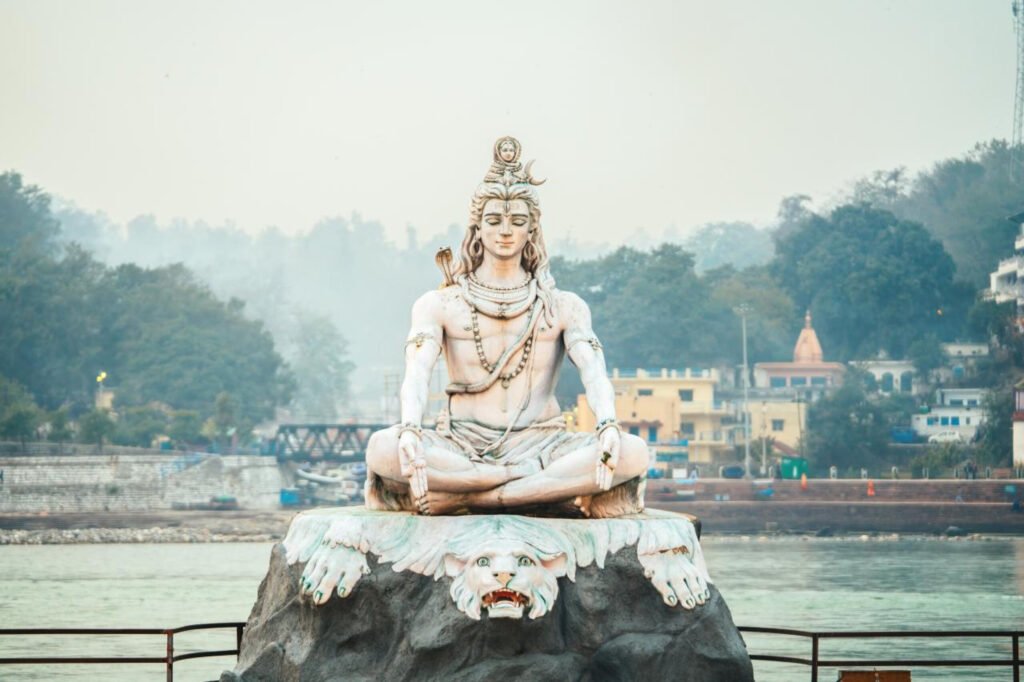
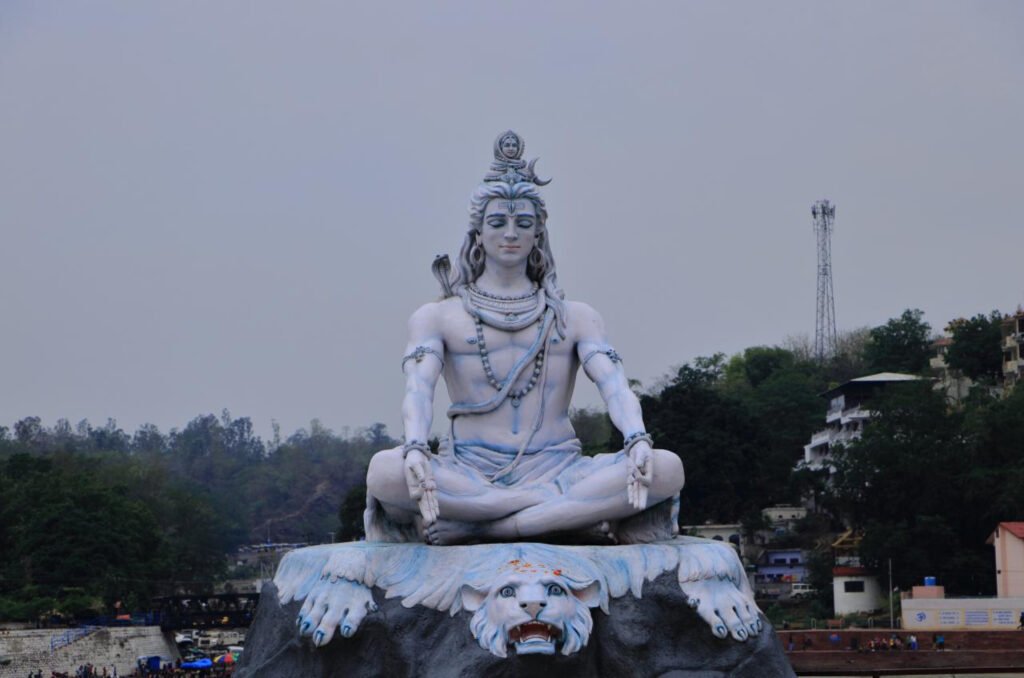
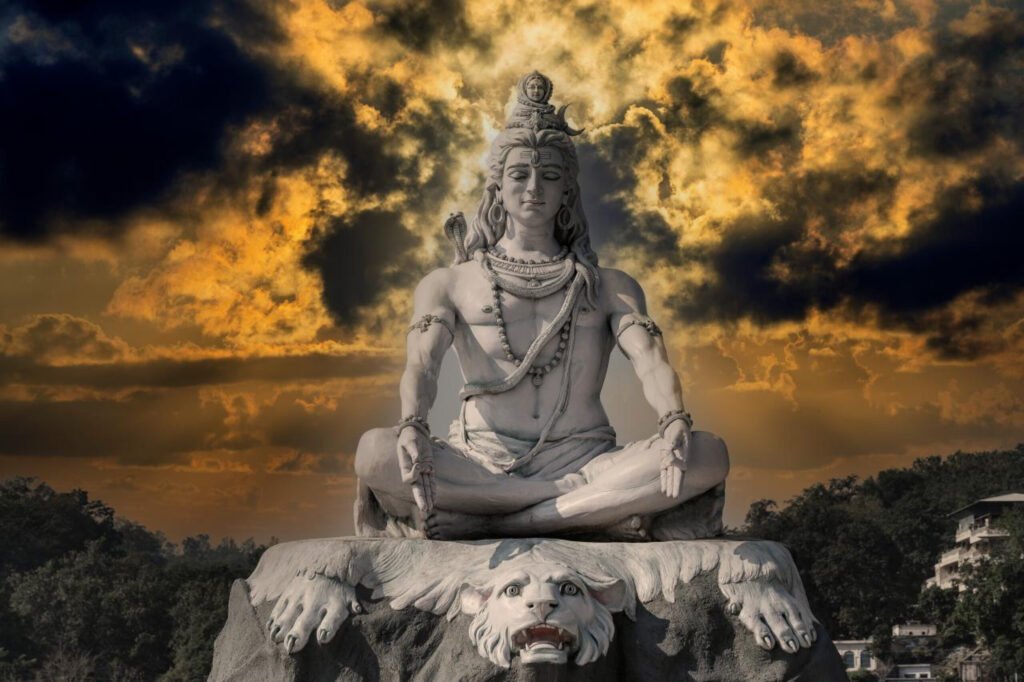
Shiva’s iconography is rich with symbolism. He is often depicted with a third eye on his forehead, representing higher perception. The trident (trishula) symbolizes his power over the three worlds—physical, mental, and spiritual. The damru (drum) signifies the cosmic sound of creation. The snake around his neck symbolizes energy and regeneration, while the Ganga flowing from his matted hair signifies purification and life-giving waters. His crescent moon represents the cycle of time.
Shiva’s iconography is rich with deep spiritual symbolism, where each element carries a unique meaning:
- The Third Eye: Represents higher perception, wisdom, and the destruction of ignorance.
- The Trident (Trishula): Symbolizes power over the physical, mental, and spiritual realms.
- The Damru (Drum): Signifies the cosmic rhythm and the sound from which the universe originated.
- The Snake (Vasuki): Encircling his neck, it symbolizes dormant kundalini energy and mastery over desire and fear.
- Ganga from Matted Locks: Represents purification, grace, and the flow of life-giving knowledge.
- The Crescent Moon: Adorning his head, it signifies control over time and the continuous cycles of nature.
The Spiritual and Cultural Significance of Lord Shiva
Lord Shiva as the Supreme Deity in Hinduism
In Hindu tradition, Lord Shiva is revered as the Mahadeva—the Great God—and is considered the supreme deity in many sects. He embodies the ultimate reality, transcending dualities of good and evil, creation and destruction. Devotees see Shiva as the source of all existence, a compassionate yet formidable force guiding spiritual evolution.
Explore our detailed guide on the 15 Famous Shiva Temples in North India to discover sacred destinations steeped in history and devotion.
Symbolism of Shiva’s Attributes (Trident, Damru, Snake, Ganga)
Each attribute of Shiva carries profound symbolism. The trident signifies the destruction of evil and ignorance. The damru represents the rhythm of the universe and the cosmic dance of creation. The snake symbolizes kundalini energy, awakening spiritual consciousness. The Ganga flowing from his hair signifies purity, life, and the flow of divine grace.
The Concept of Shiva as the Destroyer and Transformer
Shiva’s role as the destroyer is often misunderstood; it is not merely about annihilation but about transformation and renewal. This aspect underscores the importance of letting go of the old to make space for new growth—both spiritually and materially. His dance (Nataraja) epitomizes this cosmic cycle, illustrating the continuous rhythm of creation, preservation, and dissolution.
Major Festivals and Rituals Celebrating Lord Shiva (Maha Shivratri, Shravan Month)
Maha Shivratri is the most significant festival dedicated to Lord Shiva, marked by night-long vigil, fasting, and prayer. During the Shravan month, devotees undertake pilgrimages and perform special rituals to honor Shiva. Rituals like Abhishekam—anointing the Shiva lingam with water, milk, honey, and herbs—are performed to seek his blessings and spiritual upliftment.
Shiva’s Role in Personal Spiritual Practice and Meditation
Many practitioners incorporate Shiva’s symbolism and teachings into meditation and yoga. Focusing on Shiva’s qualities—such as detachment, compassion, and inner strength—helps deepen spiritual practice. Chanting mantras like Om Namah Shivaya is believed to invoke Shiva’s divine presence, fostering inner peace and self-realization.
Practical Perspectives and Devotional Practices
How to Incorporate Lord Shiva’s Teachings in Daily Life
Applying Shiva’s principles involves embracing qualities like humility, self-discipline, and mindfulness. Practicing meditation, maintaining ethical conduct, and cultivating compassion align with Shiva’s teachings. Recognizing the transient nature of life encourages detachment from material attachments and fosters inner resilience.
Popular Devotional Practices and Offerings (Abhishekam, Chanting Mantras)
Devotees often perform Abhishekam as a daily ritual, offering water, milk, and herbs to the Shiva lingam. Chanting Om Namah Shivaya or Rudram helps focus the mind and connect with Shiva’s divine energy. Singing bhajans and participating in temple rituals deepen devotion and spiritual awareness.
Significance of Shiva Temples and Pilgrimages (Kedarnath, Varanasi)
Visiting Shiva temples like Kedarnath and Varanasi is considered highly auspicious. These sacred sites are believed to be powerful centers of spiritual energy. Pilgrimages to these locations serve as opportunities for purification, reflection, and renewal of faith.
Understanding the Philosophical Teachings of Shiva (Tattva, Ardhanarishvara)
Shiva’s philosophical teachings include concepts like Tattva (truth or reality) and the unity of masculine and feminine principles exemplified by Ardhanarishvara, the composite form of Shiva and Parvati. These teachings emphasize balance, harmony, and the non-dual nature of existence.
The Sacred 12 Jyotirlingas: Destinations of Divine Light
A central aspect of Shiva devotion across India centers on the 12 Jyotirlingas—radiant shrines where Lord Shiva is believed to have manifested as a column of light. From Kashi Vishwanath in the ancient city of Varanasi to the high-altitude serenity of Kedarnath in the Himalayas, and the coastal majesty of Rameshwaram and Somanath, these pilgrimage sites hold immense spiritual power. Visiting a Jyotirlinga is considered one of the most transformative spiritual journeys a devotee can undertake, offering a profound sense of peace and liberation from the cycle of rebirth.
Benefits of Devotion to Lord Shiva for Personal Growth and Inner Peace
Devotion to Lord Shiva fosters qualities such as patience, humility, and resilience. It aids in overcoming fears, desires, and mental disturbances, leading to inner peace. The spiritual discipline inspired by Shiva’s teachings encourages self-awareness and personal transformation.
Conclusion
Summarizing the Multifaceted Significance of Lord Shiva
Lord Shiva embodies a profound blend of mythological, spiritual, and cultural dimensions. From his mythological origins and symbolism to his role as the destroyer and transformer, Shiva’s significance extends beyond religious rituals to encompass universal principles of change, renewal, and inner growth.
Encouraging Respectful Exploration and Devotion
Whether one approaches Shiva through mythology, philosophy, or devotional practice, respectful exploration enriches understanding and deepens spiritual connection. Embracing Shiva’s teachings can inspire a balanced life rooted in compassion, wisdom, and self-awareness.
Resources for Further Learning and Spiritual Practice
For those interested in exploring further, recommended resources include classical scriptures like the Shiva Purana, Linga Purana, and philosophical texts such as the Upanishads. Engaging with local temples, participating in festivals, and consulting spiritual guides can enhance personal practice and devotion to Lord Shiva.
🛕 Embark on Your Sacred Pilgrimage
Experiencing the divine energy of Shiva’s holy abodes in person is a life-changing journey. Whether you wish to feel the sacred vibrations of the ghats in Kashi (Varanasi), trek through the majestic Himalayas to Kedarnath, or explore the timeless heritage of Ayodhya, let us handle the travel details while you focus on your devotion.
Looking for a seamless spiritual tour package? Get in touch with our travel experts at Seven Sands Tourism today to plan your personalized pilgrimage with ease and comfort.
Table of Contents

Planning an royal getaway to the Land of Kings? A journey through Rajasthan promises majestic forts, opulent palaces, golden sand…

Baidyanath Jyotirlinga Temple History Baidyanath Jyotirlinga Temple, located in Deoghar, Jharkhand, is one of the twelve sacred Jyotirlingas of Lord…
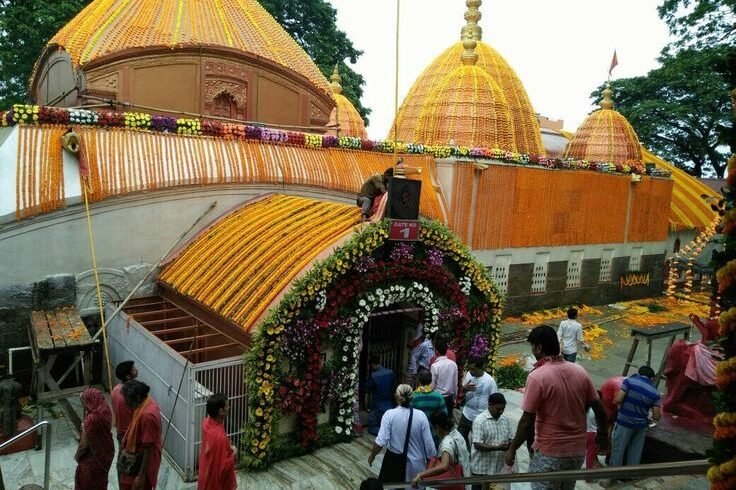
Experience the Divine Blessings of Maa Kamakhya with Seven Sands Tourism Looking for a spiritual getaway from Bangalore to one…
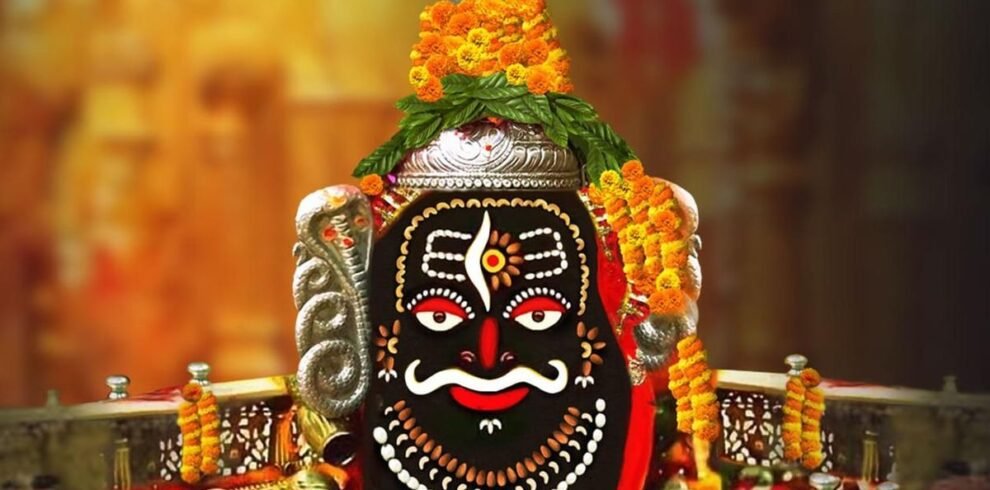
Experience a divine spiritual journey with Seven Sands Tourism on this specially designed Ujjain Omkareshwar Jyotirlinga Tour Package from Bangalore….
Frequently Asked Questions (FAQs)
What does Lord Shiva symbolize in Hinduism?
Lord Shiva symbolizes the ultimate reality, supreme consciousness, and the cycle of transformation. As part of the Hindu Trimurti (alongside Brahma and Vishnu), Shiva represents dissolution and regeneration, showing that letting go of the old is essential for new creation and spiritual awakening.
Why is Lord Shiva called “The Destroyer”?
Lord Shiva is called the Destroyer because he dissolves ego, ignorance, and cosmic illusion (Maya), not out of malice, but to restore balance. His destructive role clears the path for renewal, spiritual growth, and ultimate liberation (Moksha).
What do the symbols of Lord Shiva represent?
Shiva’s iconography carries deep spiritual meaning:
- Trishul (Trident): Power over physical, mental, and spiritual realms.
- Damru (Drum): The cosmic sound of creation.
- Third Eye: Infinite wisdom and higher perception.
- Snake (Vasuki): Mastery over fear and awakening of Kundalini energy.
- River Ganga: Purity, grace, and spiritual cleansing.
What are the 12 Jyotirlingas of Lord Shiva?
The 12 Jyotirlingas are holy shrines in India where Lord Shiva is worshiped as a column of divine light. Key sites include Kashi Vishwanath (Varanasi), Kedarnath (Uttarakhand), Mahakaleshwar (Ujjain), Somnath (Gujarat), and Rameshwaram (Tamil Nadu).
What is the spiritual significance of the Shiva Linga?
The Shiva Linga represents the formless, infinite, and timeless nature of the Supreme Being. The cylindrical top symbolizes the divine unmanifest reality (Purusha), while the circular base (Yoni) represents cosmic creative energy (Prakriti).
Why is Maha Shivratri celebrated?
Maha Shivratri celebrates the grand night of Lord Shiva. It marks the divine cosmic marriage of Shiva and Parvati, as well as the night Shiva performed the Tandava (cosmic dance of creation, preservation, and dissolution). Devotees fast, chant, and stay awake to seek spiritual energy.
Which are the most famous Lord Shiva temples in North India?
The most famous Shiva temples in North India include Kashi Vishwanath in Varanasi, Kedarnath in Uttarakhand, Amarnath in Jammu & Kashmir, Baidyanath in Jharkhand, and Baijnath in Himachal Pradesh.
How can one practice devotion to Lord Shiva in daily life?
Devotees can practice daily Shiva devotion by:
- Chanting the sacred “Om Namah Shivaya” mantra.
- Practicing meditation and mindfulness to detach from negative emotions.
- Offering water or milk during daily Abhishekam.
- Cultivating humility, self-discipline, and compassion in everyday actions.