Introduction: The Spiritual Essence of Lakshman Jhula
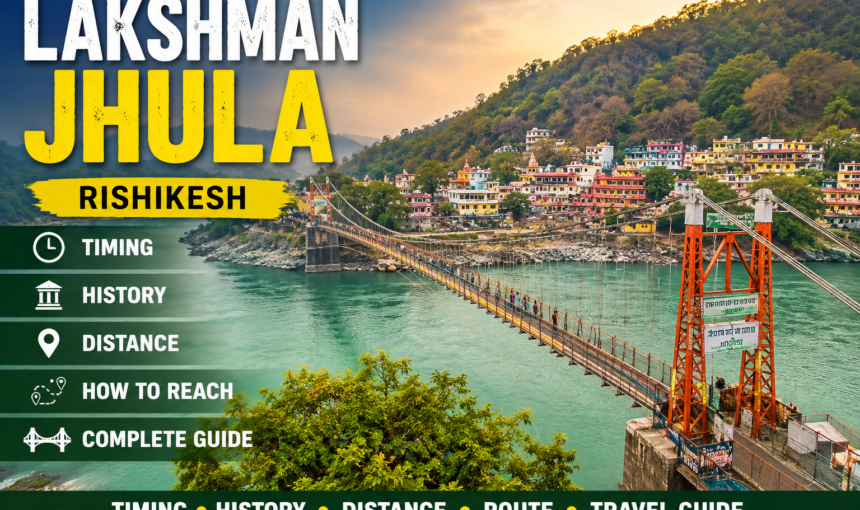
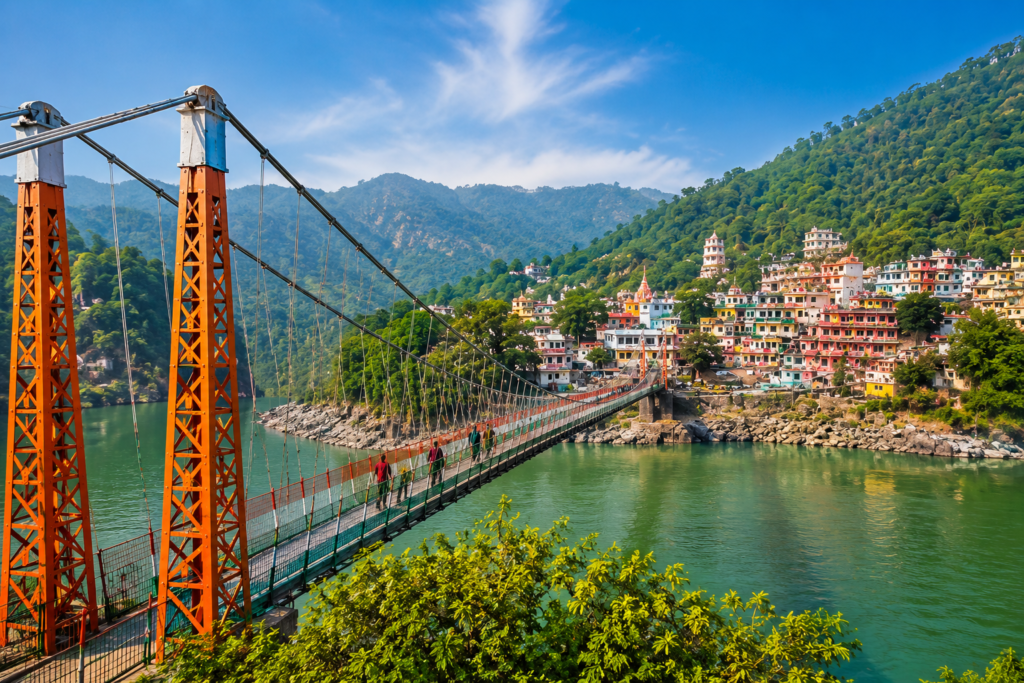
Situated in the sacred town of Rishikesh, Lakshman Jhula serves as a prominent spiritual landmark, deeply intertwined with the beliefs and traditions of Hindu culture. This iconic suspension bridge spans the majestic Ganga River, connecting the villages of Tapovan and Jhula, and holds significant importance for both pilgrims and tourists seeking solace and spiritual awakening.
According to Hindu mythology, Laxman Jhula is named after Lord Lakshman, the younger brother of Lord Rama. It is said that Lakshman, after crossing the Ganga on a jute rope, built a bridge at this location to facilitate his search for Sita. This legendary tale imbues the site with a sense of divine energy, drawing numerous visitors who seek to connect with the sacred narrative of the Ramayana.
The bridge is not merely a means to cross the river; it symbolizes a profound spiritual journey. For centuries, Lakshman Jhula has attracted devotees seeking spiritual enlightenment and purification from the holy waters of the Ganga. As a gateway to various temples and ashrams in the area, the bridge epitomizes the essence of pilgrimage in India, where seekers embark on a path of discovery and introspection.
Moreover, the picturesque setting encompassing Lakshman Jhula enhances its allure. Surrounded by lush greenery and the backdrop of the Himalayas, the location evokes a sense of tranquility that resonates with those in search of peace. Both pilgrims and tourists find themselves captivated not only by its historical significance but also by the opportunity to engage in spiritual practices such as yoga and meditation.
In summary, Lakshman Jhula stands as a testament to the spiritual heritage of Rishikesh, attracting visitors from around the globe. Its legend, coupled with its scenic beauty and role as a spiritual hub, makes this iconic bridge a must-visit destination for those seeking to immerse themselves in the rich tapestry of Indian spirituality.
Lakshman Jhula Rishikesh Timing Guide
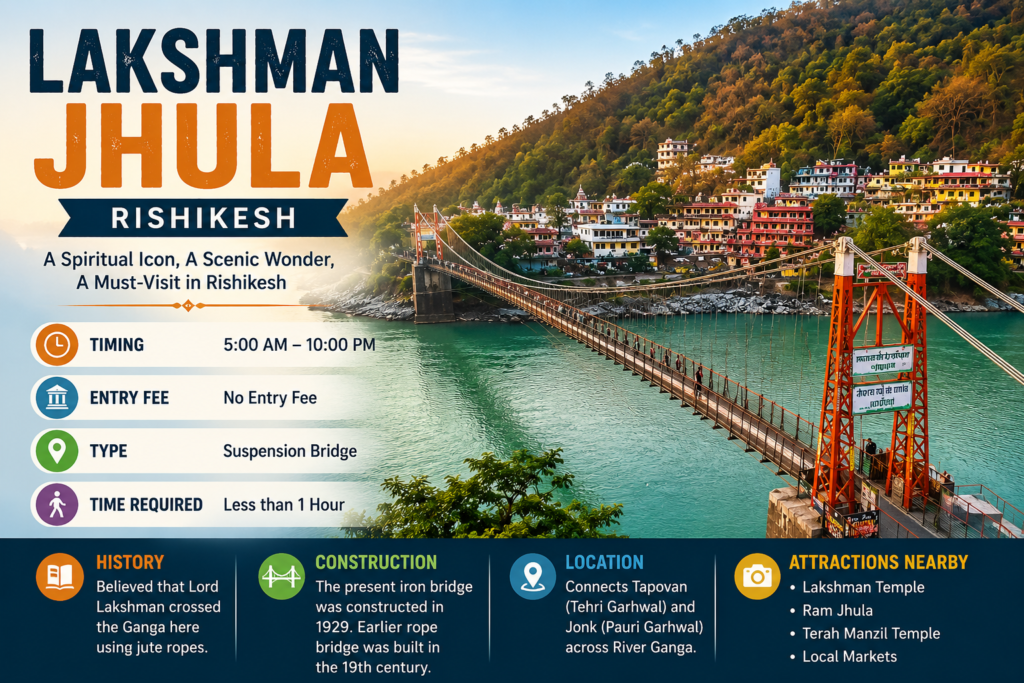
When planning a visit to Lakshman Jhula in Rishikesh, it is essential to consider the optimal times for your trip. This iconic suspension bridge not only connects the two banks of the Ganges River but also serves as a gateway to various spiritual and adventure activities in the region. Generally, the bridge is accessible to visitors throughout the day, from early morning until late evening. Typical visiting hours are from 05:00 AM to 10:00 PM, offering ample time for exploration and admiring the picturesque surroundings.
Peak visiting times usually coincide with weekends and public holidays when tourists flock to this spiritual hub. If you prefer a quieter experience, it is advisable to visit early in the morning or later in the evening when the foot traffic tends to be lighter. Notably, witnessing the sunrise or sunset from the bridge provides a breathtaking view that enhances the overall experience, making mornings and evenings highly recommended for visitors seeking tranquility and reflection.
Moreover, special occasions and festivals frequently impact the visiting patterns at Lakshman Jhula. Major festivities, such as Maha Shivratri and Navratri, draw larger crowds, which can lead to a bustling atmosphere. During these times, it is not uncommon for travelers to experience the spiritual vibrancy of Rishikesh, making it an excellent opportunity for cultural immersion. However, it is advisable to be prepared for larger crowds and plan your visit accordingly, ensuring adequate time to enjoy the sights and sounds of this vibrant environment.
Before planning your visit to this iconic spiritual landmark, knowing the latest information about Lakshman Jhula Rishikesh timing is important for a smooth travel experience. The Laxman Jhula timing, Lakshman Jhula Rishikesh timing today, and Laxman Jhula visiting time may vary depending on current conditions and official updates, so travellers should check the latest details before reaching the bridge. Generally, visitors prefer early morning or evening hours for a peaceful view of the Ganga River and surrounding temples. The Lakshman Jhula opening time helps pilgrims and tourists plan their Rishikesh sightseeing journey properly.
Talking about the latest updates, travellers often search for the New Laxman Jhula Rishikesh opening date, New Lakshman Jhula Rishikesh updates, and Lakshman Jhula latest update before making travel plans. Due to safety and renovation-related developments, many visitors want to know whether Lakshman Jhula closed or open and the Laxman Jhula current status. Seven Sands Tourism helps travellers stay updated with important travel information while planning their Rishikesh pilgrimage tour and sightseeing experience.
In summary, understanding the timing for a visit to Lakshman Jhula allows travelers to maximize their experience, whether seeking solitude or wishing to partake in the lively atmosphere during special occasions.
New Laxman Jhula Rishikesh Opening Date
Laxman Jhula, a famed pedestrian suspension bridge in Rishikesh, has long attracted visitors with its spiritual ambiance and picturesque views. Recently, the region has been buzzing with developments aimed at enhancing the overall experience for tourists and locals alike. With ongoing renovations and infrastructure improvements, anticipation is building regarding the opening date for the newly renovated sections of Laxman Jhula.
The latest updates indicate that the completion of the renovation phase is scheduled for early 2024. Local authorities have emphasized that these enhancements are not merely aesthetic but also geared towards improving safety and accessibility for all visitors. The renovations focus on upgrading the bridge’s structural integrity while maintaining its historical essence. Enhancements include better pedestrian pathways, improved lighting, and upgraded facilities for visitors. These changes are part of broader efforts by the Uttarakhand state government to promote tourism in the region.
Moreover, the authorities have planned several community-oriented events to coincide with the reopening of Laxman Jhula. These events aim to celebrate the rich cultural heritage of Rishikesh while fostering a sense of community among residents and visitors. Updates from local tourism boards suggest that these events are likely to include traditional music performances, art exhibitions, and spiritual workshops that align with the essence of Laxman Jhula.
In essence, as the opening day approaches, excitement builds around not only the bridge itself but also the new opportunities for cultural engagement that will be made available. It is expected that the new facilities will attract a larger number of tourists, contributing positively to the local economy while preserving the integrity of this iconic location.
Getting to Lakshman Jhula Rishikesh Uttarakhand
Reaching Lakshman Jhula, a prominent destination in Rishikesh, can be accomplished through various modes of transport, catering to different preferences and budgets. This picturesque town is well-connected, making it accessible for both domestic and international travelers.
The nearest airport to Lakshman Jhula is Jolly Grant Airport, located approximately 20 kilometers away in Dehradun. This airport serves numerous flights from major Indian cities, and from there, one can hire a taxi or use a ridesharing service for convenience. The journey by road provides scenic views, enhancing the travel experience.
For those opting for train travel, the closest railway station is Rishikesh Railway Station, roughly 5 kilometers from Laxman Jhula. This station is connected to various cities across India, and trains run regularly, offering a viable option for reaching the area. Upon arrival, local taxis or auto-rickshaws are readily available to assist in transporting travelers to their final destination.
In addition to public transportation options, travelers can also consider local taxi services. Numerous taxi operators in Rishikesh provide both local and outstation services, ensuring that visitors can reach Lakshman Jhula and explore surrounding attractions at their leisure. One can negotiate fares or opt for pre-paid taxi stands available at various entry points in the town.
For a more personal touch, renting a motorcycle or scooter can be an enjoyable way to navigate the region, allowing for flexibility and spontaneity during your travels.
This option is particularly popular among adventurous tourists who wish to explore the beautiful landscapes at their own pace.
Laxman Jhula Rishikesh History With All Details
The Laxman Jhula Rishikesh history is deeply connected with Indian mythology, spirituality, and the sacred River Ganga. According to the Lakshman Jhula story, it is believed that Lord Lakshman crossed the river at this holy place, making it an important pilgrimage landmark in Rishikesh. The History of Lakshman Jhula also includes its development as an iron suspension bridge, where the Lakshman Jhula built year and Laxman Jhula construction year are important facts for travellers exploring the spiritual side of Uttarakhand.
For visitors planning their journey, understanding the Laxman Jhula distance helps create a better travel plan. The Lakshman Jhula Rishikesh distance is convenient for tourists, and travellers often search for the Laxman Jhula distance from Rishikesh, Lakshman Jhula distance from Haridwar, and Lakshman Jhula distance from railway station before starting their trip.
The Lakshman Jhula direction and Laxman Jhula route make it easy for pilgrims and tourists to reach this famous attraction. Many travellers also look for How to reach Lakshman Jhula from Bangalore and the Laxman Jhula location from Bangalore while planning their Rishikesh spiritual tour. With well-connected transport options, Seven Sands Tourism helps travellers explore Lakshman Jhula and nearby sacred places comfortably.
Local Attractions and Activities Near Lakshman Jhula
Located in the spiritual hub of Rishikesh, Lakshman Jhula serves as a starting point to explore a myriad of local attractions and activities, making it an ideal destination for travelers seeking a blend of adventure and culture.
One prominent site is the Trimbakeshwar Temple, situated nearby. This ancient temple, dedicated to Lord Shiva, draws both pilgrims and tourists with its intriguing architecture and serene atmosphere. A visit here offers a glimpse into the rich spiritual heritage of Rishikesh.
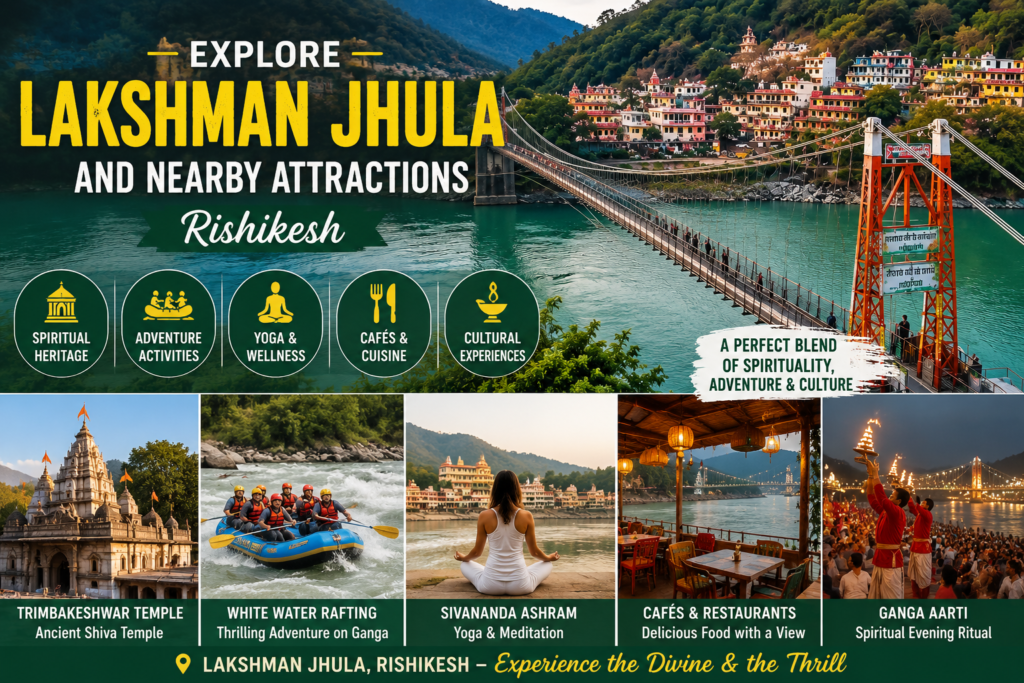
Adventurers will find thrilling activities around Lakshman Jhula. The area is renowned for white-water rafting along the Ganges River, ranging from gentle floats to exhilarating rapids. Multiple operators provide guided experiences suitable for both beginners and seasoned rafters, ensuring an adrenaline-packed outing amidst stunning natural vistas.
For those who prefer a more tranquil experience, the nearby Sivananda Ashram offers yoga classes and meditation sessions. Visitors often find solace in the teachings of yoga and the calming ambiance of the ashram, providing a perfect counterbalance to the adventure activities.
Additionally, numerous cafés and restaurants dot the riverbanks close to Lakshman Jhula. These establishments serve an array of cuisines, with many offering healthy and vegetarian options that reflect the local culinary culture. Dining with a view of the river enhances the overall experience, allowing visitors to unwind and soak in the surrounding beauty.
Finally, participating in the Ganga Aarti, a traditional evening ritual performed at the banks of the river, is an unmissable cultural experience. This spiritual ceremony attracts many, creating a beautiful display of lights and chants that echoes the vibrant culture of Rishikesh.
Accommodation Options Around Lakshman Jhula
When planning a visit to Lakshman Jhula, one of the most symbolic areas in Rishikesh, it is essential to consider the various accommodation options available. This region caters to all types of travelers, from those opting for luxurious stays to budget-conscious backpackers seeking economical lodgings. Each type of accommodation provides unique benefits, ensuring that visitors can enjoy a memorable experience while remaining close to the banks of the Ganges River.
For travelers seeking luxury, several upscale resorts and hotels provide opulent amenities and breathtaking views of the river and mountains. These establishments often include high-end facilities such as spas, fine dining, and organized activities, making them perfect for those wishing to indulge in a relaxed atmosphere. Notable options include the Aloha on the Ganges and The Riverview Retreat, both situated within a short distance from Laxman Jhula, allowing guests easy access to cultural landmarks and adventure activities.
On the opposite end of the spectrum, numerous budget-friendly hostels and guesthouses allow backpackers and solo travelers to enjoy a comfortable stay without overspending. Places like Zostel Rishikesh and Shiv Shakti Hostel offer dormitory-style accommodations, fostering a sense of community among travelers. Additionally, these budget options are strategically located, making it convenient for guests to explore the nearby attractions and partake in local experiences.
Furthermore, mid-range hotels provide a balance between affordability and comfort. Guesthouses and boutique hotels often abound, featuring personalized service and cozy atmospheres, appealing to families and groups of friends. Establishments such as Hotel Hill Top and Hotel Dewa Rishikesh offer a variety of room types and have garnered positive reviews from previous guests.
In conclusion, diverse accommodation options in Rishikesh around Lakshman Jhula ensure that all travelers find the right fit for their preferences and budgets. Prioritizing location, amenities, and personal needs will enhance the overall experience during a visit to this spiritual haven.
Cultural Insights: Festivals and Events at Lakshman Jhula
Lakshman Jhula, a renowned destination in Rishikesh, is not only famous for its scenic beauty and spiritual significance but also for its vibrant cultural life. The festivals celebrated here play a vital role in fostering community spirit and enhancing the spiritual atmosphere of the area. Various Hindu festivals are observed with much fervor, attracting visitors and pilgrims from around the globe.
Among the most prominent events is the annual celebration of Maha Shivaratri, dedicated to Lord Shiva. Devotees throng the banks of the Ganges, engaging in rituals, prayers, and offerings. The air is imbued with chanting and the sounds of devotional songs, creating a deeply spiritual environment. Additionally, the festival of Ganga Dussehra commemorates the descent of the Ganges to Earth. A large number of locals and tourists partake in the holy bathing rituals, reinforcing the river’s cultural and religious significance.
Navratri, a nine-night festival honoring Goddess Durga, also sees spirited celebrations in Lakshman Jhula. The nights are filled with dance and music, primarily the Garba and Dandiya Ras, which reflect the region’s cultural heritage. Temples and community spaces are adorned with vibrant decorations, drawing both participants and spectators. This enthusiastic engagement with traditions fosters a sense of belonging among attendees.
The Kumbh Mela, although celebrated in different locations across India, also sees a local significance here as many devotees travel to experience the collective spirituality that the event embodies. Various cultural programs, including folk dances and music performances, take place, adding to the festive ambiance.
These celebrations not only honor ancient customs but also bring together diverse communities, showcasing the rich tapestry of culture that Lakshman Jhula has to offer. Each festival is an opportunity for visitors to engage deeply with the spiritual practices and social fabric that characterize this enchanting location.
Visitor Tips for Lakshman Jhula
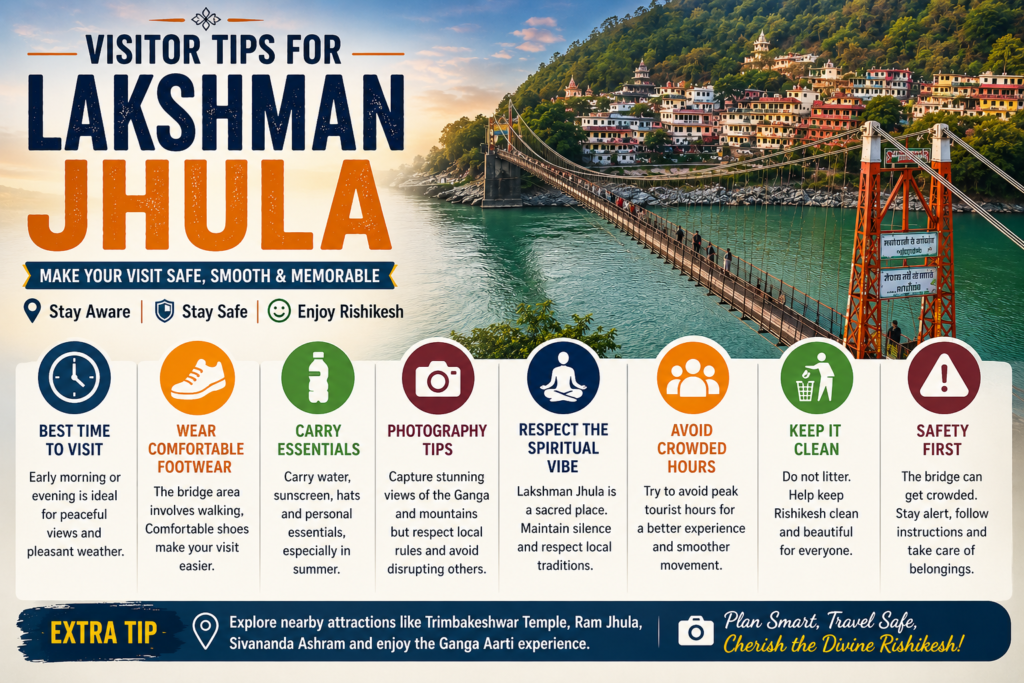
When planning a visit to Lakshman Jhula, it is essential to equip yourself with the right knowledge and items to ensure a pleasant experience while being respectful of the local culture and its customs. First and foremost, travelers should pack comfortable footwear, as exploring the area involves a considerable amount of walking. The pathways can be uneven, particularly around the ghats and temples, so a sturdy pair of shoes is advisable. Additionally, lightweight clothing made of breathable fabric is recommended, especially during the warmer months, as the weather can become quite hot during the day.
Being a pilgrimage site, Lakshman Jhula has certain dress codes to honor. Visitors are encouraged to wear modest attire, covering the shoulders and knees when entering temples. This not only shows respect to the sacred sites but also aligns with local customs. Furthermore, those ascending to religious sites should consider carrying a scarf or shawl to drape over their shoulders as a sign of respect.
Photography is a beloved aspect of visiting Laxman Jhula; however, it is essential to seek permission before photographically capturing individuals, especially local residents or pilgrims. The spiritual ambiance is palpable, but it is crucial to be mindful of others’ privacy and comfort. Always respect signage that indicates areas where photography is not permitted, particularly inside temples.
In terms of preparation, be sure to carry essentials such as a refillable water bottle, sunscreen, and a small first-aid kit. Staying hydrated is particularly important, so consider taking advantage of the numerous water refill stations available throughout the area. By being mindful of these practical tips, visitors can enjoy a fulfilling and respectful journey at Lakshman Jhula.
Conclusion: Why Visit Lakshman Jhula in Rishikesh
Lakshman Jhula, an iconic landmark in Rishikesh, offers a unique blend of spiritual significance, rich cultural heritage, and breathtaking natural beauty that makes it a must-visit destination for travelers. The serene ambiance, coupled with the sound of flowing waters of the Ganges, creates an unforgettable atmosphere that draws visitors from around the globe.
The spiritual essence of Laxman Jhula is deeply rooted in Hindu mythology, as it is believed to be the place where Lord Lakshman erected a jute rope bridge to cross the Ganges. This historical connection underlines the area’s importance as a pilgrimage site, attracting numerous devotees who seek solace and inspiration. The nearby temples, such as the famous Kriya Yoga Ashram and the iconic Bharat Mandir, further enhance the spiritual experience, allowing visitors a path to connect with their inner self and the divine.
In addition to its spiritual allure, the cultural richness of Laxman Jhula is palpable. The vibrant local markets, bustling with energy and commerce, provide an opportunity to explore authentic handicrafts, traditional garments, and mouth-watering local cuisine. Engaging with the local artisans and indulging in the culinary delights gives travelers a true sense of Rishikesh’s culture and traditions.
The natural beauty surrounding Laxman Jhula is truly awe-inspiring. With striking views of the Himalayan foothills and lush greenery, visitors can partake in various outdoor activities, from trekking to river rafting. Nature enthusiasts will appreciate the serene environment that encourages reflection and rejuvenation amidst picturesque landscapes.
In summary, a visit to Lakshman Jhula in Rishikesh is not merely a trip; it is an enriching experience that nurtures the spirit, nurtures the mind, and creates lasting memories. This enchanting destination invites travelers to witness the seamless fusion of spirituality, culture, and nature, and inspires them to embark on a transformative journey.
Table of Contents
Frequently Asked Questions (FAQs)
Is Lakshman Jhula open today?
Lakshman Jhula availability can change due to safety updates and local administration rules. Visitors should check the latest condition before planning their visit. Seven Sands Tourism helps travellers with updated Rishikesh travel guidance and complete tour planning for a smooth pilgrimage experience.
Why is Lakshman Jhula famous?
Lakshman Jhula is famous because of its spiritual importance, beautiful view of the River Ganga, and connection with the legend of Lord Lakshman. It is one of the most recognised attractions in Rishikesh and a must-visit place during a spiritual journey with Seven Sands Tourism.
Why was Lakshman Jhula built?
Lakshman Jhula was built to provide a crossing route over the River Ganga and connect important areas of Rishikesh. The bridge became a major landmark for pilgrims travelling to temples, ashrams, and sacred places across the river.
Who built Lakshman Jhula?
The present iron Lakshman Jhula was constructed as a suspension bridge to replace the older rope bridge. It became an important part of Rishikesh tourism and continues to represent the spiritual heritage of Uttarakhand.
What is the history of Laxman Jhula?
The history of Laxman Jhula is linked with ancient Hindu mythology where Lord Lakshman is believed to have crossed the River Ganga at this location. Over time, the bridge developed into a famous spiritual and tourist attraction in Rishikesh.
How long and how high is Lakshman Jhula?
Lakshman Jhula is a suspension bridge built above the River Ganga and is known for its scenic views. The bridge length and height make it a unique landmark for visitors exploring Rishikesh sightseeing places.
Can we visit Lakshman Jhula now?
Visitors can explore the Lakshman Jhula area and nearby attractions depending on the current local updates. Seven Sands Tourism recommends checking the latest travel information before visiting and can help arrange a comfortable Rishikesh tour package.
Which is better, Ram Jhula or Lakshman Jhula?
Both Ram Jhula and Lakshman Jhula are famous bridges in Rishikesh with spiritual importance. Lakshman Jhula is known for its historical connection, while Ram Jhula is popular for connecting major ashram areas. Travellers can visit both during a Rishikesh tour with Seven Sands Tourism.